Pinchas's Spear Was Reckoned as an Altar Offering
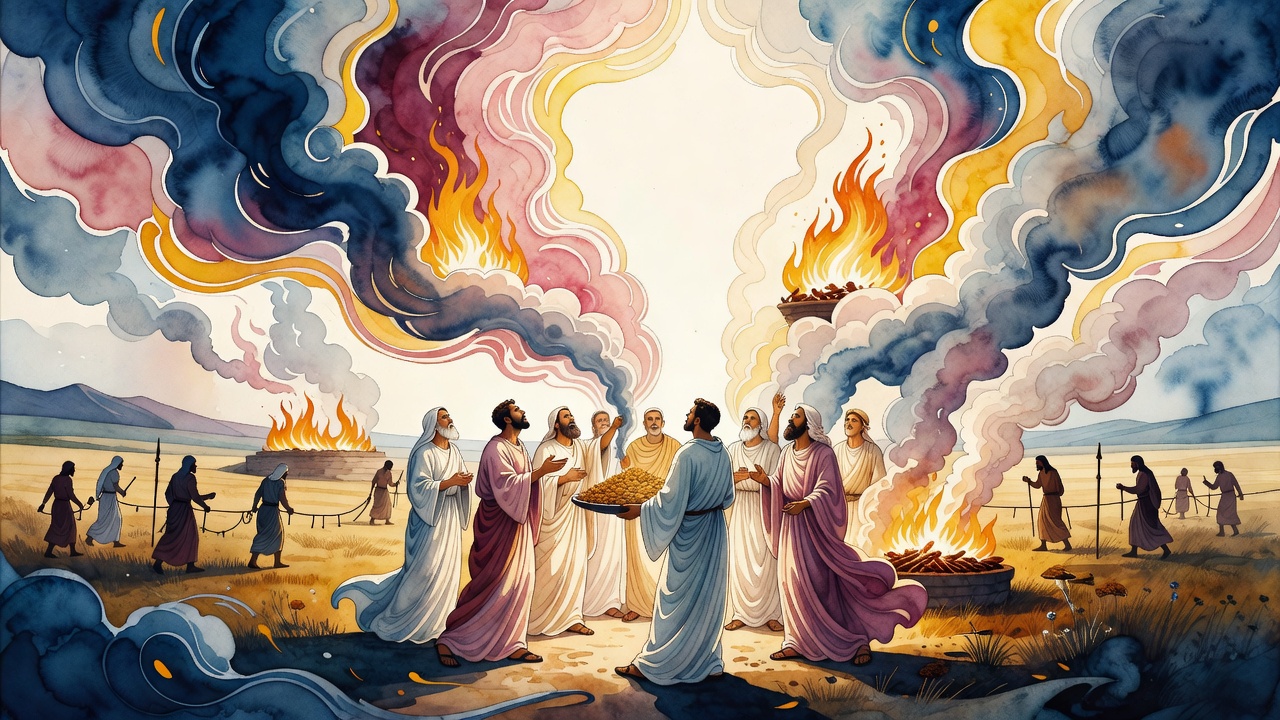
Bodies were already stacking in the camp. Moses and the elders sat weeping. Pinchas ran with a spear while the doorway still held the insult.
Table of Contents
 Click for full size
The Doorway of the Tent
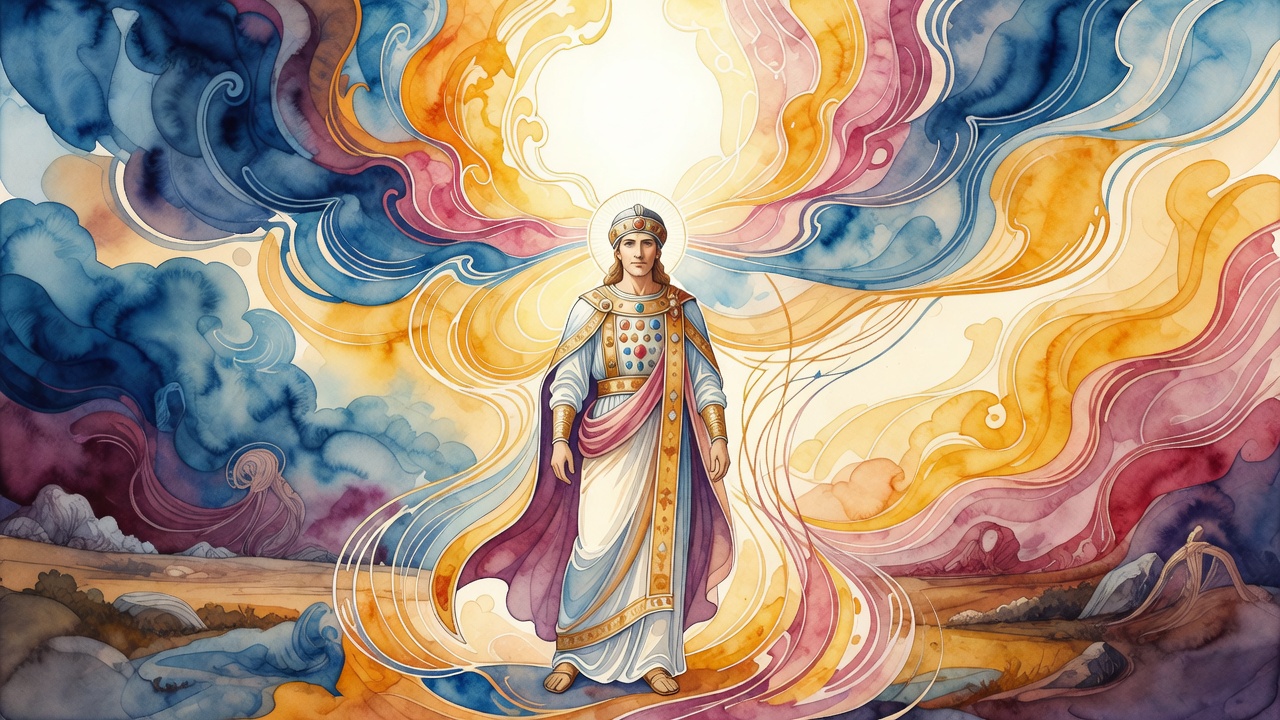
Pinchas did not stop for a knife from the sanctuary drawer. He saw the Israelite and the Midianite woman in the doorway of the Tent. He saw the plague already chewing the camp. Other men were still forming opinions. He took a spear in his hand and ran.
Zimri and Kozbi had turned that doorway into a stage for contempt. Moses and the elders sat weeping. The plague counted bodies with a calm that felt like weather. Pinchas crossed the open ground while they were still sitting. The spear went through both. The bodies fell. The plague stalled.
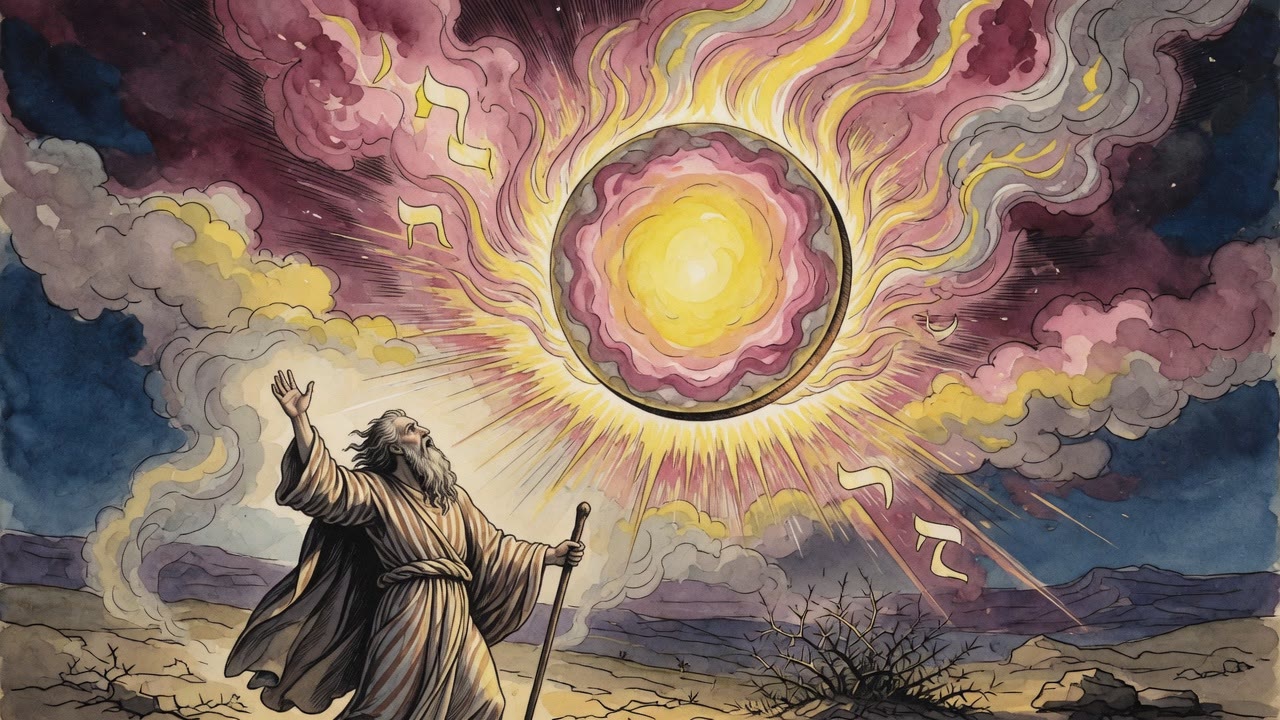
He stood over them with the shaft still in his grip. The camp smelled of death and sudden quiet. Behind him the arithmetic of wrath stopped adding. Ahead of him a word was already waiting in the Torah, a word that belongs to bulls and rams and the stones of an altar. Atonement. He had brought no animal to the Tent of Meeting.
Heaven Counted the Spear as Smoke
Scripture later said he made atonement for the children of Israel (Numbers 25:13). Altar language. Blood language. Pinchas wiped the spear and walked back through a lane of tents that had expected more funerals by nightfall.
Whoever sheds the blood of the wicked who lead Israel astray, the teaching runs, it is reckoned as if he had offered on the altar. The zealot's thrust becomes smoke. Wrath turns. The people live. Pinchas did not write that sentence. He only moved while others calculated.
The gate is narrow. Ordinary process had already failed. Corpses were stacking. The insult sat in the doorway of the Tent, not in a private quarrel behind a flap. Heaven recognized a strange cousin of the altar in that spear, and then fenced the story so no later man could invent cousins for every grudge.
Two Lambs So Jerusalem Could Sleep
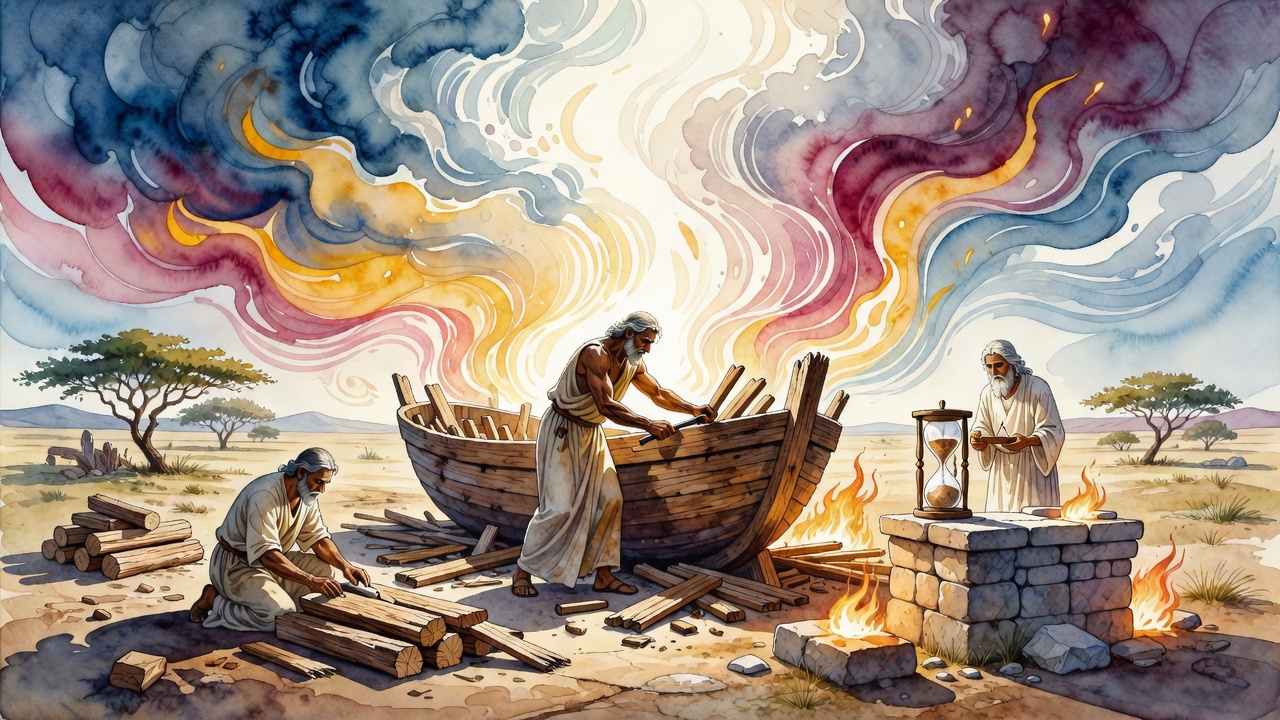
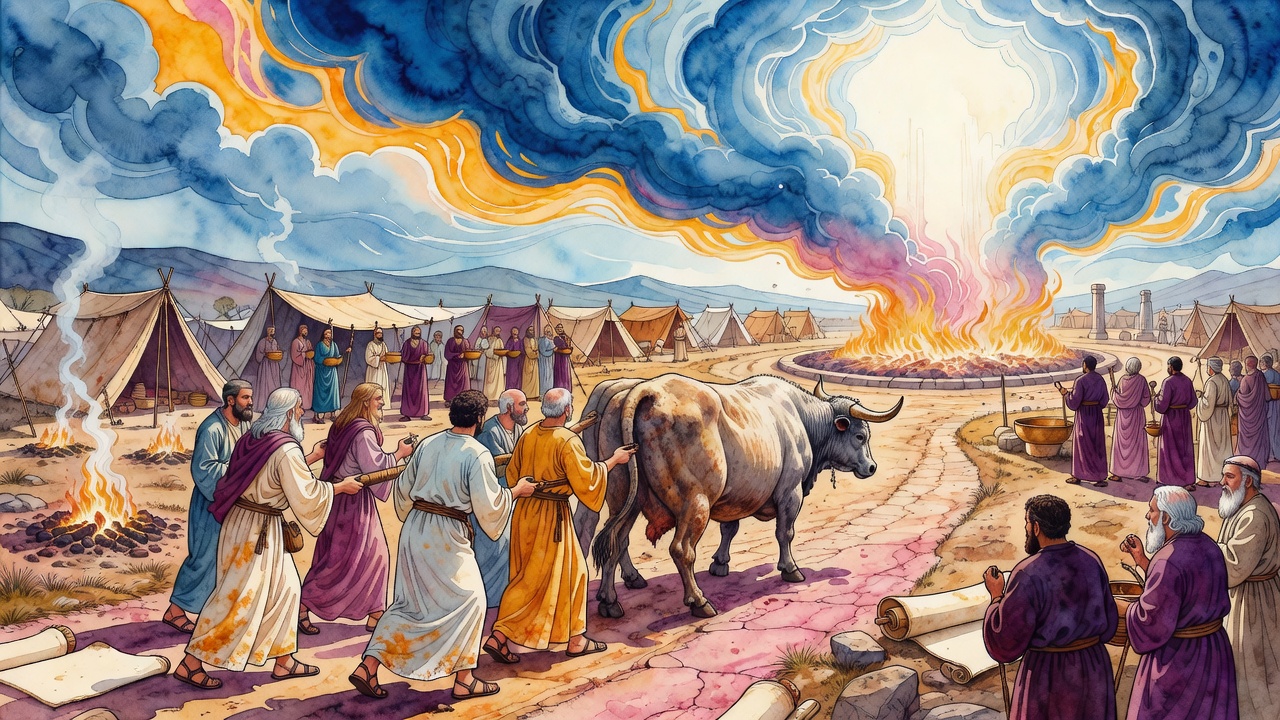
Centuries later, in Jerusalem, the ordinary system hummed with a different mercy. Not one fire-offering dumped at noon, but a lamb in the morning and a lamb at twilight. Rabbi Yehudah bar Simon taught the reason. No soul should sleep in Jerusalem with sin still stuck to the hand.
Night's failures rose with the morning smoke. Day's failures burned off at dusk. Dawn cleaned the dark. Dusk cleaned the light. Isaiah could say righteousness lodged in her because righteousness had somewhere to lodge between the two offerings.
A family argued over a debt in a side street while the morning lamb's smoke still climbed. A man who had spoken cruelly in the market heard the twilight fire and went home with his mouth shut. Pinchas's spear was emergency medicine. The daily lambs were the city's bloodstream. Both aimed at a camp that can wake without yesterday's guilt still wet on the fingers.
If emergency zeal were the daily diet, Jerusalem would not sleep clean. It would not sleep at all. The system assumed most days need smoke, not spears. That assumption is how a city lives.
Peace Was Given as a Fence
Pinchas received a covenant of peace and a priesthood lasting through his seed. The reward admits the act's danger. Heaven pays heavily for a deed that could have been murder if the moment had been misread. Priests who later traced their line through him carried both honor and warning in the genealogy.
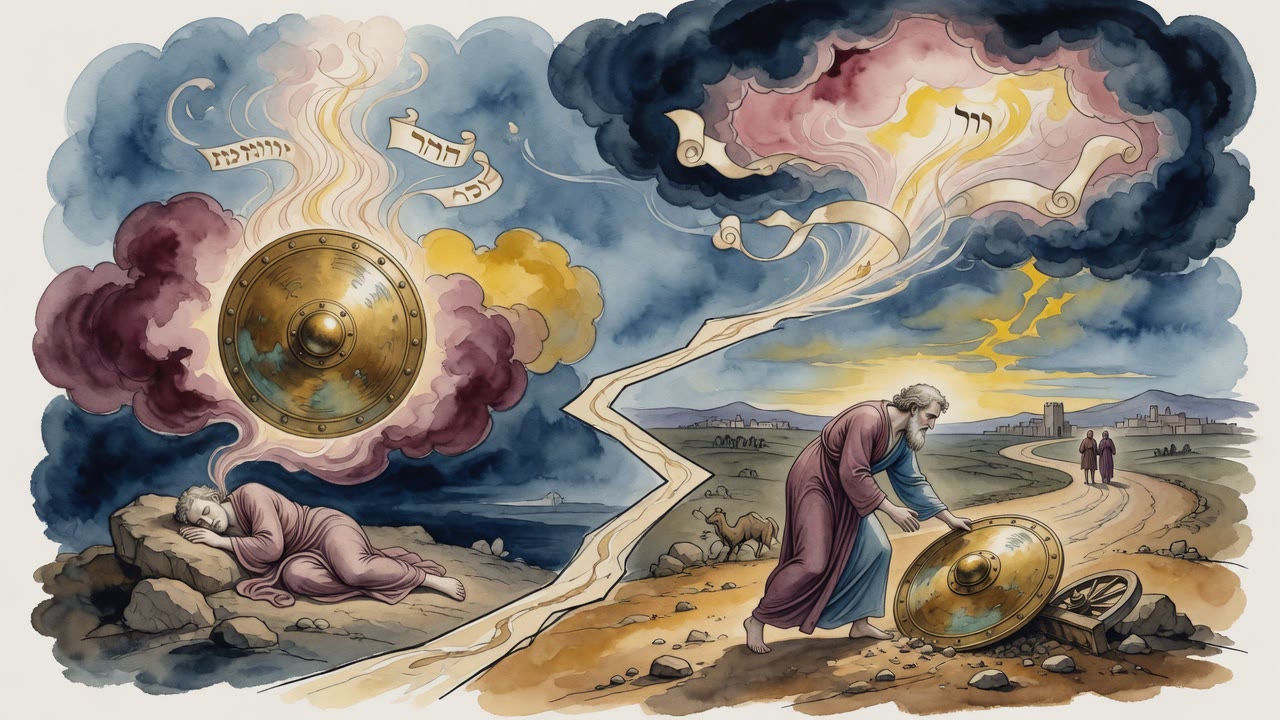
Peace was given as covenant because the deed could have shattered peace if it had been vanity in costume. He walked back through the camp and did not lift the spear again. The quiet after the plague was the first taste of that shalom (שלום), that peace, and it sat on him like a weight, not like a medal.
He had not asked for an altar. Heaven gave him altar language anyway, then wrapped it in peace so the story would not breed imitators in every doorway.
Thanksgiving Outlasts the Other Fires
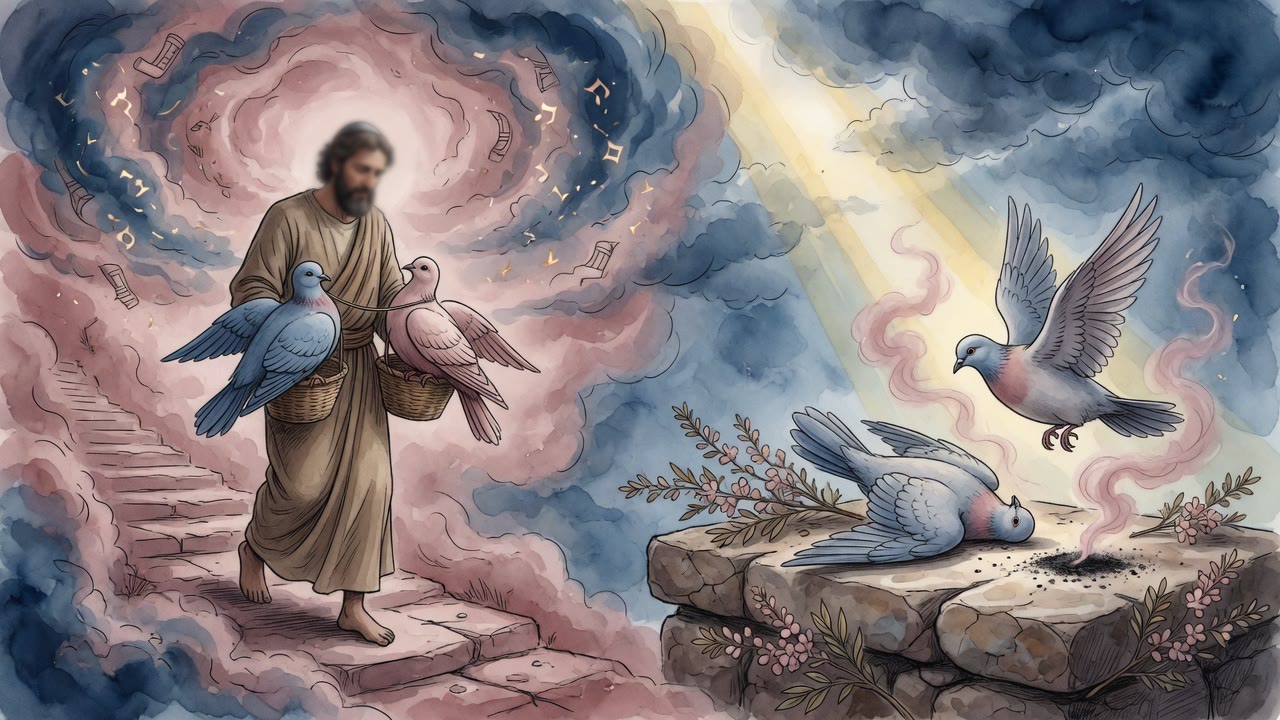
Looking further ahead, Rabbi Pinchas and Rabbi Levi and Rabbi Yochanan, in the name of Rabbi Menahem of Galya, said a harder thing. In the time to come, many offerings will cease. Sin-offerings, guilt-offerings, the machinery of repair for a broken world, will have less work when the break itself heals. One offering remains. Thanksgiving. The todah (תודה), the thanks-offering, and the thanksgiving prayer with it.
Jeremiah heard gladness and the sound of those who say, Give thanks, and also the sound of thanks-offerings brought to the House. David promised to pay thanks in the plural, todot, both the spoken thanks and the offered thanks. When there is nothing left to atone, there is still everything left to thank.
Until that horizon the camp keeps both tools. The rare thrust that stops a plague. The regular smoke that clears a night. Pinchas wiped the spear. The camp buried its dead. Somewhere a mark moved from wrath to atonement, and the mark looked, for a moment, like altar ash.
← All myths