The Priest Walked Heel to Toe on the Ramp
No steps climbed the altar. A long ramp forced small strides, and an earthen altar stayed joined to the ground for God.
Table of Contents
 Click for full size
No Stair for the Ascent
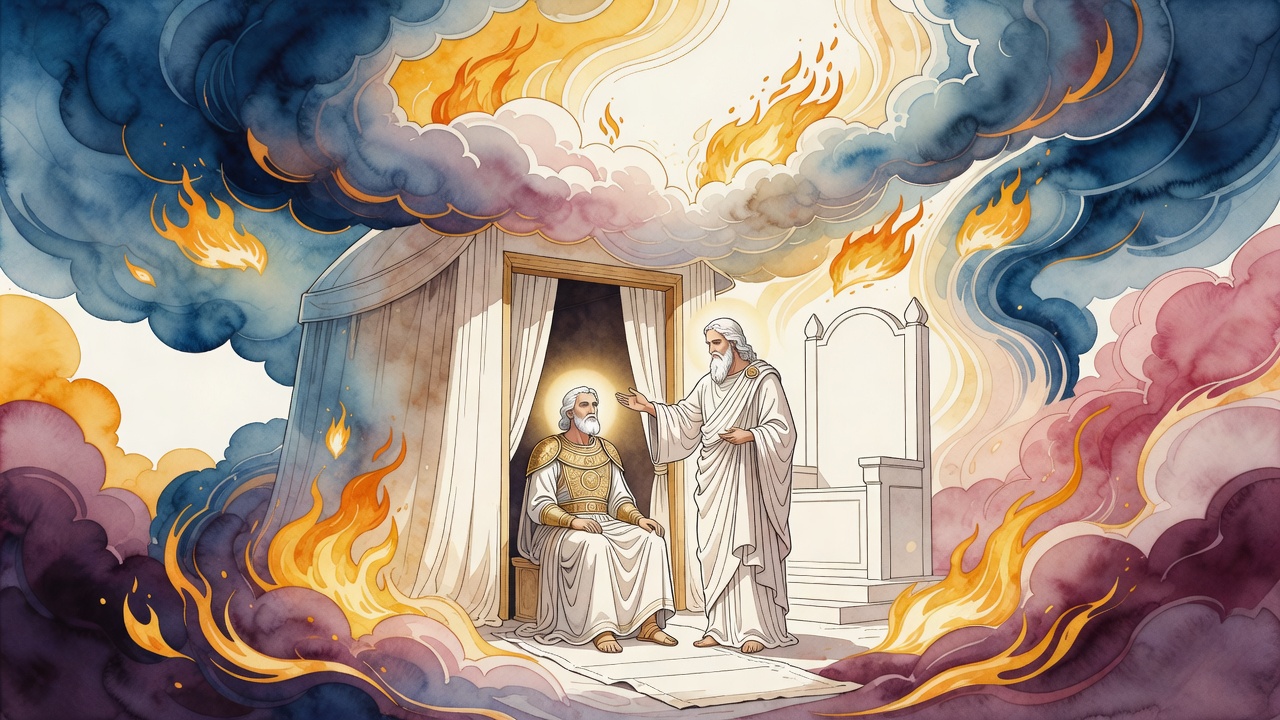
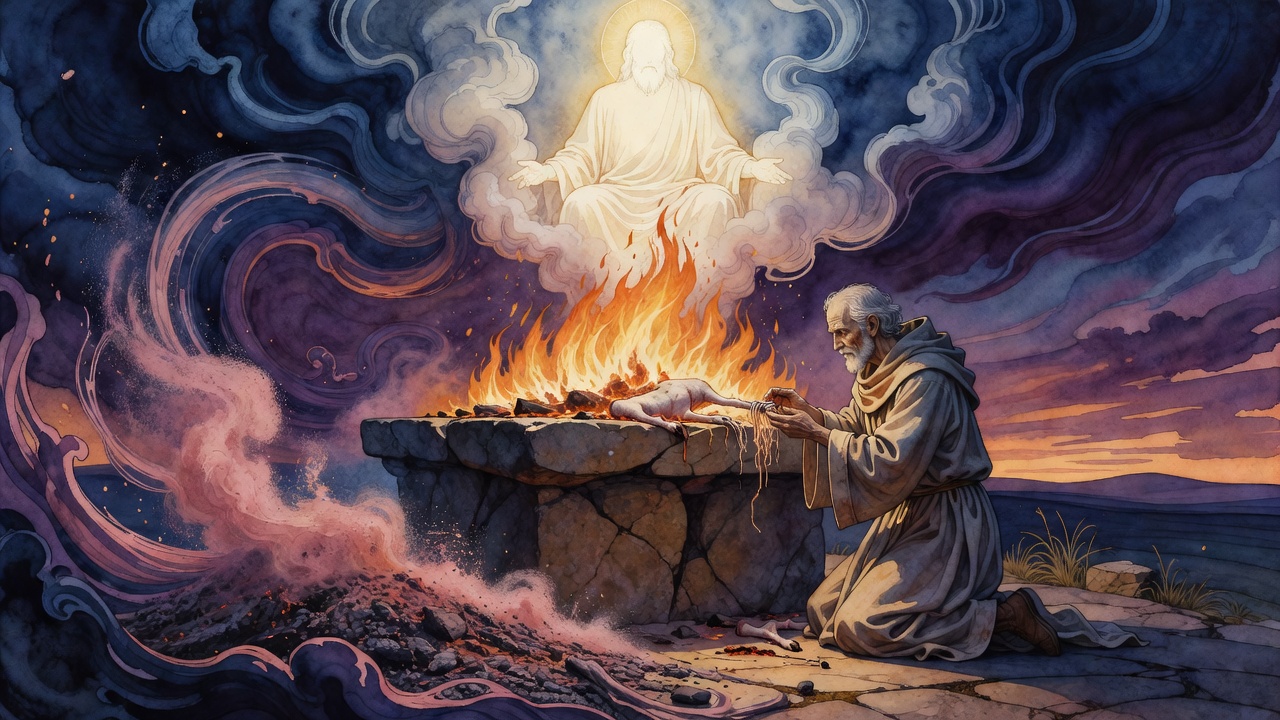
The priest set his heel against his toe and began the slow climb. The ramp rose like a held breath from courtyard dust to the altar's crown. Steps were forbidden. Wide strides were forbidden. Even covered in linen, a body that opened too far on stone stairs would treat the approach as common. God had closed that door. The way up was a slope that forced smallness on the climber.
Below, younger priests watched and learned the gait. Rushing belonged to markets. Here the body itself preached reverence. A single step built against the altar's rule earned lashes. The Torah cared how knees and ankles behaved in front of holiness, not only how lips moved in blessing.
Joined to the Earth
"An altar of earth you shall make for Me." The first reading hears "for Me" as exclusivity. Build it for the LORD from the start. Do not raise a platform for some other glory and then repaint it sacred. Rabbi Ishmael fixed on earth: the altar sits joined to the ground, not perched on arches like a boast. Rabbi Nathan heard a hollow filled with soil, boards containing the dust that keeps the structure humble.
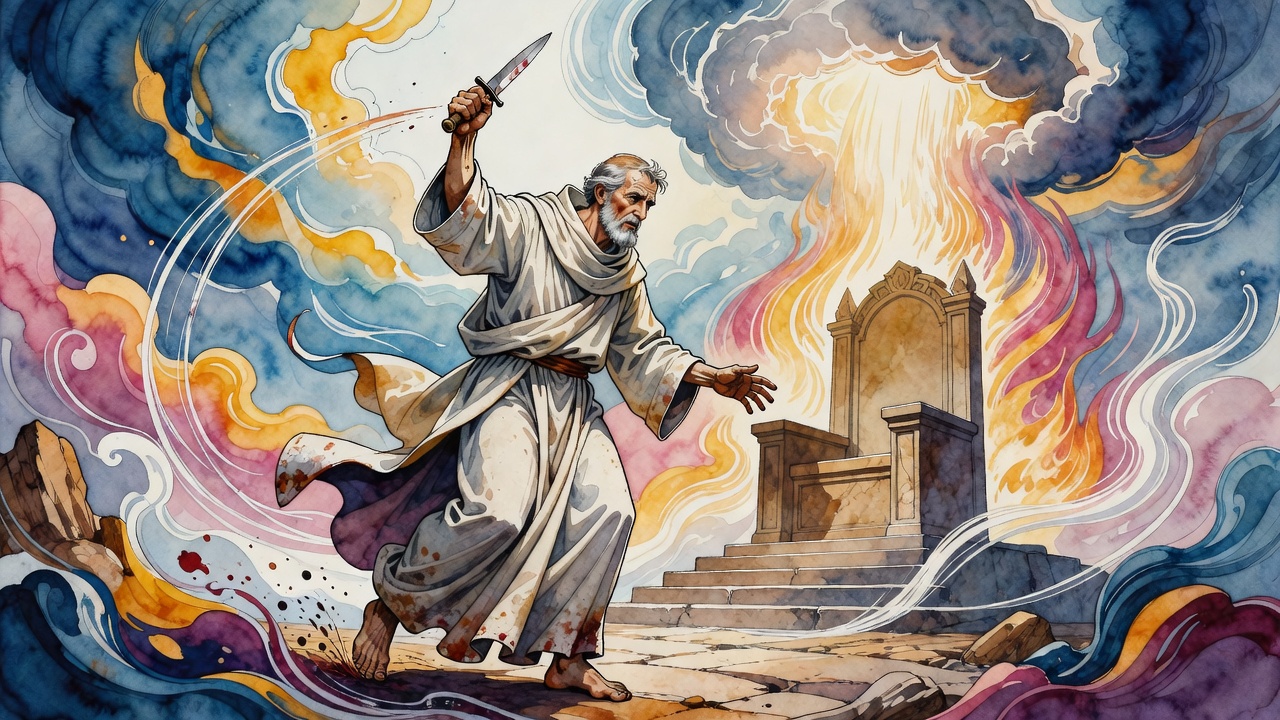
On dedication day in Solomon's house the bronze altar seemed too small for the flood of offerings, and Issi ben Akiva asked how a thousand burnt offerings could fit a "small" place. His answer turned size into history: when the new altar rose, the old one was hidden away, its service complete. Generations of fire had a successor, not a rival shelf.
What Cannot Be Left Off
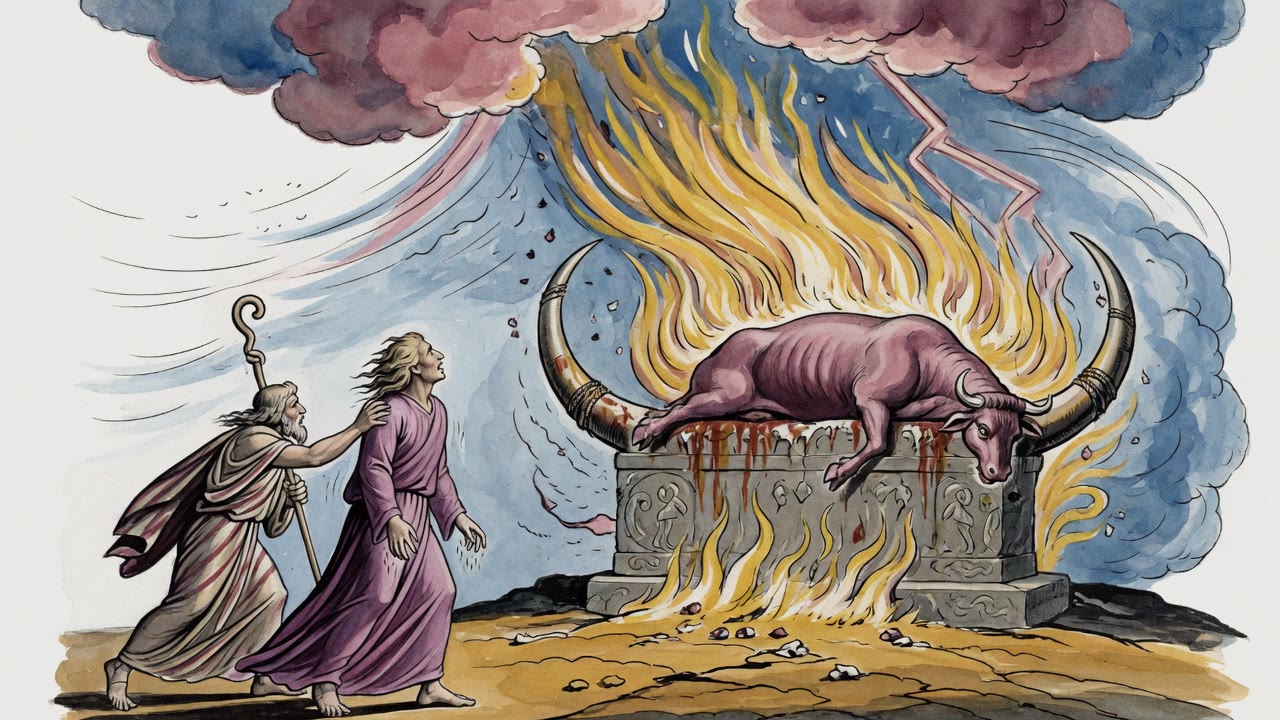
Build the length wrong and the altar may still stand. Leave off a horn and the whole is disqualified. The sages drew the line with a hard hand: horn, ramp, base, and square shape are indispensable; exact length, breadth, and height can flex, though never below the burning-place Moses knew, a cubit across. The definite article on "the altar" flagged what the law refuses to do without.
Rav Nachman bar Yitzchak spoke of two ledges, one for beauty and one so working priests would not slip. Beauty and safety shared the stones. A private altar was a thinner thing than the communal one, stripped of some rites, yet time, leftover meat, and impurity still bound both. The map of service was not guesswork. It was a body of rules with bones that could not be removed.
Trespass Dressed as Offering
Read "steps" as "trespasses" and another warning climbs into view. A person might plan sin in order to enjoy the drama of a grand sacrifice afterward. The Torah slams that door. You do not manufacture guilt to stage a beautiful repentance. Isaiah says the LORD loves justice and hates robbery presented as burnt offering. The fattest animal bought with deliberate rebellion is smoke without acceptance.
The priest on the ramp, heel to toe, is the opposite of that perverse theater. He does not enlarge his stride to look impressive. He does not invent a fall so the climb will seem holier. He carries what the people brought in obedience, or he carries nothing that heaven will own.
Ash on the Slope
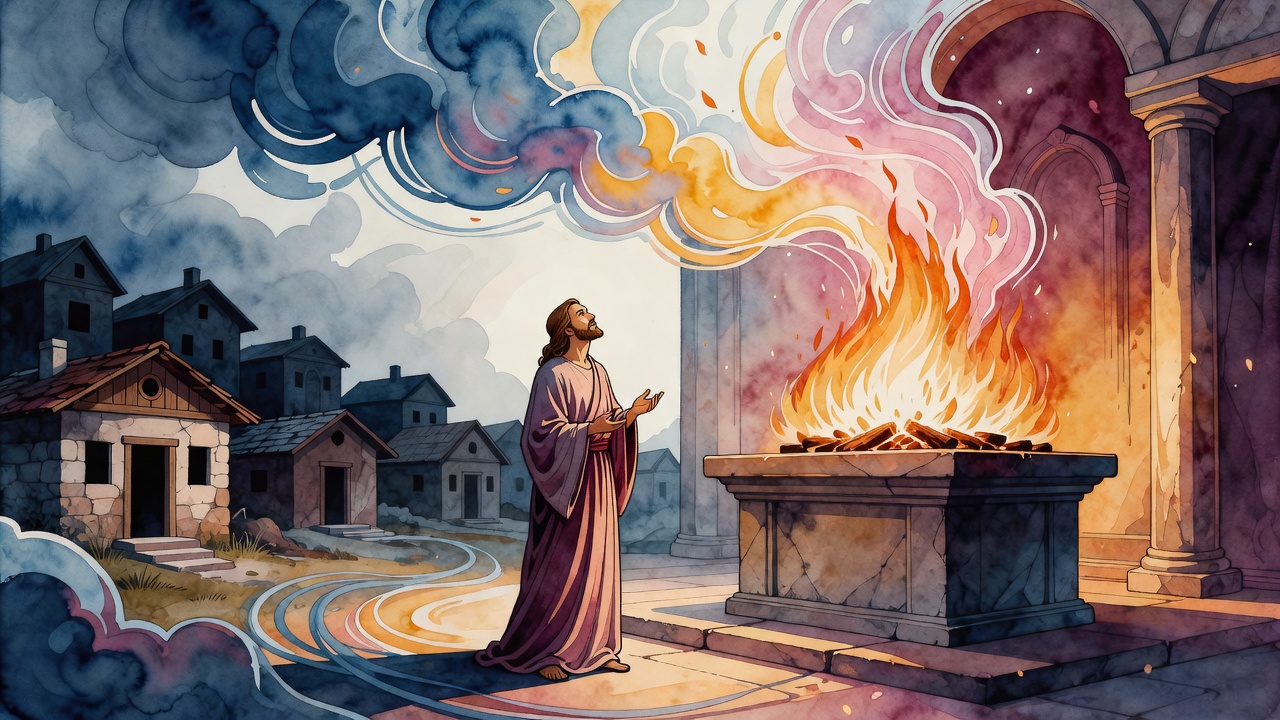
By afternoon the ramp held ash-dust and the smell of fat. The priest descended the same way he had climbed, measured, unwilling to treat the stones as stairs for his convenience. Courtyards could have steps for buildings. The altar kept its slope like a vow. Children saw the gait and imitated it in play until a teacher told them play was not service, yet the memory of small steps stayed.
Israel's approach to the Holy One is written in architecture: earth-joined, horned, ramped, squared, exclusive in purpose. Skip a horn and you have a pile of stones. Add a stair and you have a staged ascent. The midrash keeps the priest's feet in the frame so theology never floats free of ankles.
Morning service began before the heat. The priest checked the horns with his eyes the way a shepherd checks a flock. Square base, firm ramp, earth that still joined the structure to the world's floor. He refused a helper's offer to sprint up with wood. Sprint was for other hills. This hill was a slope of law. Ash from yesterday still clung to the lower ramp, a grey reminder that fire had already spoken and would speak again.
In the study hall that week a student asked why God cared about stairs. The teacher made him climb a short incline heel to toe while reciting the verse. When the student laughed, the teacher did not. Bodies remember what mouths forget. The altar's architecture is a curriculum: exclusivity of purpose, humility of earth, refusal of staged sin, dignity of approach. Skip the curriculum and the stones become furniture. Keep it and even a tired priest at dusk still walks like a man who knows he is seen.
← All myths