Rabbi Johanan Sat at the Mikveh Gate and Buried Ten Sons
He chose the spot on purpose, where the light was good and every woman coming up from the water would see his face first. He had buried ten sons.
Table of Contents
The women came up the steps out of the water one at a time, and the first face any of them saw at the top belonged to him.
 Click for full size
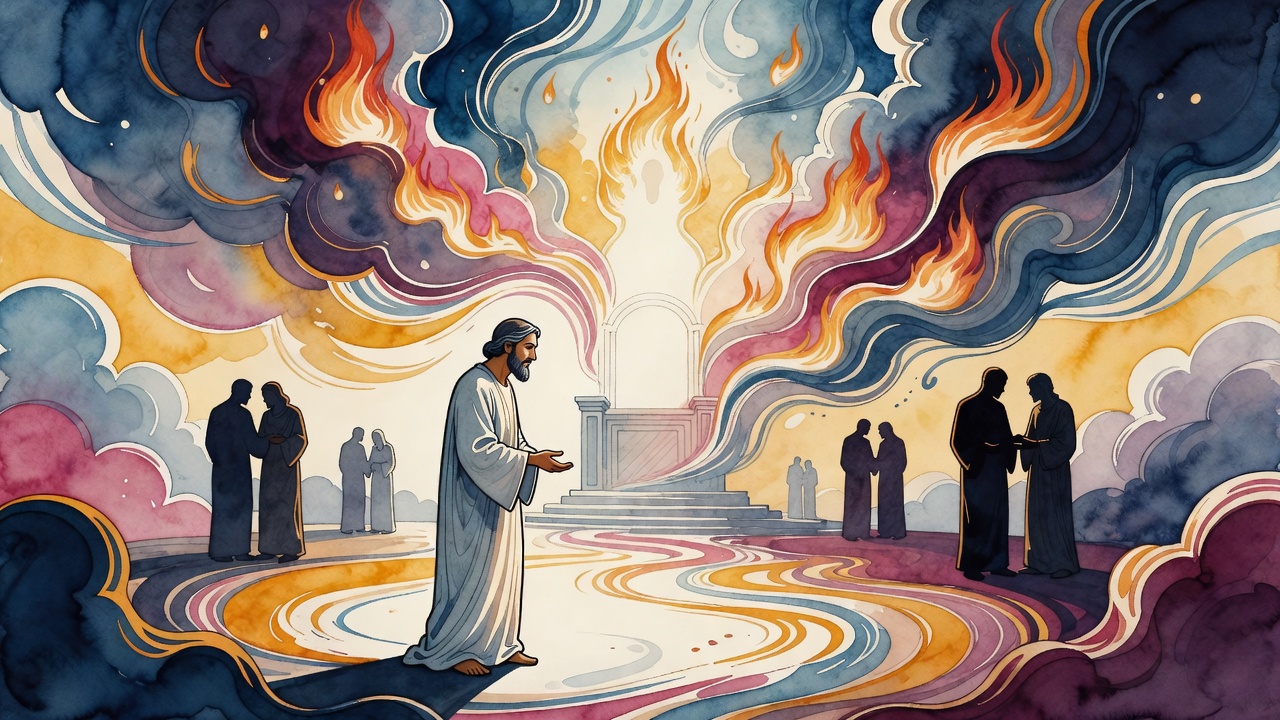
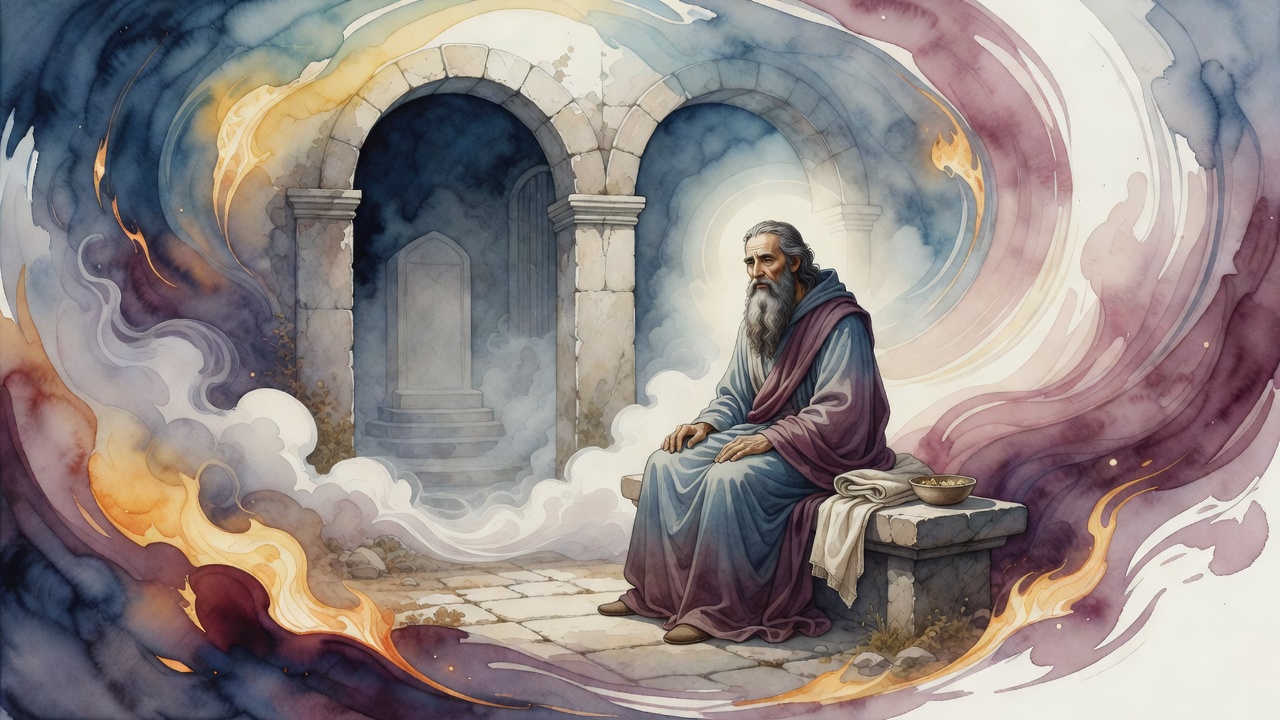
Rabbi Johanan sat there on purpose. He had picked the bench by the gates of the mikveh, the pool where a woman immerses before she goes home to her husband, and he sat on the side where the light was good.
"Let them look at me on the way out," he said. "Then they will have sons who look like me."
A Silver Cup Filled With Pomegranate Seeds
Anybody who wanted to know what that face was actually like got instructions instead of adjectives.
Take a silver cup, new, still warm from the smith's hands. Fill it with the seeds of a red pomegranate. Lay a wreath of red roses around the rim. Then set it down on the line where the sunlight stops and the shade begins, and look at it. That glow, more or less, is the beauty of Rabbi Johanan.
He was not a modest man about it and he was not a vain one either. He treated the face the way a man treats a well on his own land in a dry country. Other people needed it, so he sat where they could get to it.
The Seed of Joseph
Someone eventually asked him the question everybody had been carrying around. Sitting out in the open like that, day after day, at a gate where every woman in the neighborhood passed twice, in a country where people believed one envious look could kill a child before it was born, was he not afraid of the evil eye?
"I come from Joseph," he said. "The eye has no power over Joseph's seed."
Then he went back to his bench.
Ten Graves
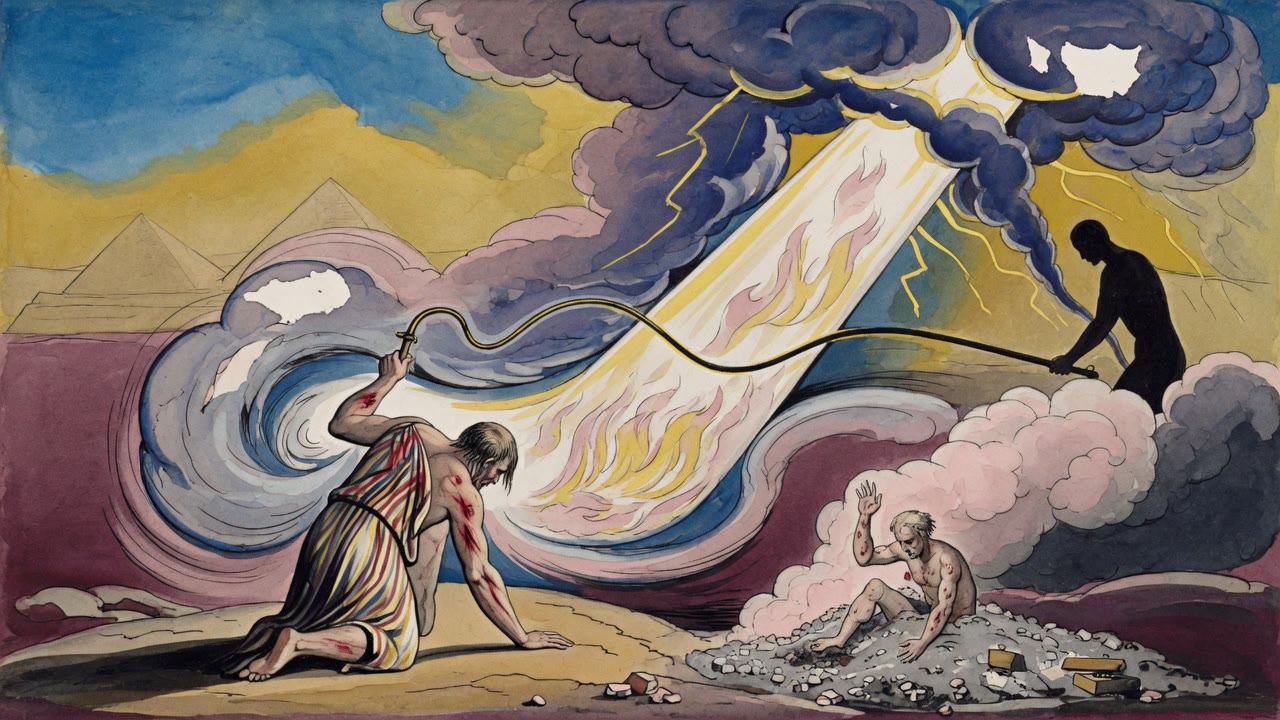
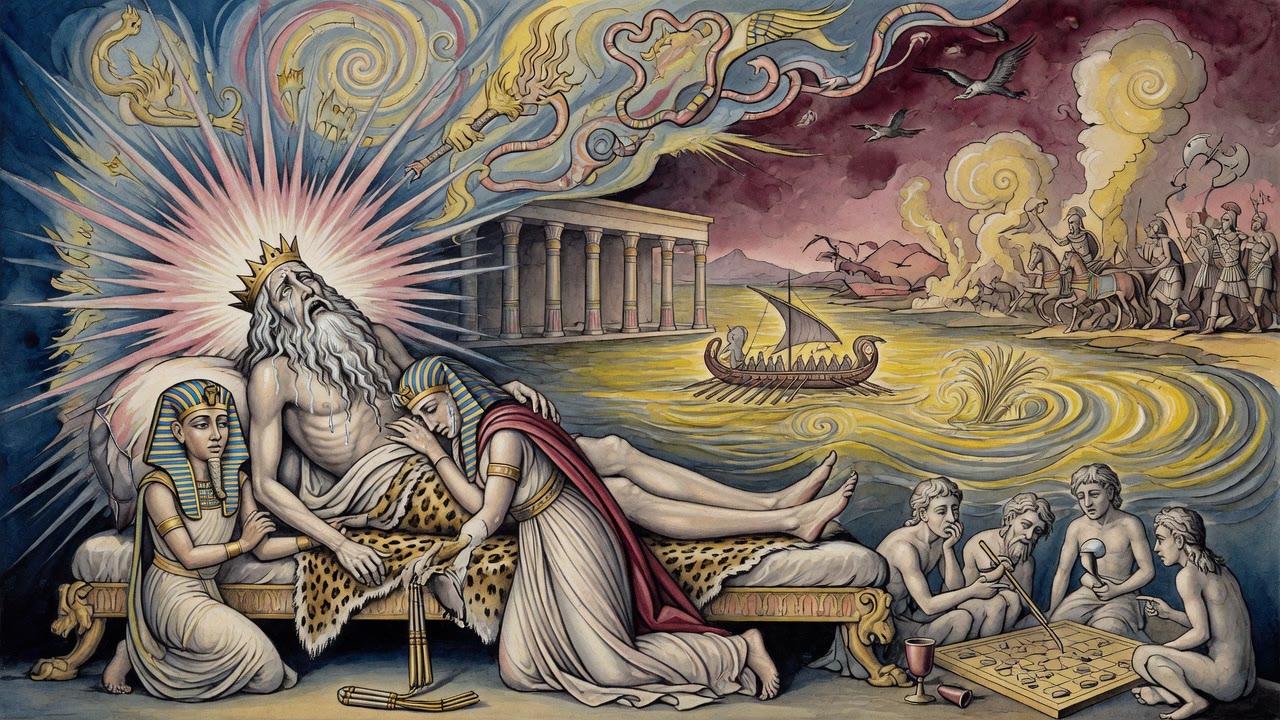
He buried ten sons.
Not one son, the way most men in that generation lost one and carried it for the rest of their lives. Ten. Ten times the house filled up with people who did not know what to say to him. Ten times he tore the neck of his shirt. Ten times he walked out to the burial ground and back, and then went on teaching in the morning, because he was the head of the academy and the academy did not stop.
The man who sat at the water gate so that other people's children would come out beautiful had none of his own left to look at.
A God Who Pays What He Owes
He kept teaching anyway, and one of the things he taught was about wages.
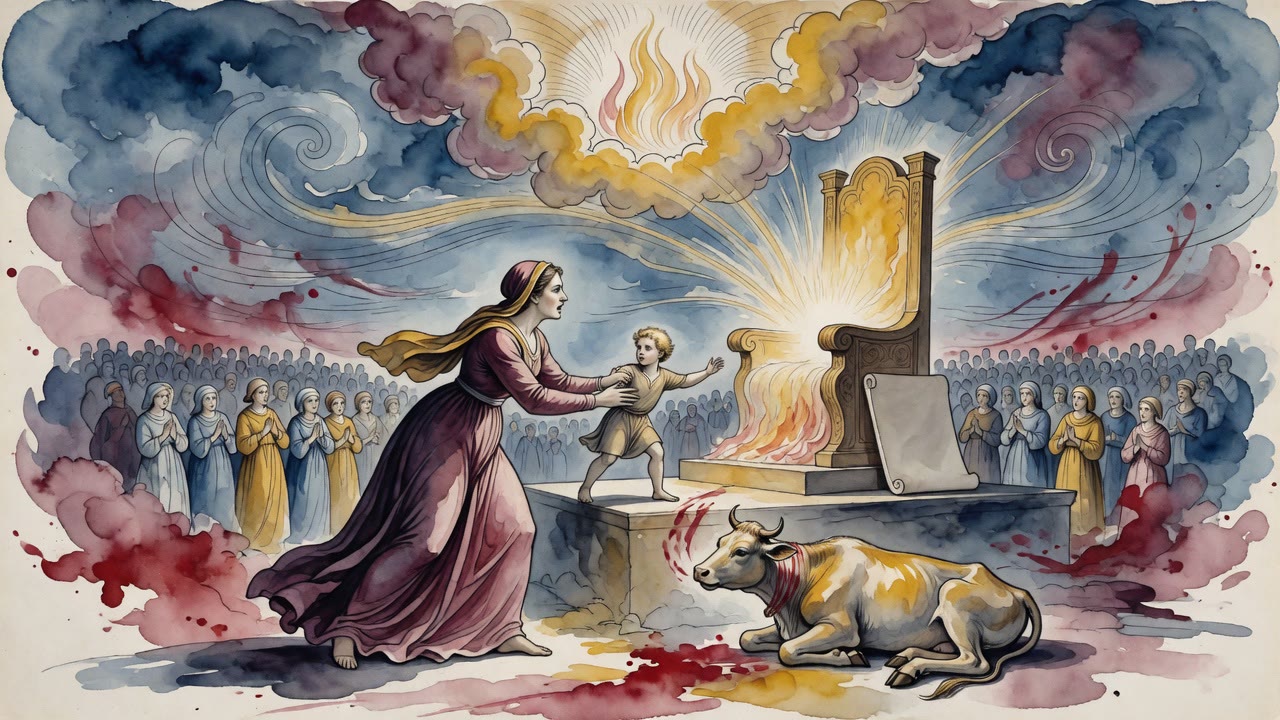
Keep My Sabbaths, the Holy One says, I am the LORD. Johanan would stop on those last three words and turn them over the way a man taps a coin on a table to hear whether it rings true. I am the LORD. That is a signature at the bottom of a promise. It means: I am good for it. Nothing earned on My day gets lost, and nothing gets held back.
And how do you keep the day? Not by going without. Not by grim faces and empty plates. With food, he said. With drink. With clean clothes set out the night before and put on for honor. The work the day asks of you is delight, and delight draws a wage, and the one paying the wage does not default.
The man saying this had stood over ten small graves.
The Bone He Carried
He kept a small bone from the tenth boy and carried it on him.
When he went to sit with somebody whose child had died, at the point in the visit where the visitors have run out of things to say and the room goes quiet and heavy, he would take the bone out and put it into the mourner's hand.
"This is the bone of my tenth son."
Then he would take it back, and put it away, and get up, and walk home past the gate of the mikveh where the women were still coming up the steps out of the water, and sit down again in the good light so that somebody else's sons would be born beautiful.
← All myths