Rashi Foretold the Crusader Who Would Rule Three Days
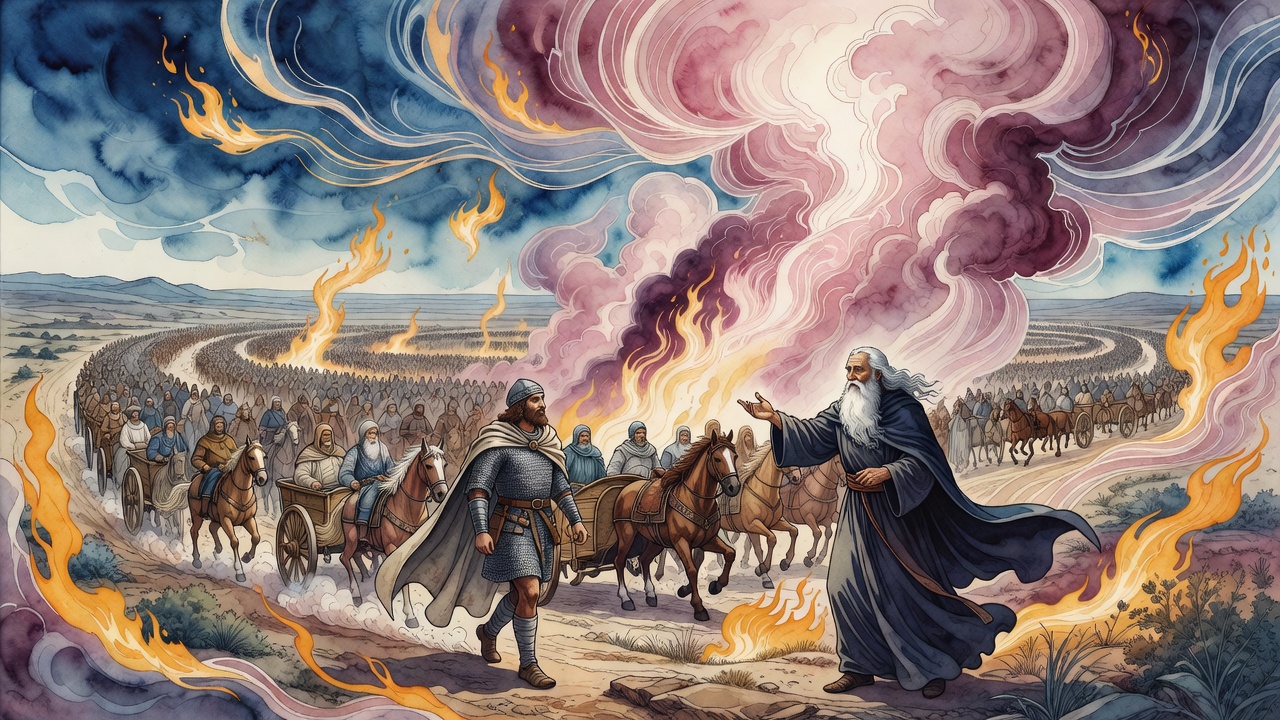
Godfrey de Bouillon marched east with a hundred thousand chariots, and an old rabbi told him he would reign three days and ride home with three horses.
Table of Contents
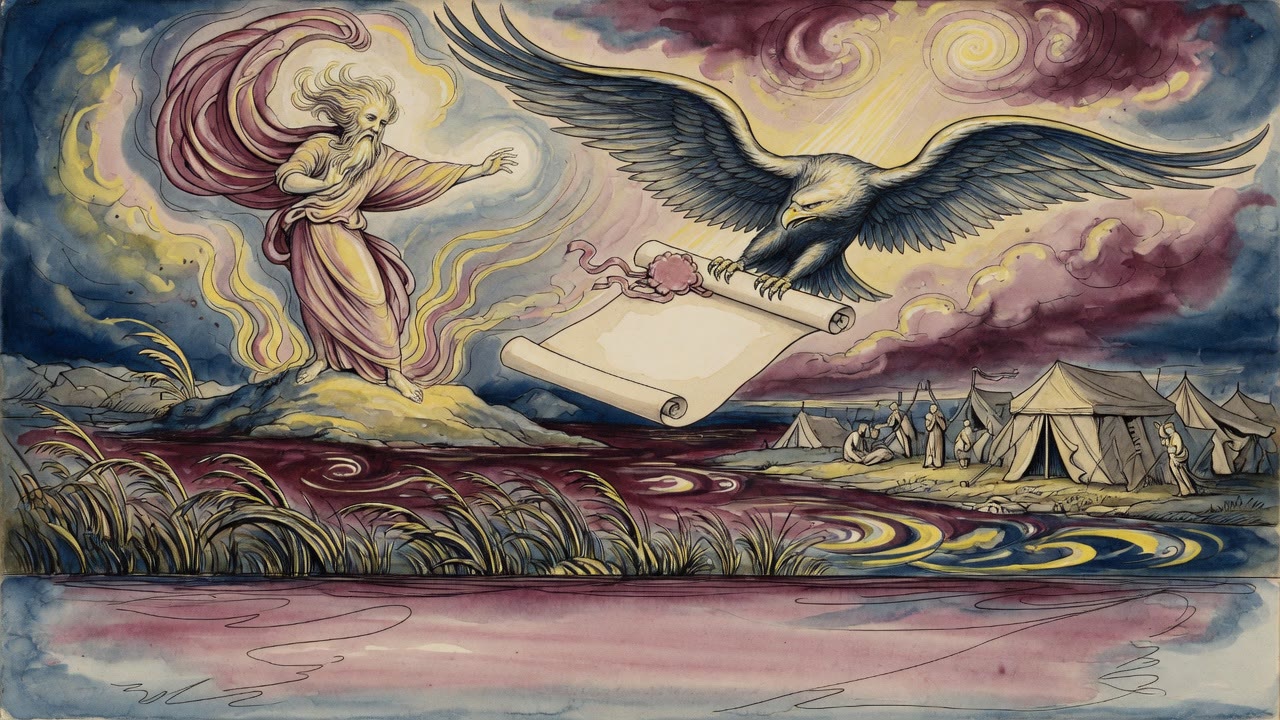
Godfrey de Bouillon could not sleep, and the thing keeping him awake was a vow. He had sworn before his captains that he would not rest until the children of Israel were wiped from the earth, and he meant to keep the oath the way he kept all his oaths, with iron. A hundred thousand chariots stood ready on the road east. Already the banks of the Rhine were heavy with Jewish dead. He would march to Jerusalem over their bones and crown himself there. But one thing still itched at him. Before he rode, he wanted the blessing of the one man in the world whose word he feared.
 Click for full size
So he sent for the old rabbi of Worms.
The Warlord Sends for the Old Man of Worms
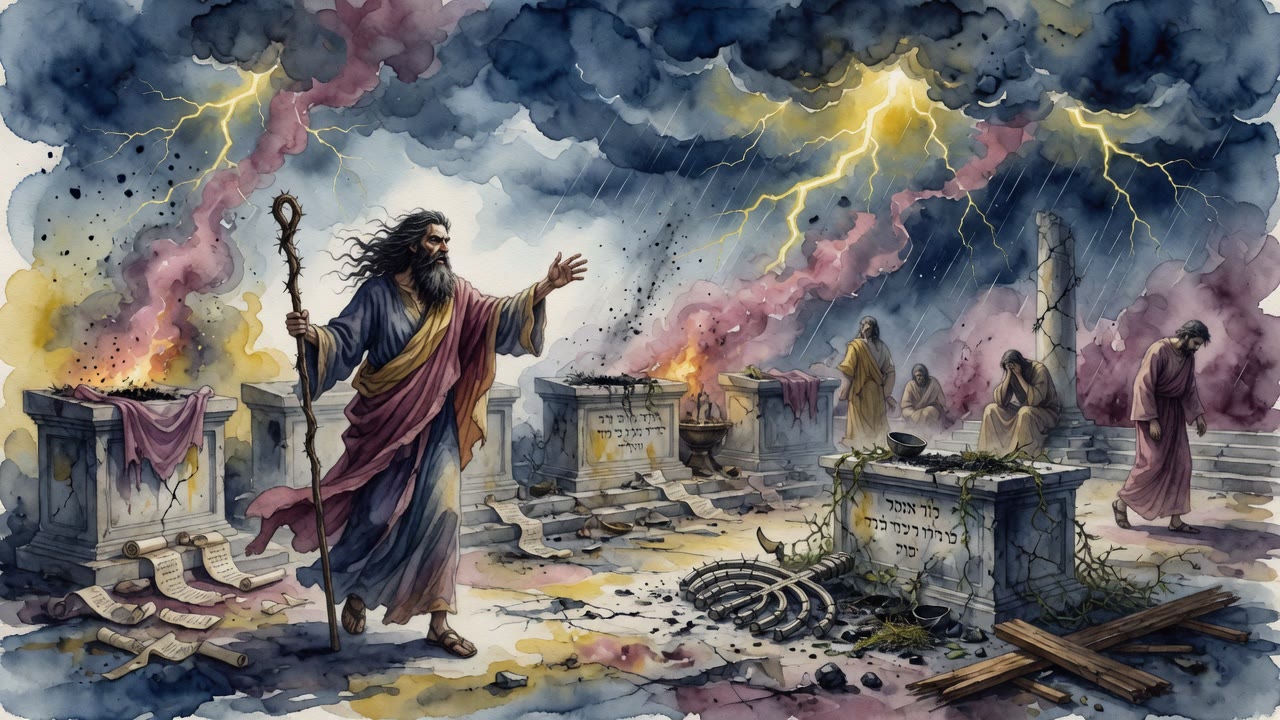
Rashi, whom the Jews called Rabbi Solomon ben Isaac, came on foot and stood before the warlord without flinching. He was an old man by then, his eyes worn from decades of bending over Scripture, the same eyes that had read the Torah so closely they could name the reason the grass of Eden waited in the ground until Adam prayed for rain. He had spent his life proving that nothing in the world sprouts before its appointed hour. Now a man with a hundred thousand chariots wanted him to bless a slaughter.
"I can make no claim on the God of Israel," Rashi said, "for one who has sworn to destroy His people."
The blood rose in Godfrey's face. His hand moved, then stopped. Even he would not strike down a holy man in his own hall. Instead he changed his demand. If the rabbi would not bless him, the rabbi would prophesy for him. A hundred thousand strong stood at his command. Would he win, or would he lose?
"Thou wilt do both," Rashi answered.
A Prophecy of Three Days and Three Horses
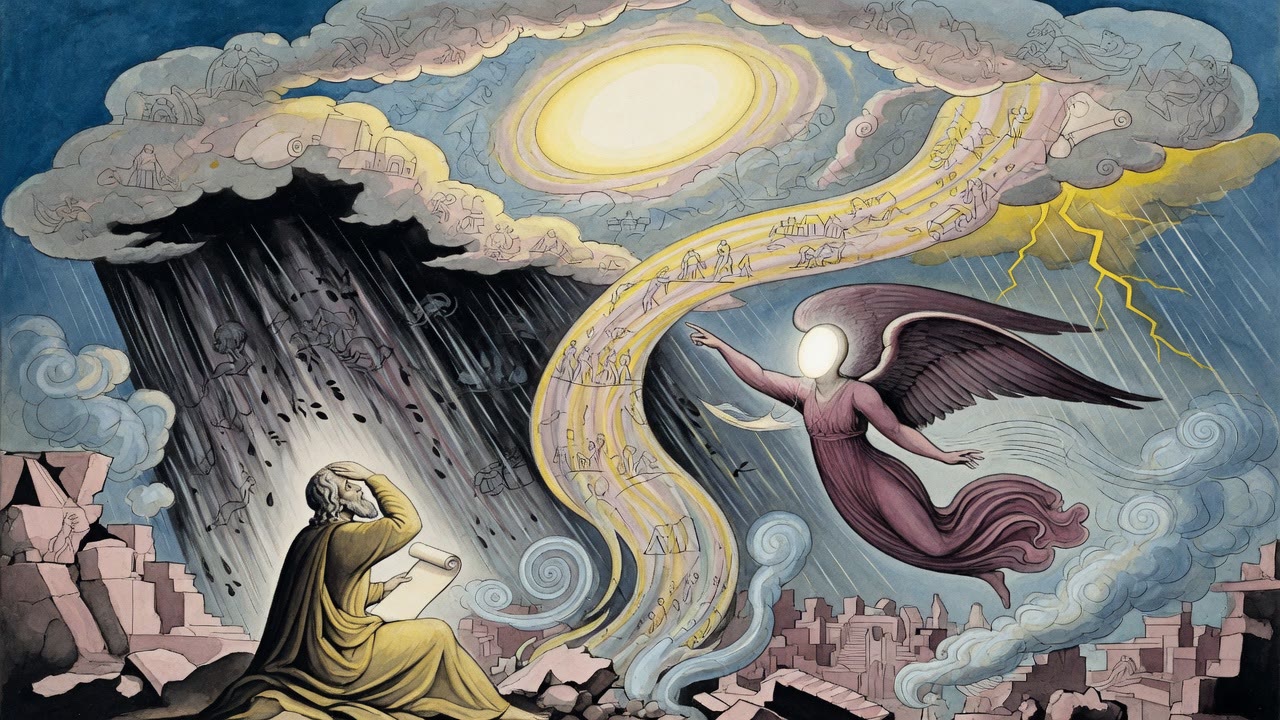
Jerusalem would fall, the old man said. The gates would open and Godfrey would walk in as a conqueror. His own soldiers would lift him on their shields and set a crown on his head. At that Godfrey laughed out loud, delighted, because it was exactly what he had come to hear.
Then Rashi finished the sentence, and the laughter stopped.
"Three days wilt thou rule, and no more," the rabbi said. "And thou wilt not return with thy chariots. Thy vast army will have dwindled to three horses and three men when thou comest again to this city."
Three horses. Out of a hundred thousand chariots, three horses would come home. Godfrey went white, then dark with fury. He leaned over the old man and made a vow on top of his first vow. If a single detail of this prophecy failed, if even one extra rider trotted through the gate of Worms beside him, he would burn the rabbi alive as a liar who spoke falsely in the name of heaven.
Rashi did not step back. "It is not I who fear," he said. Then he turned and went back to his prayers and his commentaries, to the grass that waits in the ground and the verses that keep their word, while the warlord rode off to break a prophecy with an empire.
The Conqueror Tests the Word Against an Empire
It happened the way the old man said it would.
Jerusalem fell. The soldiers raised Godfrey on their shields, and the crown came down on his head, and for three days he was king of the holy city. On the fourth he took the crown off with his own hands. He would not be called king where a greater King had reigned, he said, and named himself only Guardian of the place. Three days, and no more, exactly as the rabbi had counted them out in a hall in Worms.
Then the long road home began to eat his army.
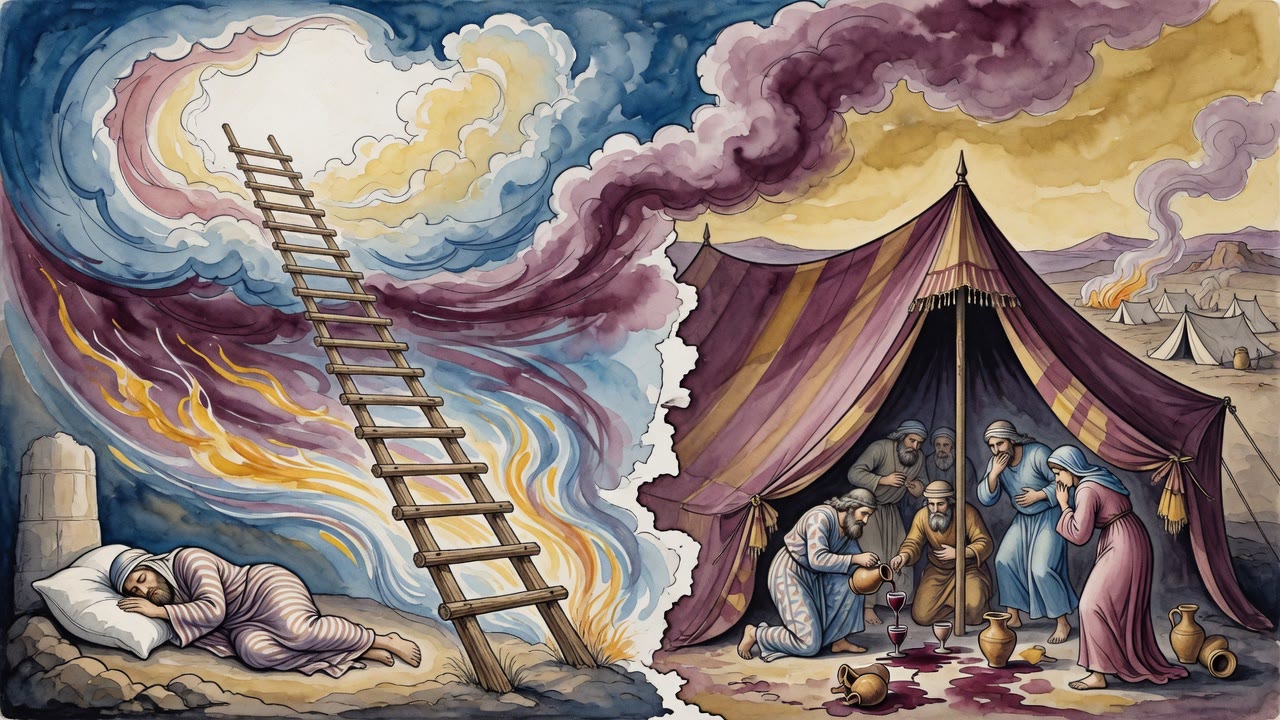
Disease took them in the heat. Defeat took them at the crossings. Desertion took the rest, men slipping away into the dark night after night until the hundred thousand was a memory and then a rumor and then almost nothing at all. Godfrey rode west with a thin column that thinned again, and still he counted the riders behind him and smiled, because there were four. Four men, four horses. One more than the prophecy. One was all he needed to ride into Worms, drag the old man into the square, and watch him burn.
The Stone at the Gate of Worms
He came to the gate of Worms with four mounted men behind him, certain at last that the rabbi had erred. He passed beneath the arch. And as the last rider followed him through, a great stone broke loose from the gate above and fell, and crushed the man and the horse directly behind him into the ground.
Godfrey reined in and turned. He counted again. Three horses. Three men.
He found the old rabbi where he had left him, bent over the same commentaries, no richer and no more frightened than before. The conqueror who had ridden out with a hundred thousand chariots stood in the doorway with nothing.
"Would that I had heeded thy words," Godfrey said. "I am a broken man."
The grass had waited in the ground. The stone had waited in the gate. Everything had kept its appointed hour, and the old man had simply read it off the page before it happened.
← All myths