Saul Brought His Sons to Battle Knowing They Would Die
Samuel's ghost told Saul his sons would fall in battle. Saul took them anyway. God showed the angels what complete submission to heaven looks like.
Table of Contents
 Click for full size
What Samuel Said at En Dor
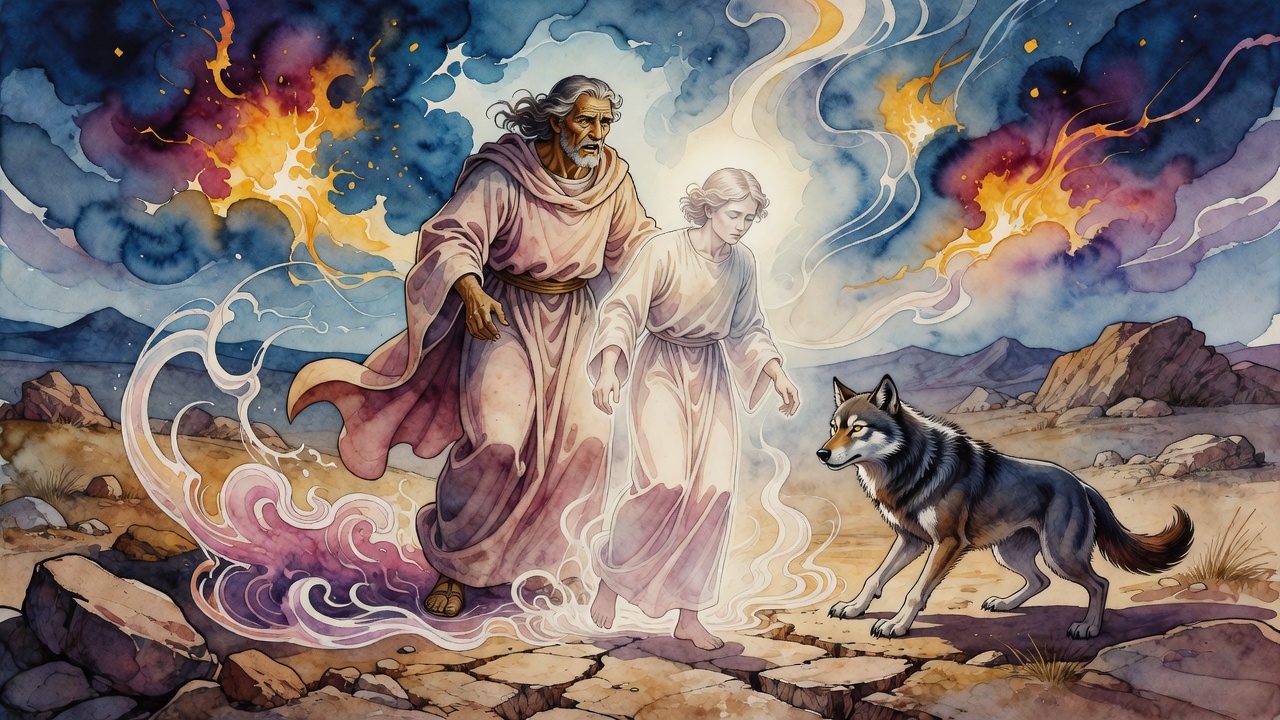
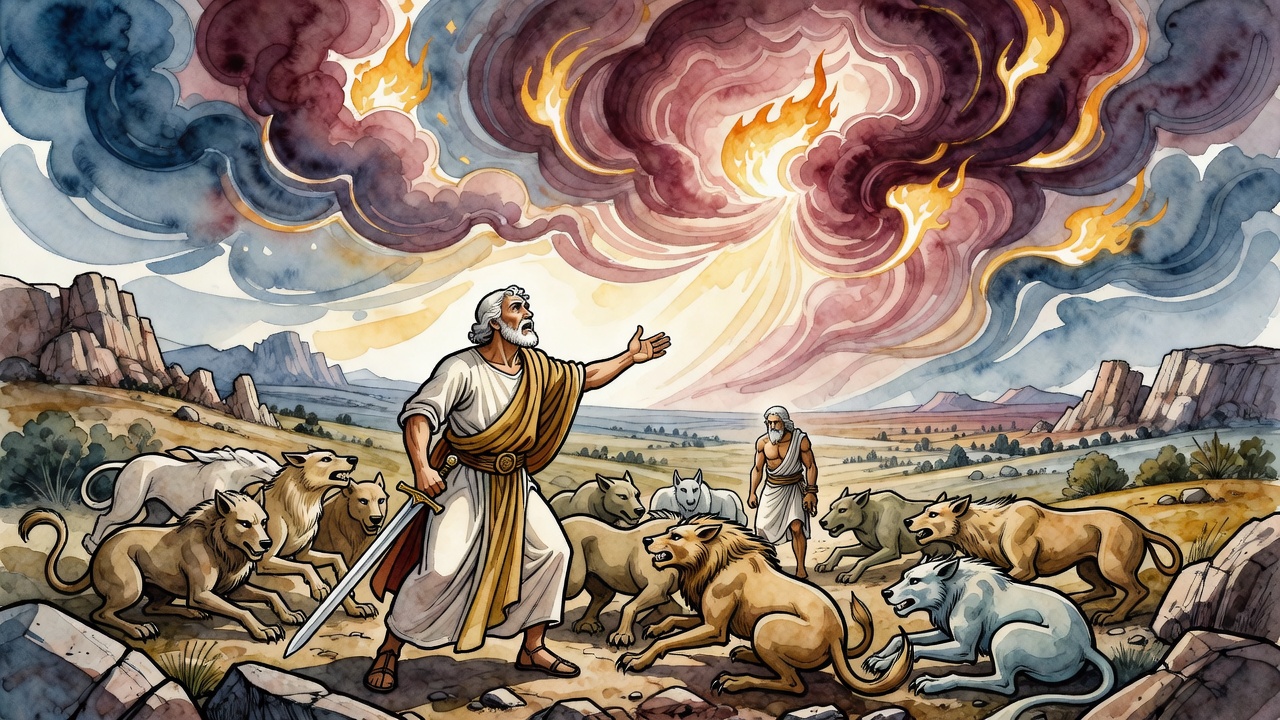
The night before the battle, Saul was so desperate for guidance that he disguised himself and went to a woman at En Dor who could raise the dead. He had spent his reign purging such practitioners from the land, and now he needed one. He asked her to call up Samuel.
Samuel arrived, and he was not pleased to be disturbed. He asked Saul why he had called him. Saul told him: "the Philistines are encamped against me, God has turned away from me and does not answer, and I do not know what to do." Samuel's answer, according to Pirkei DeRabbi Eliezer, the early medieval midrash, was unsparing. "Tomorrow," he said, "you and your sons will be with me. The Philistines will defeat Israel."
When Abner and Amasa, Saul's generals, pressed him afterward about what Samuel had said, Saul told them only a sliver of the truth. "Victory in battle tomorrow," he said. "Exalted positions for his sons." He left out the part about dying.
The Morning He Took His Sons With Him
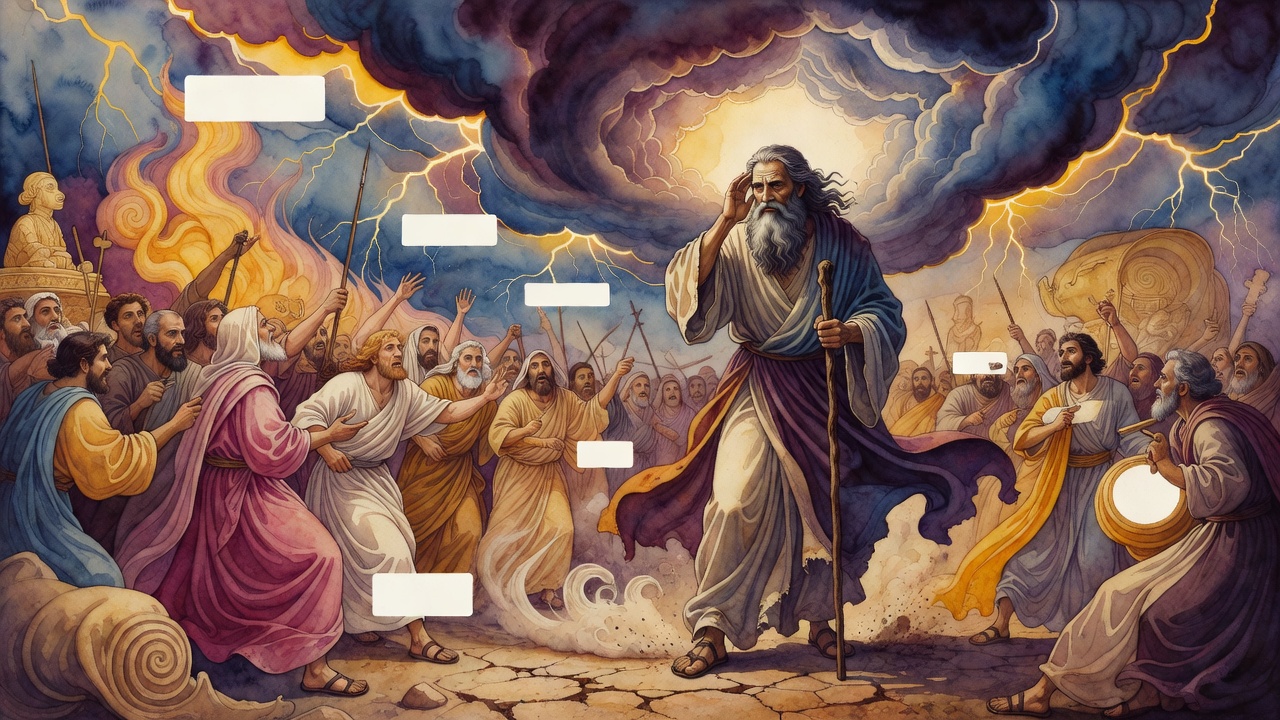
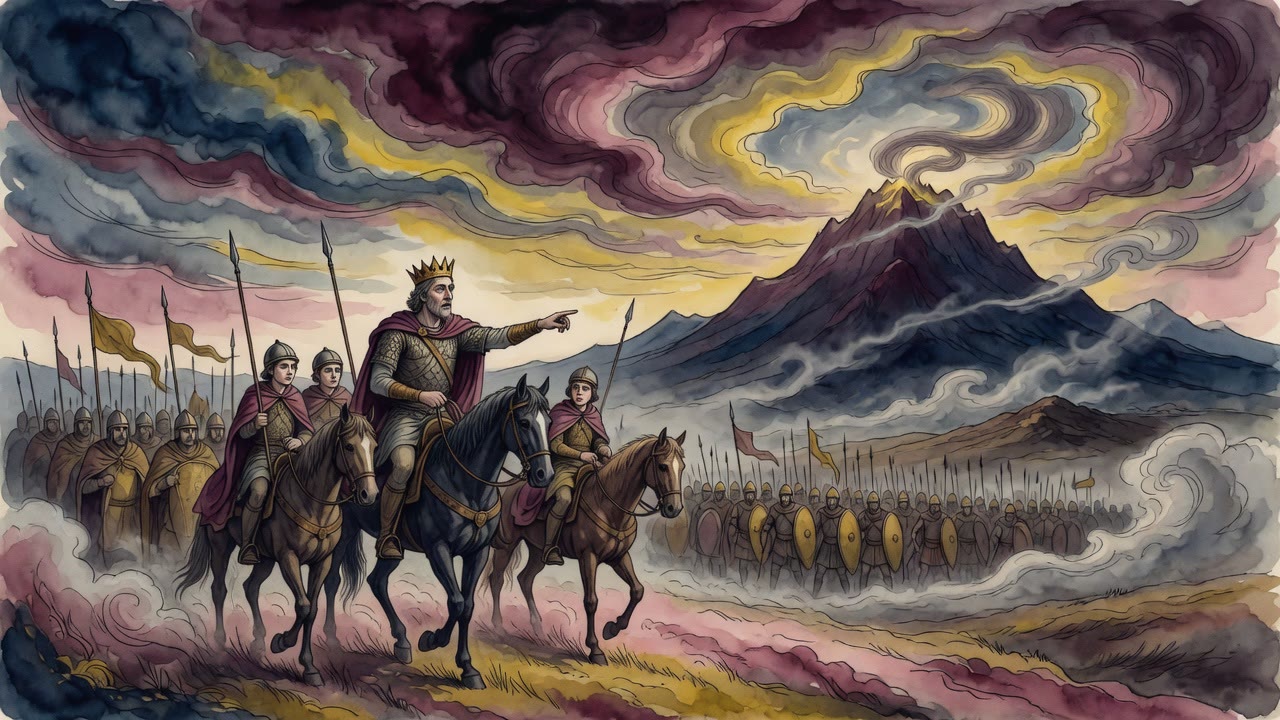
The next morning, Saul took his three sons with him to battle.
He knew what Samuel had said. He knew what the day would bring. And he brought his sons anyway.
Most men, the rabbis observed, would do nearly anything to keep their children alive. They would lie, bargain, send the boys away to distant relatives, manufacture any excuse to get them out of range of the coming disaster. Saul had three sons. He had a direct prophecy that they would die. He brought all three of them to the battle.
The tradition found this almost impossible to look at directly and almost impossible to look away from. It was not recklessness. Saul understood with perfect clarity what he was doing. He was placing himself and his children entirely in the hands of the divine decree and refusing to maneuver around it.
God Showed the Angels
After the battle, after Saul's three sons had fallen and Saul himself had taken his own life rather than be captured by the Philistines, the Legends of the Jews records what happened in heaven. God summoned the angels and pointed to Saul.
"Behold the being I have created," God said to them. "This is what submission looks like."
The tradition in Pirkei DeRabbi Eliezer described the celestial beings gathering to witness what God was displaying. Saul had not gone to his death because he had no options. He had gone because the decree had been declared and he chose to stand within it rather than flee from it. He brought his sons because the decree had named his sons, and he would not send them into hiding to preserve them while he went to his fate alone. The entire family walked into the prophecy together.
The Earlier King and the Later Fall
Pirkei DeRabbi Eliezer framed Saul's story with an observation about his beginning. He had started well. He had swept the land clean of witches and necromancers, precisely the kind of practitioners he later, in desperation, returned to. He had obeyed God's instructions and served Israel faithfully through the early years. Then something turned in him. He came to love what he had hated. He turned to the very practices he had banned.
The rabbis read this not as hypocrisy but as the natural outcome of a man who had begun to act from policy rather than conviction. Saul had banned necromancy because God commanded it. When God's presence withdrew and the crisis of the Philistine encampment became overwhelming, the policy no longer had anything behind it, and he went to En Dor. A man who had remained anchored in the original principle would not have made the trip. A man who had followed the letter of the law without internalizing its foundation found himself, in the dark, knocking on the door of a medium.
What the Angels Saw
The moment God showed Saul to the angels was not a simple commendation. It was a teaching. Saul's end was tragic by every human measure. He had lost his kingdom, his God, his prophet, and his sons. He died on the battlefield not in victory but by his own hand to avoid capture. The angels, one might imagine, saw a catastrophe.
What God pointed to was the specific choice at the center of the catastrophe. A king who knew the decree and brought his sons to the decree anyway. Who did not bargain or substitute or arrange alternatives. Who stood in the full weight of the prophecy and did not try to cheat it. Whatever Saul had failed at during his reign, this one act was not a failure. It was, the tradition insisted, an act of submission so complete that God thought the angels of heaven should see it.
← All myths