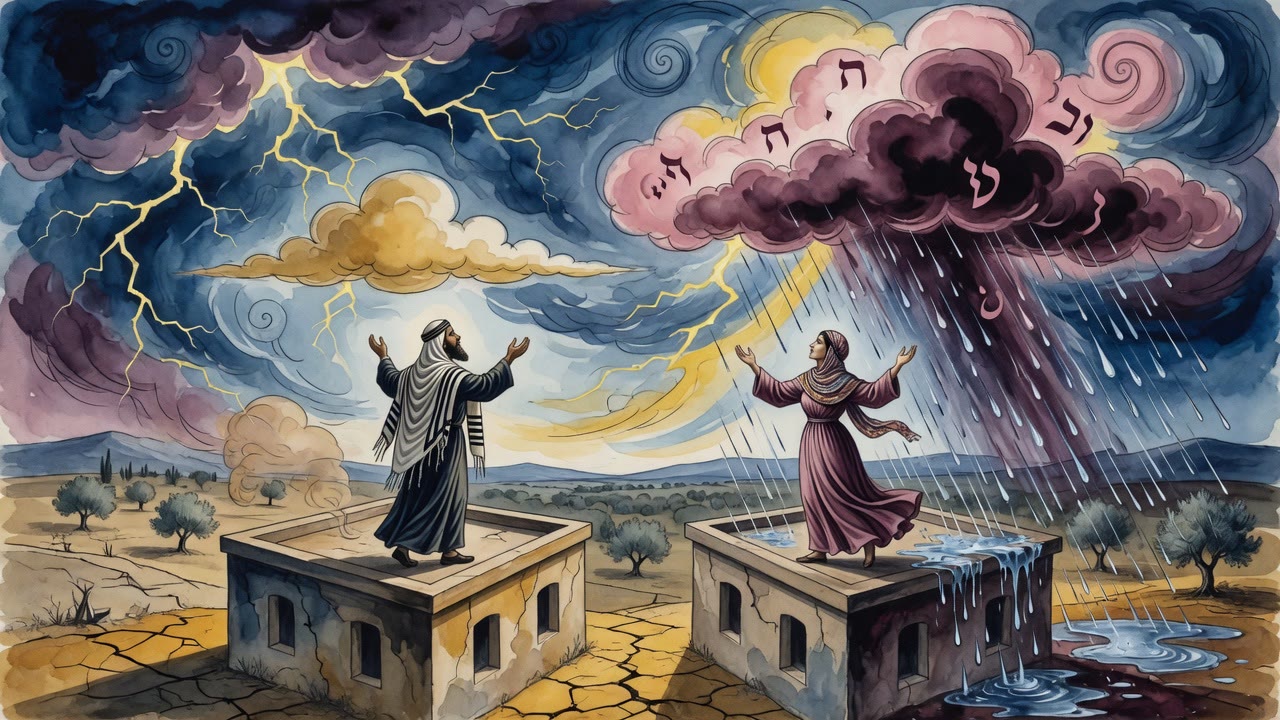
Shallum Gave Water at the Gate and His Wife Huldah Prophesied
Travelers arrived with dust in their throats. Shallum sat at the city gate with a full bottle. He was not selling anything.
Table of Contents
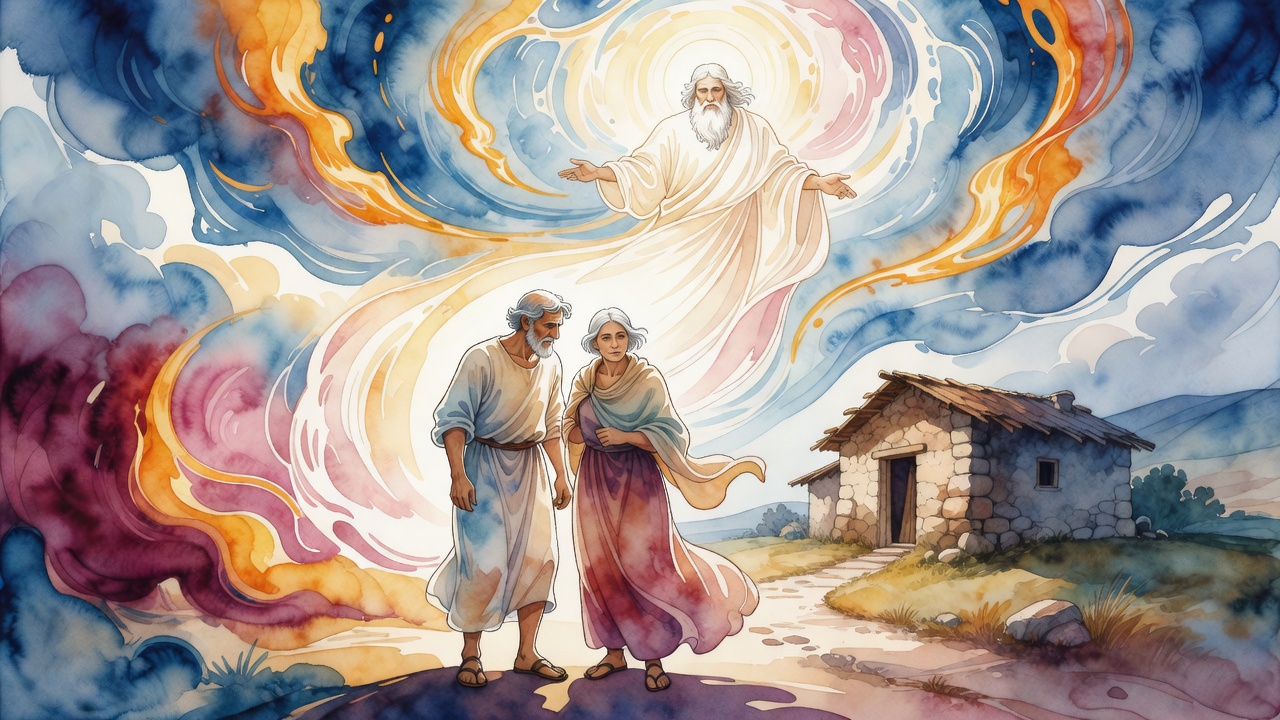
Shallum son of Tikvah filled a bottle until the neck ran wet. He walked to the city gate and sat where the road narrowed. Travelers came through with dust in their throats and no coin ready for a well.
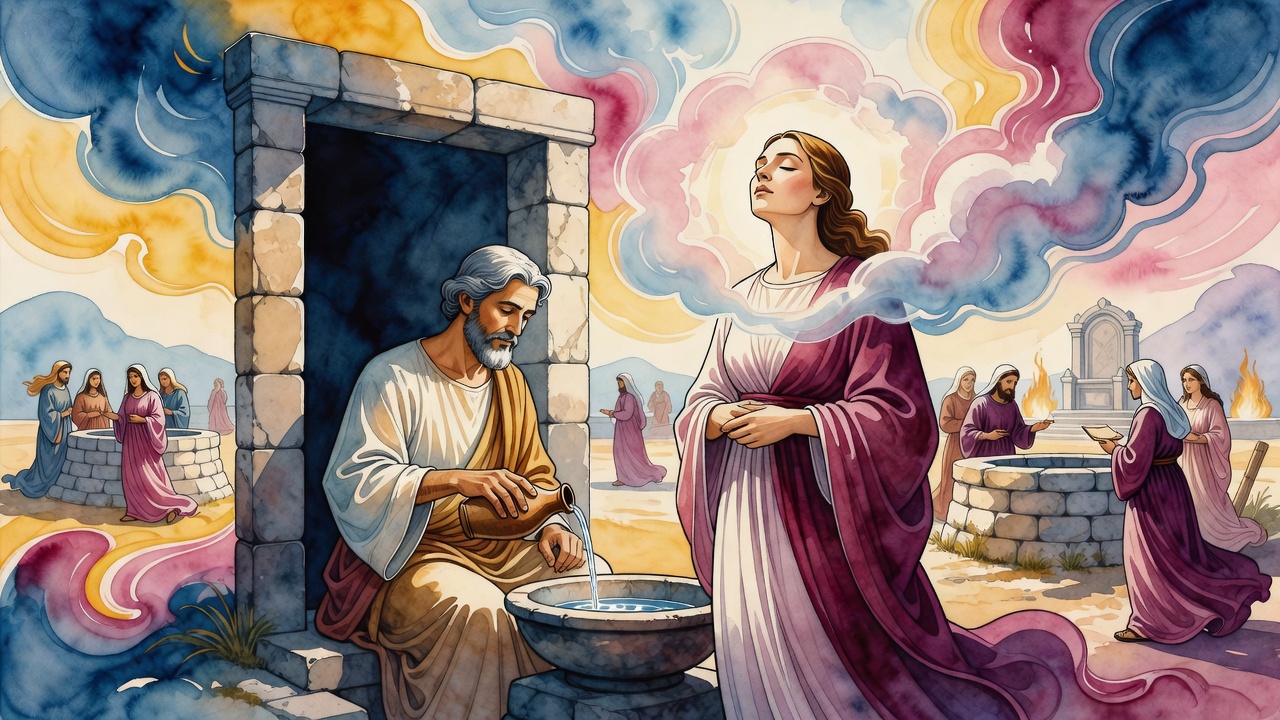 Click for full size
He was not a king. He was not a high priest. He was one of the important men of his generation, and this was how he used the hours. A man came through thirsty. Shallum held out the bottle. Rabbi Azariah said the drink restored a soul, not only a throat. Thirst was the surface. Under it a person had been coming apart.
Merchandise Was the Family Name
His father had been called Sachrah, a name tied to merchandise and profit. "Merchandise is better than the circulation of money," says the proverb of that root (Proverbs 3:14). The house could have bent toward gain. Shallum bent toward the gate.
He poured. He waited. He poured again. The city learned his face as the man with water, not as the man with a price. No stall stood nearer the threshold, and no stall asked less. Lineage of trade became a practice of gift, one bottle at a time, until strangers stopped bracing for a fee when they saw him.
The Spirit Settled on Huldah
Because of that steady charity, the Ruach HaKodesh (רוח הקודש), the holy spirit, rested upon his wife, Huldah. Years later, when the Book of the Law was found in the house of God in the days of Josiah, the king heard it and tore his clothes. He sent Hilkiah the priest to inquire of the Lord. Hilkiah did not go first to a palace favorite. He went to Huldah (2 Kings 22:14).
Messengers from the king stood in her house and waited on a woman's mouth. She did not ask them to find a male prophet. She did not soften the scroll. "Tell the man who sent you to me," she said. Disaster for the city that had lost its Torah. Mercy for the king who had wept. Prophecy had opened in a house that practiced thirst-relief. A bottle at the gate had become a word in a crisis.
They Threw Him onto Elisha's Bones
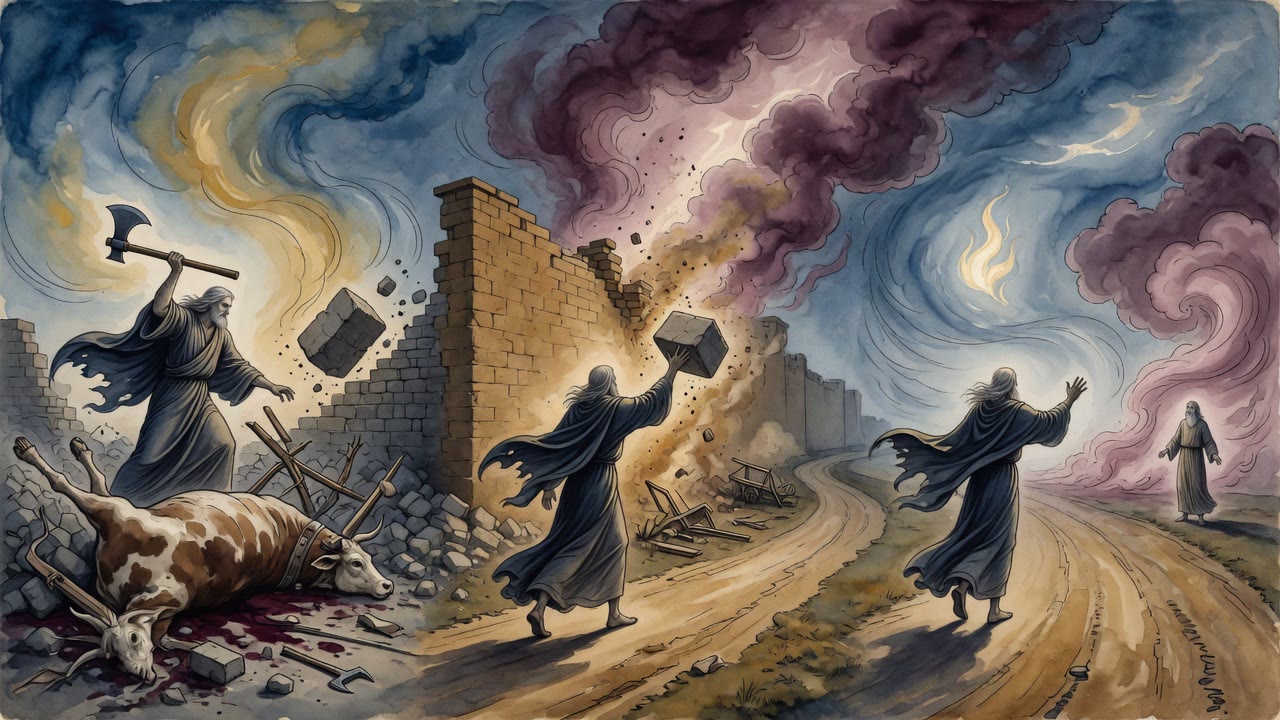
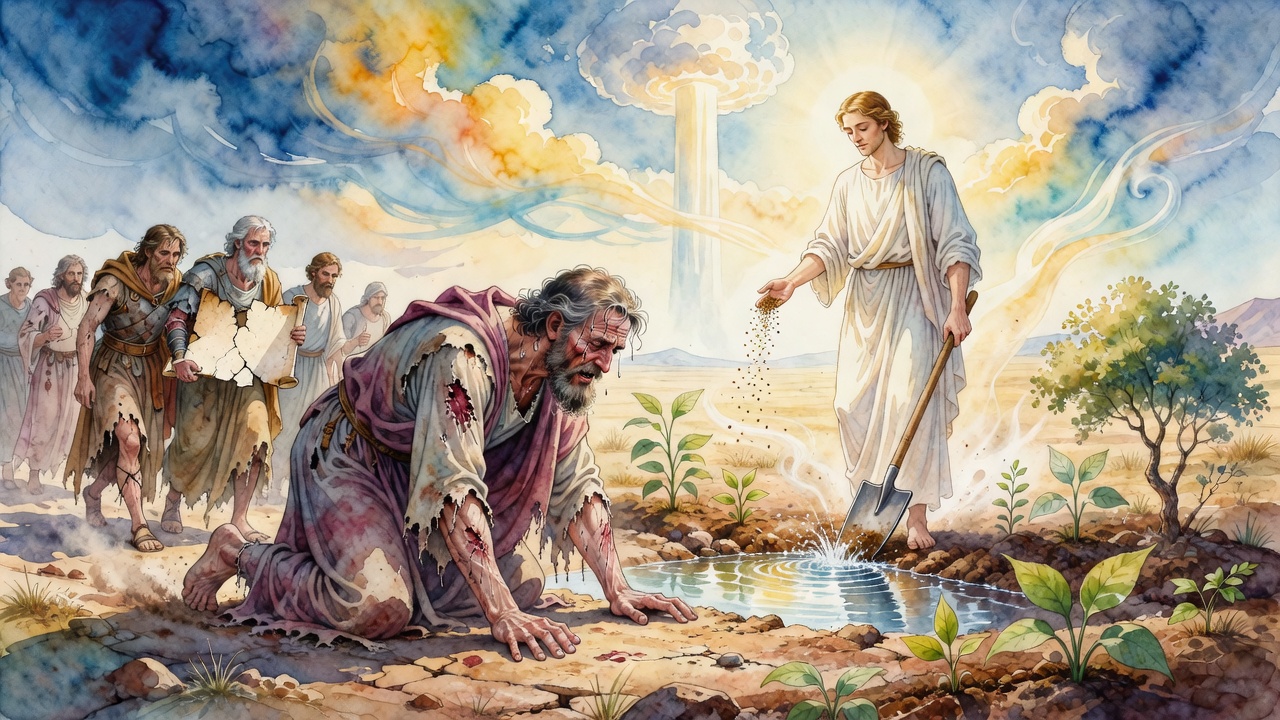
After Shallum died, the charitable deeds ceased, as living hands must. All Israel went out to show loving-kindness at his burial. Then they spied a raiding band on the road. In the scramble they cast the body into the sepulchre of Elisha.
The corpse touched the prophet's bones and stood up alive (2 Kings 13:21). Shallum returned to the living. Afterward he begat Chanameel, the kinsman Jeremiah named when he bought a field in a doomed season (Jeremiah 32:7). A man thrown away in panic left a son in the record of prophets. Kindness had not finished with him when the grave did.
Moses Found Daughters Before the City
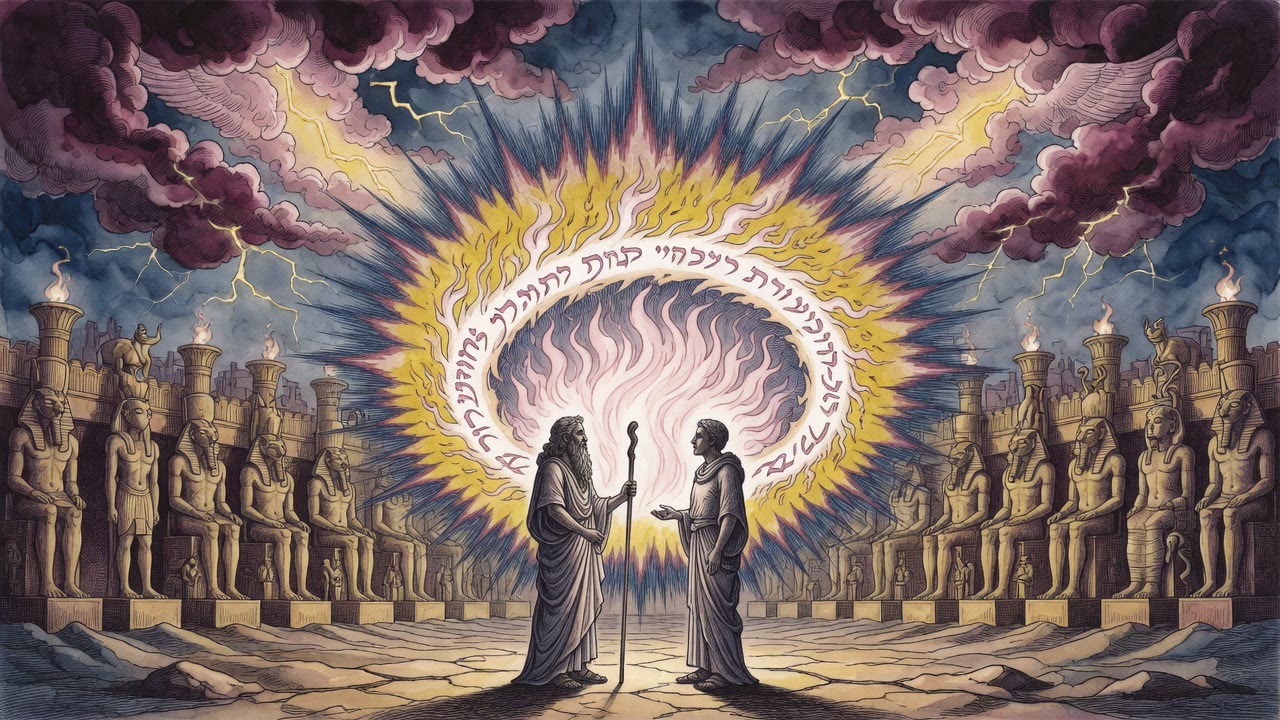
Gates are not the only edges. Before a life turns, a leader often meets women at the approach to a city, where ordinary need is the first test. Moses, not yet inside Midian, found the seven daughters of the priest coming out to the well (Exodus 2:16). Rough shepherds drove them off. Moses stood up, watered the flock, and sat down in a house that would keep him until Egypt called him back.
Saul, climbing toward a city he did not know, found young maidens going out (1 Samuel 9:11). They pointed him to the seer. Kingship followed that pointing finger. Jacob, before he entered the place of Laban, saw Rachel coming with the sheep (Genesis 29:6). The tribes began to gather around a well before he had a roof.
Shallum's gate and those wells were different hours of the same threshold. A bottle is not a throne. A well is not a coronation. Still, prophecy sat in a house that would not let a stranger collapse in dust, and redemption, kingship, and the house of the tribes brushed past water where women drew for flocks.
Travelers remembered the gate after they forgot the city's other stalls. When Huldah later spoke hard truth to a king's messengers, some still tasted that older kindness behind her authority. The man who poured water had opened a road for a prophet's mouth.
← All myths