Shebnah's Arrow and the Night Jerusalem Held
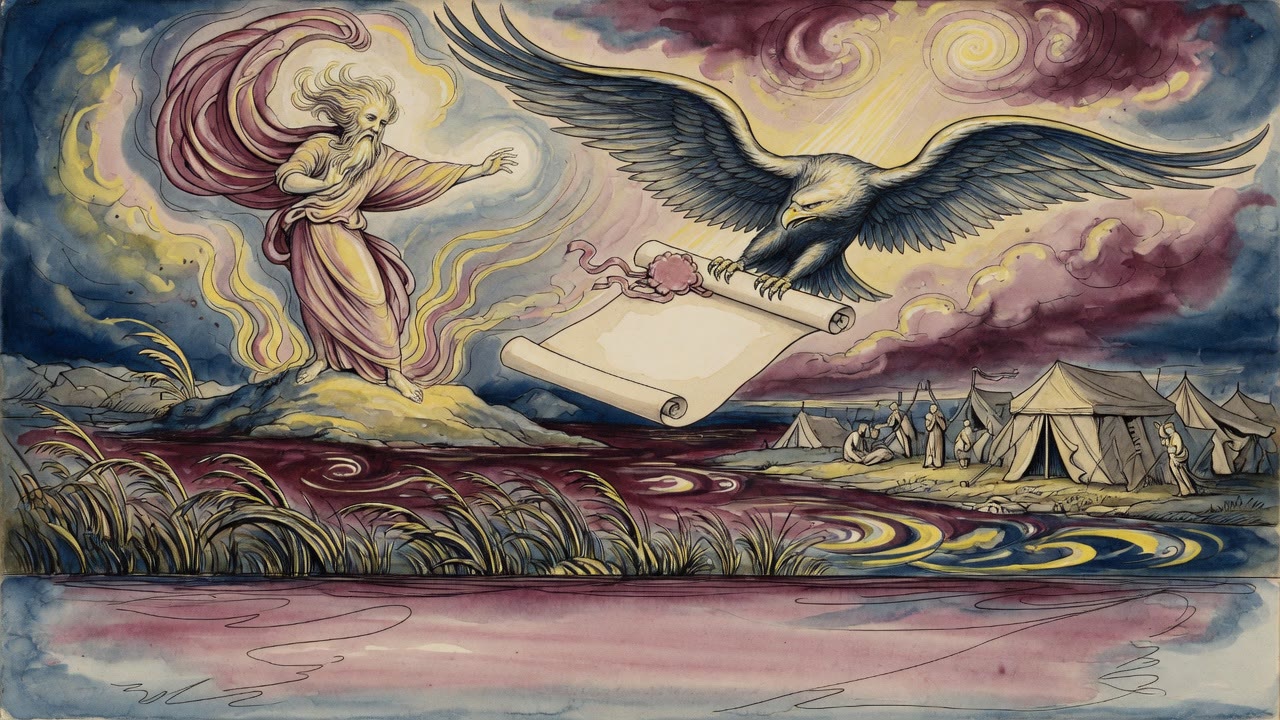
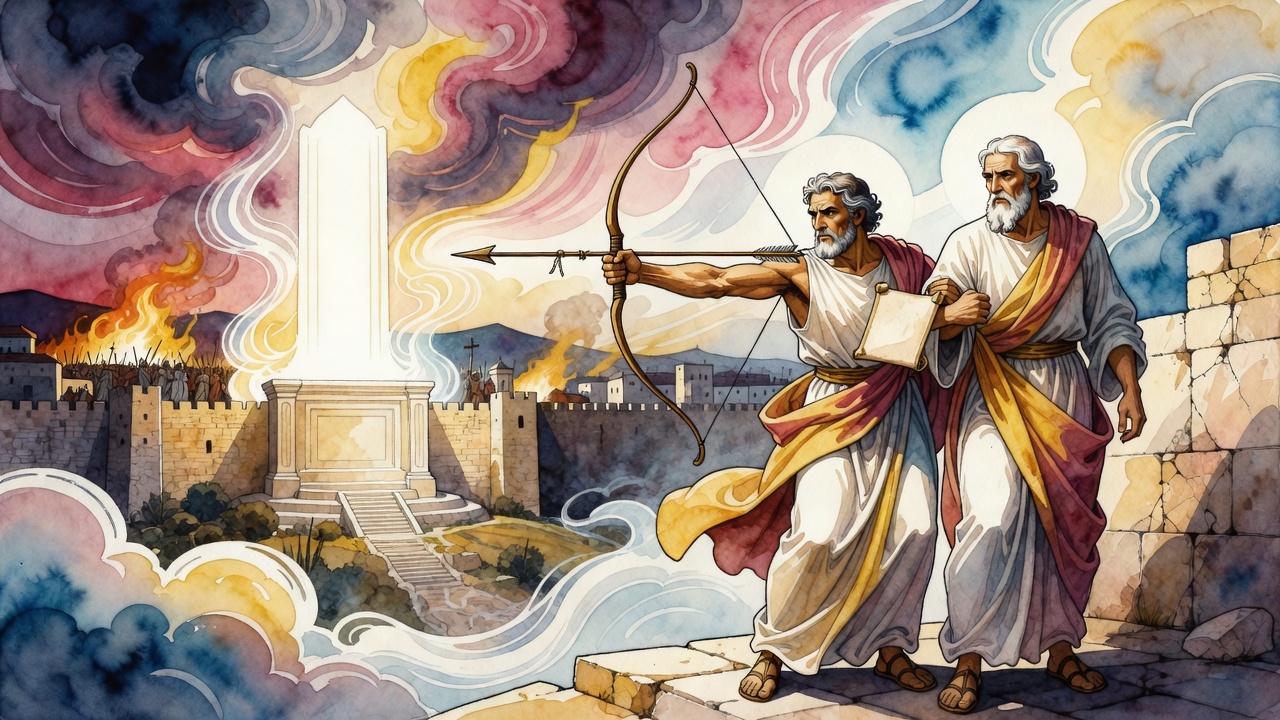
Shebnah had more students than the king. He tied a letter to an arrow and shot it toward the Assyrian fires at night.
Table of Contents
Shebnah did not open the gate. He opened a window.
 Click for full size
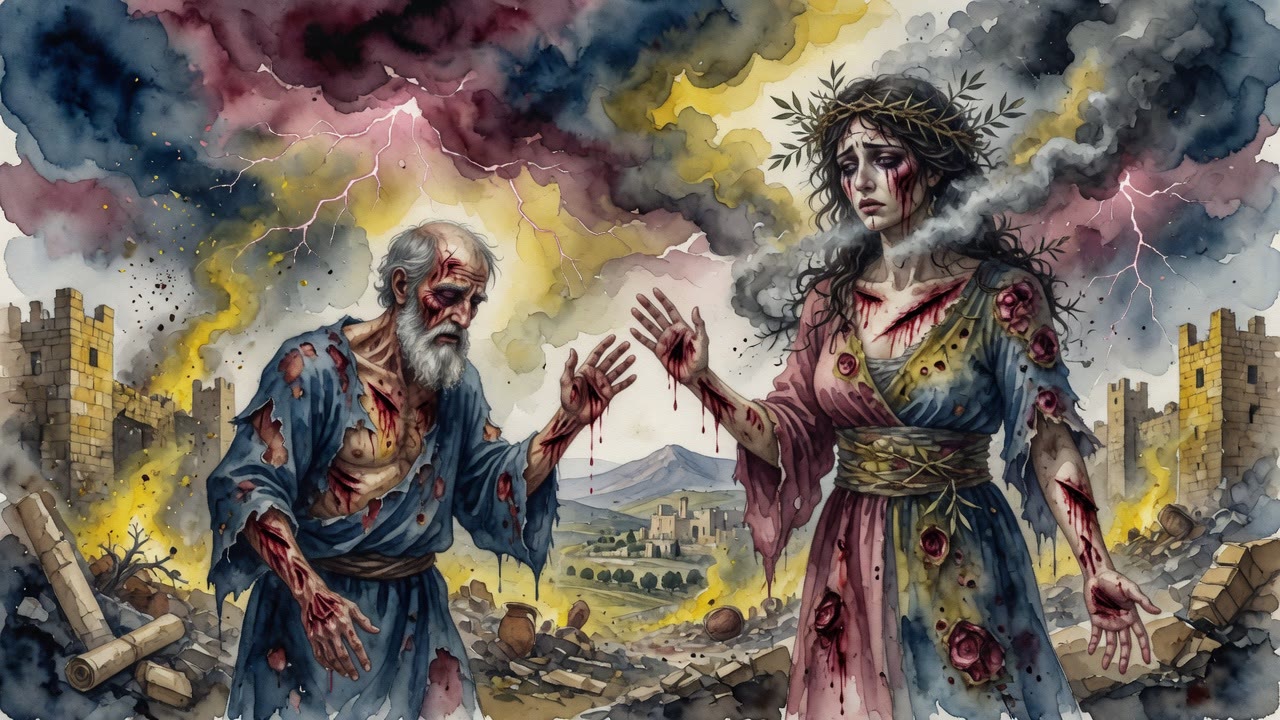
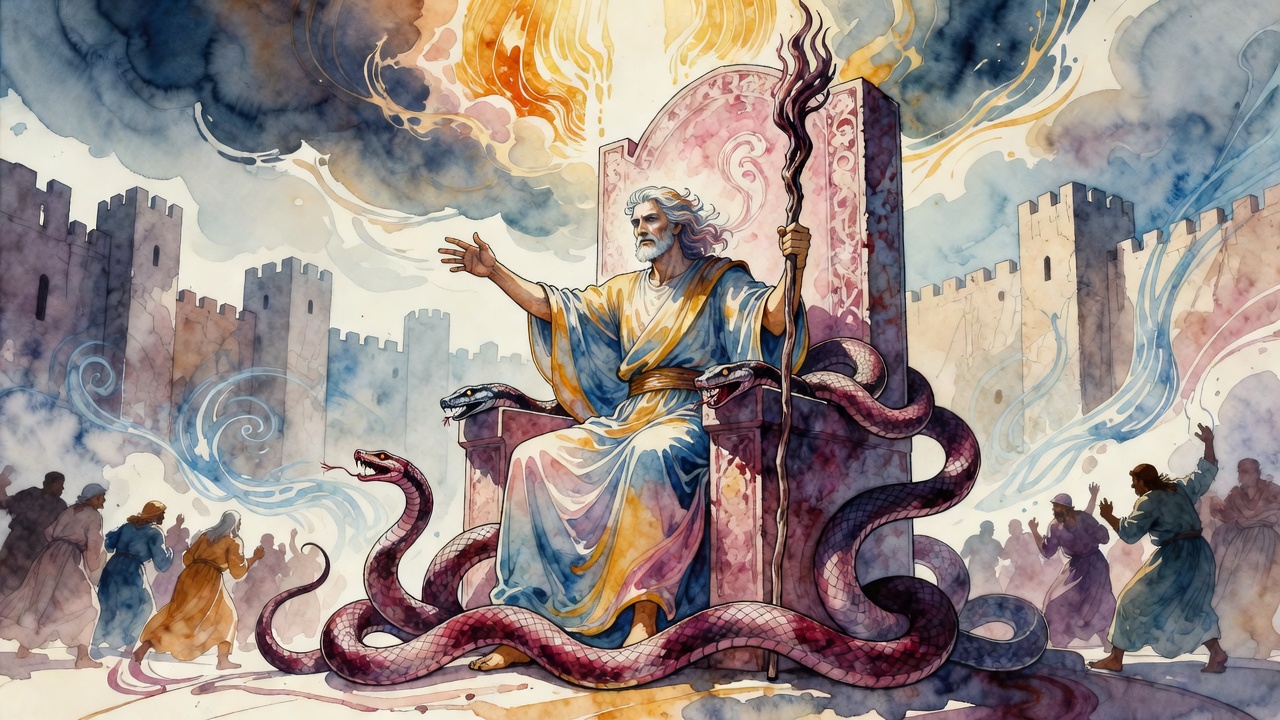
Outside Jerusalem, Sennacherib had gathered an army so vast that fear entered the city before a single soldier did. Inside the walls, Hezekiah still had a throne, and Isaiah still had a voice. Shebnah had something more dangerous than either one for that hour. He had a crowd.
The Letter Left by Arrow
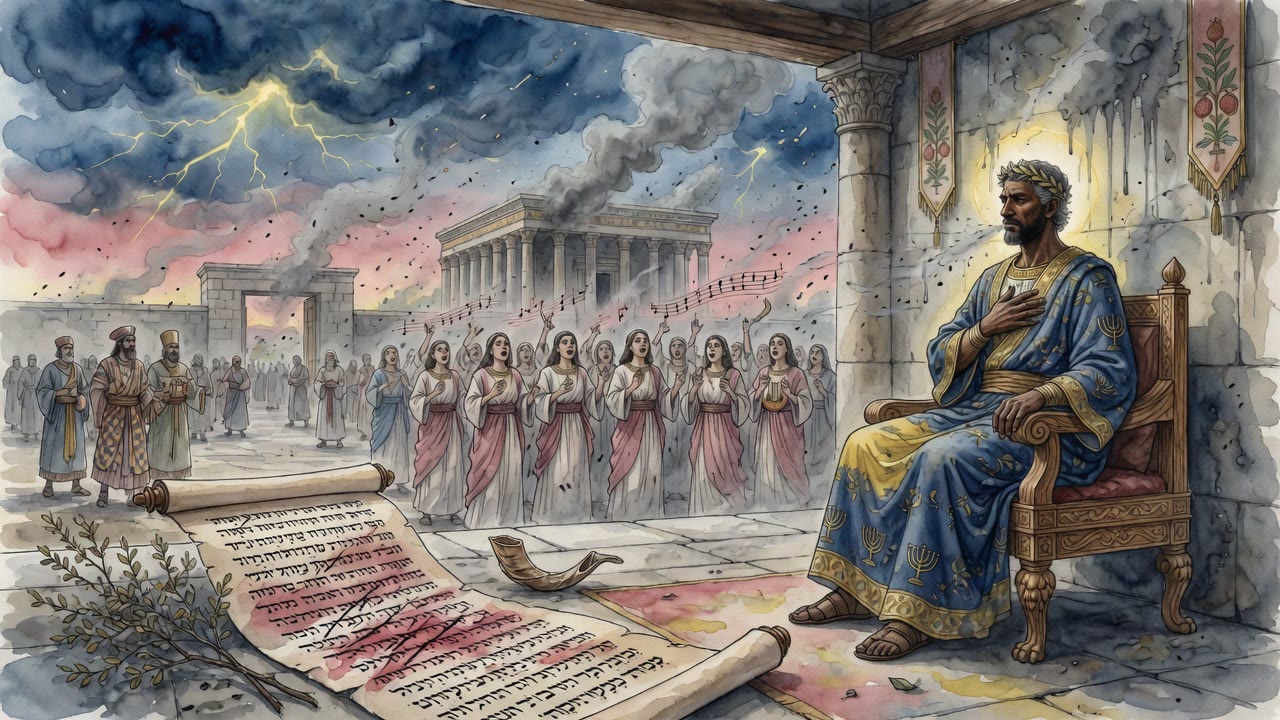
Shebnah stood at the top of the sacred order, a high priest with more followers in Jerusalem than the king. Joah stood with him. Their people wanted peace with Assyria. They did not want Hezekiah's courage. They did not want Isaiah's certainty. They wanted the empire outside the walls to know the city was split.
So Shebnah wrote.
He took the surrender he could not yet speak in the open and made it small enough to tie to an arrow. The message was smooth. All Israel wants peace with you. Hezekiah and Isaiah will not allow it. Do not blame the people for the stubbornness of two men.
Then the arrow left the window and cut through the dark toward the Assyrian camp. "For, behold, the wicked bend the bow, they have prepared their arrow upon the string" (Psalm 11:2).
Hezekiah Counted the Wrong Crowd
Shebnah taught twelve myriads, a hundred and twenty thousand. Hezekiah taught eleven myriads. When the siege closed, the king felt the arithmetic in his chest. If the majority surrendered, would God follow the majority too?
Hezekiah began to bend. Not because he had become wicked. Fear showed him hungry households and asked whether one more refusal was courage or vanity. It pointed to the enemy's campfires. It counted the allies slipping away.
A prophet came and would not let the word conspiracy stand. "Do not say conspiracy regarding all that this people call a conspiracy" (Isaiah 8:12). A conspiracy of the wicked is not counted. The larger school did not become the covenant's judge.
The arrow had named the two men who still held Jerusalem upright. It had also told Sennacherib exactly where the fracture ran.
Isaiah Would Not Let Him Yield
Without Isaiah, Hezekiah would have signed. The prophet stood where the king was weakening and refused to move. Peace bought by handing Jerusalem to Sennacherib was not peace. It was a city agreeing that God had no word left in it.
Hezekiah stayed. The throne remained heavier than fear. The crowd inside the walls did not pour through the gates. The calculation inside the arrow had to wait for morning to fail.
Gabriel Shut the Gate
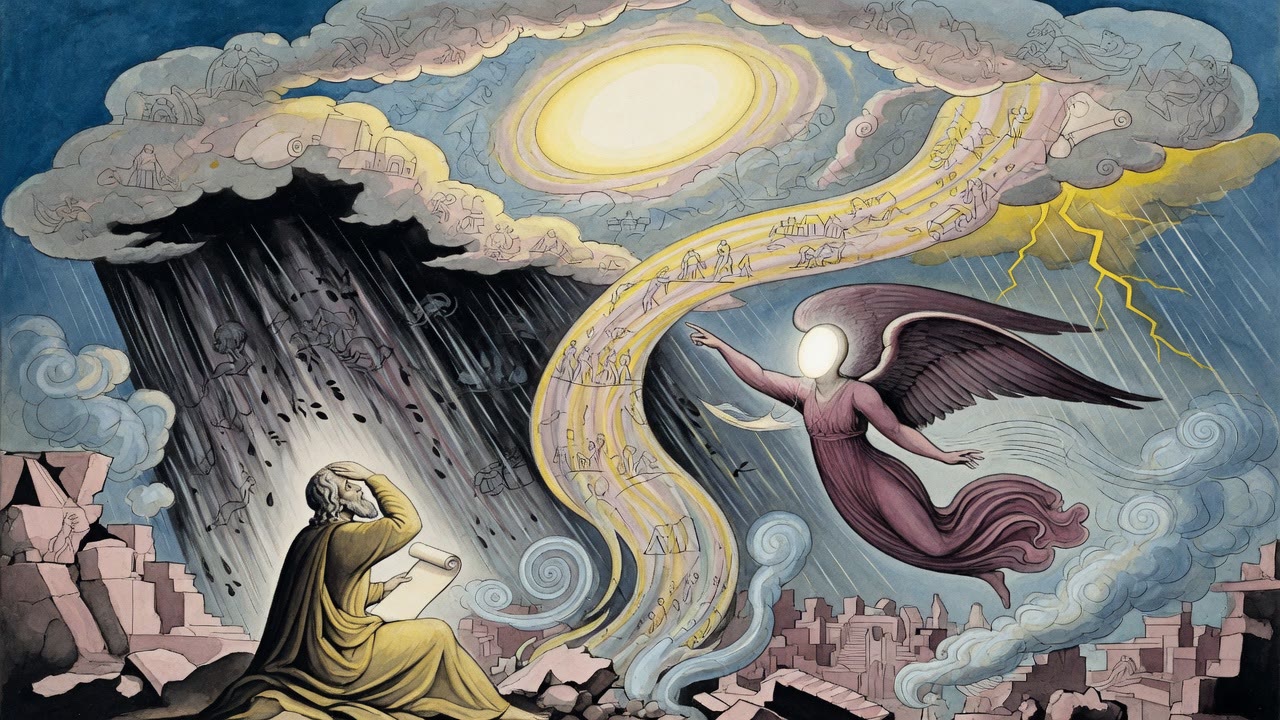
Shebnah did not wait for morning. He gathered his band and walked toward the gate to throw his lot in with Assyria. As he passed through, the angel Gabriel slammed the doors shut. Shebnah stood on one side. His followers stood on the other.
He arrived at the Assyrian camp eager to impress. Sennacherib asked about the sympathizers the letter had promised. Shebnah opened his mouth and had no retinue to show. They changed their minds, he stammered.
Sennacherib heard a promise with no men behind it. He asked where the retinue was. Shebnah said, "Return to me." They answered that if he called them back, his sister would laugh at the son. Then they bored holes through his heels, tied him to a horse's tail, and dragged him over thorns and thistles.
He had gone out to dig himself a grave in the tombs of the house of David. A prophet had asked what he was doing there. He had sought to raise himself and disgrace his master's house. His honor turned to disgrace, and the horse finished the sentence.
The Arrow Came Back Empty
By morning the camp outside the walls did not own Jerusalem. The letter had reached the enemy. It had not become the city's future. Isaiah's voice held against the noise of numbers. Those two men were not blocking Jerusalem from life. They were keeping its life from being sold.
Shebnah had fired his message into the dark. The dark answered him with a locked gate and a horse.
← All myths