Shimon Drew Steel While Terror Closed Cities
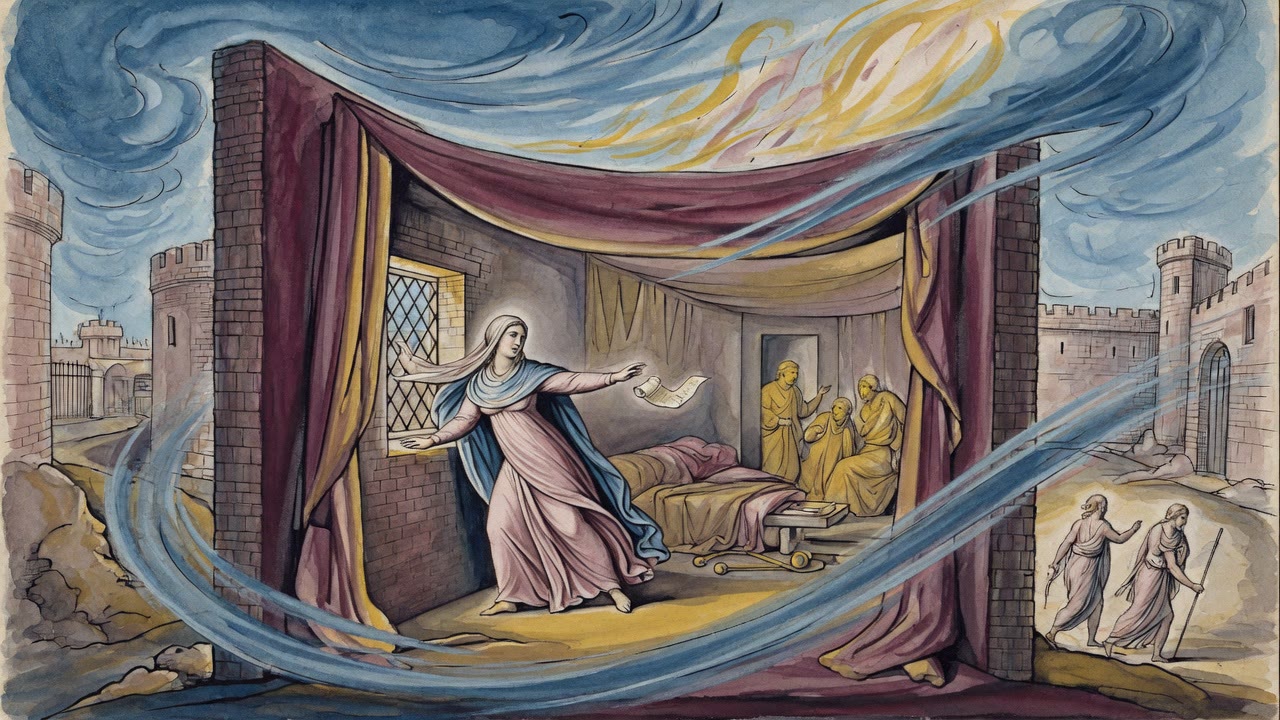
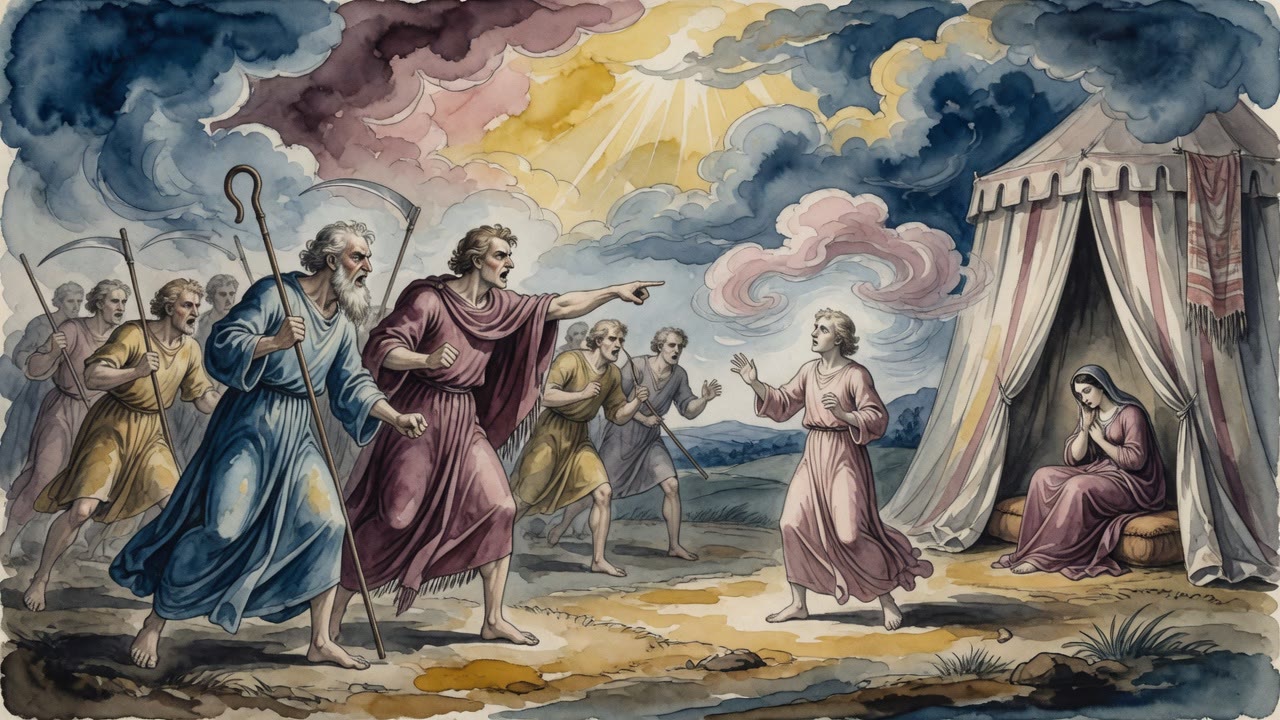
Dinah was still in the tent when her brothers went in with swords. The cities around them should have risen. The watchmen could not lift their horns.
Table of Contents
Shimon put his hand on the tent flap and did not look at Dinah.
 Click for full size
She was inside. Alive. Silent. He and Levi had already chosen the hour. The men of Shechem were still lying down from the circumcision, the third day, when a cut hurts most and a man cannot stand up fast. The brothers took their swords and went in (Genesis 34:25).
They Went In on the Third Day
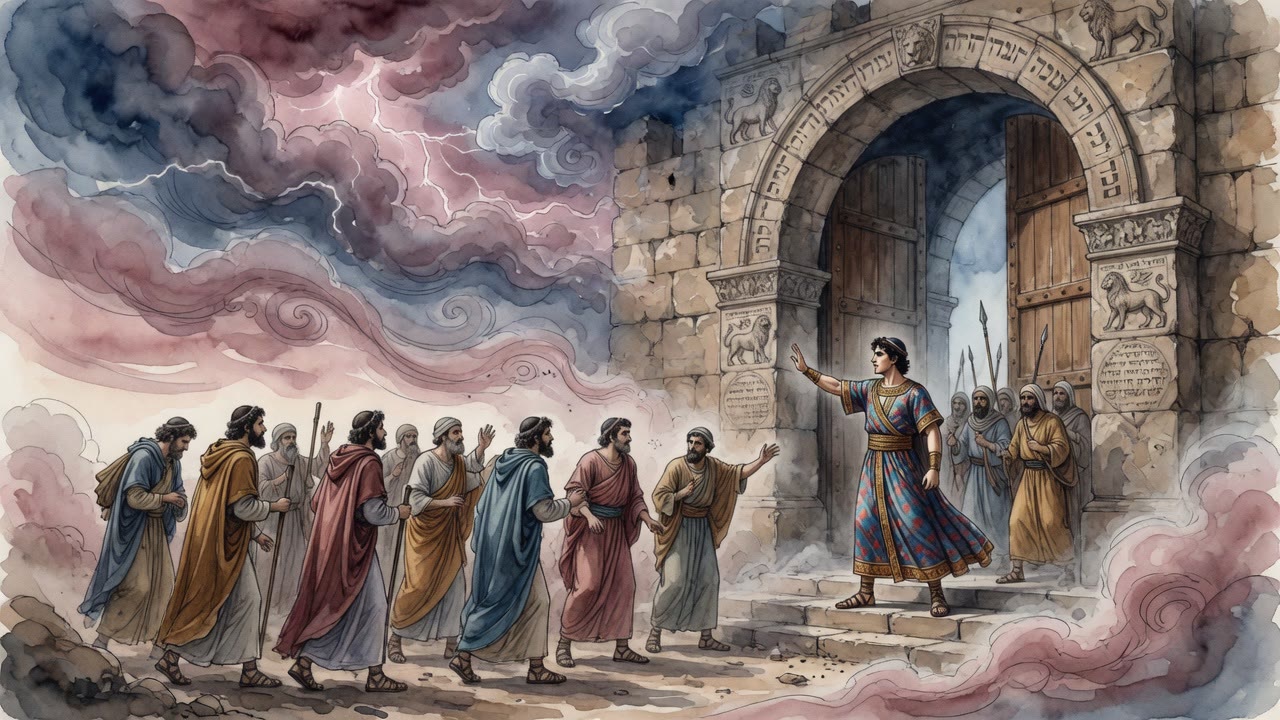
The city had agreed to the cut as a bride-price. Hamor and Shechem had sat in the gate and sold it to their men as a bargain: be circumcised, and their sister, their cattle, and their land would be one household. The men had lain down for it. On the third day Shimon and Levi walked the same street with blades.
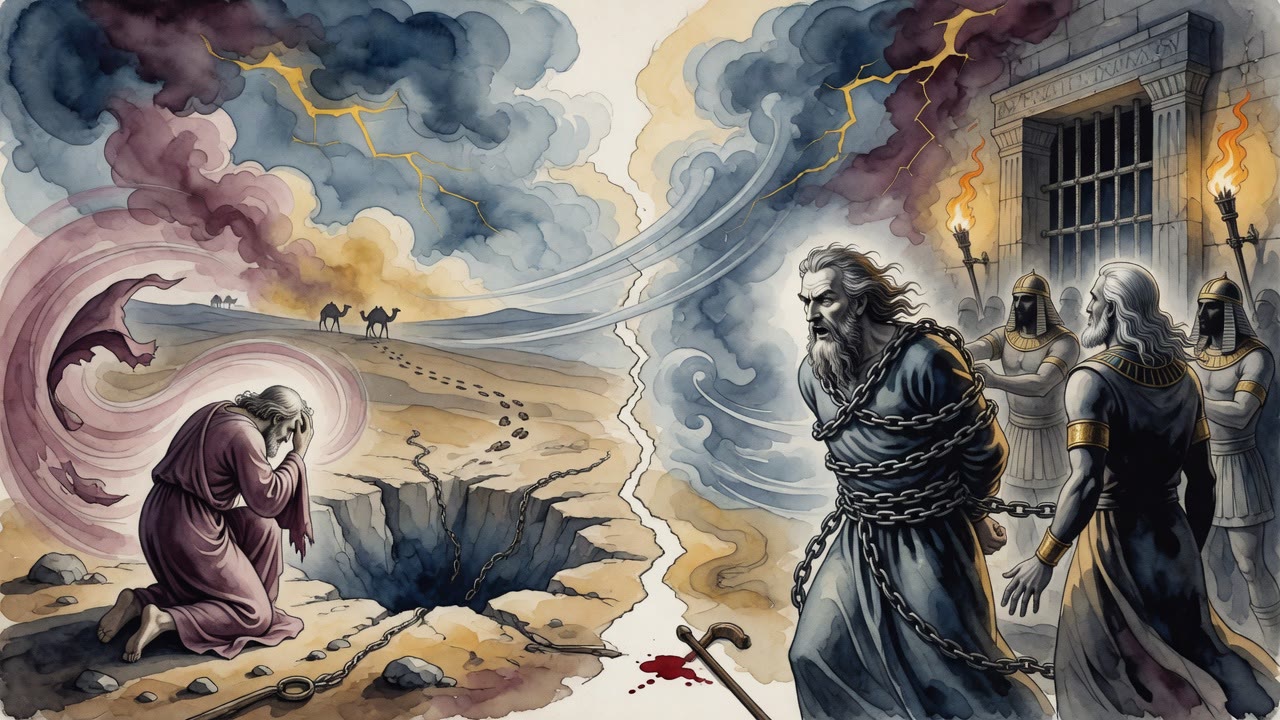
They did not wait for a court. There was no court in that gate that would have heard a sister. Blood answered blood. They struck the men who could not rise, and they took Dinah out of Shechem's house, and they left the city softer than they had found it, and much worse.
Dinah did not speak on the way back. Shimon did not ask her to. His hands had done the talking he knew how to do.
Jacob Smelled the Answer on His Sons
Jacob heard it before he saw the swords. He smelled it. He rebuked them in the tent, not in the street. "You have made me stink among the inhabitants of the land," he said. "The Canaanites. The Perizzites. I am few. They will gather and strike me, and I will be destroyed, I and my house."
Shimon wiped the blade on a cloth and did not argue the arithmetic. Levi looked at the ground. They had saved a sister and broken a father's diplomacy in the same hour. Both facts sat in the tent with them. Jacob packed the camp anyway. The road still had to be walked.
Dinah went into a tent and the flap fell. Jacob limped to the head of the line. The sons who had done the work walked near the rear, where a pursuer would arrive first.
The Watchman Could Not Lift His Horn
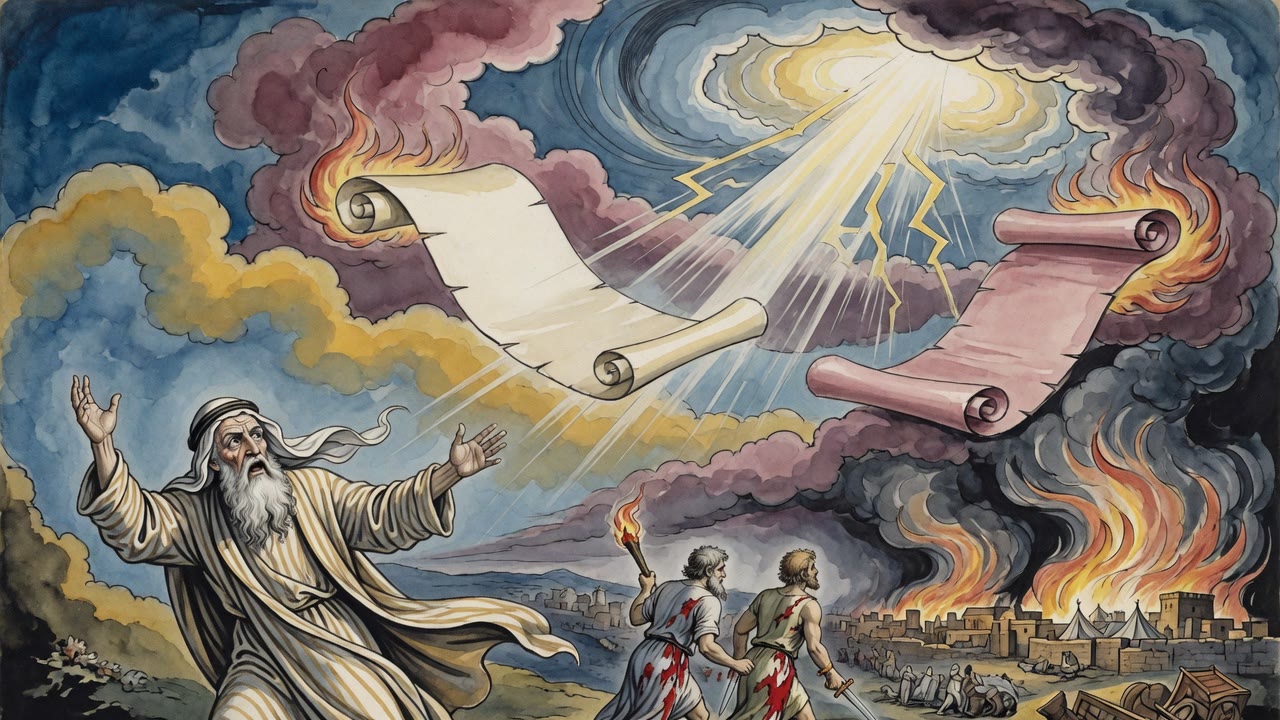
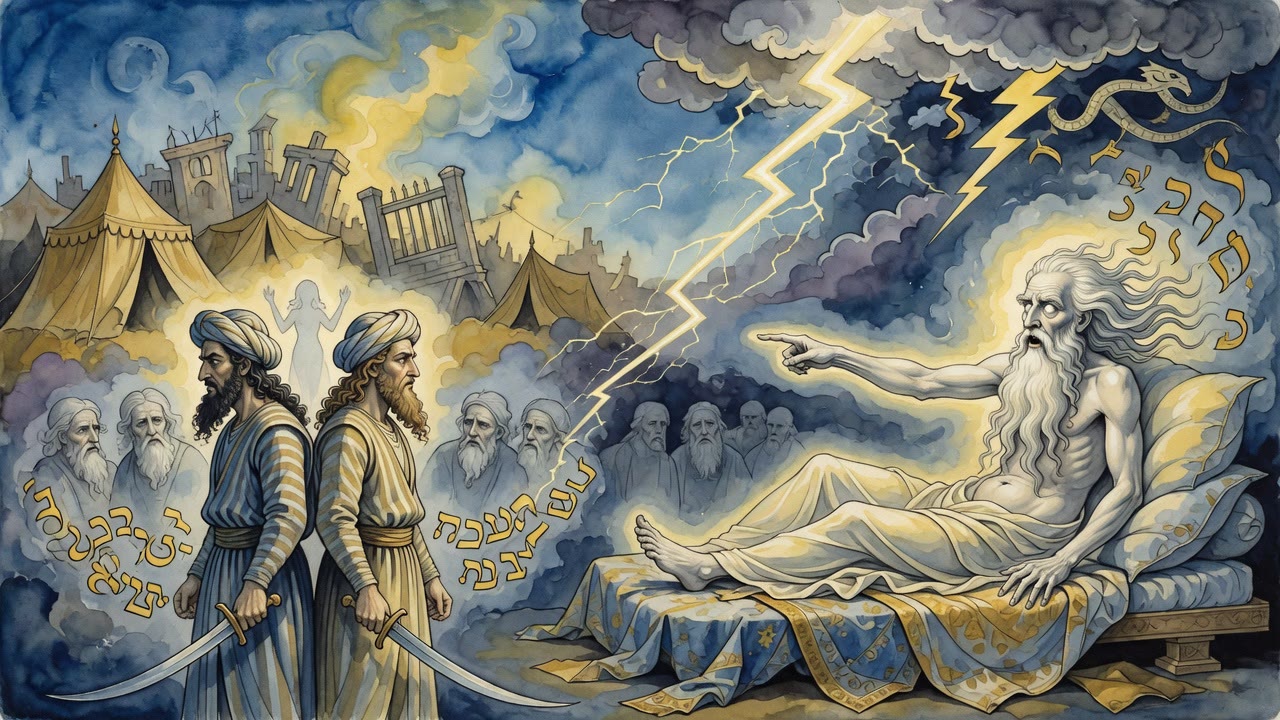
When they journeyed, terror of God fell on the cities around them, and the peoples did not pursue (Genesis 35:5). Steel had opened Shechem. Something quieter closed the roads behind the family.
In a town they passed at dawn a watchman started to lift a horn and found his lungs empty of signal. He told himself it was morning air. It was not. Men stood in doorways and could not step down into the dust. Dogs did not bark. Pursuers who might have gathered thought of the brothers and felt their knees fail.
"You shall be a help against his foes," the old blessing would later say, sitting beside the hands that fought. Shimon's courage alone does not move a country of cities off a road. The terror does. A small camp walked through hostile country without becoming a second grave.
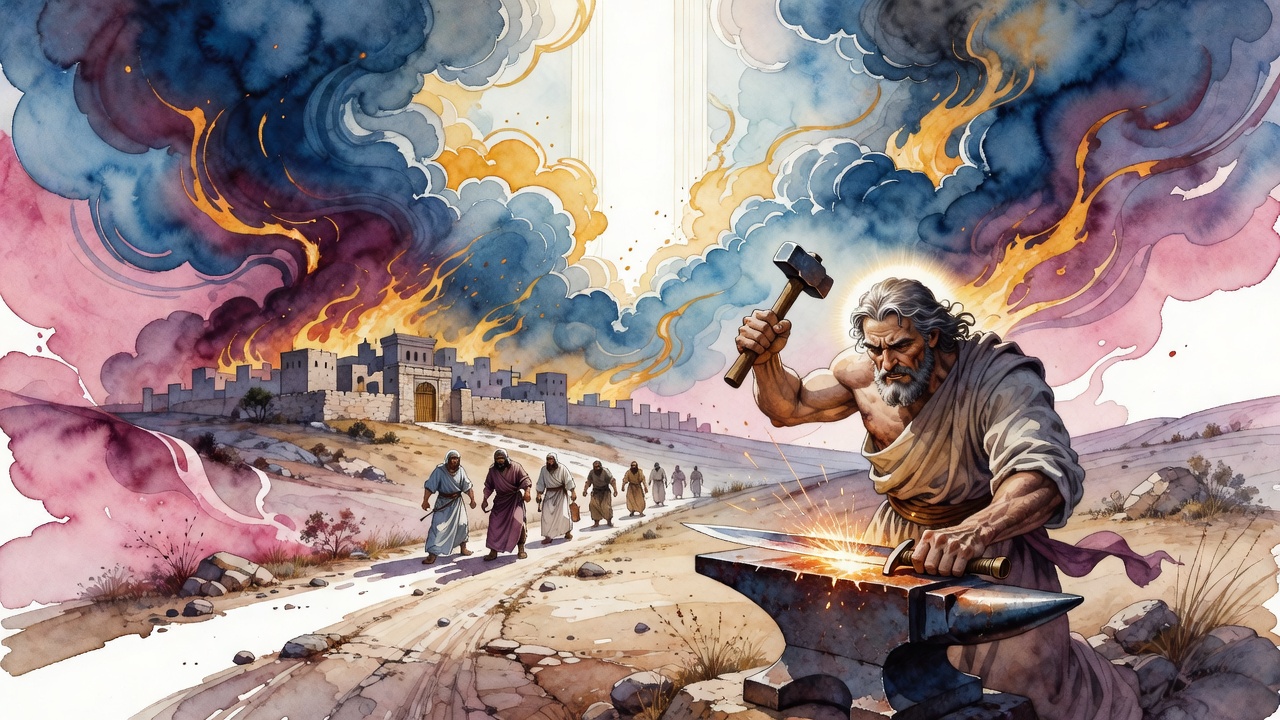
Night on the road. Campfires low. Jacob awake. Shimon oiled a blade he might not need in the morning, because terror was doing the work steel had begun. Dinah inside a tent, alive, silent. The family moved because two brothers had refused to treat their sister as a cost of doing business with a city, and because God held the knees of everyone who might have come after them.
Levi Wiped the Blade and Did Not Look Up
Levi wiped his sword and did not look at his father. The same hands that had held steel would be asked, later, to hold service. That was not a clean erasure. It was a long bending of a house.
The tribe of Levi was not sent with the twelve spies. Moses took one man from a tribe, twelve men, the finest, and Levi was not in that count. If they had been, it would have been thirteen. They had a different road. High ground is for scouts. Levi's ground would be the Tent, the vessels, the work that does not leave the camp to spy out a country.
A young Levite generations later, polishing a basin in the Tent, would not always remember Shechem. The basin would be cold in his hands. The work would be the work. Zeal that had once opened a city would be apprenticed, slowly, to a Name that also demanded washing, carrying, and standing still.
Aaron Wore Stones Instead of Steel
Years on, Aaron put on the breastplate. Urim and tumim (אורים ותומים), lights and perfections, sat against his chest, tools of asking, given to the man of lovingkindness. He had practiced hesed with Israel's children. He had been proved at Massah and found complete in many trials. He had also been caught with Moses at the waters of contention, when a rock was struck that should have been spoken to, and the Land closed against both of them.
Kindness and battle sat in one family ledger. They did not cancel each other. Moses, at the end of his life, named Shimon's hands that did battle, and named the terror that helped against foes, and named Aaron's breastplate in the same stream of blessing. Some would forget that Levi's house once specialized in a different flash. The stones on Aaron's chest lit when a question was brought. They did not light because Shechem had been gentle. They lit because zeal had been given a second job.
Dinah's silence remained the reason the second job was ever required. Shimon oiled nothing in that later hour. The blade was a memory. The terror on the cities had done its work and gone. What remained was a camp that had gotten out, and a sister who had been taken back, and a father who had been right to be afraid, and sons who had been right not to wait.
← All myths