Simeon and Levi Would Not Call Dinah a Harlot
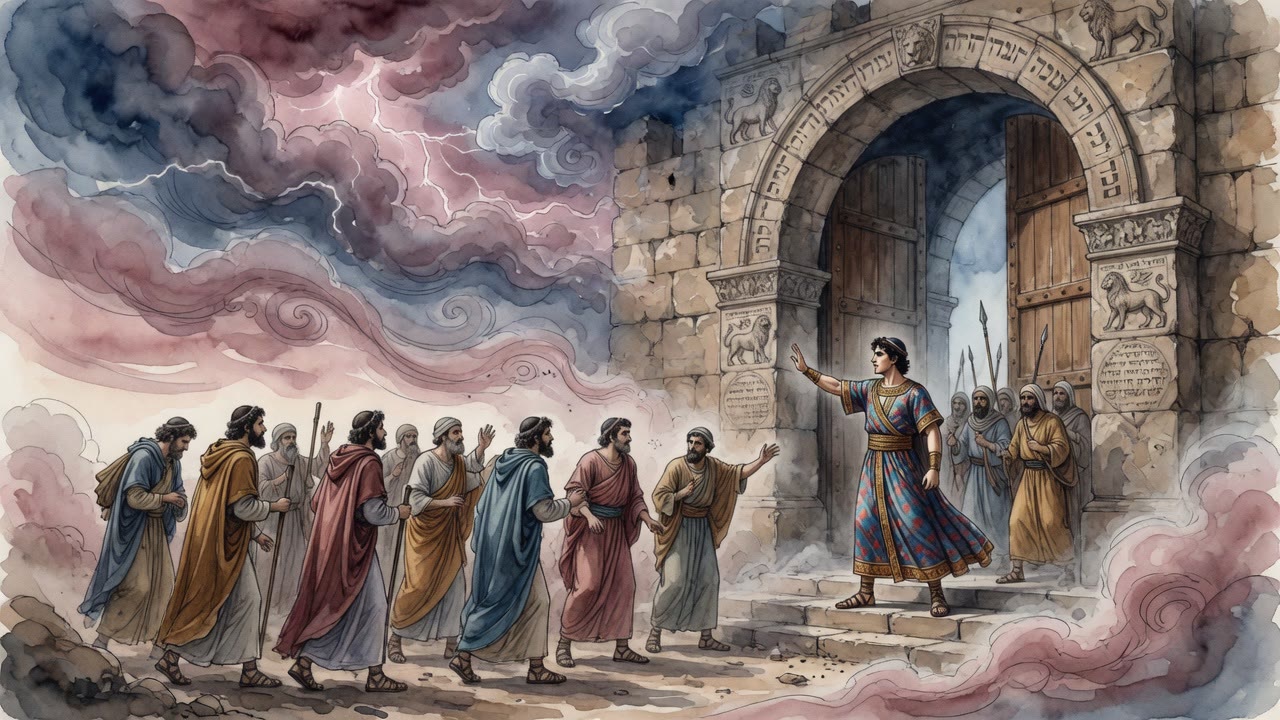
The brothers came in from the field with tools still in hand. Jacob counted tents. They would not let one word settle on Dinah.
Table of Contents
 Click for full size
They Came Up From the Field
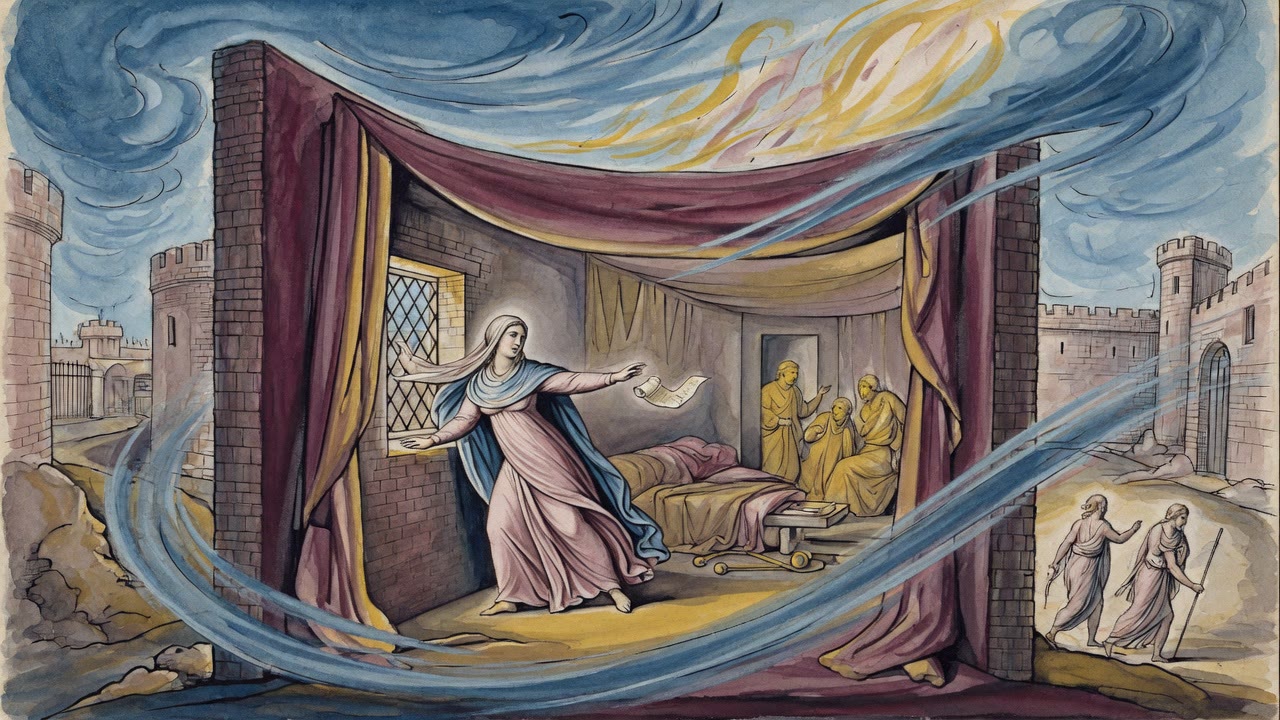
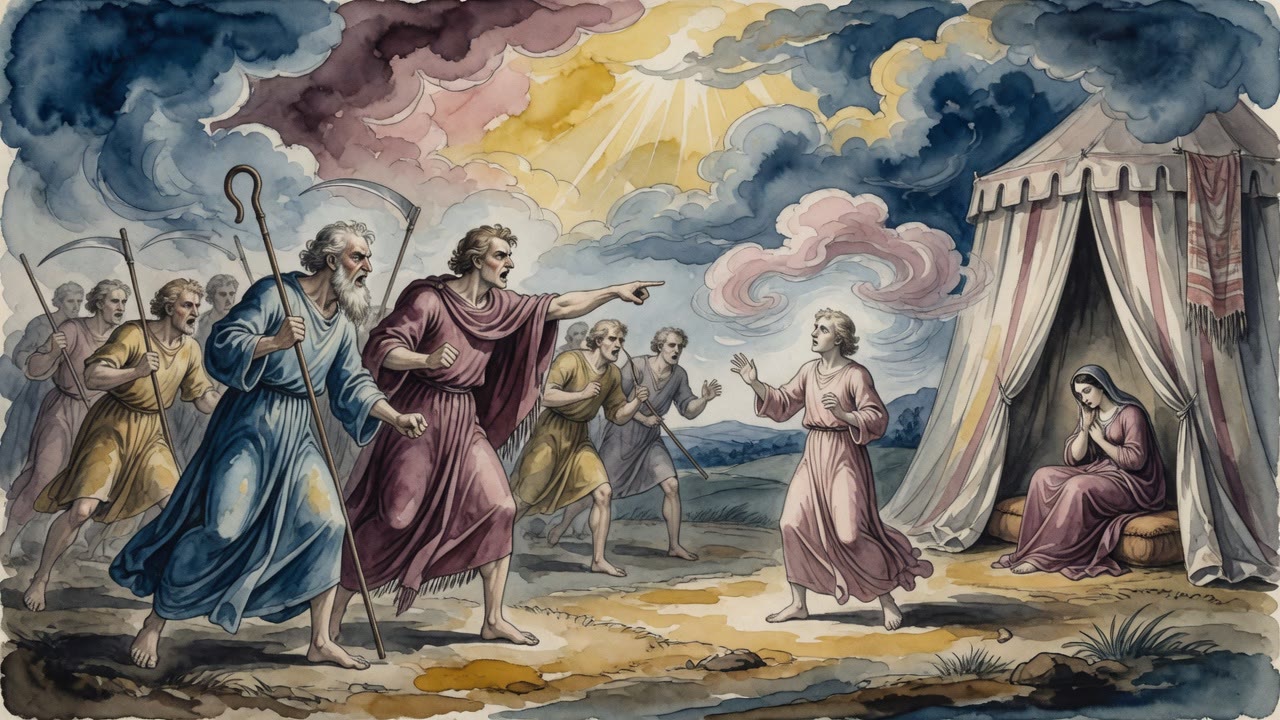
The sons of Jacob came up from the field when they heard. Dirt still clung to their ankles. The news about Dinah met them before they had washed. The men were indignant and very violently moved, because Shechem had wrought dishonor in Israel by lying with the daughter of Jacob. It was not right to have been done.
Field tools stayed in their hands. Ordinary labor ended in the middle of a day. Dishonor had a location. It had a body. It had their sister's name on it.
They did not ask first what the neighbors would think of a small clan. They asked what the act had already said about Israel. A disgrace done in Israel. Nevalah (נבלה), a degrading wrong, not a private insult you could bury in a family talk.
The City Offered Cattle and a Wedding
Shechem and Hamor spoke of marriage, trade, and intermarriage as if silver and cattle could turn a seizure into a wedding. Circumcision became a door the brothers held open with their teeth clenched. The city walked through that door trusting the bargain.
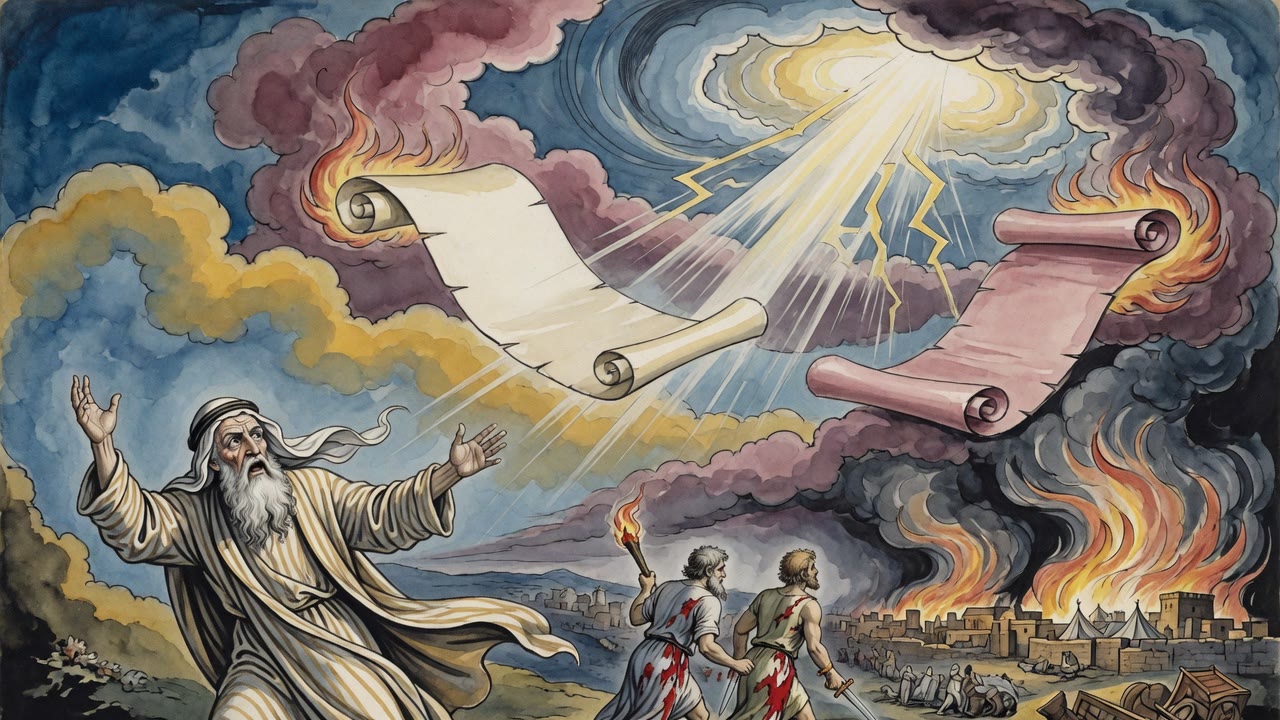
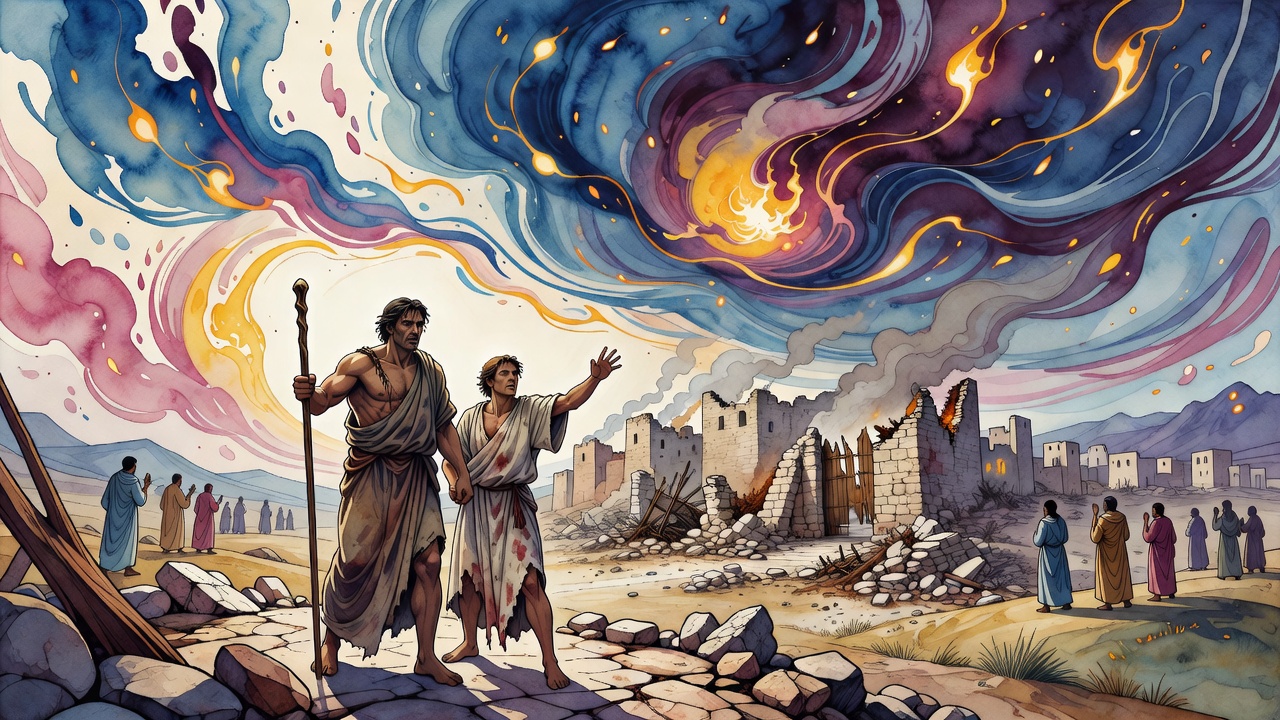
On the third day, when the men of Shechem were weak, Simeon and Levi took up the sword. What followed was slaughter and rescue. Dinah was brought out of the house that had held her. The brothers called it justice. The streets of Shechem called it the end of their world.
Hamor's talk of one people and one land lay in the dust with the men who had believed it. The brothers did not stay to argue the point. They took their sister and left a city that would not rise in the morning.
Jacob Counted Enemies
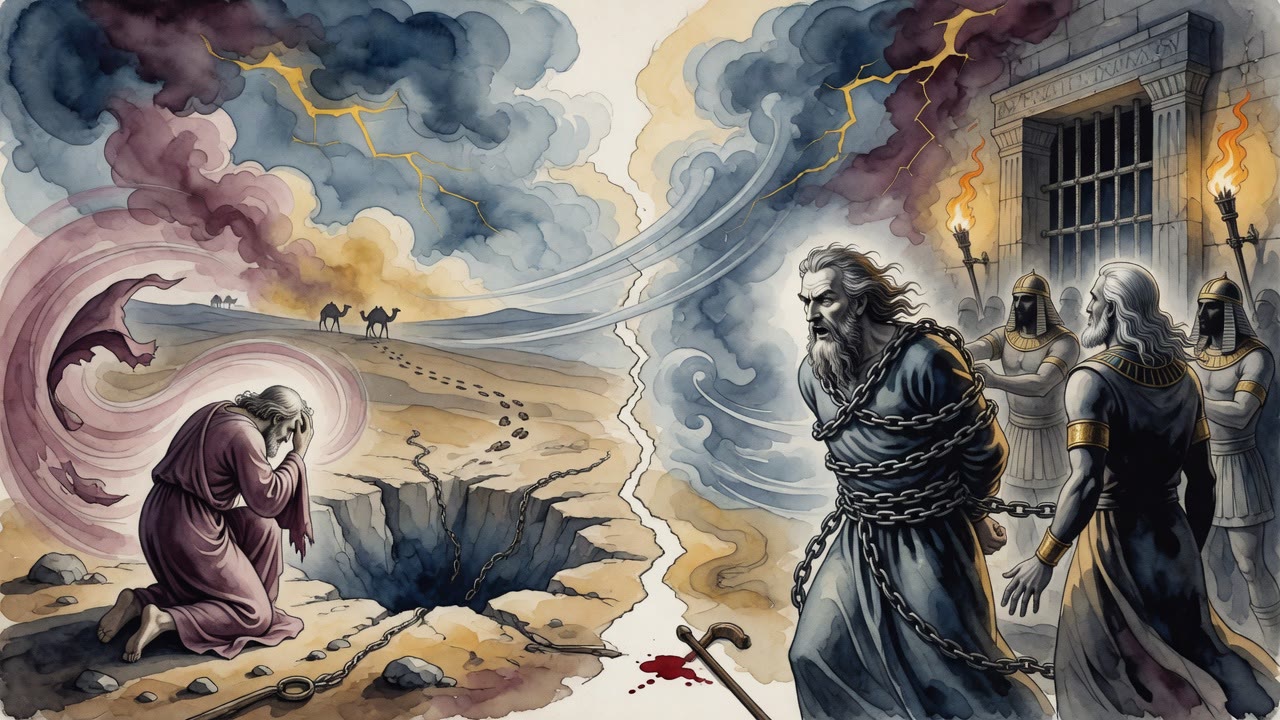
Jacob turned on Simeon and Levi with a different arithmetic. "You have made my name to go forth as evil among the inhabitants of the land, among the Kenaanites and Phezerites. And I am a people of small number, and they will gather together against me, and destroy me and the men of my house."
He saw coalitions. He saw a family erased for one city's revenge. Survival, in his mouth, outranked the satisfaction of the sword. The rebuke was not soft. It named reputation as a weapon enemies could pick up. A small people cannot afford to be famous only for blood.
He did not say they were wrong to avenge their sister. He did not say they should not have killed. He said the name stank. He said they were few. He said the land would wipe them out.
The Word They Refused
Simeon and Levi did not apologize with strategy. They answered with a speech longer than a shrug.
"It would not have been fit to be said in the congregations of Israel that the uncircumcised polluted the virgin, and the worshippers of idols debased the daughter of Jacob. But it is fit that it should be said, The uncircumcised were slain on account of the virgin, and the worshippers of idols on account of the daughter of Jacob. Shechem bar Hamor will not now deride us with his words. For as a whorish woman and an outcast who has no avenger would he have made our sister, if we had not done this thing."
They refused a future in which Dinah's name could be sold as a market transaction, a girl used and then priced into marriage by the user. Jacob heard danger. They heard desecration. Both hearings were real. Neither hearing cancelled the other.
The Camp Packed Under a Cloud
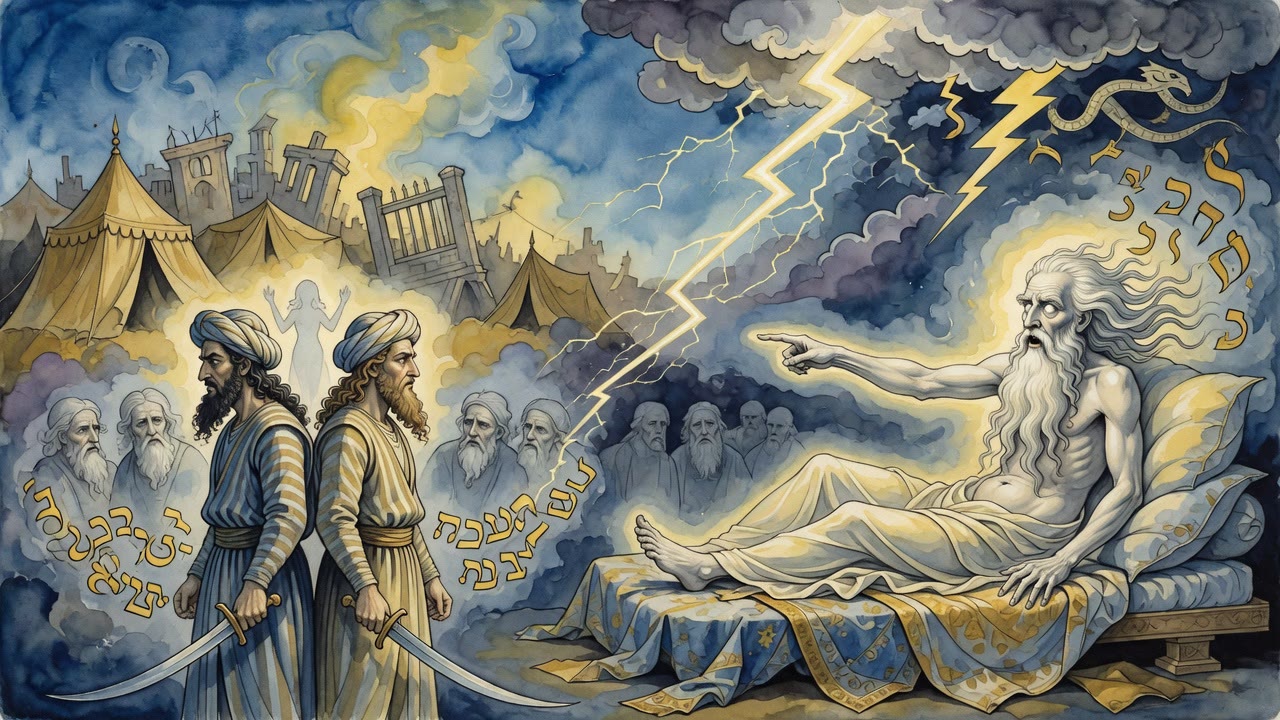
The camp packed under a cloud. God would yet send a terror on the surrounding cities so that pursuit failed, but the argument inside the family did not vanish. Years later Jacob would still remember Simeon and Levi as brothers of violence when he blessed them from a deathbed. The field-rage of that day became a permanent line in the tribal record.
Dinah herself stayed nearly silent in the aftermath. Brothers spoke. Father spoke. A city died. Her name became the reason and the wound without a long speech of her own. If she would not narrate the dishonor, they would at least forbid the worst public name for it.
Harlot was the title they would not allow the nations to write over their sister. Jacob would not pretend that swords have no consequences for a people who can still be counted on two hands of tents. Between those two refusals the wound stayed open. Terror from God would shield the camp on the road away from Shechem. Heaven could protect a family without blessing every sword stroke inside it.
The sons came in from the field with violence already rising. The father counted enemies. The sister's name hung between them, and the word they refused sat in the air like a blade that had not been sheathed.
← All myths