Two Sons Emptied Shechem While Nations Watched
Simeon and Levi emptied a whole city after Dinah's shame, and surrounding nations whispered that if two sons could do this, twelve would end the world.
Table of Contents
 Click for full size
The City That Preyened on Strangers
Shechem was not an innocent town surprised by one crime. The legends say its people had long preyed on outsiders. They had troubled Abraham's flocks when he was only a stranger passing through, pressing pregnant animals and testing how far a sojourner could be pushed. They had aimed the same hunger at Sarah and Rebekah that later fell on Dinah, until God blocked their hands. When Shechem son of Hamor took Dinah, the city was finishing a pattern, not inventing one.
Jacob had arrived late on a Friday with dust on his clothes and Sabbath almost on the horizon. Before he opened for comfort, he drew boundaries so no one in his camp would stumble into forbidden work after sunset. He bought land with lambs, yearlings, and silver. He opened a market that undercut local prices, blessing the place that had received him with cheap goods. He meant to live there as a guest who became a neighbor. The city answered hospitality with violation of his daughter.
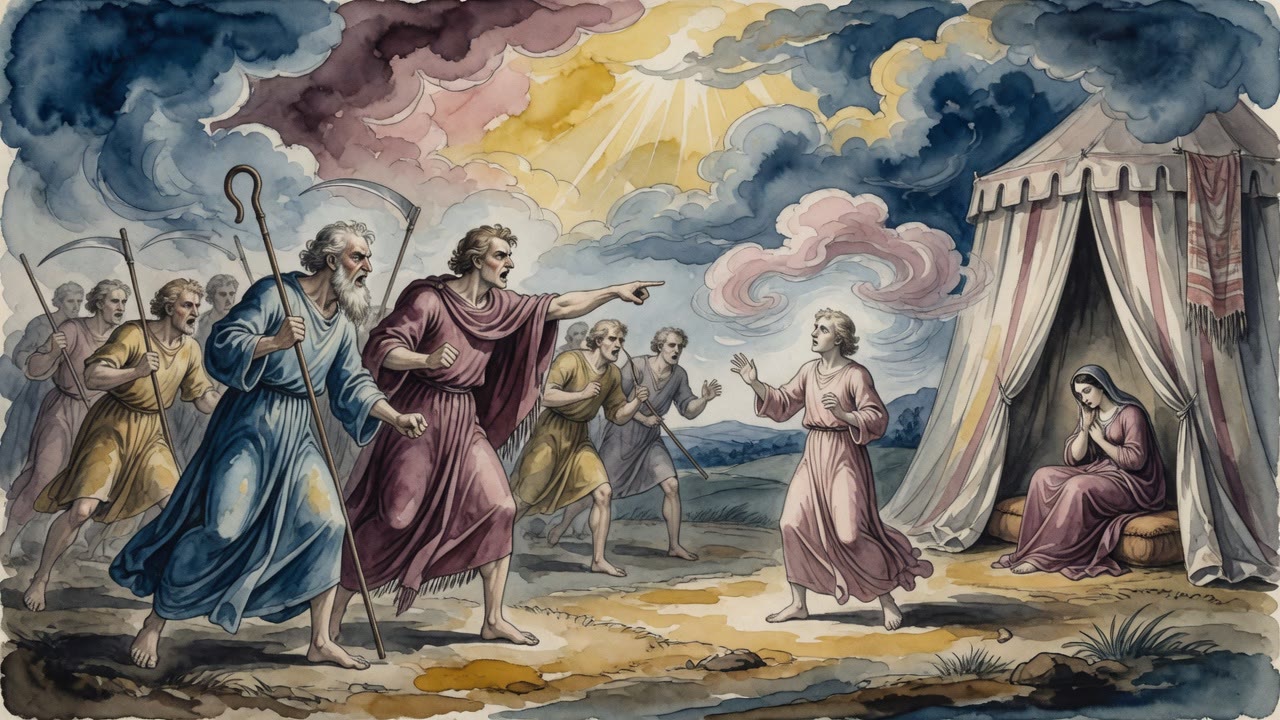
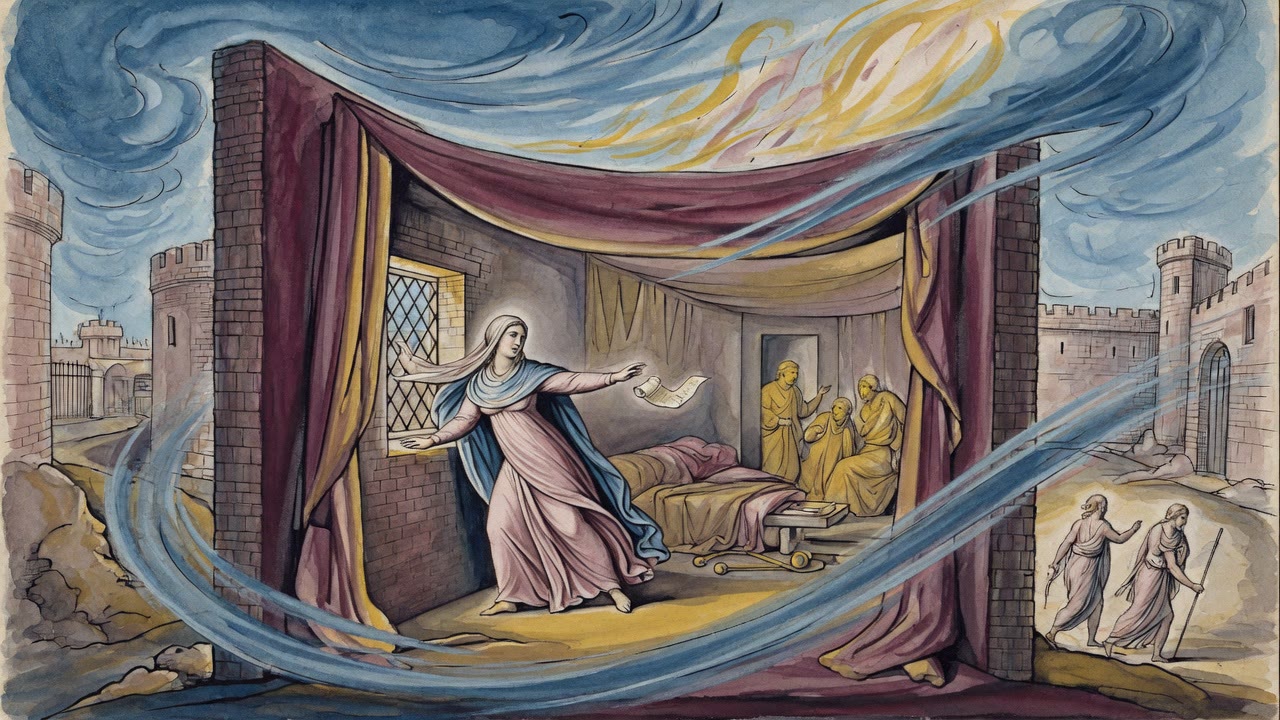
Dinah had gone out to see the daughters of the land. Seeing became seizure. Hamor's house spoke of love and intermarriage after the fact, as if a treaty could launder force. Jacob held his peace for a time that felt like a held breath. His sons did not hold theirs.
Two Men Against a Wall
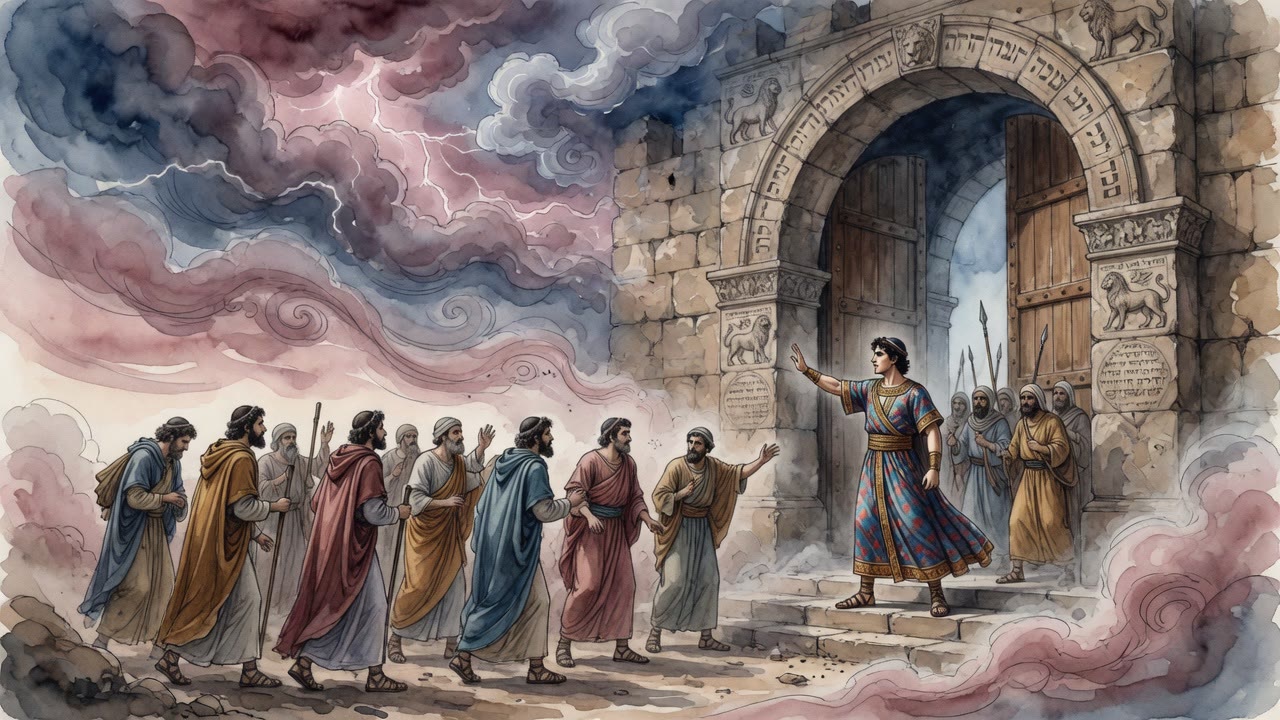
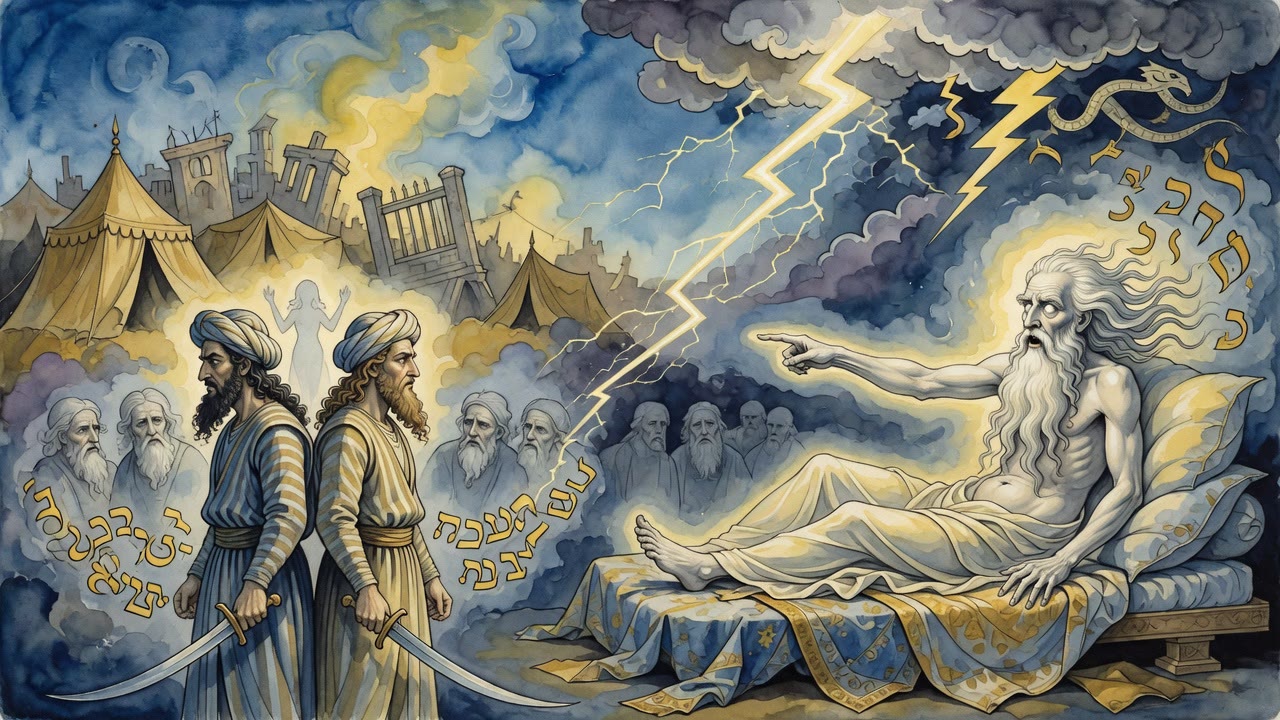
Simeon and Levi did not wait for a council of twelve equal votes. They answered as brothers of a sister whose name had been dragged through a city gate. Circumcision and strategy, sword and timing, the Torah's bare frame and the midrash's heat all braid into one act. The point foreign courts later heard was simpler than ritual detail. Two men emptied a city. Not a skirmish at a well. Not a raid on a single house. A city.
Listeners refused the story at first because the math of power made no sense. Walls, trained men, weapons, numbers, and still the sons of Jacob walked out with Dinah and left silence where market noise had been. Messengers carried the report the way people carry news of an earthquake. They said it carefully. They said it twice.
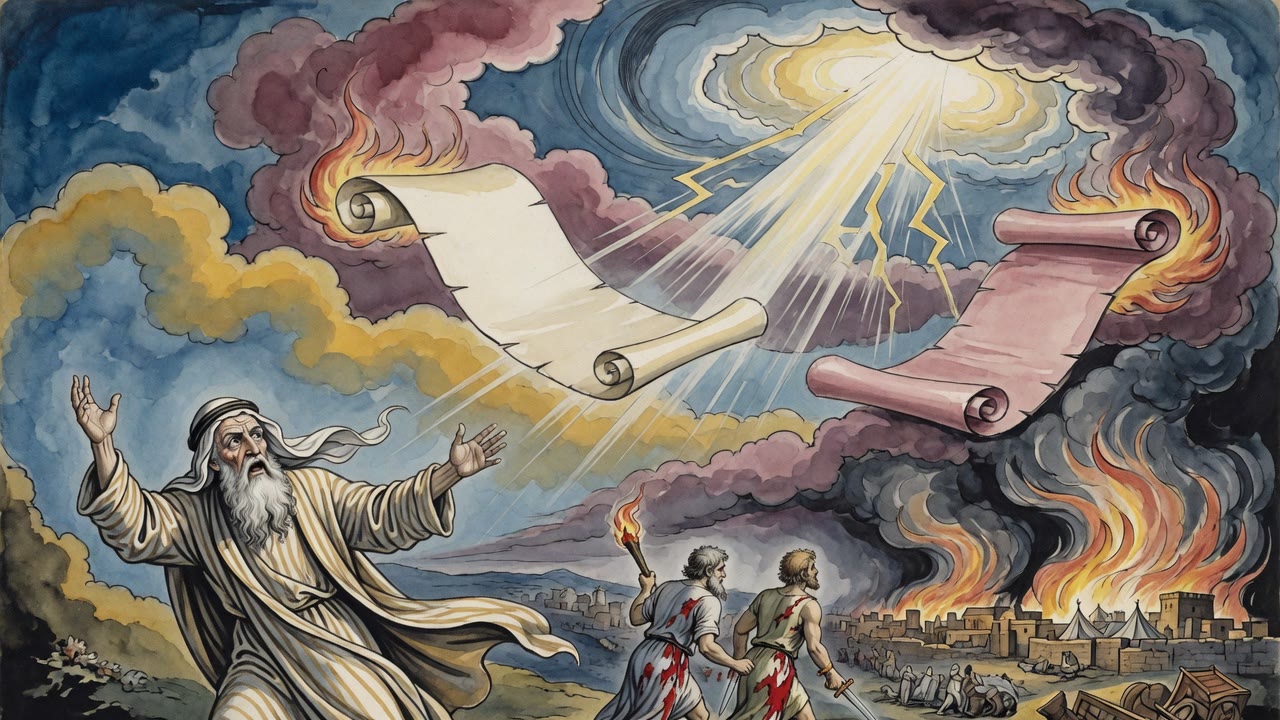
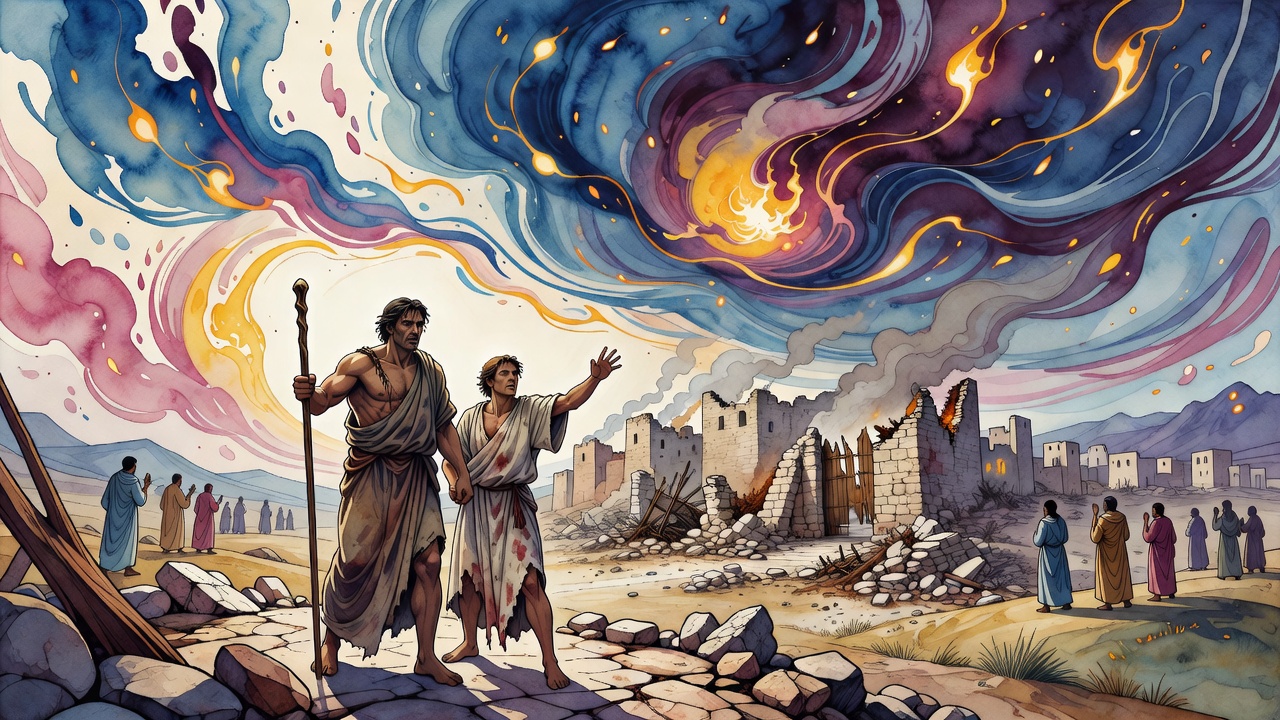
The brothers returned with blood on their schedules and a sister reclaimed. Whether every inhabitant deserved the same blade is a question Jacob's later curse would keep open. The legends stack older sins under the city so the destruction does not float free of cause. Even stacked, the scale remains a shock. Two pairs of hands rewrote a map.
Whispers Around the Campfires
Around campfires beyond Shechem the calculation turned cold. If two sons could do this, what would twelve do if they ever moved as one? Fear traveled faster than tribute collectors. Kings who measured strength in chariots recalculated the value of a tent camp led by a man who limped and prayed. Jacob felt the unease settle on his tents like weather before rain.
He packed and left to rejoin Isaac, unhindered at first, the way a man leaves a place that has already been judged and does not want a second trial. Eight days into the road an army from far Nineveh appeared in the legends, a force said to be levying the world under one boot. Near the ruins of Shechem they learned what two brothers had done and recalculated their own invincibility.
Neighboring peoples loosened their plans for easy plunder. Some joined mourning later when Jacob died, remembering power. Others simply steered wide. The empty city stood as a warning written without ink, a hole in the map that spoke louder than walls.
The Father Who Still Had to Live There
Jacob's anger at Simeon and Levi in Genesis is not canceled by the midrash's catalog of Shechem's older sins. A father can know a city was wicked and still fear the smell of blood on his sons' hands. The purchase of land, the Sabbath lines, the cheap market, all of that was a life plan built for years of ordinary holiness. Violence rewrote the plan into flight.
Dinah returned to the camp's interior. The city did not return to its noise. The surrounding nations measured their distance from Jacob's camp in new units of caution. What began as one girl's shame ended as a map where everyone else stepped carefully around a family that refused to be prey.
Jacob kept moving toward Bethel and toward his father's house, carrying both gratitude that his daughter lived and dread that his sons had learned how much a city weighs when it falls. In the silence after Shechem, Sabbath boundaries still mattered. Land deeds still mattered. The difference was the knowledge that two of his children could turn a whole settlement into a story people would not believe until they saw the empty gates themselves.
← All myths