The Ship Left Five Kinds of Souls on Shore
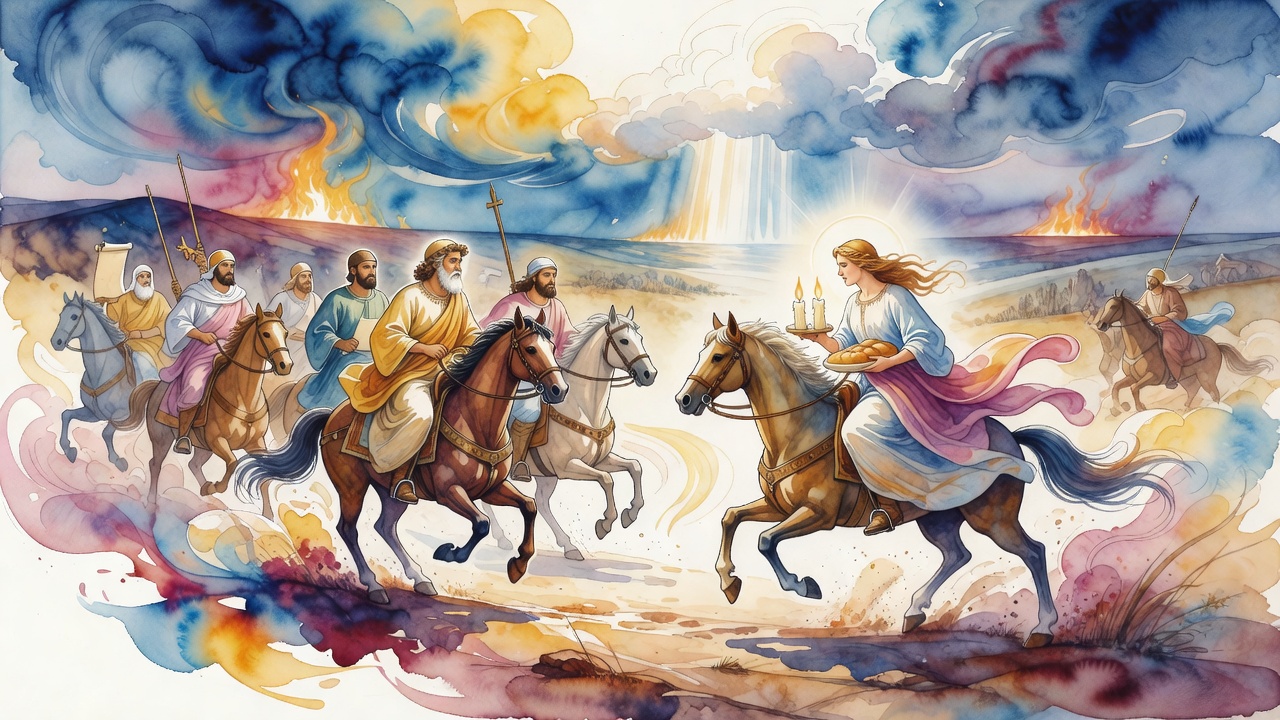
The captain dropped anchor beside flowers and fruit trees. Five groups of passengers chose, each in their own hour, how long to stay.
Table of Contents
 Click for full size
The Wind Died Beside a Flowered Island
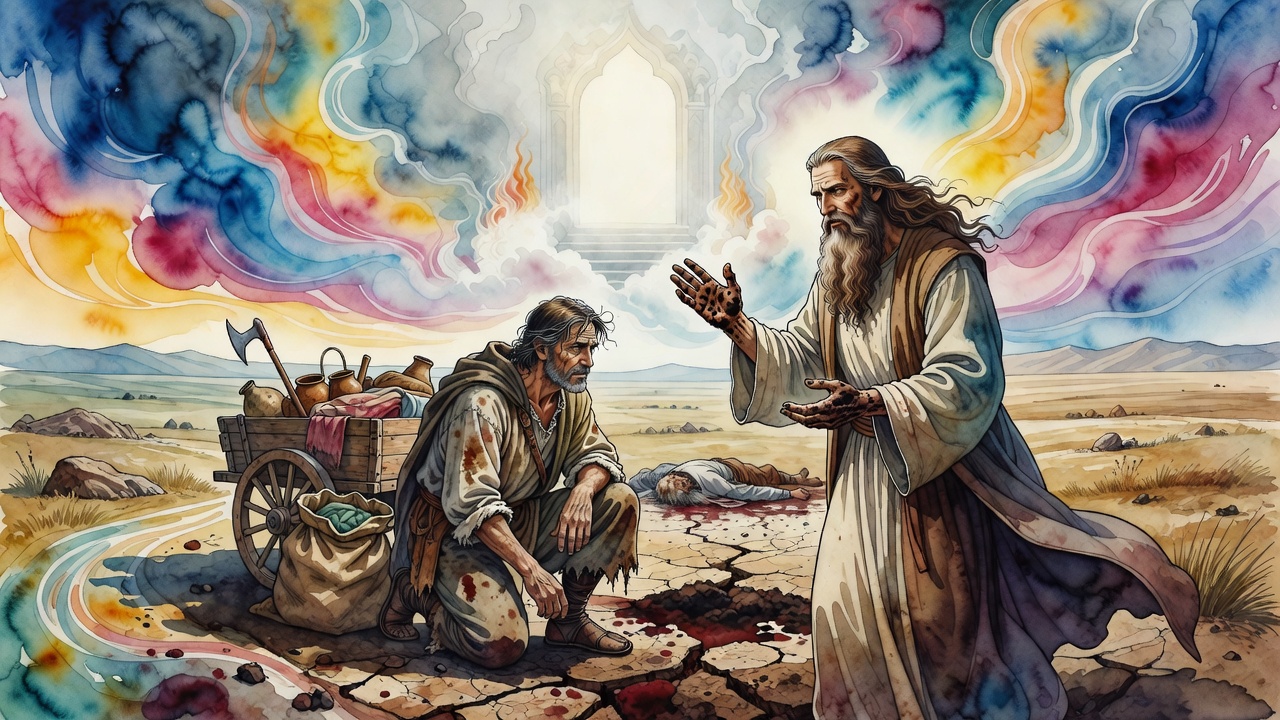
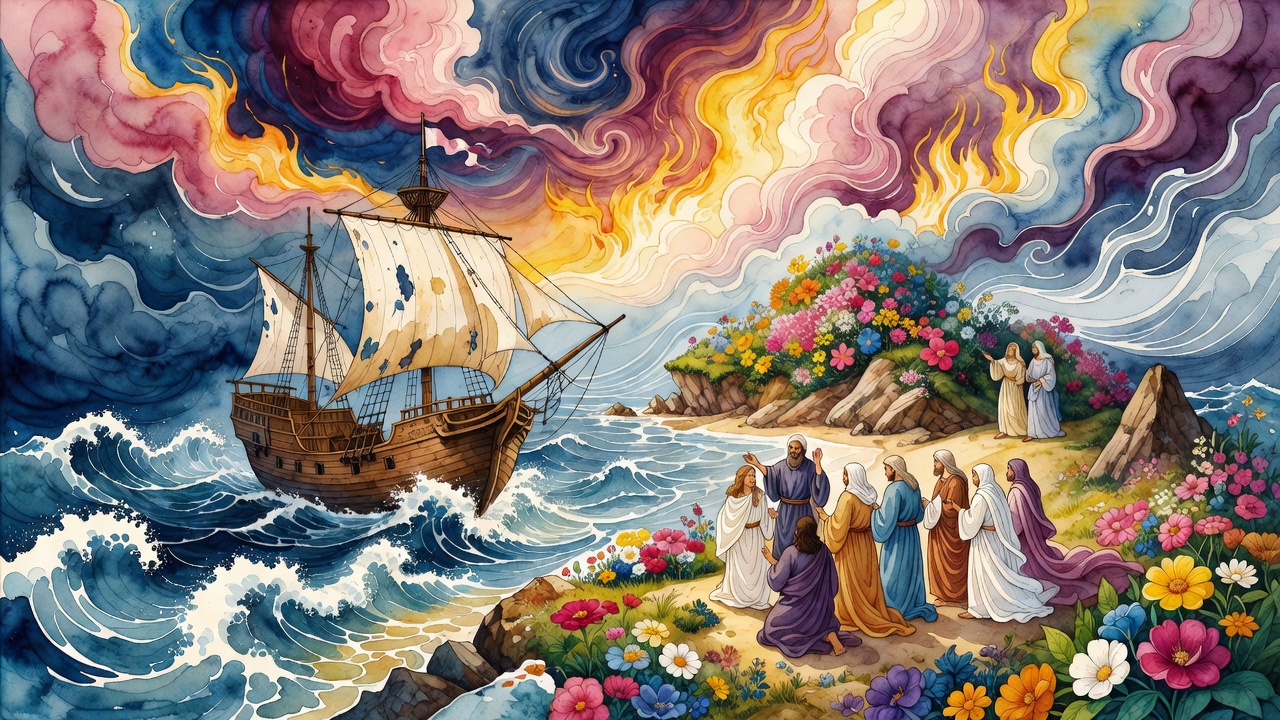
The storm spent itself against the hull and left the ship listing near an island that looked kind. Flowers. Fruit trees. Shade so deep it seemed painted. The captain dropped anchor because the wind had died and the people needed a moment that was not terror.
Then the passengers divided, not by ticket, but by how much they trusted the voyage.
A woman at the rail closed her hand on the rope and did not yet step off. Salt dried on her lips. The island smelled of fruit. The deck still smelled of storm.
Two Groups Kept One Hand on the Rope
The first group refused to go ashore. "A fair wind may rise at any moment. The anchor may come up. The ship may sail without us. We will not risk missing our destination for a few hours of comfort."
They stayed on deck. They watched the island the way a hungry man watches a feast he has already decided not to touch. When the wind rose, their places were waiting. They arrived home with everything.
The second group went ashore briefly. They smelled the flowers, tasted a fruit, and returned quickly to their cabins. The wind rose. The ship sailed. Their places waited. They were refreshed by the shore and had lost nothing by visiting.
The woman at the rail was not in either group yet. She wanted the fruit. She wanted home more, or she thought she did. She stepped onto the sand with the third party and told herself she would hear the captain when he called.
Three Groups Stayed Too Long
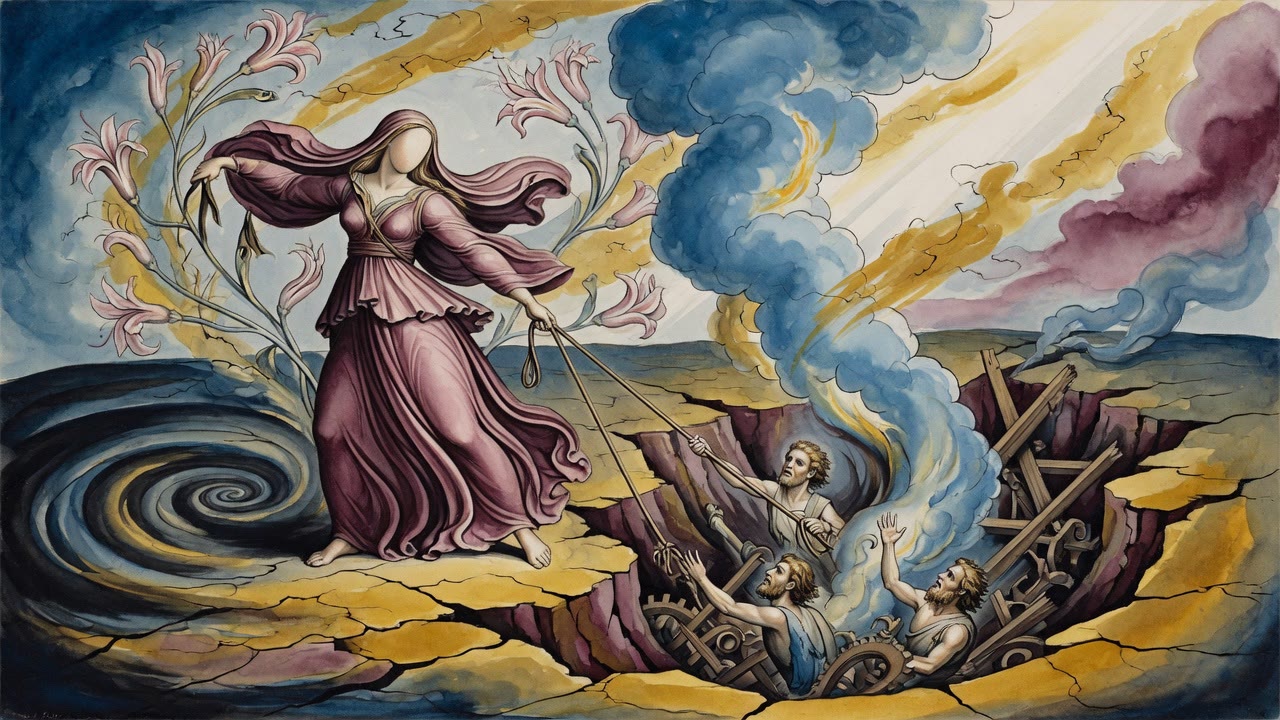
The third group lingered under the trees until the captain's call became a shout. They scrambled back in a panic, found their seats taken by others, and settled for worse places in the hold. They made it home, but diminished.
The woman from the third group pressed a bruised fruit in her fist and would not eat it. She had almost stayed. She had almost become the fifth kind of soul. The taste on her fingers was sweet enough to make the memory dangerous. She dropped the fruit into the water and watched it bob once before the wake took it.
The fourth group delayed until the ship was already moving. They had to swim for it, claw onto the side, and haul themselves aboard wet and bruised. They survived the crossing, but barely. Water poured from their clothes onto the deck boards and left dark maps that faded in the sun.
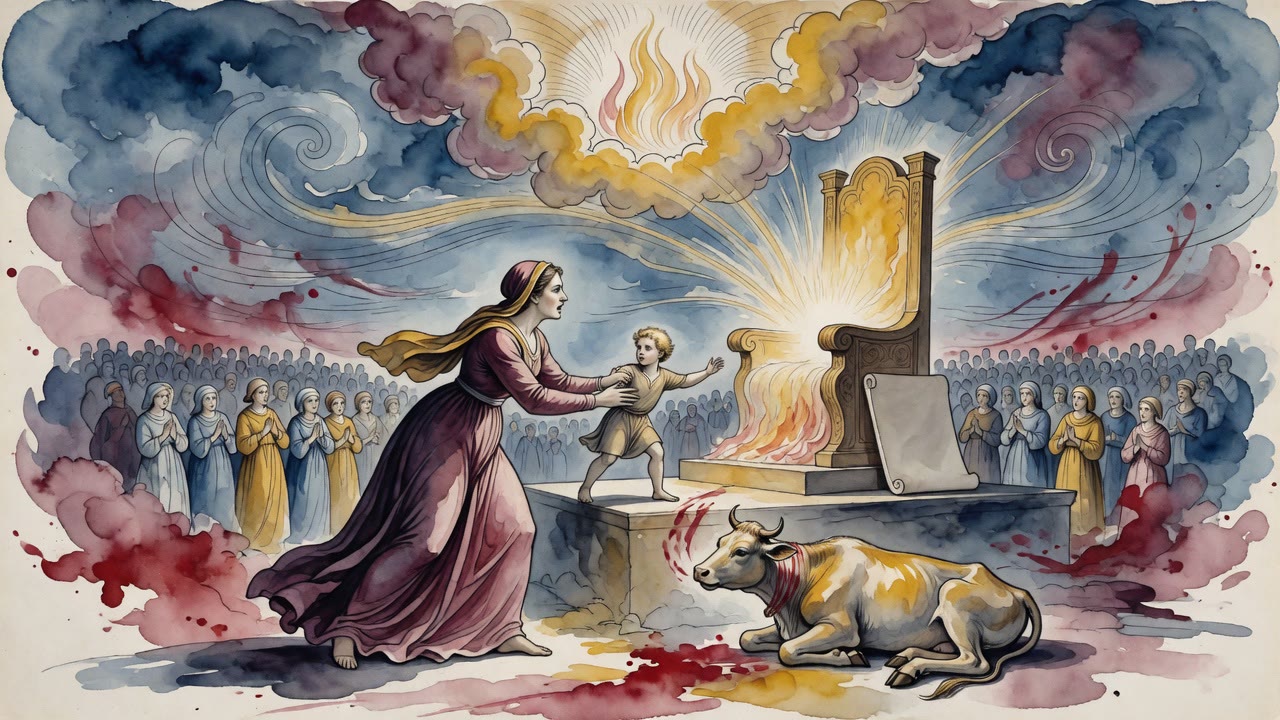
The fifth group was having too much pleasure to notice. They stayed on the island after the ship sailed, telling themselves they would catch the next one. There was no next one. The beasts of the island killed them one by one.
The Captain Named the Island
At the stern the captain looked back once. Far behind, the island still looked kind. That is how it keeps the fifth group. Kindness without a schedule. Pleasure without a rope back to the deck.
He spoke to the ones who had swum, and to the woman with juice still on her fingers.
"That island is this world," he said. "This ship is a life. Enjoy the fruit. There is no second sailing for those who treat the shore as a home."
Repentance, in his mouth, was not a speech. It was the decision to stop tasting flowers while the rope was being hauled. The hold was still better than the beasts. Bruises were still better than remaining behind. A man on the shore can convince himself that beauty is permission. The ship will not reverse for every late swimmer.
Another Storm Hit Mid-Voyage
Later the black water returned. Affliction found them in the open sea, not on the island. A sailor who had stayed on deck the whole first time gripped the rail and remembered a harder comfort: when God brings afflictions, remember the vastness of future blessings and consolations waiting in the world to come. Suffering is not the whole story. There is a larger span of good that the present pain cannot cancel by volume alone.
"Remember the days of the world." Reflect upon the years of generation upon generation. The messianic stretch of time, even a span counted across generations, so hope is not forced into a single night's relief. On the ship that teaching sounded like this: the storm is real, the island is real, and neither is the final port.
In the hold, the third group sat on worse benches and argued about how long a person may enjoy an island. No one won the argument. The bruises on the fourth group answered better than logic. The absence of the fifth group answered best of all.
The woman who had dropped the fruit kept one hand on the rope. Home was not visible yet. It was still the only direction that counted. The ship leaned into the open sea, and the island, kind as ever, fell astern and did not follow.
← All myths