Six Dinars Short of the Dream on Rosh Hashanah
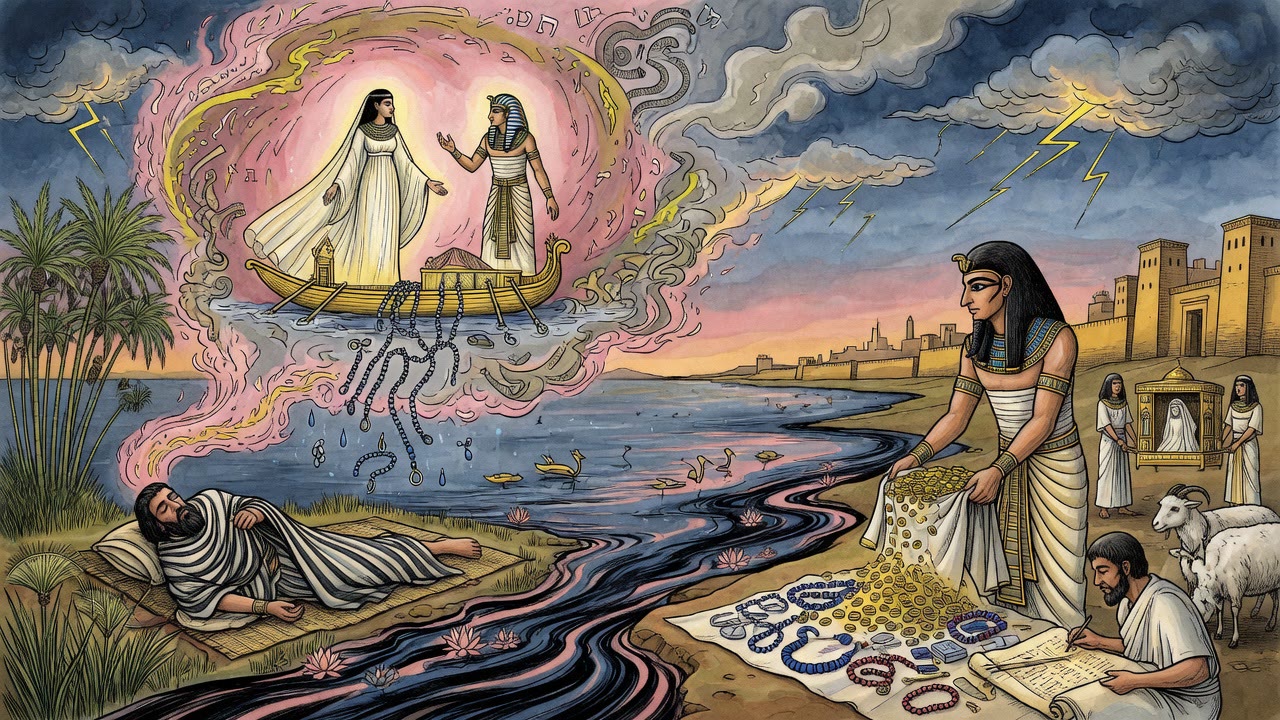
Rabbi Shimon woke on Rosh Hashanah to a dream of six hundred dinars owed, then made his nephews spend almost that sum on the poor before the kingdom collected.
Table of Contents
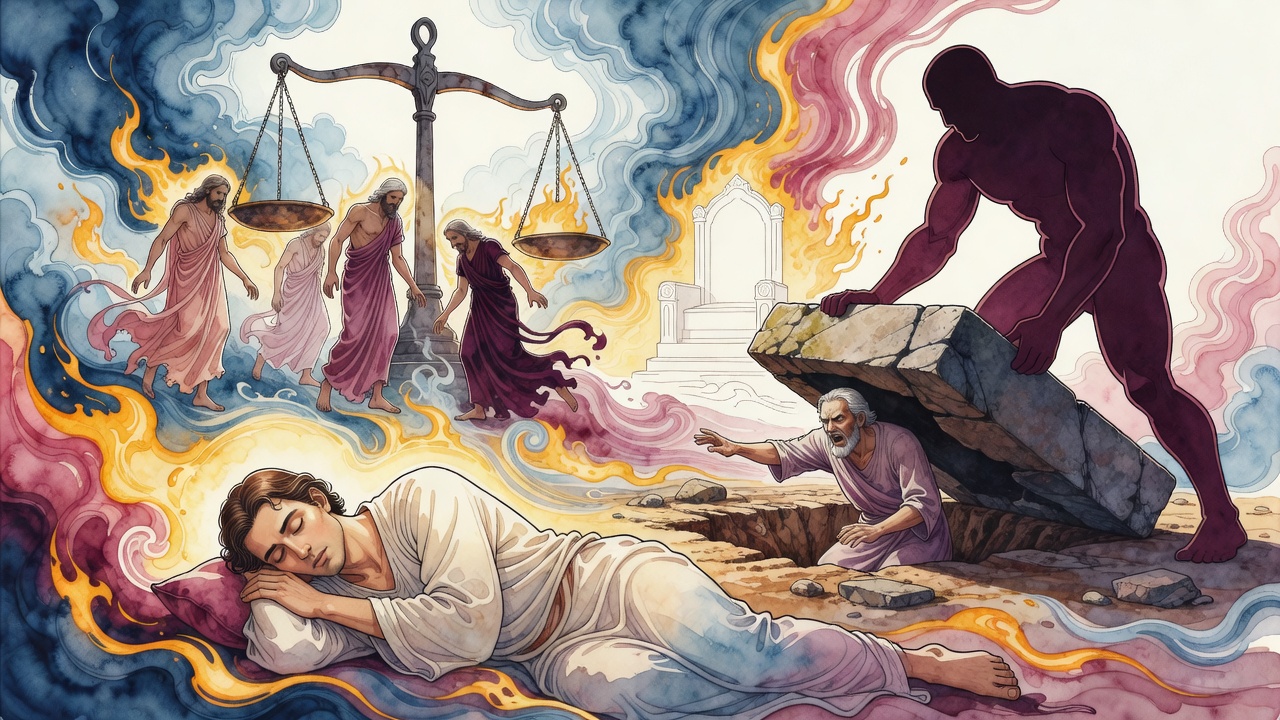
Rabbi Shimon ben Yochai woke with the number still burning behind his eyes. Six hundred dinars. His sister's sons in chains. The kingdom's ledger already open on a table he had never seen.
 Click for full size
It was Rosh Hashanah morning. The shofar (the ram's horn of the New Year) had not yet cut the air. He swung his legs to the floor and went looking for the boys before the dream could cool.
Spend Until the Number Matches
They found him waiting in the courtyard, already dressed, already sharp. He told them what he had seen. Not a metaphor. A suit. A fine. A royal demand that would land on their heads before the year closed.
"Become the keepers of the charity chest," he said. "Spend what the poor need. Keep every mark in the book. If the year ends short, I will cover the rest."
They stared. "Where does the money come from?"
"From the same place the claim will come," he answered. "Spend."
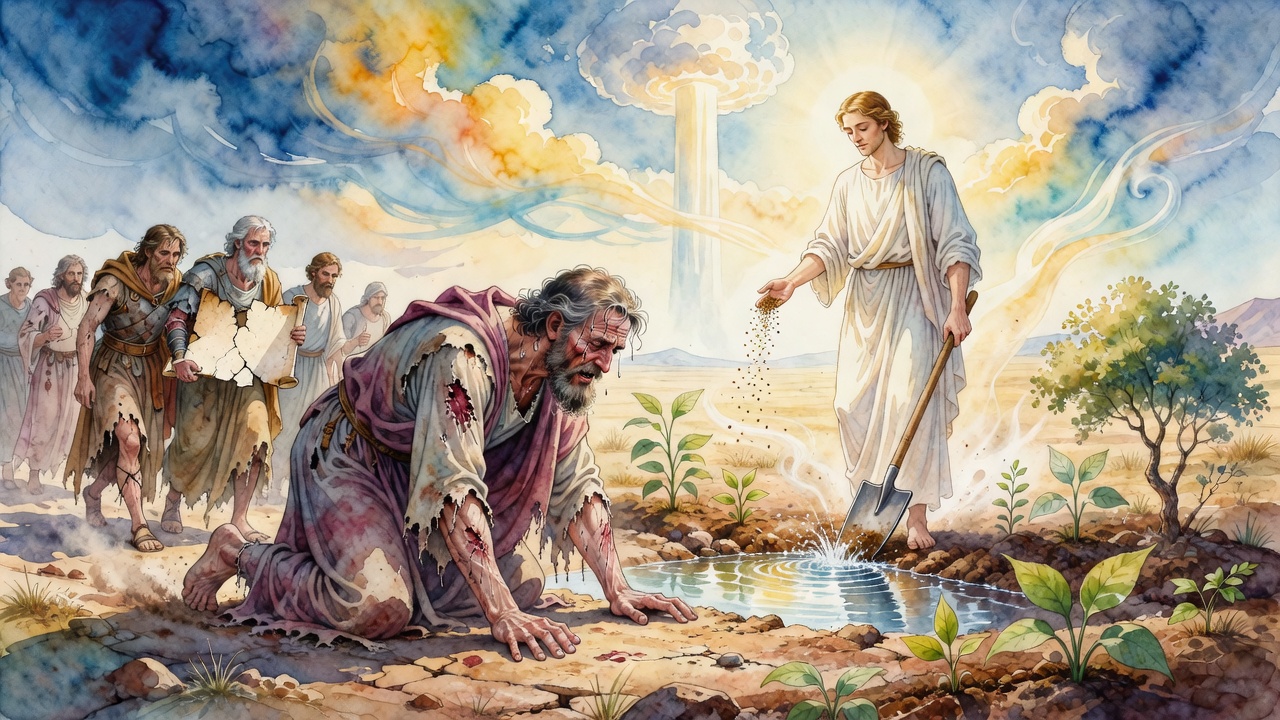
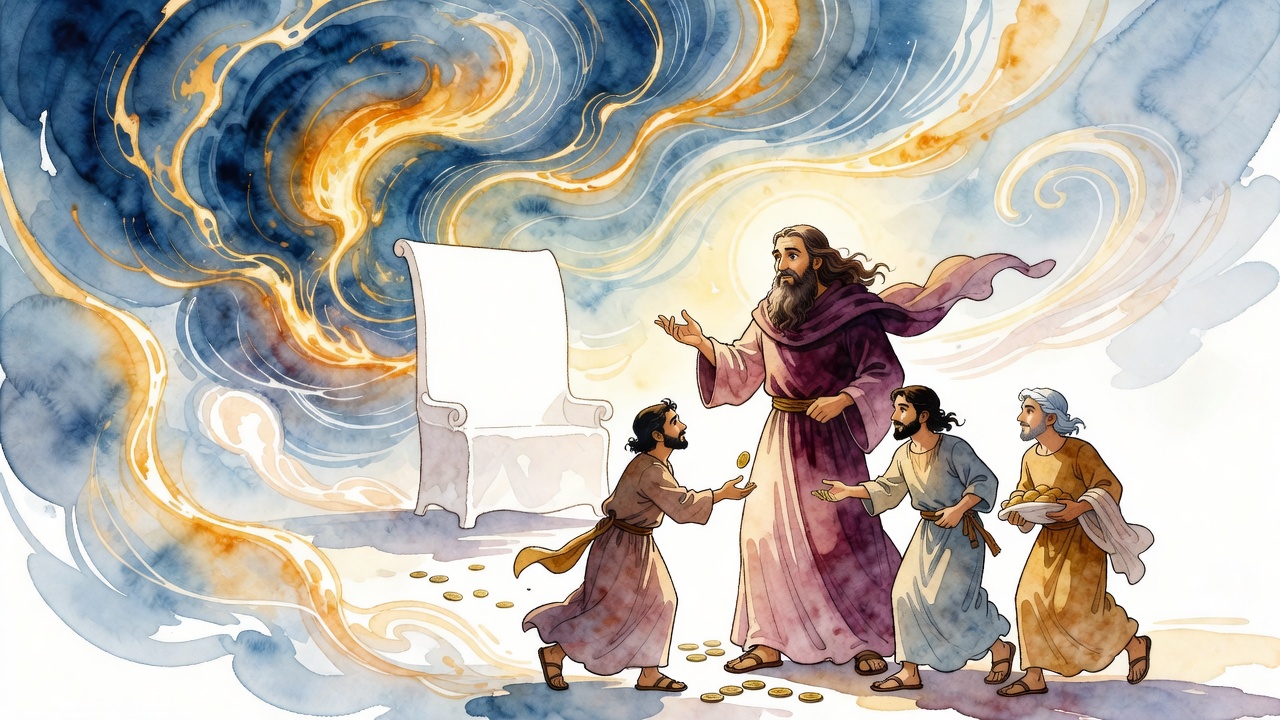
So they spent. Bread for widows. Coins for travelers. Oil for houses that had gone dark. Their silk business still ran, but the ledger of kindness grew heavier than the ledger of trade. Rumors followed them into the market. Someone whispered that silk merchants who give too freely must be hiding something larger.
The Kingdom Comes Collecting
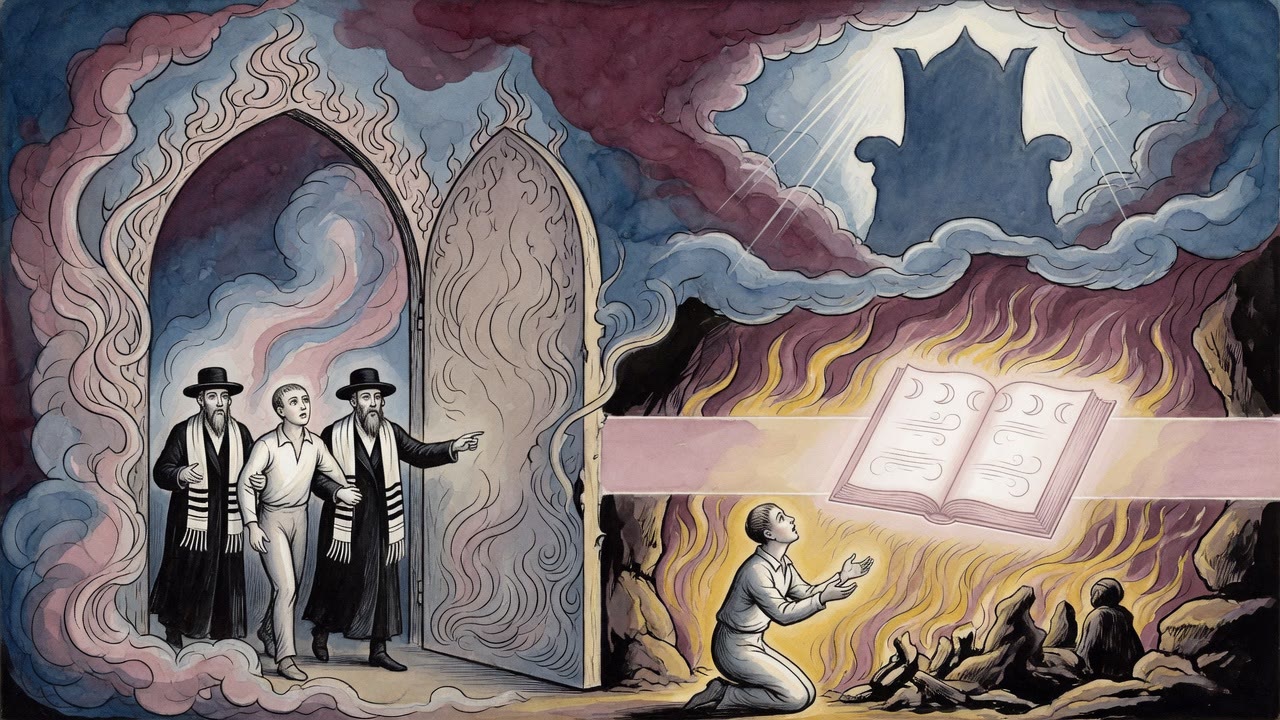
A royal officer arrived with a choice written in iron. Weave a garment fit for the king, or pay six hundred dinars. When they could not produce the garment on demand, the cells closed. The number from the dream walked into daylight wearing boots.
Rabbi Shimon came running. He took the charity book from their hands and ran his finger down the column of gifts.
Five hundred ninety-four dinars. Six short of the fine that now owned them.
"Give me six more," he said. His voice was almost gentle. "I will get you out."
They laughed the thin laugh of men who have already lost. "We do not have six dinars left. Everything went into the chest."
He paid the six himself. The lock opened. The dream's arithmetic closed like a trap that had always been a door.
What the Night Already Knew
Only later did the nephews understand. The fine was fixed before the year began. Heaven had shown the bill so the money could be spent on life instead of on a prison wall. Charity did not dodge the decree. Charity converted it.
In another city, another sage heard another dream and worked a quieter miracle. A man came to Rabbi Yosei bar Halafta shaking. In sleep a voice had ordered him to rise, climb to Cappadocia, and claim his father's property there.
"Did your father ever go to Cappadocia?" the sage asked.
"No."
"Then count the beams of your house," Rabbi Yosei said. "Cappa is twenty. Docia is beams. Under the twentieth beam your father left what he could not name while he lived."
The man counted from the roof down and from the floor up. Where twenty met, he dug. Gold answered. He walked out rich without ever leaving his own roof.
Two Dreams, One Rule
Rabbi Shimon's nephews paid six hundred dinars in kindness and six dinars in coin. The man of Cappadocia paid nothing but attention. In both cases the night spoke first, and a sage refused to treat the message as fog.
Rosh Hashanah is the day the books open. The dream on that night did not predict doom so much as deliver the invoice early, while there was still time to choose where the silver would go. Into a jailer's palm, or into a hungry mouth.
The boys who once feared the kingdom learned to fear a blank charity ledger more. Every dinar they poured out before the officer arrived was a dinar the prison never got to keep.
The Ledger That Outran the Chains
Years later people still told both stories when someone scoffed at a dream. Not every night vision is prophecy. Some are only the mind chewing its own worry. But when a dream names a sum, a city, a beam count, or a fine that later walks through the door in armor, the wise treat it as work to be done while the sun is still kind.
Rabbi Shimon did not pray the fine away. He spent toward it. Rabbi Yosei did not send a man across the sea. He sent him under his own floorboards. The Holy One, they both assumed, prefers a human hand that moves over a human mouth that only marvels.
On the next Rosh Hashanah the shofar (a ram's horn) rose again. Somewhere a new dream was already loading its numbers. Somewhere a sage was already reaching for a ledger.
The nephews kept the charity book open on the table long after the jail smell left their clothes. Guests who came for silk sometimes found them arguing over whether a traveler needed three loaves or four. They had learned the cost of six missing dinars the hard way. A dream that names a number is a kind of mercy only if someone treats the number as work.
Neighbors asked Rabbi Shimon how he knew the fine would match the dream coin for coin. He shrugged the way a man shrugs when the question is smaller than the answer. "I knew enough to spend," he said. "The rest was arithmetic heaven had already finished."
In Sepphoris, when people told the Cappadocia story beside this one, students argued which sage had the harder job. Reading Greek out of a place-name, or reading a royal suit out of a holiday night. Both jobs required the same refusal: do not call a clear dream fog because fog is easier to ignore.
← All myths