Sparta Wrote That Jews Share Abraham's Stock
King Areus of Sparta sent High Priest Onias a letter claiming the Lacedemonians and Jews were brethren from the stock of Abraham.
Table of Contents
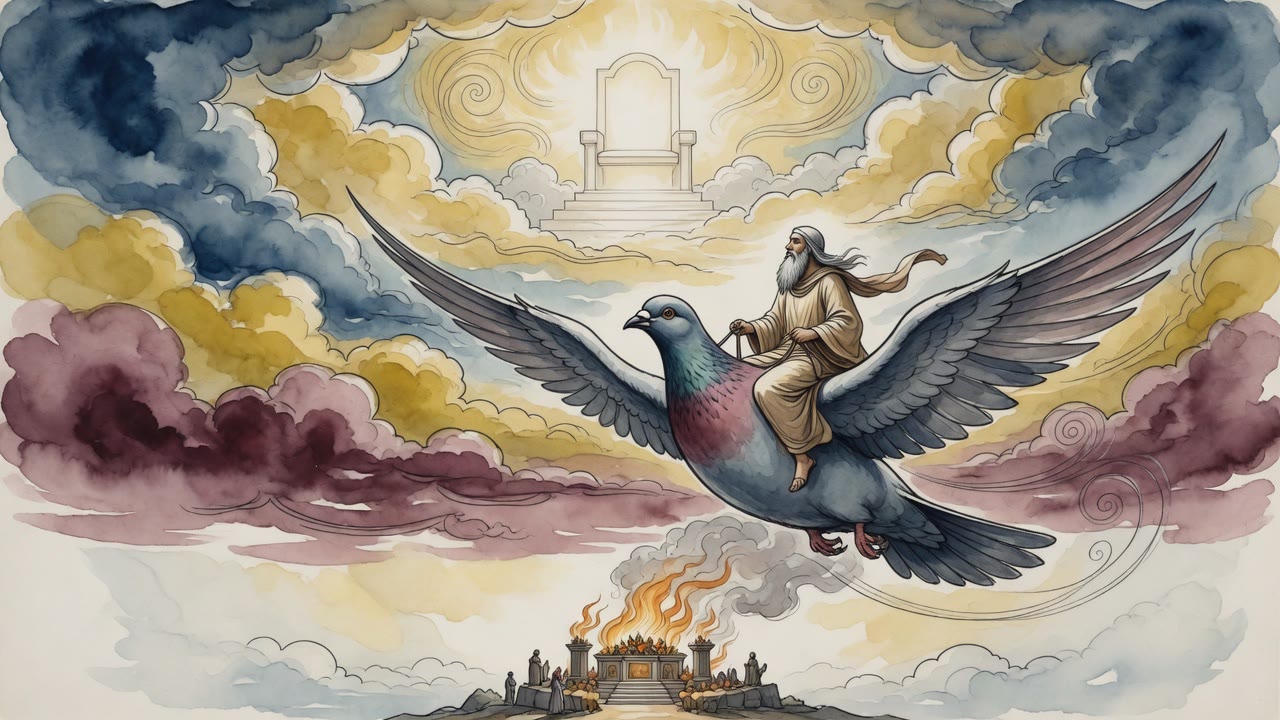
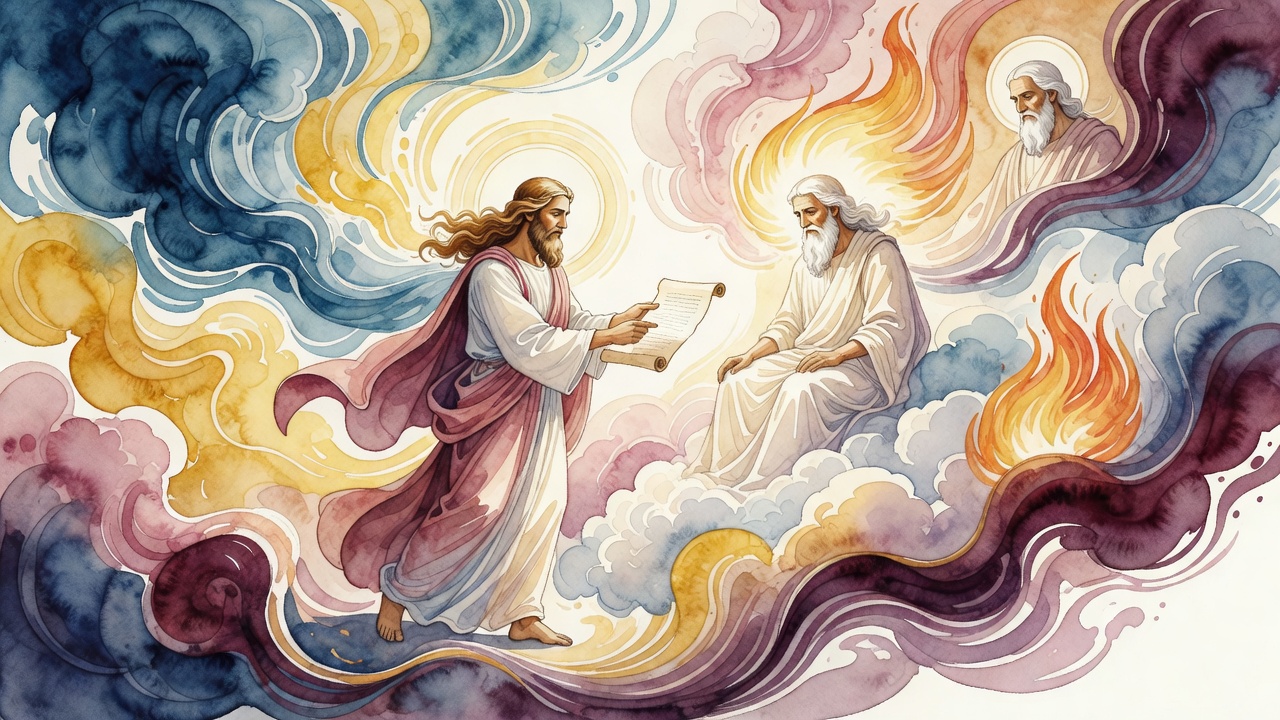
The seal broke in Jerusalem with a scrape of wax. High Priest Onias held a letter from a city of spears. Areus, king of the Lacedemonians, the Spartans whose boys learned hunger before they learned mercy, had written across the sea as if kinship could be proven on parchment.
 Click for full size
A Greeting That Turned Into Bloodline
The greeting was formal. Then the sentence that made the room change temperature: it is found in writing that the Lacedemonians and the Jews are brethren, and that they are of the stock of Abraham. Sparta, hard as iron and proud of a lawgiver who trained men to die standing, claimed the same ancestor as the people of the Temple.
No midrash had prepared the priests for that claim. Abraham's line ran through Isaac and Jacob, through Egypt and Sinai, through exile and return. Now a Greek king said his people shared that stock. Whether the "writing" was a real archive or a diplomatic invention, the letter treated brotherhood as a fact already discovered, not a favor being begged.
Why a People of War Wanted Kin
The Jews of that hour were searching for allies. The Book of Maccabees sets the correspondence inside a world where empires swap masters and small nations look for anyone who will answer a courier. "Wherefore now ye shall do well to give us an answer thereto." Polite language. Real pressure. A people that keeps festivals and sacrifices still needs friends when armies move.
Ben Sira, writing wisdom in an earlier generation, had warned not to fight a great man and become destitute by his hand. He had also said to remember the end in every action and never destroy. Alliance is one way a small people remembers the end without choosing ruin. Sparta was great in reputation if not in endless gold. A letter that called Jews brethren offered a path around useless war.
The Table Where the Letter Lay
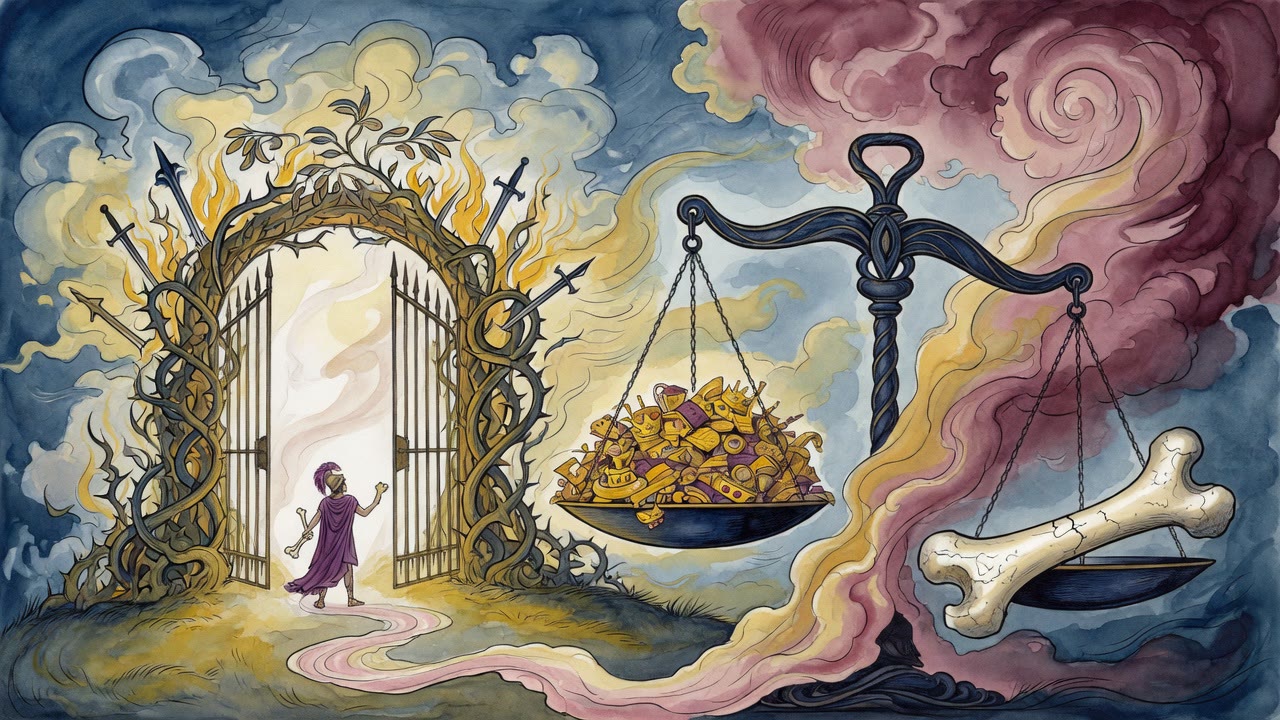
Onias set the scroll beside the lamp. Outside, pilgrims climbed toward the courts. Inside, the claim of shared Abraham sat like a guest who might be holy or might be useful. Brotherhood with Sparta would not rewrite the covenant. It could still open harbors, soften borders, and put Jewish names into the mouths of men who measured honor by endurance.
The priests did not need Sparta to explain Abraham. They needed to decide whether to answer a king who had already decided the genealogy. Silence would insult. Acceptance would bind. The middle road of careful reply is the road small nations walk when a larger spear leans friendly against the gate.
Ink, Spears, and the Risk of Yes
If Onias answered yes, Jewish envoys might one day stand in a Spartan hall and hear Abraham's name spoken with a Greek accent. If he answered with careful distance, he might keep purity of lineage in speech and lose a shield in war. The letter forced a priest to think like a strategist without ceasing to be a priest.
Ben Sira's counsel not to destroy, to remember the end, to show up for mourners, frames the moral test inside the political one. An alliance that forgets the widow and the mourner is only a contract of spears. An alliance that remembers Abraham must also remember the tent that fed strangers. Sparta's hardness and Israel's mercy would not merge easily. The parchment still asked them to try.
The courier waited. Horses stamped in the lower city. Onias dictated a reply that neither mocked the claim nor sold the Temple for it. Brotherhood, if it existed in any archive of heaven or earth, would be proven by conduct after the seals, not by the thrill of the first reading. Abraham's stock, whether shared or not, still obligated the children of Israel to answer a stranger's letter with dignity.
What Kinship Demands After the Seal
If the Lacedemonians were brethren, then Jewish suffering would no longer be a private weather system. A brother's famine becomes a letter's duty. A brother's festival becomes a calendar someone else might honor, or at least refuse to trample. The claim cuts both ways. Sparta would expect loyalty if the parchment meant more than flattery.
Ben Sira's other counsel hangs over the scene: "Do not lift your heart from a loved one; for from him you will be loved." Be present where a community gathers. Mourn with the mourner. Kinship is not a crest. It is showing up when the other house burns. A diplomatic brotherhood that never sends grain or comfort is only ink.
Onias would answer. The Maccabean age would keep testing every friendship under the weight of armies. Still, for one evening in Jerusalem, a Spartan seal lay open, and Abraham's name was spoken by a king of the hard city as if the patriarch's tent still had room for unexpected cousins.
The lamp smoked. The high priest folded the letter along its old creases. Somewhere west, boys ran the hills of Lacedemon with shields too large for their arms. Somewhere in Judea, a father told his son the story of Abraham again, now with a strange postscript he did not yet know how to teach.
← All myths