5 min read

A Stop at the Synagogue Saved the Man Sent to the Lime Kiln

A sealed letter, a kiln waiting outside the city, and a man who cannot walk past a synagogue without going in to pray.

Curated by Arthur · Told by Maggid ·
Table of Contents
  1. The Letter That Smelled Like Safety
  2. He Could Not Pass the Door
  3. Empty Shop, Full Road Home
  4. Stars, Stones, and the Edge of Shabbat
  5. What the Furnace Could Not Teach
A Stop at the Synagogue Saved the Man Sent to the Lime Kiln Click for full size

The Letter That Smelled Like Safety

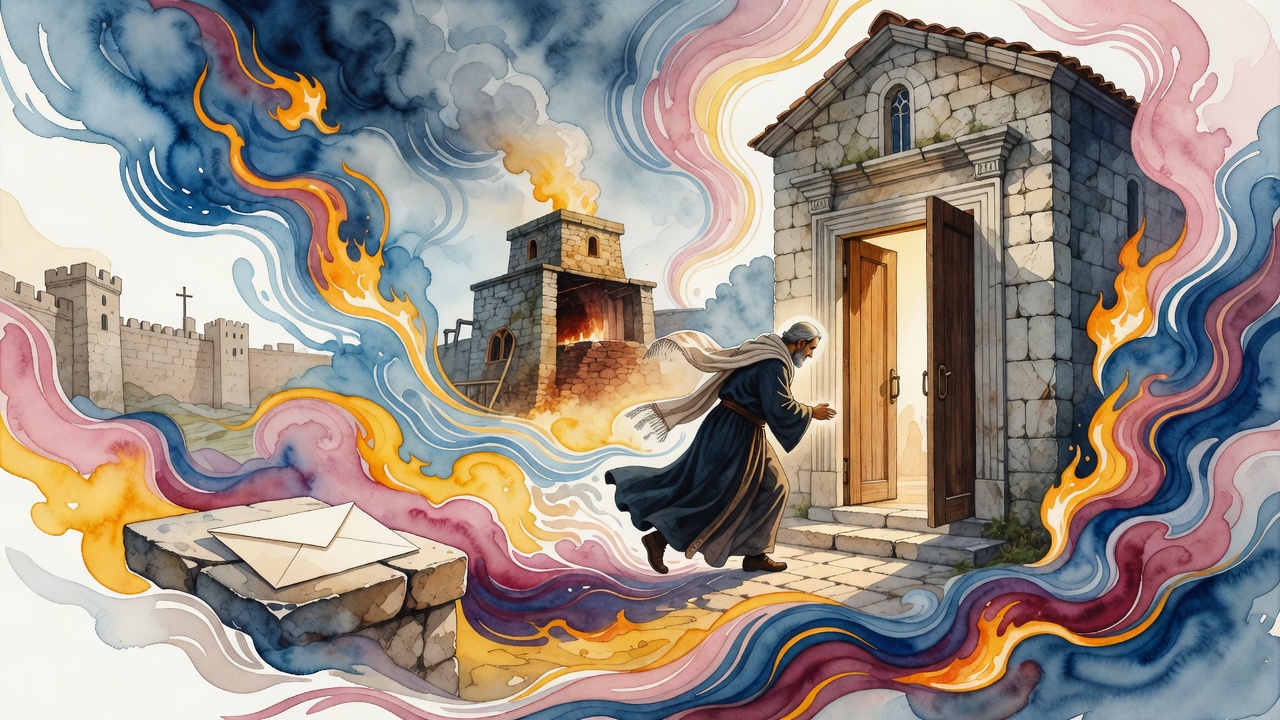
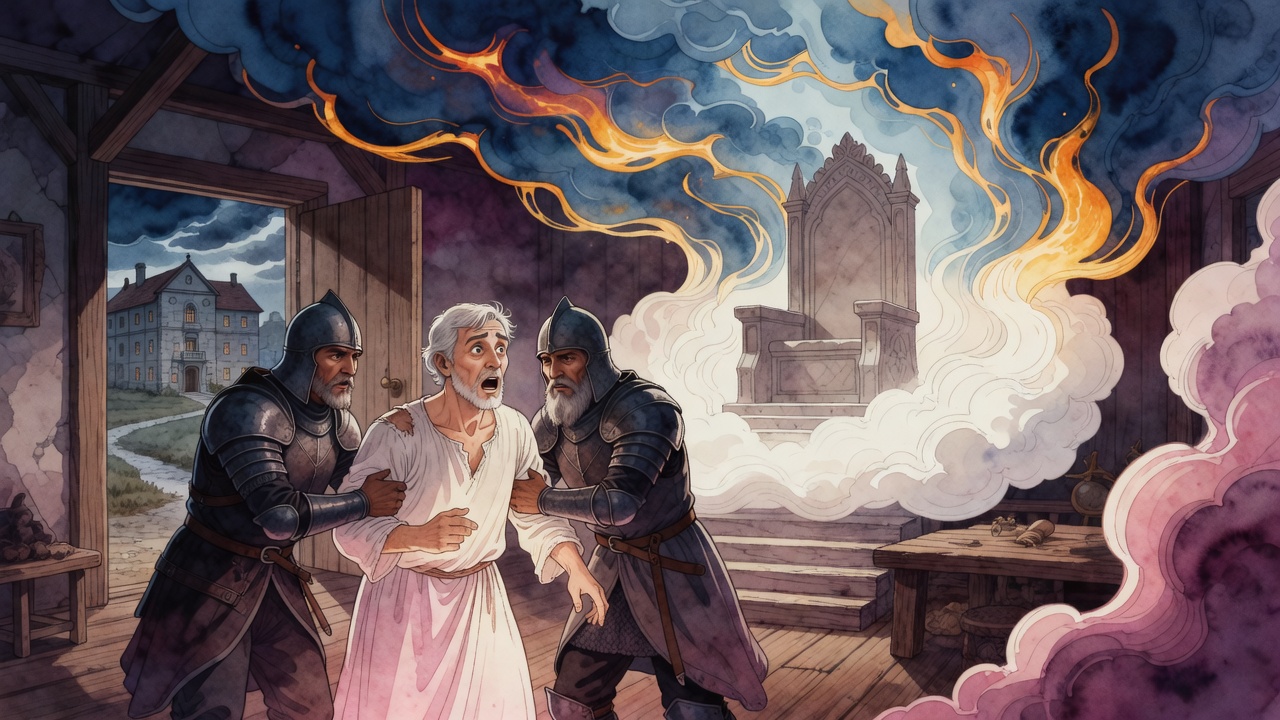
The king sealed a letter and smiled as if he were doing a favor. Take this to the master of the lime kiln outside the city, he told a Jew who still believed courts could be navigated with care. The seal flashed. The errand sounded ordinary. Enemies at court had already finished the real message in private: throw into the furnace the first man who arrives this morning bearing the king's seal.

The Jew set out with the letter under his arm. Dust rose on the road. The kiln waited beyond the last houses, heat already working in the bricks. He did not know the sentence riding with him. He only knew he was late for nothing and early for death. The king's seal was meant to make him hurry. Seals create urgency. Sacred doors create friction.

He Could Not Pass the Door

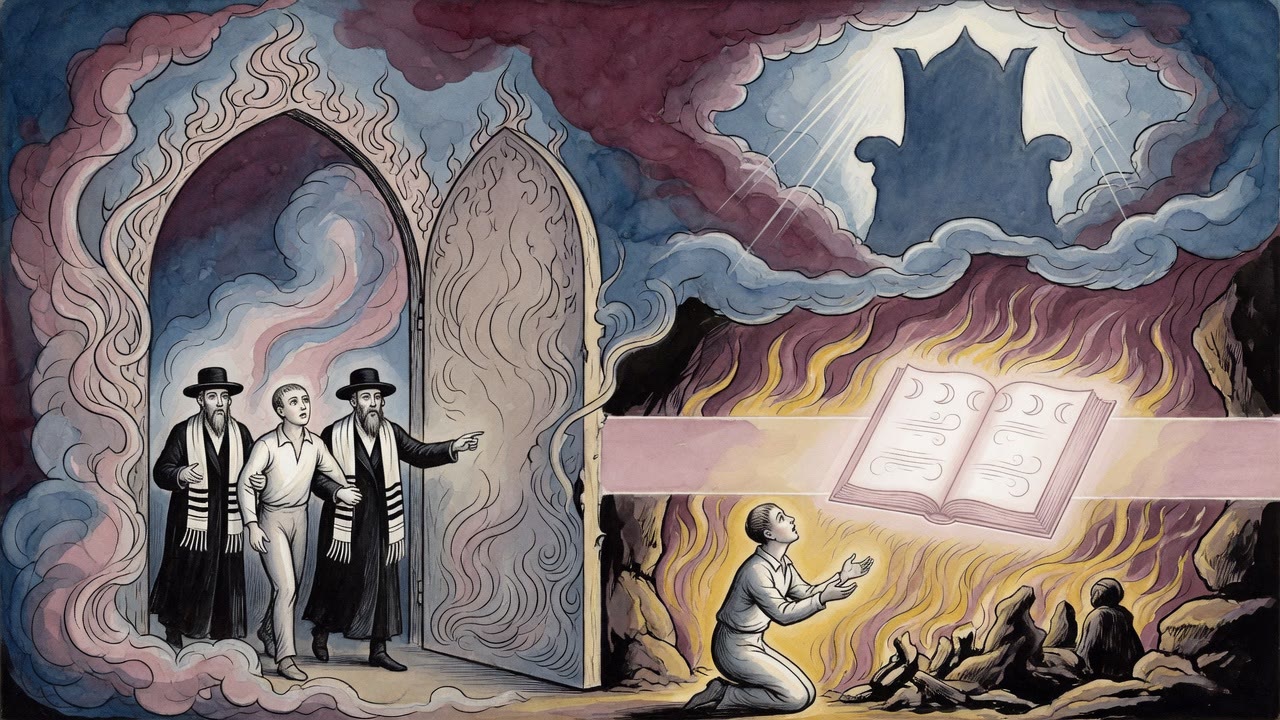
On the way he passed a synagogue. The rule in his bones was small and stubborn: do not walk past a house of prayer without entering. He stepped inside. The service was already in motion. The chazzan had not finished. The man stayed.

Prayer stretched. He could have left after a polite minute. He did not. The words held him the way a fence holds a sheep that does not yet know about the pit beyond the ridge. Outside, his chief enemy grew impatient. He wanted confirmation. He wanted to see the body reduced to the math of lime.

The enemy rode out to the kiln himself, empty-handed of any royal letter, full of hunger for news. The master of the kiln followed the order exactly as spoken: the first man to arrive that morning. Hands seized the wrong body. The plotter went into the fire he had stacked for someone else. The plot, which depended on punctuality, ate its author.

Empty Shop, Full Road Home

When the Jew finished praying he walked on and delivered the letter to a quiet yard. No one answered as planned. He turned back toward the city with the seal still whole and his life still attached. (Psalm 7:16) had already written the shape of the morning: he digs a pit and falls into the hole he made.

A synagogue stop is a small thing. That morning it was the difference between ash and another ordinary Tuesday. The tale does not claim the man was a righteous person. It claims he kept a small rule when a larger plot needed him to hurry. No angel is named. No dream warns the traveler. The only miracle is obedience so ordinary that enemies never budgeted for it.

Stars, Stones, and the Edge of Shabbat

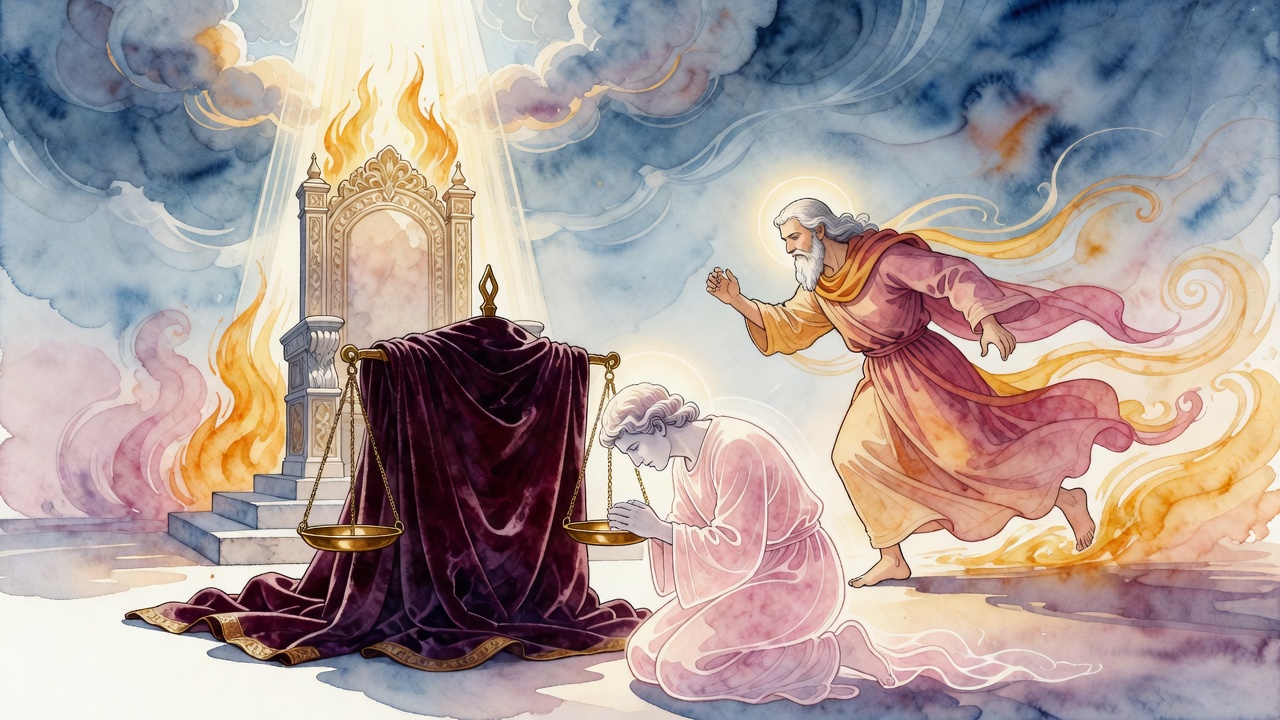
Another teaching about small acts of separation sits nearby in Pirkei DeRabbi Eliezer. A traveler far from home when Shabbat ends can reach toward starlight and bless the One who creates the various flames of fire. If the sky is sealed with cloud, he can lift a stone and still name the hidden potential for light.

Rabbi Zadok presses harder on the ones who are not traveling. Whoever refuses to make Havdalah, or even to hear it, will not see a sign of blessing. Whoever makes it, or hears it made, is called holy, set apart, a treasured possession. The ceremony looks small: wine, flame, spices, a few sentences at the hinge of the week. The claim is large. Sacred time does not end itself. A mouth has to mark the cut.

A week that never gets cut cleanly begins to smear. Sacred and ordinary bleed into each other until a person can no longer feel when they are crossing a threshold that might have saved them. Starlight and stone on the road are not second-class fire. They prove the cut can be marked even when the house tools are far away.

What the Furnace Could Not Teach

Courts still write letters. Kilns still wait outside cities under other names. The tale does not promise that every prayer stops every plot. It promises that the man who treats sacred thresholds as optional will often arrive exactly when the fire is ready for him.

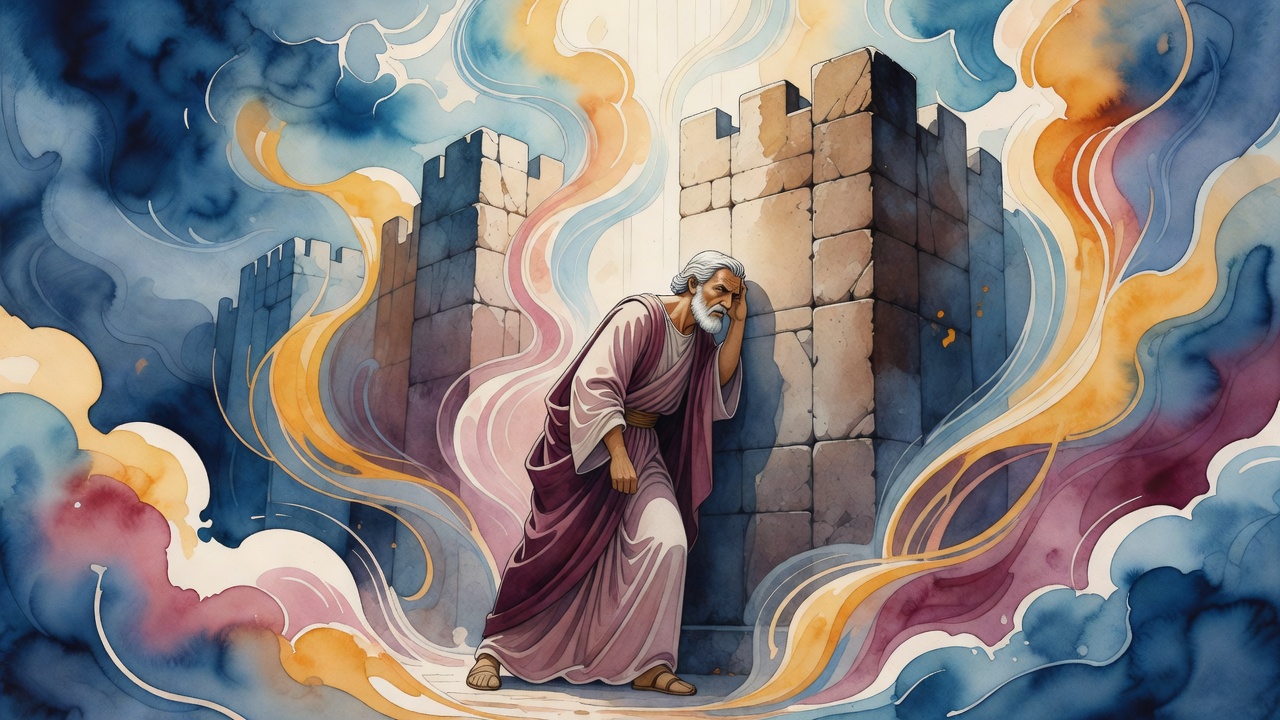
The enemy rode fast and died first. The Jew walked slowly through words he did not invent and lived. Rabbi Zadok's warning about skipped separation sits in the same moral weather: people who will not stop to mark holy from ordinary train themselves to hurry past every door that might have saved them.

Later tellers keep the lime kiln because it is ugly enough to be believed. Rescue that only happens in palaces teaches little. Rescue that happens because a man could not walk past a doorway teaches a craft: build delays into your life where the holy asks for them, and let the plots of the hurried break on that stubbornness. Keep the small stops. Enter when the house of prayer is open. Bless the flame when the week turns. The furnace is patient. So is the rule that outruns it.


← All myths
From the tradition

Sources

2 sources

The texts behind this telling. Some cards carry a translation of the source; others are our own retelling of it, and each card says which. Every card links out to the original.

Gaster, Exempla of the Rabbis No. 320 (Codex Gaster 185, 1924)The Exempla of the Rabbis (1924)

Retold in our words. Read the original at the link below.The Exempla of the Rabbis, Moses Gaster (1924) · PD-US-pre-1929

The halachah is clear: a man must not leave the synagogue before the chazzan finishes the Amidah, and must not pass a synagogue without entering it to pray. Gaster's Exempla (No. 320, 1924) tells the story of a Jew whose observance of that small rule saved his life.

The man had enemies at court. They had convinced the king, through careful lies, to order his death. But the plot was clever. The king sent him on a harmless-seeming errand to a lime kiln outside the city, having privately instructed the master of the kiln to throw into the furnace the first man to arrive that morning bearing the king's seal.

The Jew set out with the letter. On his way, he passed a synagogue. He remembered the rule, do not walk past a synagogue, enter it. And he stepped inside. The service was already in progress. He stayed to pray. He stayed a long time.

Meanwhile, his chief enemy at court had grown impatient. He wanted to confirm that the Jew was dead. He rode out to the lime kiln himself to check. He arrived ahead of the delayed Jew, bearing no royal letter but demanding information. The master of the kiln, following his orders exactly, grabbed the first man who came demanding news and threw him into the furnace.

The enemy burned in the fire he had prepared for the Jew.

When the Jew finished his prayers and finally arrived, he delivered the letter to an empty shop. He walked home safely. (Psalm 7:16) had already written the moral: He digs a pit and scoops it out, and falls into the hole he has made. A synagogue stop, the sages say, is a small thing. Sometimes it is the smallest thing that turns a death sentence into another Tuesday.

Full source
Pirkei DeRabbi Eliezer 20:8Pirkei DeRabbi Eliezer

Retold in our words. Read the original at the link below.Pirke de Rabbi Eliezer, trans. Rabbi Gerald Friedlander, London (1916) · CC-BY

Our tradition, in its infinite wisdom, offers us a way to navigate that transition: Havdalah (the ceremony marking the end of Shabbat (the Sabbath)).

Havdalah (הַבְדָּלָה) literally means "separation." It's the ceremony we perform at the end of Shabbat and Jewish holidays, marking the distinction between the sacred time and the regular week, between the holy and the mundane. But what does that actually look like?

Well, let's step back for a moment. You’re out on the road, maybe under a canopy of stars. How do you perform Havdalah then? Pirkei DeRabbi Eliezer, in chapter 20, gives us a glimpse. It tells us that if you're on a journey, you can reach out to the light of the stars – those tiny, distant fires – and say: "Blessed are You, Lord our God, King of the universe, who creates the various flames of fire." And if the sky is dark, you lift a stone, acknowledging the hidden potential for light even in the most ordinary things, and recite the same blessing. It's not about grand gestures or elaborate rituals. It’s about recognizing the divine spark, the potential for holiness, in the world around us, even in the simplest of things. Even when we’re far from the familiar comforts of home.

What if you are home? What if you can participate in a full Havdalah ceremony? Is it really that important?

Well, Rabbi Zadok weighs in on this. He says, in no uncertain terms, that whoever doesn't make Havdalah at the end of the Sabbath, or at least listen to others performing it, will never see a sign of blessing. Strong words. But on the flip side, Rabbi Zadok continues, that everyone who does make Havdalah, or hears it performed, is called "holy" by God, destined to be His treasured possession. They will be delivered from the affliction of the nations. And he backs this up with a powerful verse from Leviticus (20:26): "And ye shall be holy unto me: for I the Lord am holy."

Why such a strong emphasis on this seemingly simple ritual? Maybe it's because Havdalah is more than just a formality. It’s a moment of conscious re-engagement with the world. We carry the holiness.

It's a promise that even in the midst of the mundane, we can find sparks of the divine. It's a way of saying, "Thank you for the rest, thank you for the peace, and now, with renewed energy and purpose, we go forward."

So, the next time Shabbat ends, take a moment. Light the Havdalah candle, smell the spices, listen to the blessings. Whether you’re at home or on a journey, remember that you are separating the holy from the mundane, bringing the light of the divine into the week ahead. And maybe, just maybe, you’ll see a little more blessing in the days to come.

Full source