5 min read

The King Listened Outside the Prison Walls

Angry at his servants, the king jailed them, then pressed his ear to the wall. Their praise rose, and he begged them to sing louder for the angels.

Curated by Arthur · Told by Maggid ·
Table of Contents
  1. Gardens Where Companions Listen
  2. When the Shema Arrives Together
  3. The Condition the King Still Enforces
  4. Labor, Lock, and Early Rising

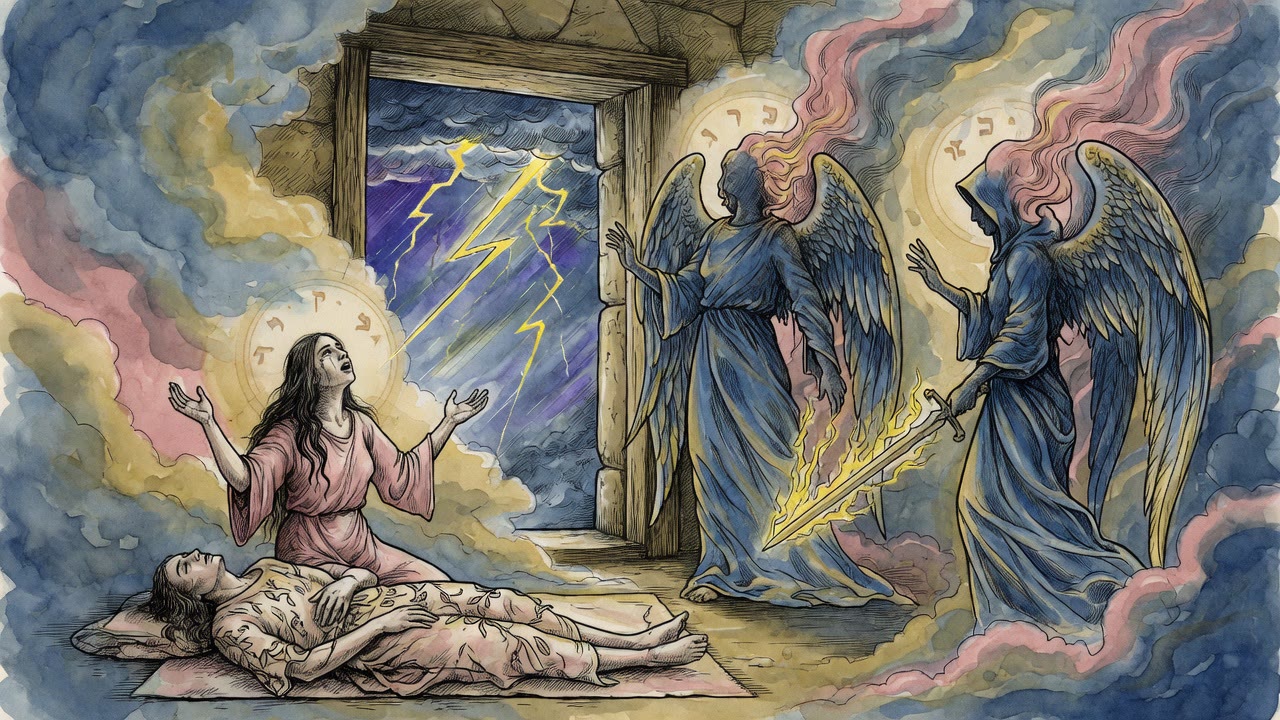
The king threw his servants into the dark and walked away furious. Night settled on the stones. Then curiosity outran anger. He took his guard and stood with his ear to the prison wall, hungry to know whether the people he had locked away still cursed his name.

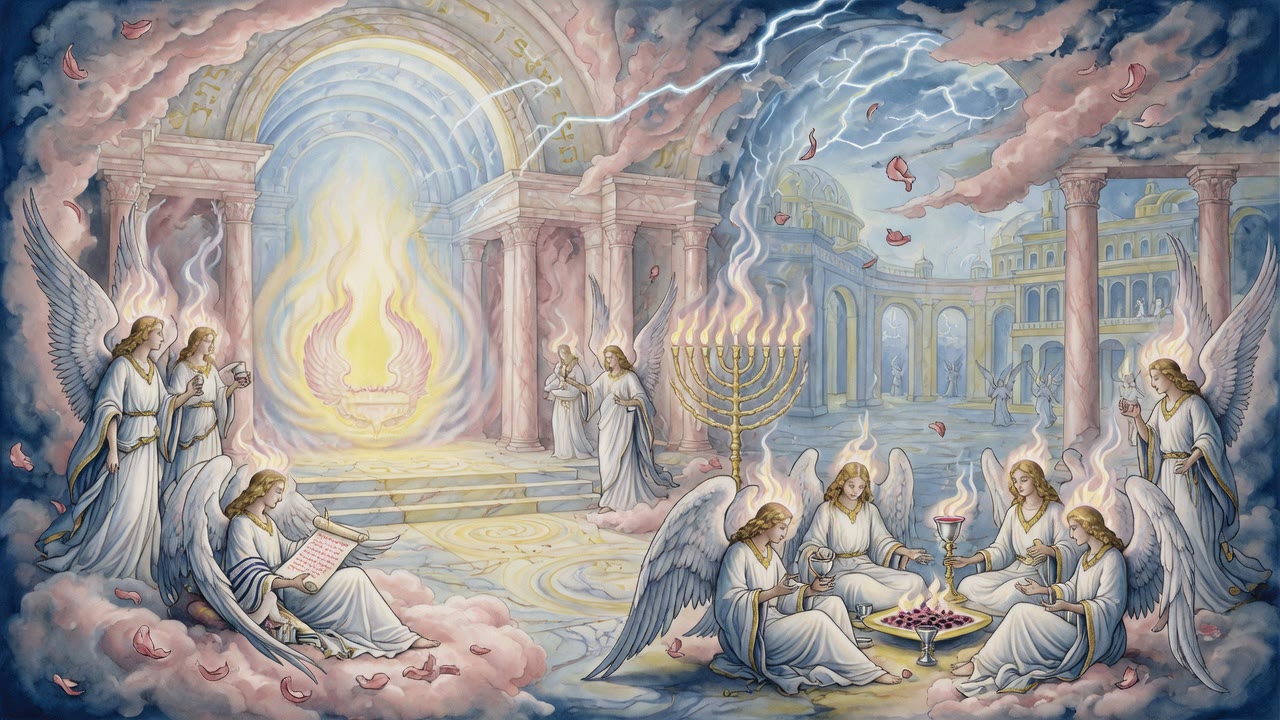
The King Listened Outside the Prison Walls Click for full size

They were praising him. "Our lord the king is our praise, he is our life. Let us never lack our lord the king." Joy cracked his face open. He shouted through the masonry. "My children, raise your voice so that your counterparts nearby will hear!"

Gardens Where Companions Listen

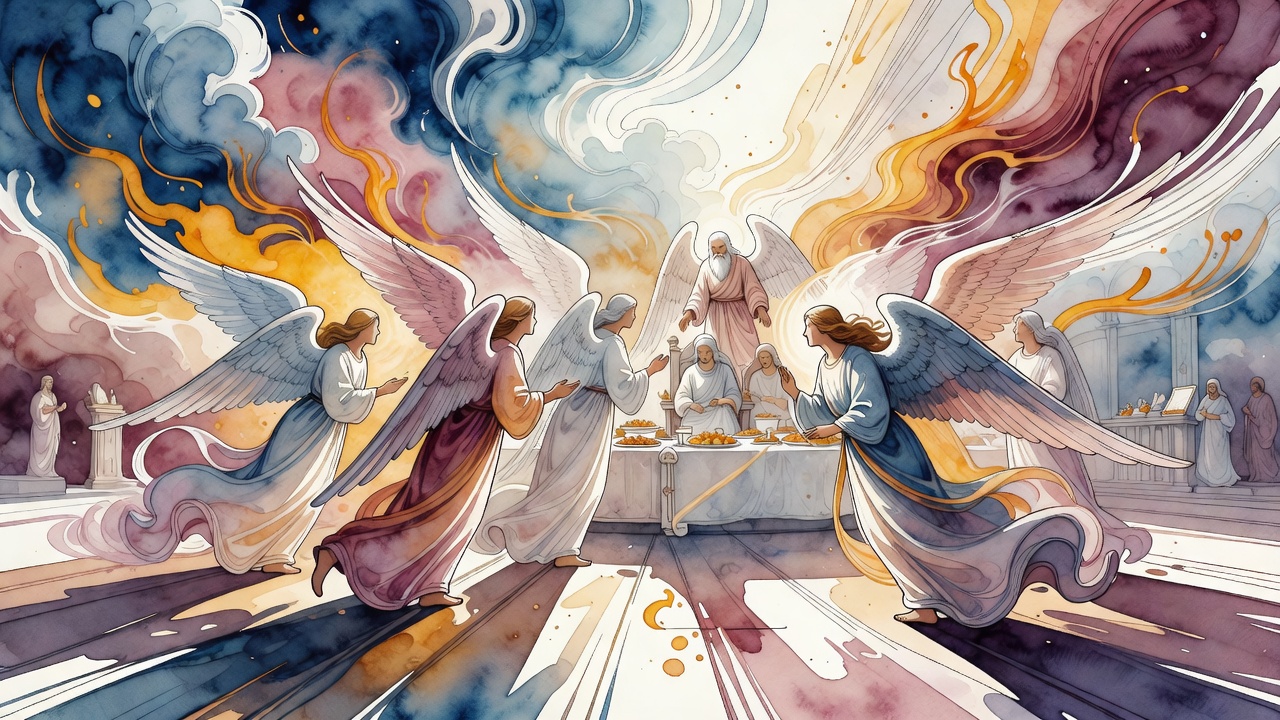
Song of Songs names a dweller in the gardens whose companions listen for a voice (Song of Songs 8:13). The midrash sets God in that pose when Israel, worn by weekday labor, rises early on Shabbat, gathers in the synagogue, recites the Shema, opens the ark, reads Torah, and lifts the haftarah. The King of the world wants the volume high enough for the companions to catch every word.

Who are the companions? Ministering angels. Heaven's court leans toward human mouths when those mouths lock into one sound. The prison parable is not about crime. It is about exile that still sings, and a sovereign who cannot stay away from the wall.

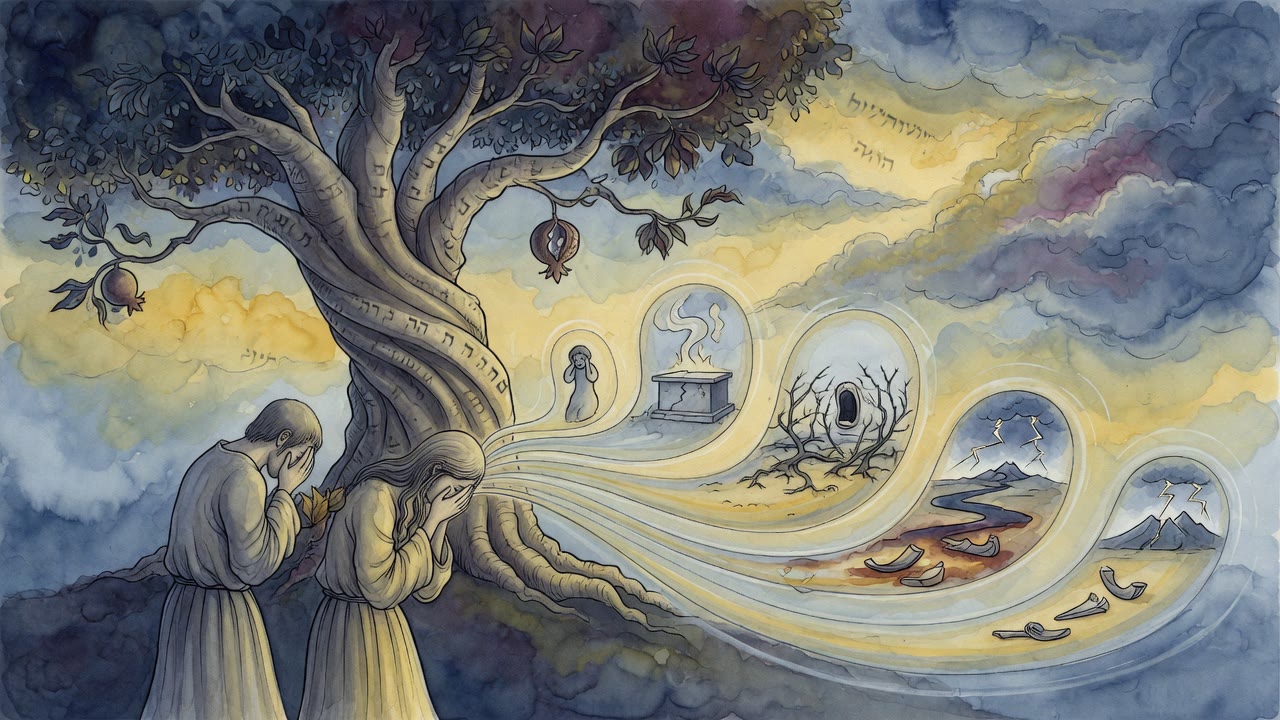
The gardens are not soft scenery. They are the places where Israel still plants prayer under empire, under fatigue, under the ordinary weight of six working days.

When the Shema Arrives Together

When Israel enters the synagogues and says the Shema (Hear O Israel) with one mind, God answers as the gardener of the verse. Companions listen. Let Me hear it. Unified devotion pulls the whole entourage to attention. Pray as a collective, and the court of heaven becomes all ears.

When the same words scatter, some racing, some lagging, mouths ahead of hearts, the Divine Spirit shouts back in the key of the next verse. Intention shapes reception. A disjointed room can drown a true sentence. A blended room can make angels stop their own song to hear clay sing.

The Shema is short enough to rush and deep enough to hold a world. The midrash cares which way a community holds it. Speed without shared mind is noise. Shared mind turns a handful of Hebrew into a signal that pulls angels to the garden wall.

The Condition the King Still Enforces

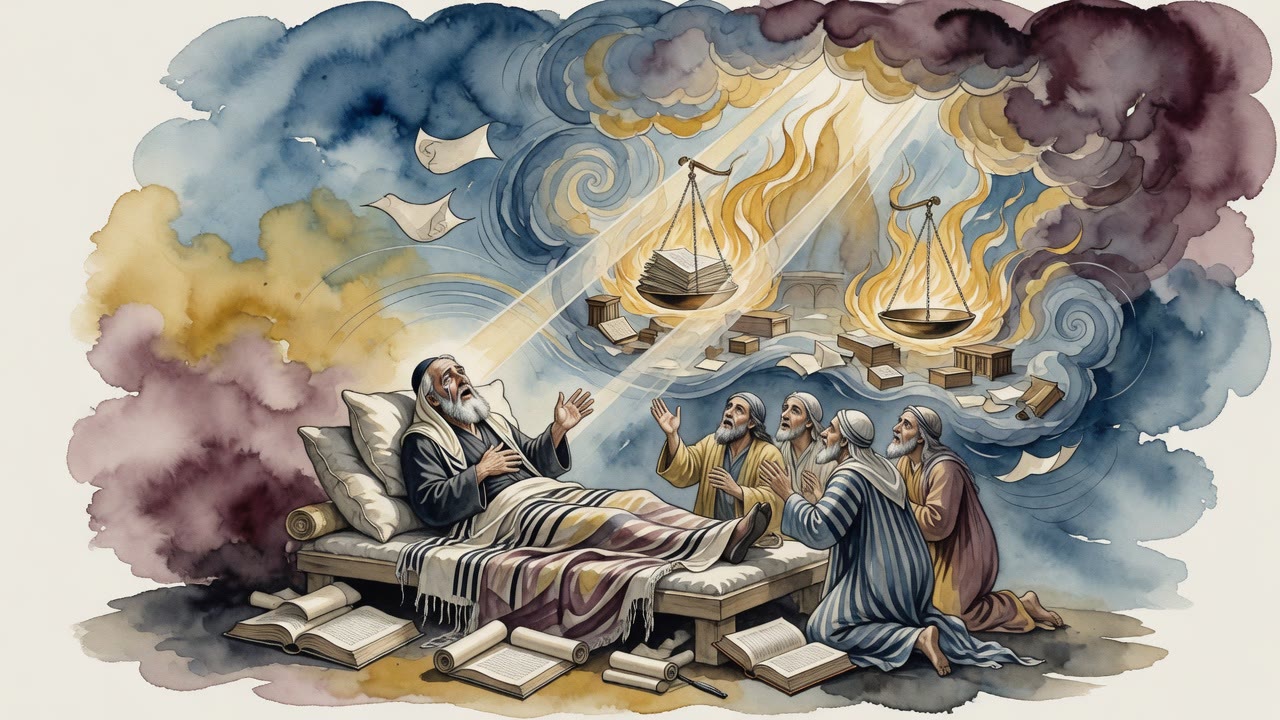
Praise from a prison full of hatred does not travel clean. The midrash sets a hard term on the privilege. Do not hate one another. Do not envy. Do not provoke. Do not shame. If enmity fills the benches, the ministering angels report before God that the Torah given to Israel is not being lived, only mouthed. Rivalry becomes static on the line from earth to throne.

The king at the wall wanted louder praise so nearby ears could share it. Nearby angelic ears also hear the tone of the week that led to Shabbat. A community that wounds itself all six days cannot expect the seventh day's Shema to sound like love.

Hypocrisy has a volume of its own. It can outshout piety. The parable refuses to let beautiful words launder a bitter house.

Labor, Lock, and Early Rising

Israel spends the week in the fields and shops of ordinary pressure. That labor is the prison of the parable without romance. When Shabbat opens the door of time, the people do not saunter. They rise early. The midrash loves that haste. It is the servants pressing their mouths to the inner side of the wall, eager for the King to hear life still naming Him as life.

Bar Kappara and the chain of teachers keep the image warm across generations. The story does not ask for marble halls. It asks for a voice honest enough that a listening King will risk the humility of an ear against stone.

Somewhere a synagogue still fills. Somewhere the Shema still either braids or frays. Outside the wall, if the old parable holds, a King still chooses to listen before He chooses to punish, and still asks the prisoners of history to sing loud enough for angels. The gardens wait. The companions wait. The only question left is whether the voice from inside the stone is one voice or a quarrel wearing prayer shawls.

The parable also flatters no one who thinks exile means God has walked away. The king left in anger and came back with an ear. Distance was never abandonment. It was a pause that made the listening more deliberate. Israel in its many prisons, from Egypt to later empires, is told that praise still pulls the royal body back to the wall.

Raise your voice, the king said, not for his own vanity alone, but so the counterparts could hear. Angels are not props. They are witnesses who can either confirm a people's unity or indict their pettiness. The garden is a courtroom as much as a orchard of song.


← All myths

From the tradition

Sources

2 sources

The texts behind this telling. Some cards carry a translation of the source; others are our own retelling of it, and each card says which. Every card links out to the original.

Shir HaShirim Rabbah 8:12Shir HaShirim Rabbah

Retold in our words. Read the original at the link below.The Sefaria Midrash Rabbah, 2022 · CC-BY

It all starts with a verse from (Song of Songs 8:13): “The one who dwells in the gardens, companions listen to your voice; let me hear it.”

Rabbi Natan, quoting Rabbi Aḥa, uses a parable to unpack this verse. But instead of forgetting them, the king, curious, takes his royal guard and other servants to listen at the prison walls. He strains to hear what his imprisoned servants are saying. To his relief, he hears them praising him: "Our lord the king is our praise, he is our life. Let us never lack our lord the king.” Overjoyed, the king calls out, "My children, raise your voice so that your counterparts who are near you will hear!"

This, the Rabbis tell us, is how God feels about Israel's prayers. Even though we are occupied with our daily labors throughout the week, when Shabbat (the Sabbath) arrives, we rise early, gather in the synagogue, recite the Shema (the central Jewish prayer proclaiming God's oneness), approach the Ark, read the Torah, and recite the Haftarah (a reading from the Prophets). And what is God's response? Just like the king in the parable, God says, "My children, raise your voice so that the companions who are near you will hear."

Who are these "companions"? According to the Midrash, they are none other than the ministering angels! Imagine that – our prayers, our heartfelt words, are not only heard by God, but they also resonate throughout the heavenly realms, witnessed by the angels themselves.

But there's a crucial condition attached to this divine audience. We are admonished: “Make certain not to hate one another, not to be jealous of one another, not to provoke one another, and not to shame one another.” Why? Because if we are filled with animosity, the ministering angels will say before God: "The Torah that You gave to Israel, they do not engage in it; behold, there is enmity, jealousy, hatred, and rivalry between them."

In other words, our actions speak louder than our words. Our prayers are hollow if they are not accompanied by genuine efforts to live in peace and harmony with one another. Our hypocrisy can drown out our piety.

Bar Kappara offers a beautiful explanation of why the angels are called "companions" in the first place: "Because there is no enmity, jealousy, hatred, rivalry, heresy, and divisive words between them." The angels, in their perfect unity and devotion, serve as a model for us. They embody the very qualities that God desires to see reflected in our own community.

So, what does all of this mean for us today? Perhaps it's a reminder that prayer is not just about reciting words, but about cultivating a spirit of love, compassion, and unity. It's about recognizing that our actions have cosmic implications, that our relationships with one another reflect our relationship with God. When we strive to live in peace and harmony, we amplify the power of our prayers, allowing our voices to truly resonate throughout the heavens, reaching not only God, but also inspiring the angels themselves.

Full source
Shir HaShirim Rabbah 8:12Shir HaShirim Rabbah

Retold in our words. Read the original at the link below.The Sefaria Midrash Rabbah, 2022 · CC-BY

It centers around the verse, "the one who dwells in the gardens, companions listen" (Song of Songs 8:13). Now, who are these companions, and what gardens are we talking about?

The Rabbis offer a stunning interpretation: when the people of Israel enter synagogues and recite the Shema – that central Jewish prayer proclaiming God's oneness – with devotion, with a unified voice and mind, God says, "The one who dwells in the gardens… when you call out, 'companions,' I and My entourage ‘listen to your voice; let Me hear it.’”

God, surrounded by His heavenly entourage, listening intently to the prayers of the Jewish people. As the Matnot Kehuna commentary explains, when we pray as a unified collective, God and His court are all ears.

Another interpretation suggests that the "companions" are the ministering angels. So, when we call out in prayer, it’s not just God, but the entire angelic host, listening to our voices.

But there's a flip side. What happens when the Shema is recited without focus, without that sense of unity and devotion? When people rush through it, some starting early, others lagging behind?

Then the Ruach (spirit) Hakodesh – the Divine Spirit – shouts out in response. The Divine Spirit shouts and says what appears in the following verse. It's a stark reminder that our intention, our kavanah, matters. It shapes the very reception of our prayers.: have you ever been in a congregation where the prayers felt… disjointed? Where everyone was on a different page, rushing through the words without really connecting? And then, contrast that with a moment when the entire community is singing in harmony, hearts open, voices blending in a unified expression of faith. The difference is palpable.

This passage from Shir HaShirim Rabbah isn't just about reciting words. It's about creating a connection, a moment of shared devotion that resonates not only within the synagogue walls, but also in the heavens above. It urges us to bring our full selves to prayer, to be present, to be unified, so that when we call out, the Divine Presence and its companions will truly listen.

Remember the gardens, the companions, and the power of a unified voice raised in devotion. It might just change the way you pray.

Full source