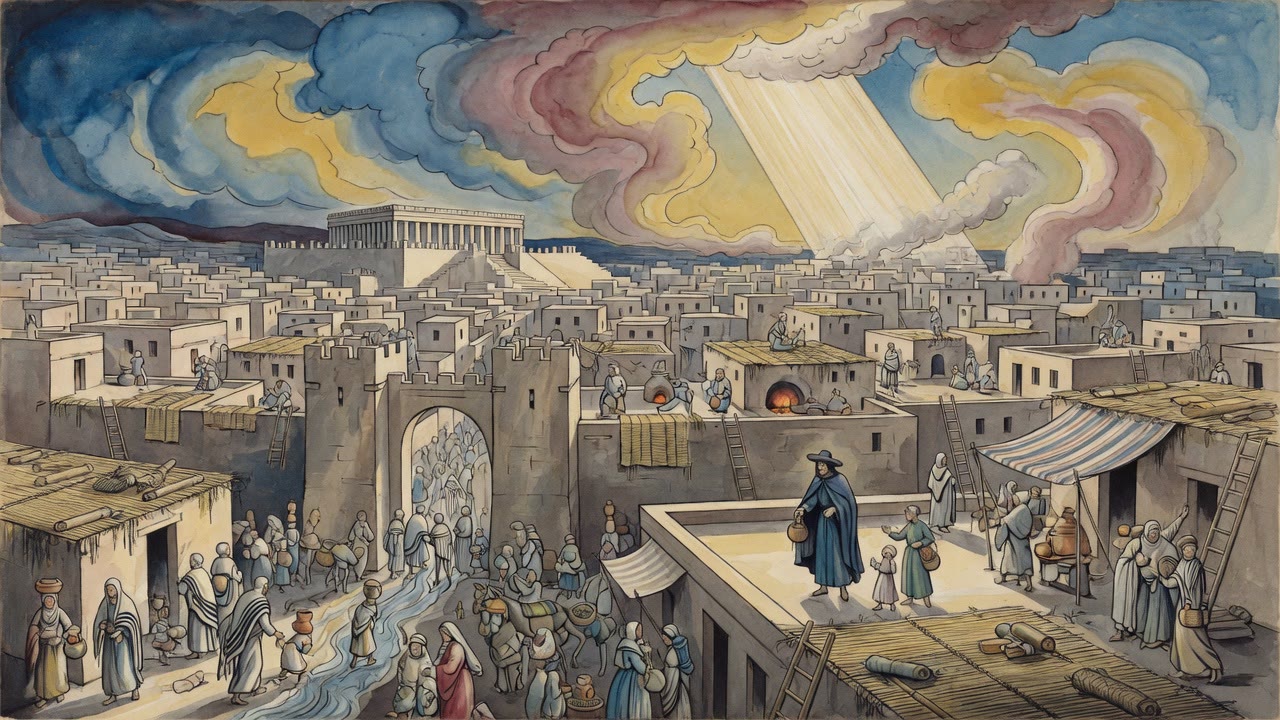
Wives Call the Weary Home at Seventh Hour
Hour by hour the pious divide a day between Shema (Hear O Israel), work, and rest, until wives call the king's exhausted servants home before Shabbat light.
Table of Contents
 Click for full size
First Hour, First Word
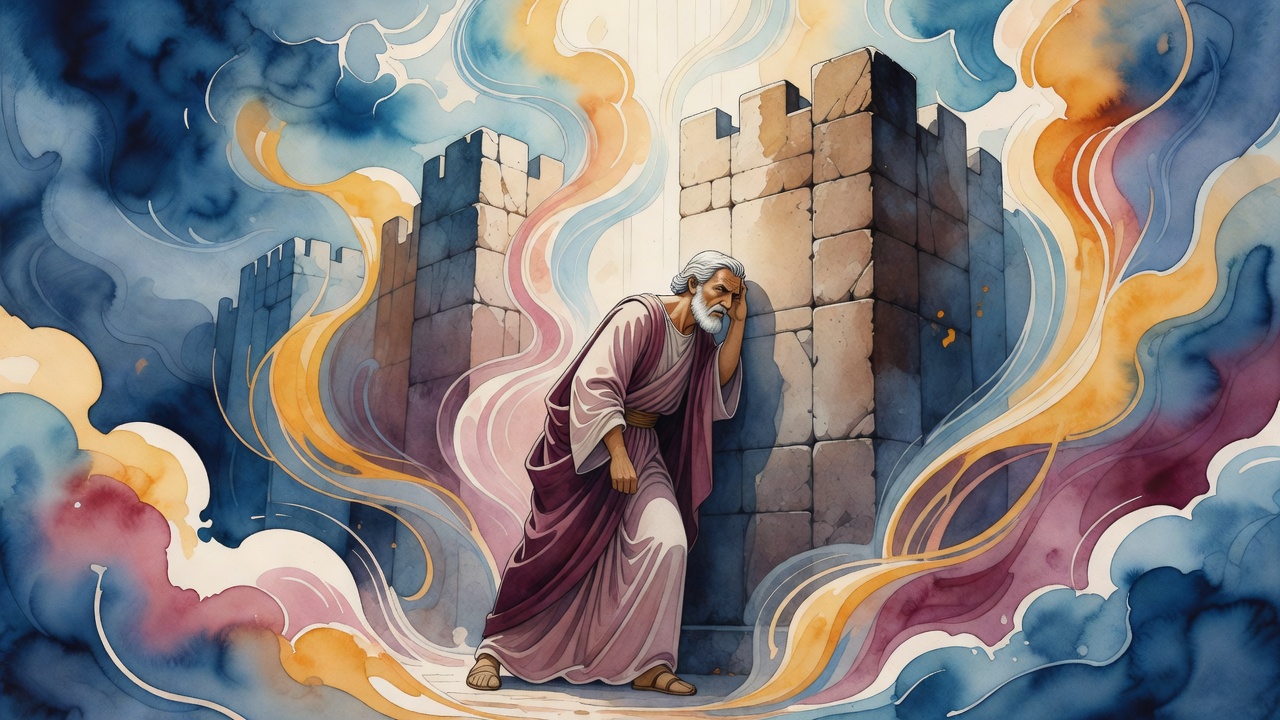
Before the sun cleared the wall, a man already had the Shema (Hear O Israel) on his tongue. First hour for the oneness of God. Second hour for prayer that is more than recitation. The day was not a pile of errands. It was a ladder of hours, each rung named.
Third hour: eat. Fourth: grace, deliberate thanks, not a mutter over crumbs. Fifth: business, because bodies still need bread and the market does not pause for righteous ones. Sixth: weariness admitted. Rest mid-course, a public confession that human limits are not a moral failure.
He wiped sweat and did not pretend the schedule made him an angel. It only kept him from drowning in one long blur of need.
Come Home, Ye Weary Ones
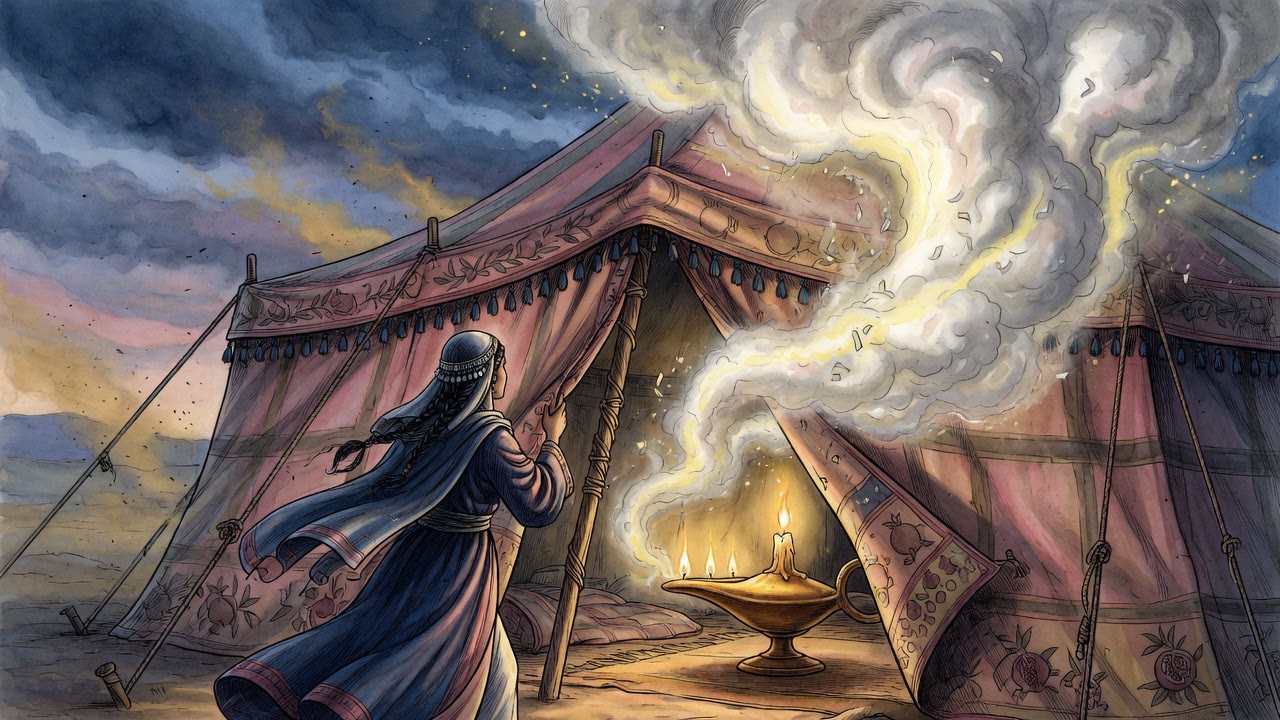
Seventh hour. Voices from doorways. Wives calling men home from what the tale names the king's service. Come home, ye weary ones, who are so exhausted by the king's service. Whether the king was a mortal ruler or the press of divine demand, the call was tender. Home was not desertion. Home was the next commandment.
Feet turned from stalls and fields. Children heard the door. The day that began with the Shema bent toward the table and the quiet that makes tomorrow's Shema possible. Structure without tenderness would have been a barracks. Tenderness without structure would have been a drift. They held both.
A woman stood in the threshold with flour on her wrists and counted her husband among the returned. The street filled with the soft noise of men obeying a softer law than any decree on stone.
Shabbat and the Longing for Rest
Then the seventh day. Synagogues. Books opened. Prophets translated so ears could catch fire. Hostile tellers later claimed such gatherings cursed kings and governments. The longing underneath the accusation is clearer than the libel: "This is the day whereon the great God rested; so may He grant us rest from the heathen."
Rest here is political and holy at once. A people under foreign pressure does not invent Shabbat as a hobby. It keeps a clock that empire does not own. When they read and translate, they are not only studying. They are reclaiming time.
Candles, in later memory, would mark the edge. Even without that detail, the old schedule already knew the day must end in a different kind of hour, one that does not answer to the market's shout.
What Piety Looks Like on a Throne
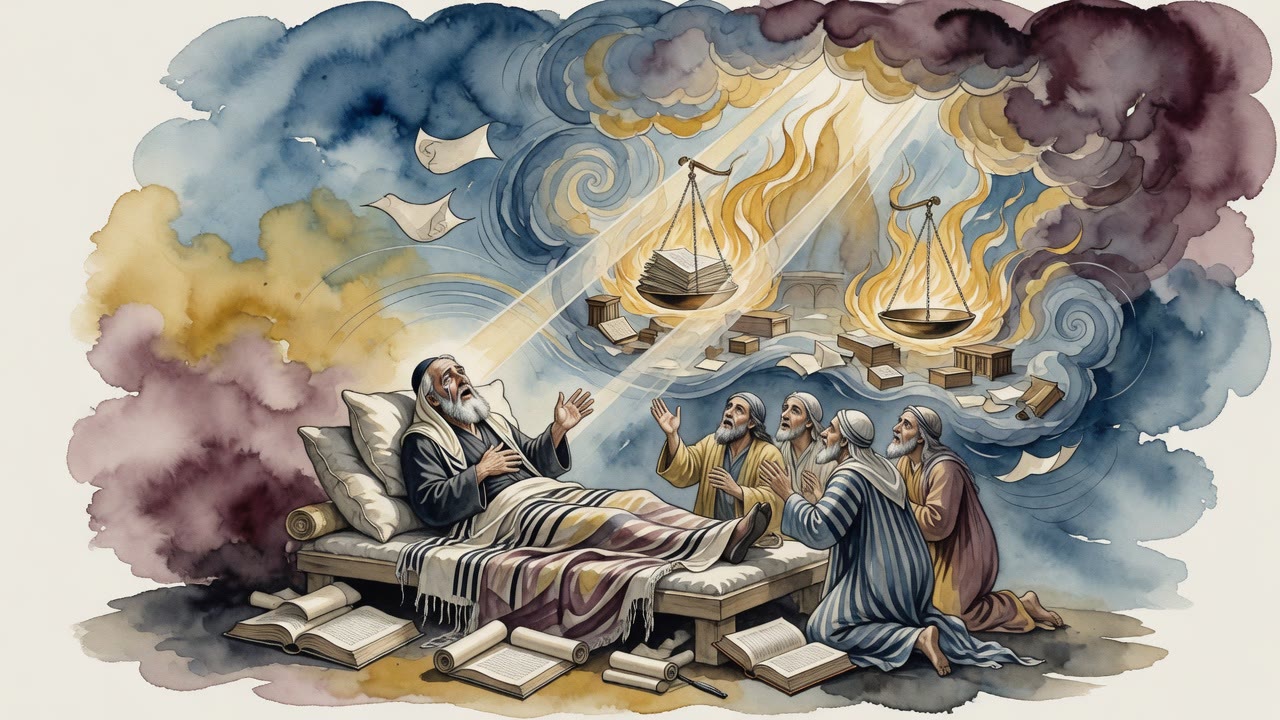
In Alexandria's imagined banquet, a king asked for the true mark of piety. "Perceive that God constantly works in the universe and knows all things," an elder said. "No one who acts unjustly escapes His notice. As God is the benefactor of the whole world, so you must imitate Him and be void of offence."
The same pressure runs from the wife's doorway to the royal question. Piety is not a private hobby of hours. It is being watched and still choosing not to wound. A laborer who keeps the Shema and cheats a neighbor has failed the schedule. A king who praises God and crushes subjects has failed the banquet answer.
Hour-keeping and throne-keeping share one fear: that heaven sees the books.
The Day Closes
Night folded the ladder of hours. First-hour words still lived in the mouth. Seventh-hour call still lived in the ears. Shabbat, when it came, gathered the week into a single long breath. The man who had sold and prayed and rested mid-day lay down knowing the next sunrise would restart the count.
No empire's calendar could fully erase that rhythm. Wives would call again. Business would demand again. The Shema would open the day again. Piety, in this telling, is less a mood than a timetable that refuses to let the powerful own every hour.
Not every man answered the call at once. Some stayed for one more deal, one more favor to a superior. The schedule exposed them. A day divided by prayer makes lateness visible. The wife at the door became a kind of prophet of limits: the king's service ends, the body's service ends, the Name's claim on rest begins.
Children learned the rhythm before they learned letters. First hour sound. Midday pause. Seventh hour voices. Shabbat light, when it came in later custom, only crowned a pattern already old in the legend. Empire could conscript labor. It could not fully own a people who had already sold their hours to another order.
In Alexandria the mark of piety was cosmic surveillance joined to imitation of divine good. In the village doorway the mark of piety was coming home when called. Different stages, same refusal to treat power as unsupervised. God knows. Therefore stop. God benefits the world. Therefore do not grind the weak for an eighth hour of gain.
← All myths