David Lay Down to Die While Joab Was Dragged From the Altar
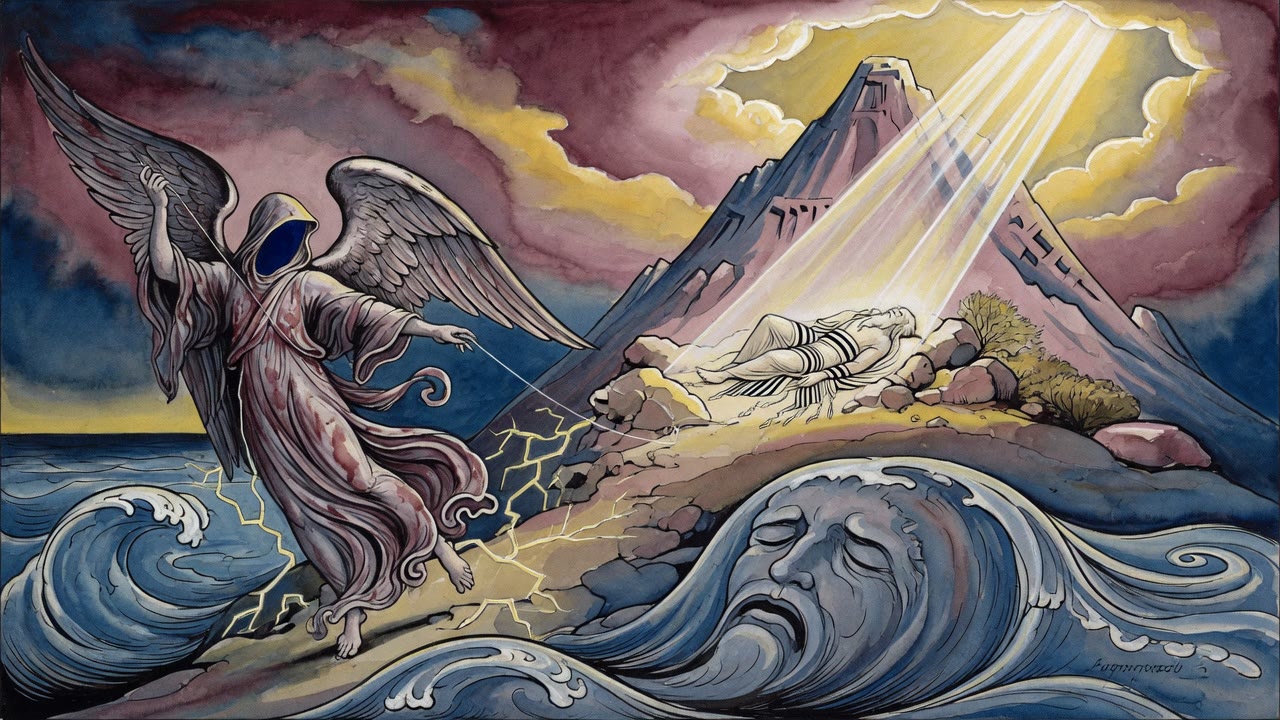
Joab grabbed the horns of the altar with both hands, bronze biting his knuckles. They dragged him off it and killed him there. David died in his own bed.
Table of Contents
 Click for full size
The King Who Only Lay Down
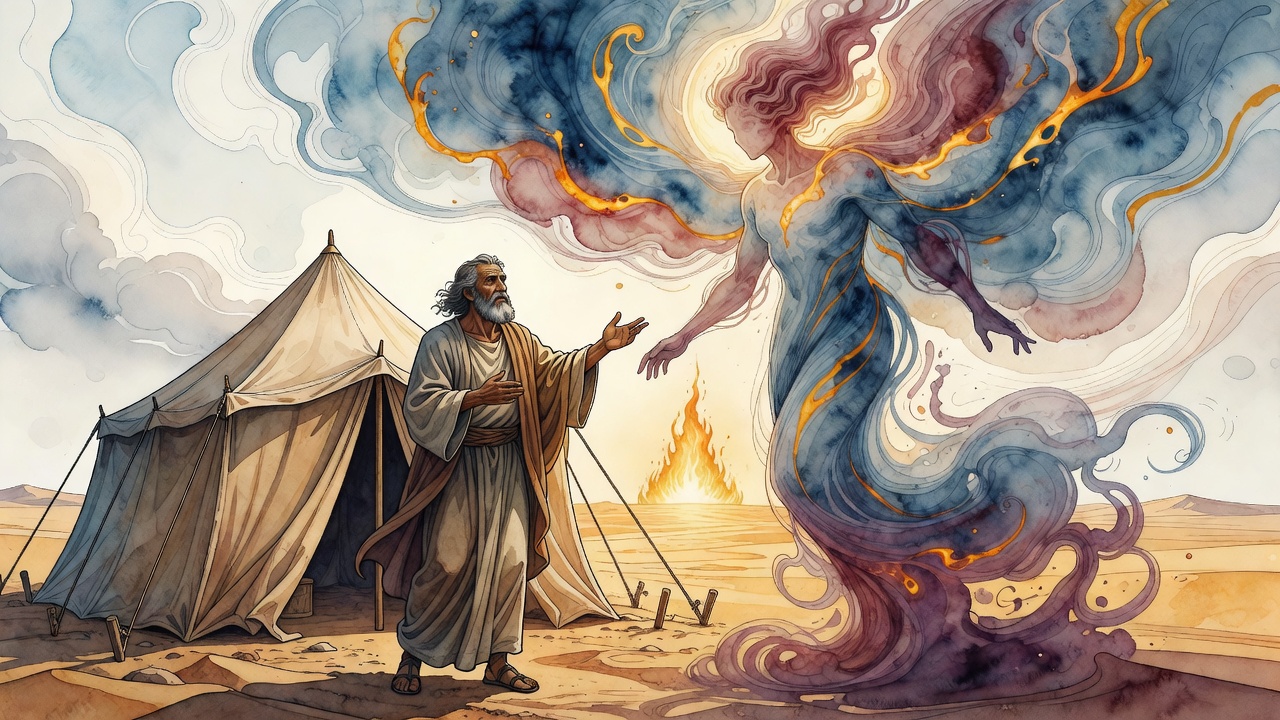
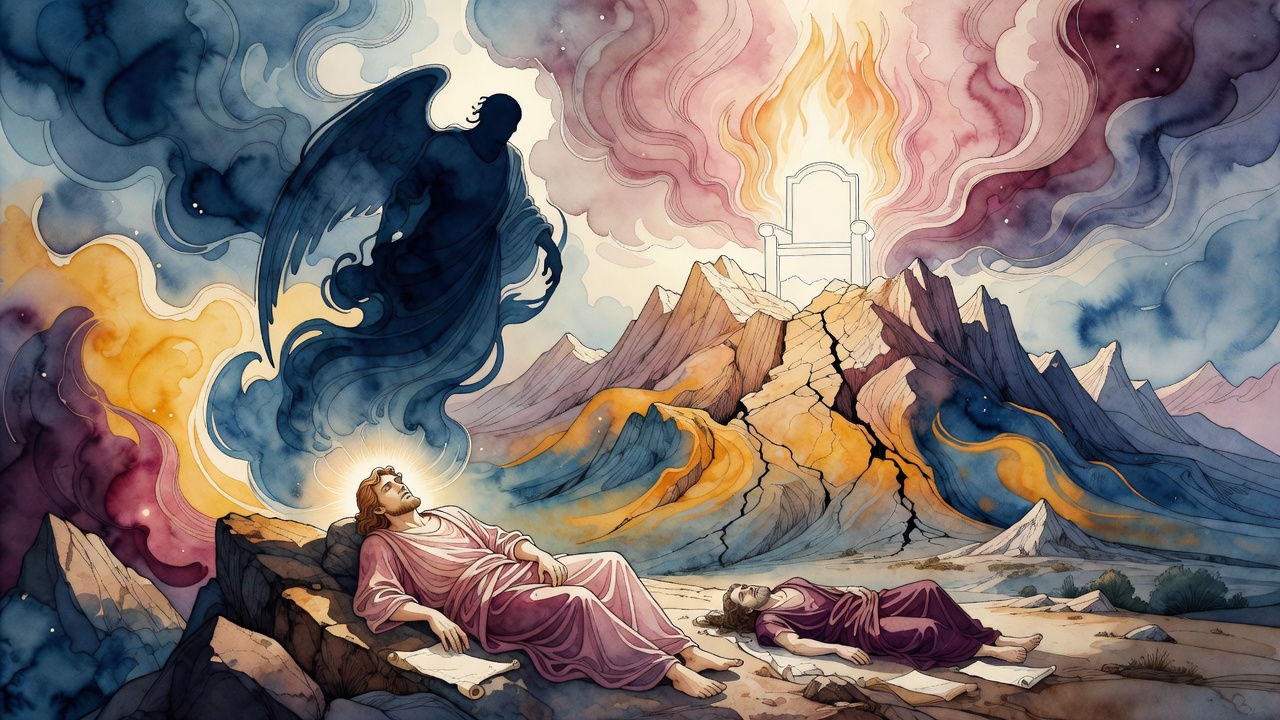
David did not thrash against his last hour. He lay back on his bed in Jerusalem, the crown set aside, and his breath went out of him the way a lamp gutters low and settles into the wax. The messenger who comes for every soul, king and beggar alike, stood at the bedside and found the old king already lying down, already turned toward sleep. And so Scripture kept one gentle word for the end of him. David "lay down" with his fathers, the way a man lies down at night and trusts that morning will wake him.
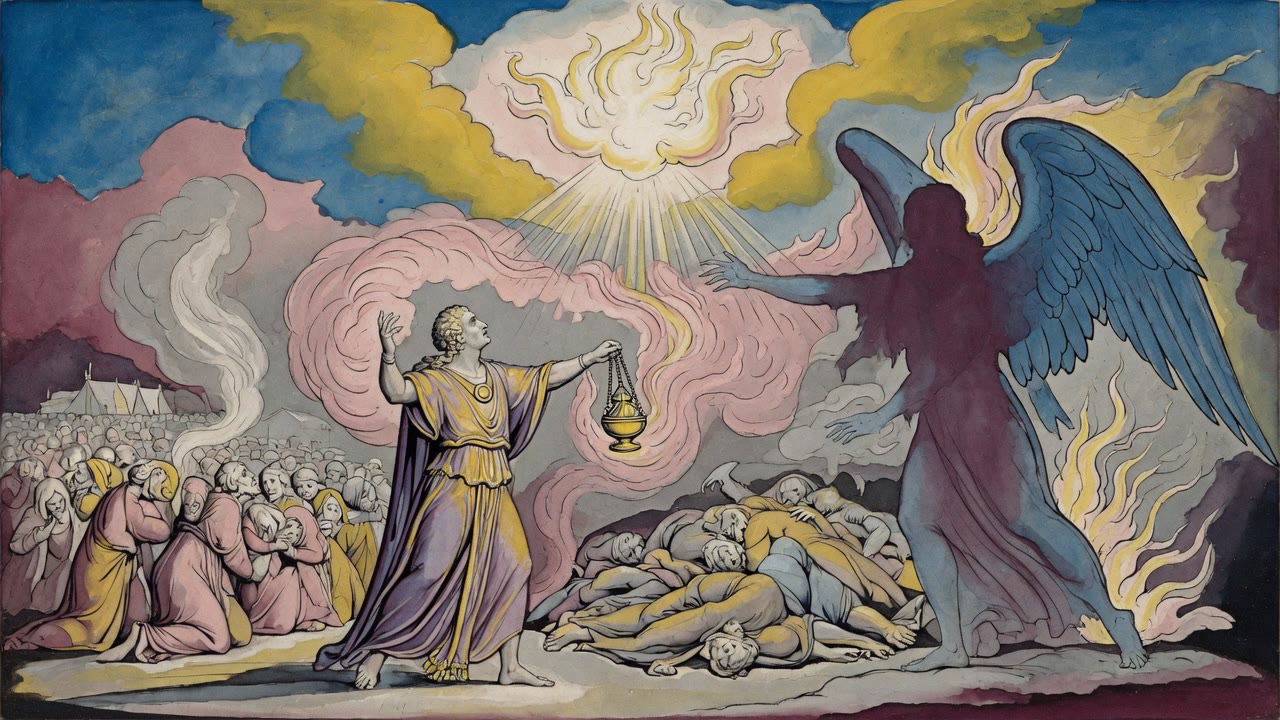
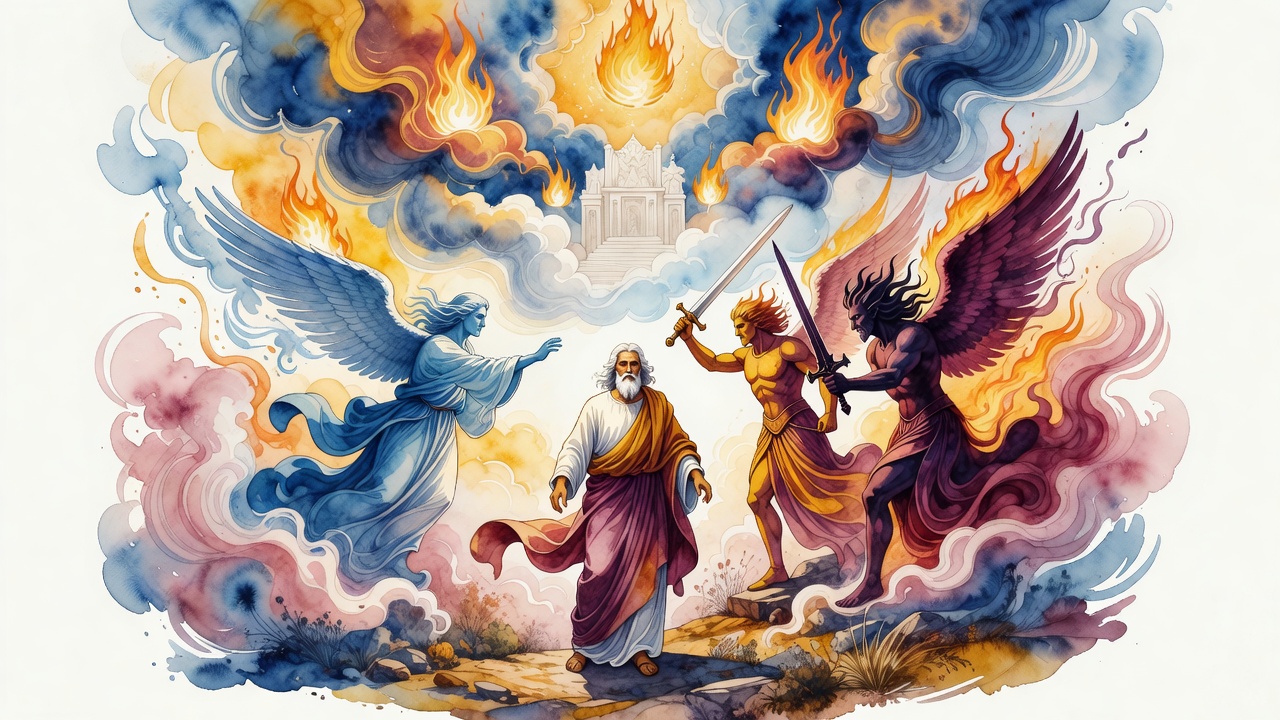
In the same turning of the kingdom, another old soldier met his death, and nothing about it was gentle. Joab had led David's armies through every war the throne had ever fought. When his hour came he ran to the Tent of the Lord and seized the horns of the altar with both hands, bronze biting into his knuckles, and he swore he would not let go. He was dragged from it anyway, and the blade found him there. For Joab, Scripture reached for a harder word. Joab "died."
Two Words the Angel of Death Obeyed
Is lying down not already a kind of dying? The bed empties a body and the altar empties a body, and both men were gone by morning. And heaven wrote the two ends in two different hands, not for the sake of grammar.
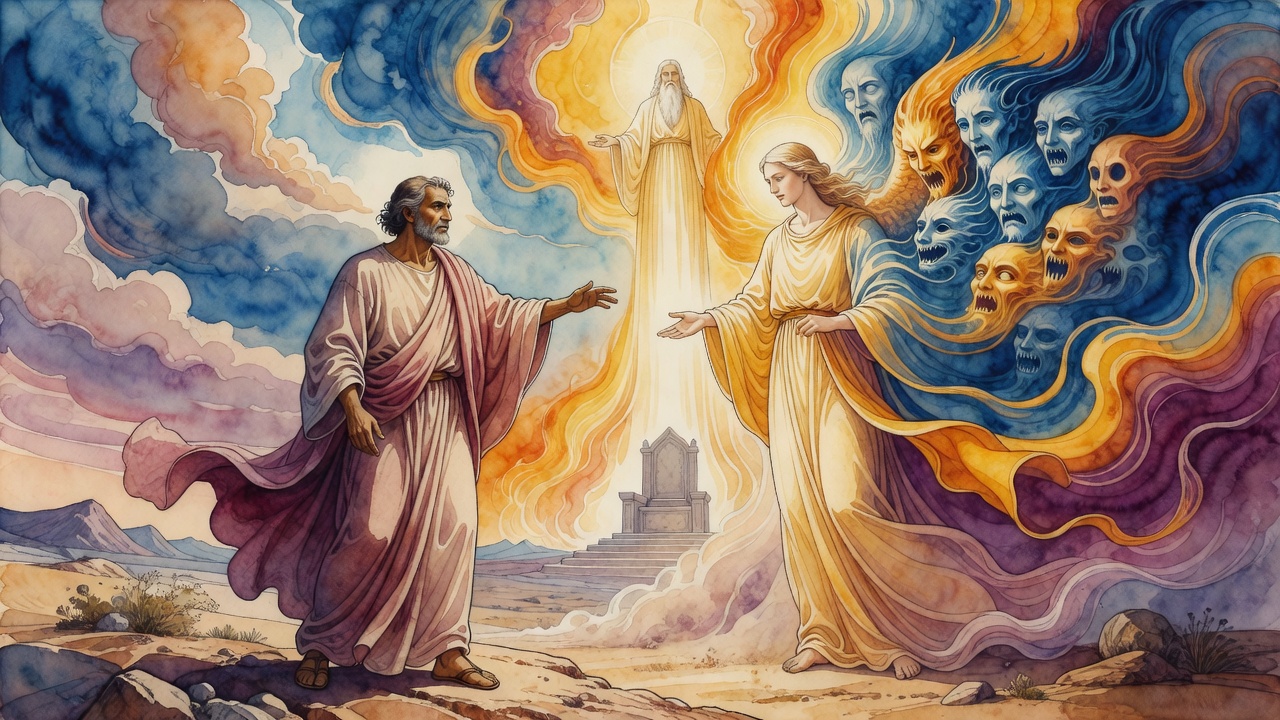
One reason lay in the manner of it. David died upon his own bed, gathered inward, while Joab was cut down by iron, so the softer word went to the softer death. A second reason lay in the men themselves. David was a king, and a king lies down; Joab was a captain of the host, and a captain falls in the field. The third reason was sharpest of all. Long before, Samuel had poured the oil of anointing over David's head, the oil that sets a man apart and marks him as belonging to God, and that same oil had never once touched Joab. The anointing was the seam between them. It divided the man who sleeps from the man who merely stops.
The Single Horse From the Throne
When God comes near to gather a soul he holds dear, he does not wait for the whole army of heaven to form its ranks. There was once a king whose son was snatched away by raiders. His servants ran to harness the great chariot, every horse in its trace, every outrider in his place, but the king could not stand the delay of it. He threw himself onto a single horse and rode out alone after his child.
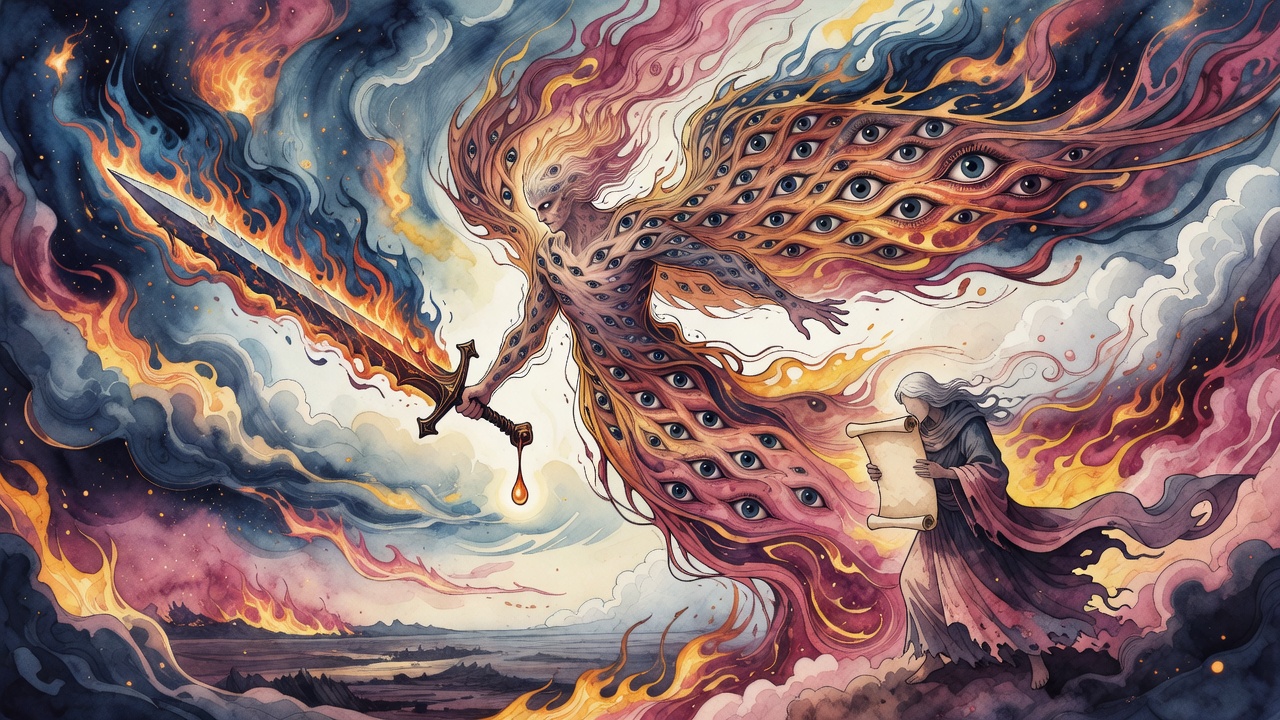
So it is told that God himself rode upon one cherub and flew, sweeping down on the wings of the wind. Underneath the whole falling weight of the world are the everlasting arms, and those arms were spread beneath David when he lay down. God keeps hidden worlds folded behind the darkness, curtained away like light behind a drawn veil, and he opens them for the ones he draws close. The anointed king did not drop into a pit when his breath left. He was caught, and carried.
The Mountain That Quaked for a Forgotten Grave
Not every death is met so tenderly by the living. When Joshua was born, no creature on the earth felt the weight of it. When he died, all Israel felt it, and the ground kept the record the people would not. They buried him on the north side of a hill, and Scripture calls that place the hill of Gaash, which means the hill of Quaking. Nowhere else in all of Scripture is such a mountain named. It earned the name in the hour of the funeral.
For Israel had grown careless with the man who carried them across the river into the land. One was busy among his vines. One was bent over his furrows. One was stacking wood to burn for charcoal. Each had somewhere to be and something to finish, and so the mourning for Joshua went half-spoken and the last kindness owed to the dead went unpaid. Heaven looked down on the vineyards and the fields and the smoking kilns, and God moved to shake the whole world loose beneath the feet of a people who could not spare an hour. The mountain quaked in their place. A grave trembled with all the grief the living had kept back.
When All Israel Gathered
It was not always so. When Samuel died, no man stayed among his vines. All Israel gathered as one body and lamented him, tribe beside tribe, for Samuel had gone out year upon year, from town to town, judging them and settling them, and returning each time to his own house in Ramah. They gave him back out of what he had given them. The prophet who had walked to every doorway in the land was carried, at the last, by every hand in it.
One whom a serpent has bitten, the old proverb runs, flinches afterward even at a coil of rope. Israel had let a single grave go unhonored and felt the mountain heave beneath them for it, and they did not make that silence a second time. David lay down and was gathered to his fathers. Joab died with his hands on the altar's horns. Joshua's hill trembles still, somewhere in the north country. And once, the whole house of Israel set down its work in the fields and wept together for the man who had judged it well.
← All myths