The Angels Waited on Israel to Name the Day of Judgment
The angels set up the heavenly court and asked when to judge, and God sent them down to wait on the day Israel's Sanhedrin would name.
Table of Contents
 Click for full size
The Angels Haul Out the Books
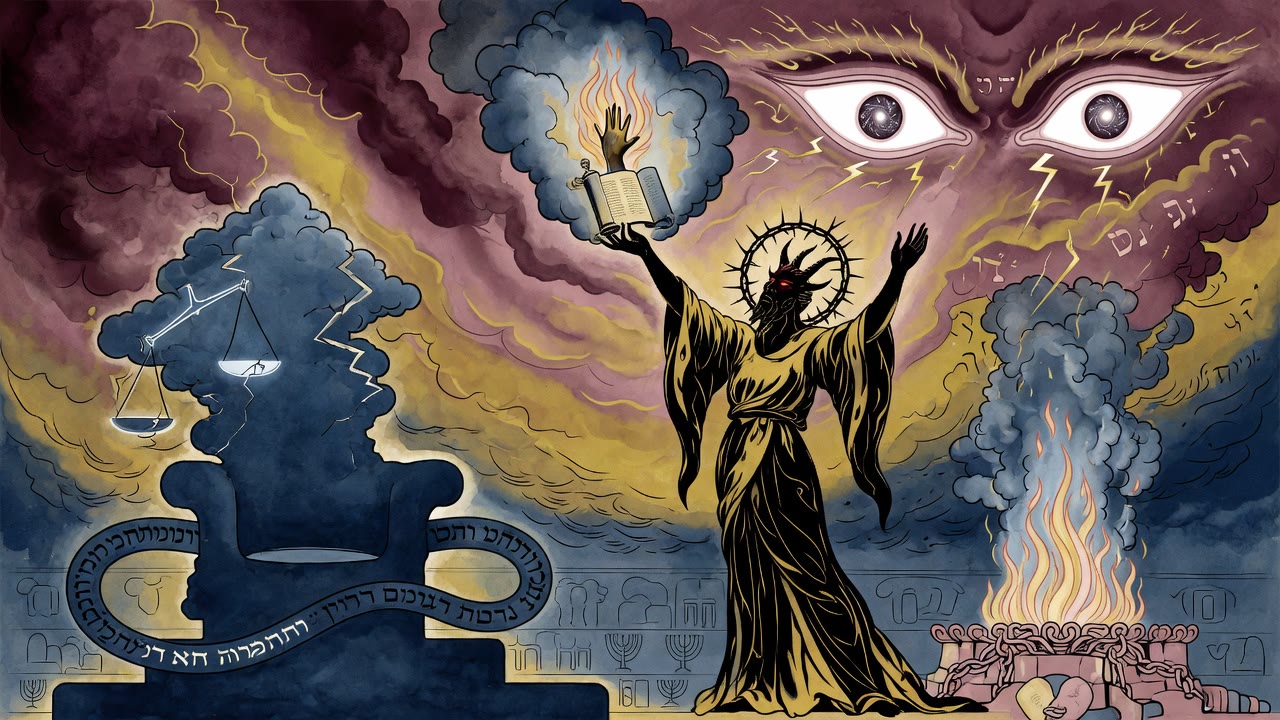
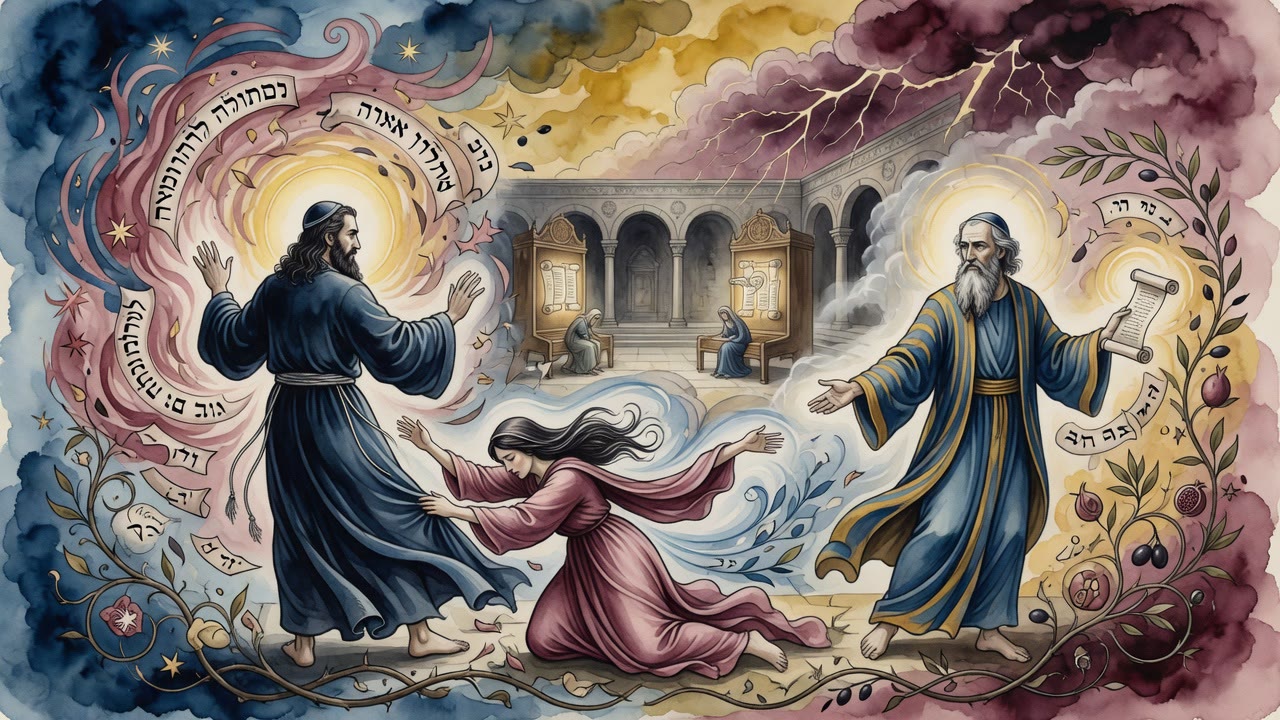
On the eve of the New Year the ministering angels dragged the great ledgers down from their shelves and set the benches of the tribunal in rows. The Holy One had given the order. "Set up the court," he told them, "and bring out the books, for tomorrow I sit in judgment over my children. Tomorrow is Rosh ha-Shanah."
They obeyed without a word. Benches in place. Advocates ready at the rail. Every scroll of every deed opened to the first page. The court above stood assembled and waiting for morning.
Then word climbed up from below. The earthly court, the seventy elders of the Sanhedrin, had sat in counsel and voted to stretch the year, to fold in an extra month and push the new moon back. Tomorrow would not be the day after all. The angels stood among the open books with nowhere to begin.
The Reckoning Is in Their Hands
They turned toward the throne. "Sovereign of the World," they said, "did you not tell us that tomorrow is Rosh ha-Shanah?"
The Holy One did not correct the court below. He corrected the angels. "The reckoning is in their hands," he said, and he reminded them of the first commandment he had ever placed in Israel's mouth, back in Egypt, before the plague of the firstborn. "This month is for you." Handed over. The calendar was no longer his to keep. "And I and you," he went on, "will go down to my children. Whatever they decree, we go along with them."
So the rule of heaven's own courtroom was set. When the earthly court declares the day, then and only then does the podium rise, the advocates are summoned, the clerks take up their pens. And if the two witnesses who saw the sliver of the new moon are late to reach the elders, the benches are folded away, the books are shut, and the judgment of the whole world waits until the next day. The tribunal of heaven stood ready to lose its own appointed morning to the pace of two tired men walking a road.
The Scroll That Sealed Itself in Ezra's Sanctuary
This deference was not new. Three times heaven had already set its seal on what mortals had decreed first, and the angels knew the stories.
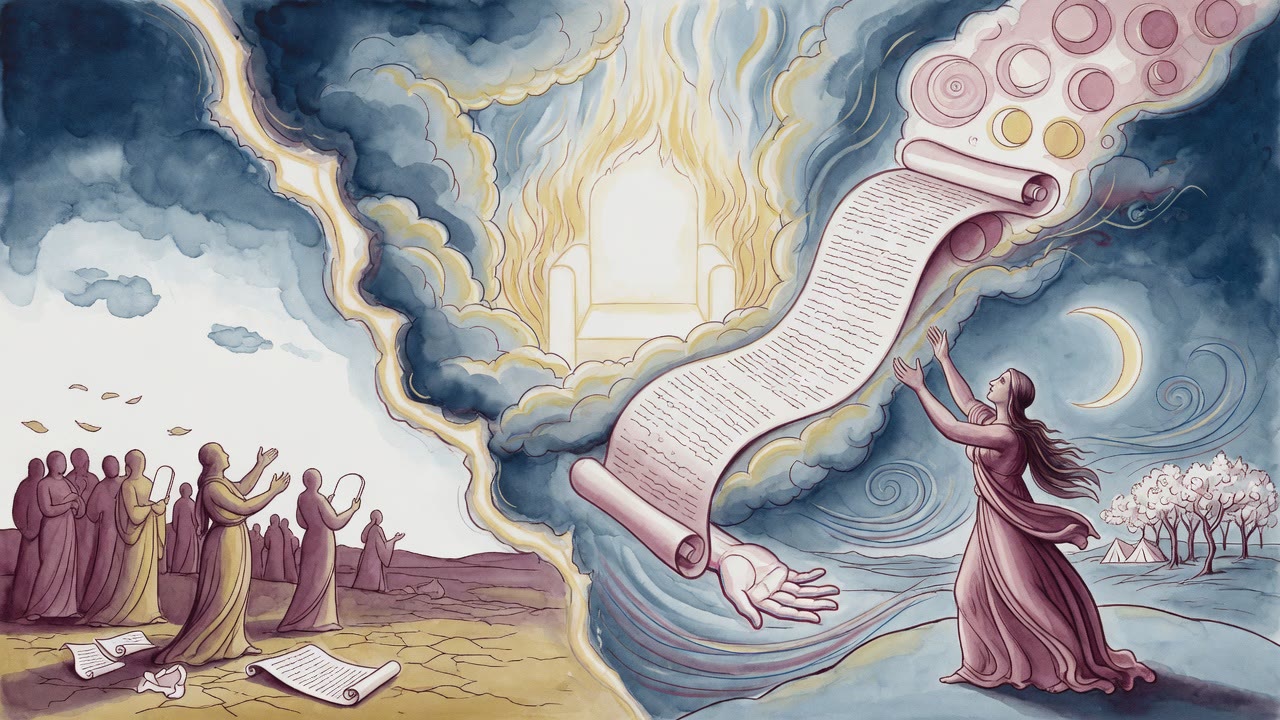
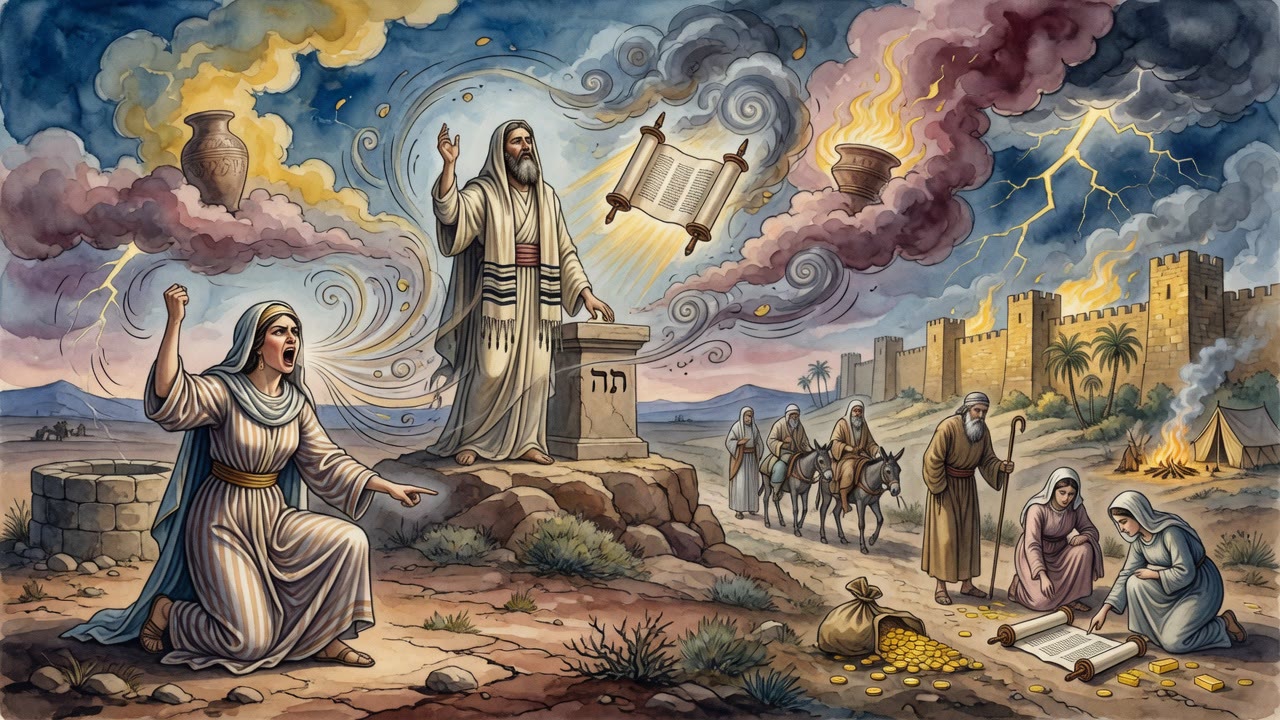
In the days of Ezra, when the exiles came up from Babylon to a ruined and half-built city, the Holy One meant to release them from the tithe. They were poor and few, and he would have lifted the burden from them. They refused the mercy. They rose instead and bound themselves by their own decree to give the tithe anyway, the first of the dough and the fruit of every tree, and they wrote the pledge out in a book and carried it into the Sanctuary and laid it down overnight. In the morning they came back and found the document sealed, signed above while the city slept. Heaven had countersigned the vow they had imposed on themselves.
What Esther Wrote Below, Heaven Wrote Above
The second time came in the days of Mordecai and Esther. No voice from Sinai had ever commanded the feast of Purim. A queen and her cousin fixed it themselves, in Shushan, over letters carried by fast riders, and Israel took the days upon itself. "They confirmed and took upon themselves," the scroll says, and the sages heard a double meaning in the word. What Israel confirmed below, heaven confirmed above. A holiday invented by two Jews in a foreign palace became a holiday written into the order of the year.
Jericho Devoted Without a Command
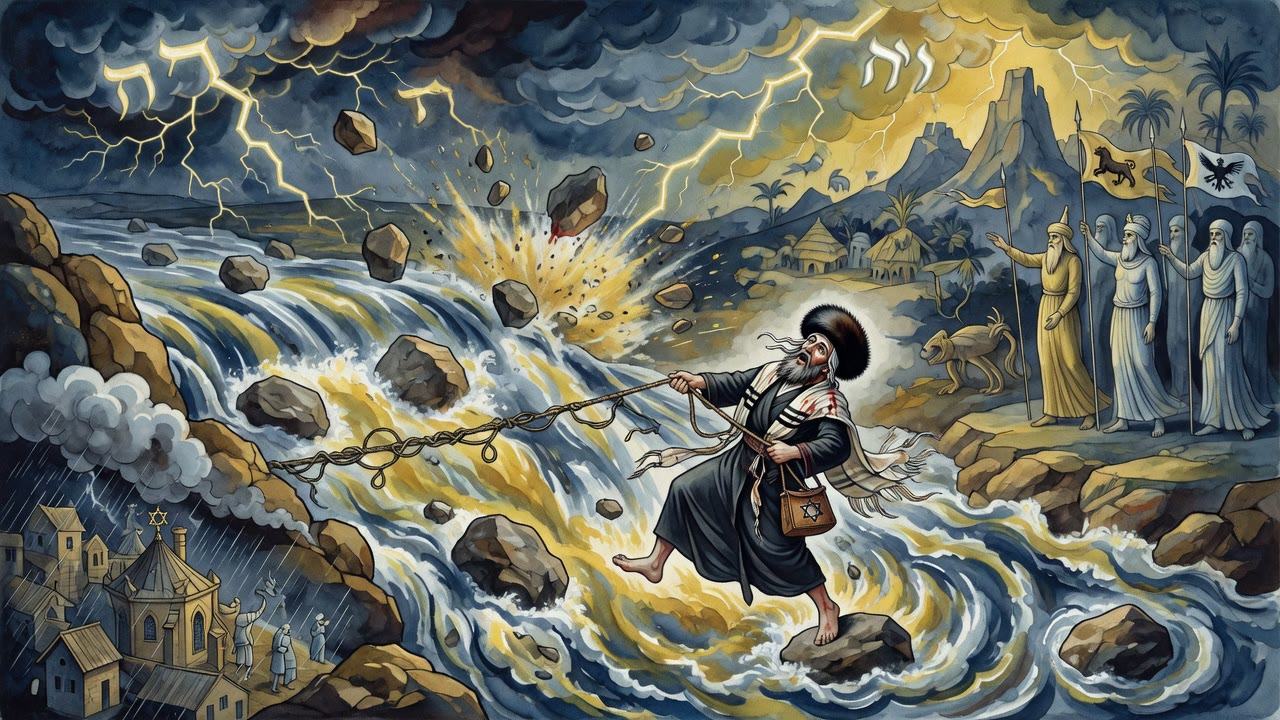
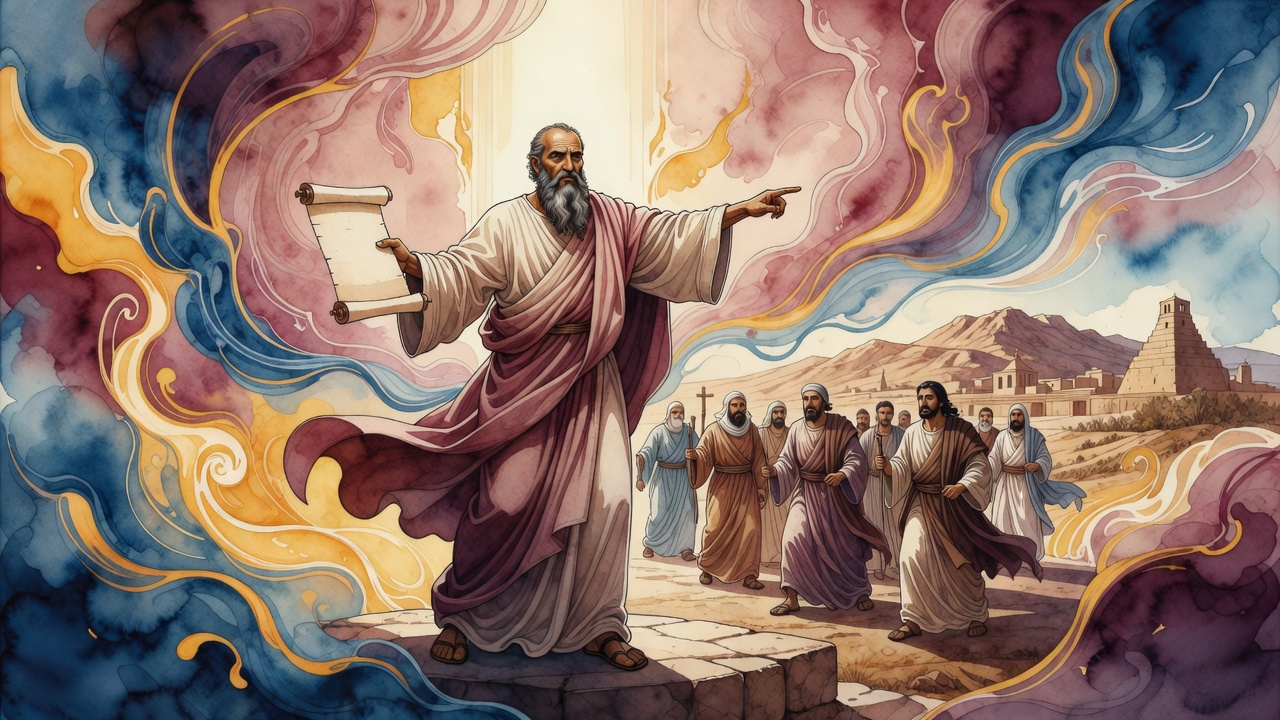
The third time reached back to Joshua, on the day Israel crossed into the Land and the walls of the first city fell. Joshua declared that city devoted to the Lord, placed under the ban, so that no man might take a thread of its spoil. No command from above had told him to say this. He ruled it on his own authority.
And then a man named Achan reached into the ash and took a cloak and silver and a wedge of gold and buried them under his tent. When the army broke and fled at the next small town, the Holy One named the crime himself. "Israel has sinned," he said. He treated a private theft from a ban that he had never decreed as a sin against his own law. The proof that heaven had ratified Joshua's word was the wrath that fell when a man broke it.
Heaven Goes Down With Israel
So the angels folded their argument and waited. Somewhere below, in a stone chamber, seventy elders leaned over a table and questioned two witnesses about the thickness of a crescent thin as thread. When the elders were satisfied, when a voice among them said, "It is sanctified, it is sanctified," the word ran outward, and only then did the podium rise in heaven and the advocates step forward and the clerks open the books they had shut the night before.
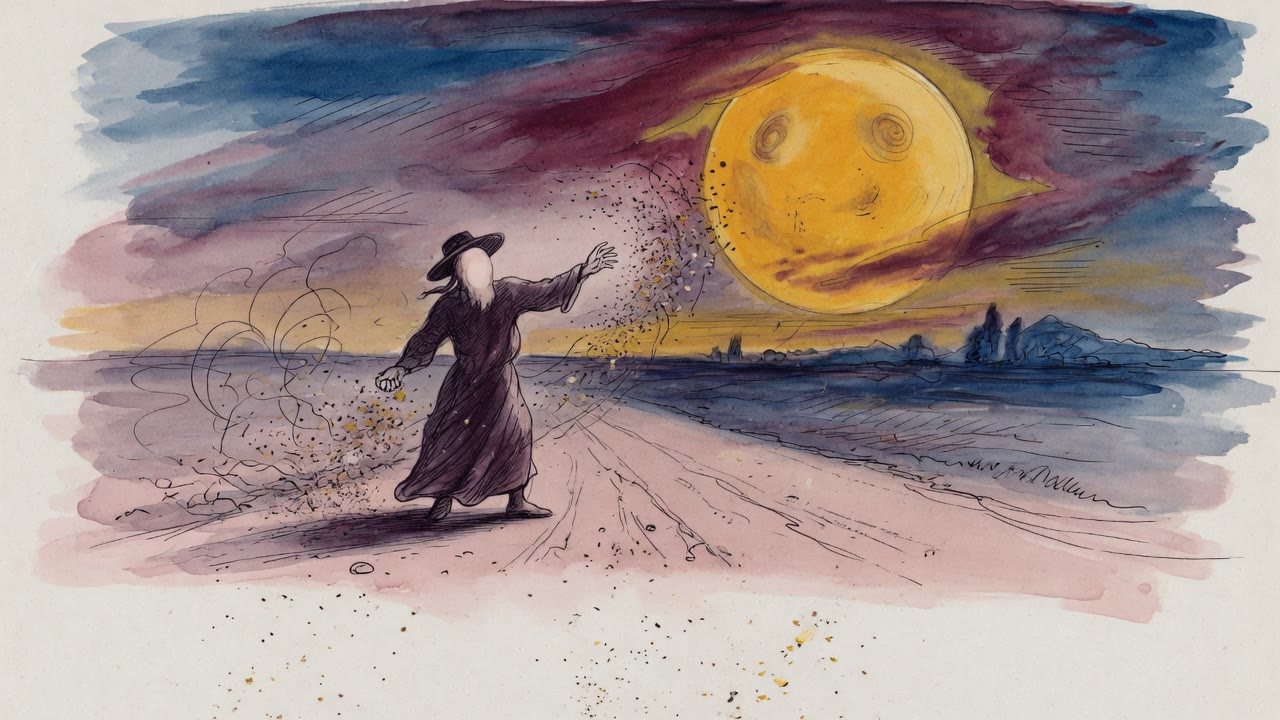
Moses had named the wonder of it long before, standing before the people at the edge of the Land. "For what great nation is there," he said, "that has a God so near to it as the Lord our God whenever we call upon him." The calling upon was the calling of the festivals, the holy convocations, the days Israel itself would name. The God who could have kept time in his own hands bent close enough to let a human court tell him when his own courtroom would open, and he stood among his children and waited for the horn.
← All myths