The Boy Who Outargued a King's Astrologers
A child about to be walled alive into a city's foundation asks three questions that break the court science used to justify his death.
Table of Contents
The boy stood where the foundation trench cut the earth and felt the cold of the stones they meant to stack around his living body.
 Click for full size
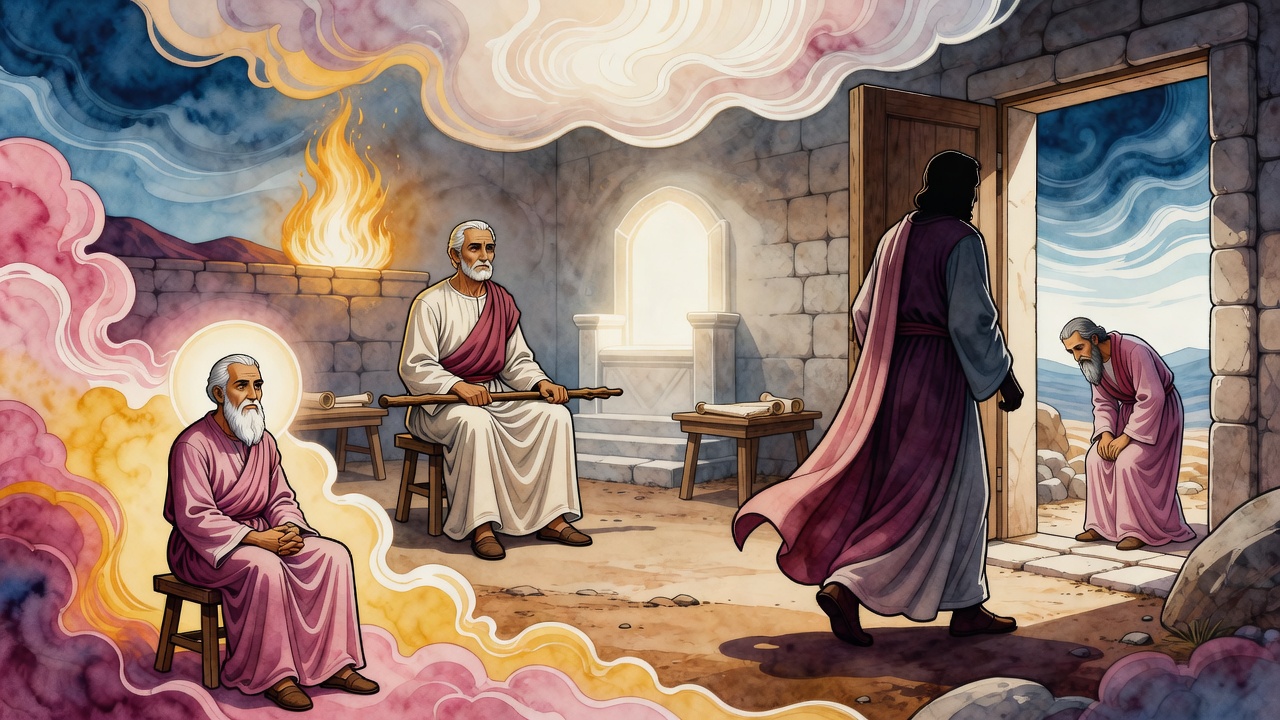
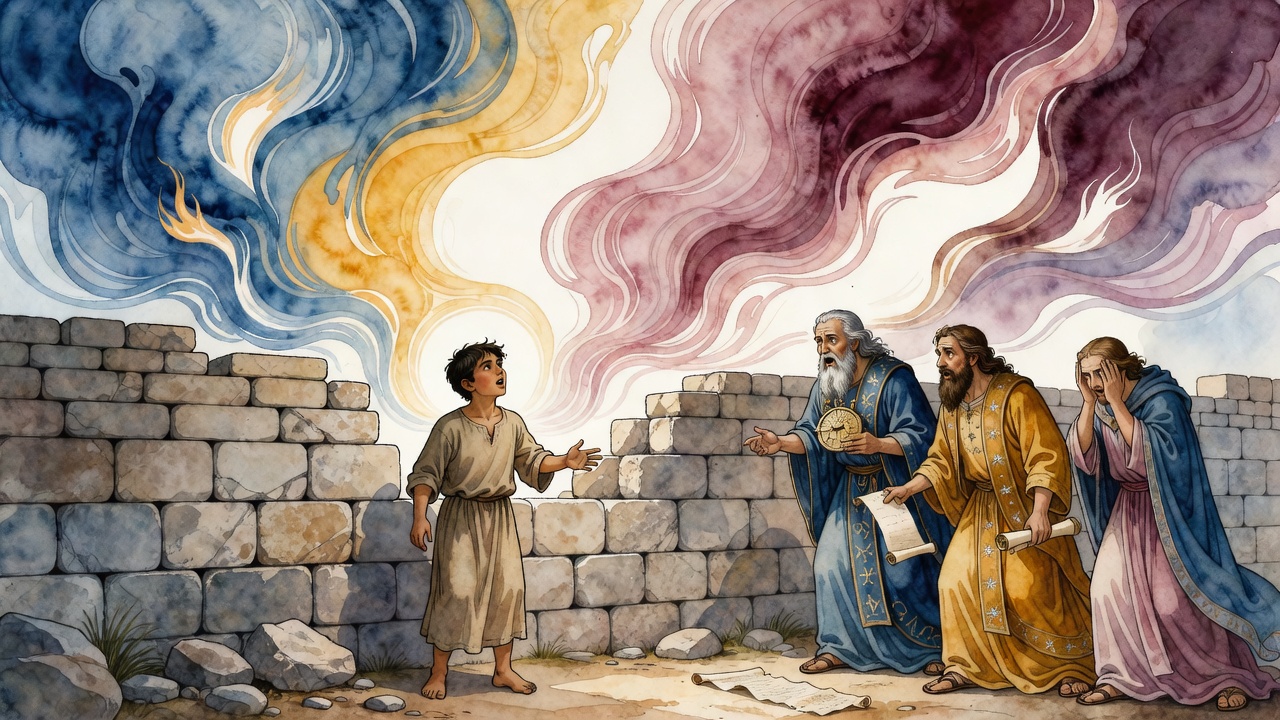
A king had chosen a site for a new town. His astrologers approved the place on one condition: a child must be walled in alive, brought voluntarily by its mother. Three years the court waited for such a gift. Then an old woman brought a child of about ten. When they were ready to seal him in, the boy lifted his chin toward the throne and did not beg for mercy in the usual way.
"Let me ask the astrologers three questions," he said. "If they answer correctly, they have read the signs aright. If not, they must have been mistaken."
The king, curious enough to pause a murder, granted the request. The trench waited. The mortar waited. The court leaned in as if wisdom were a sport.
Three Questions That Split a Court
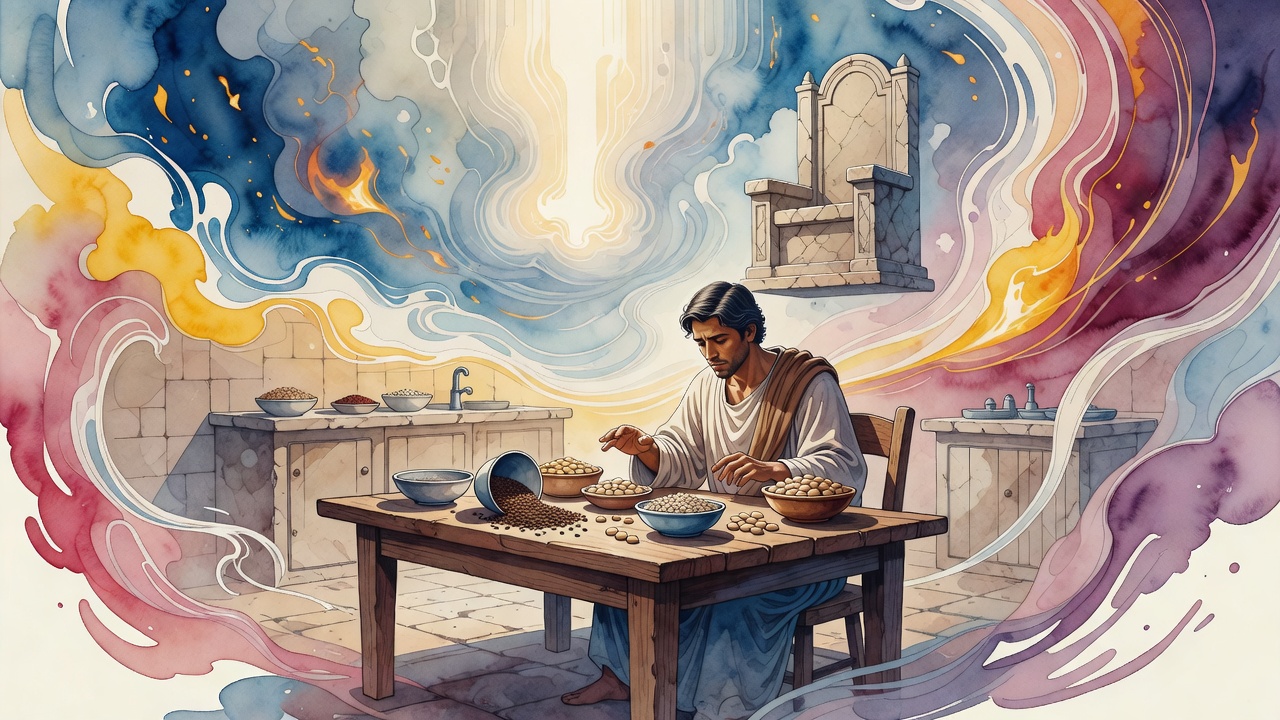
The boy asked what is lightest, what is sweetest, and what is hardest in the world. After three days the astrologers returned with the answers of ordinary men: a feather, honey, and stone.
The child laughed, and the laugh was more dangerous than a scream. Anyone could answer like that. The lightest thing in the world is an only child in its mother's arms. It is never heavy. The sweetest thing is a mother's heart when she still believes she is giving her child to a great purpose. The hardest thing is a heart that can hand a living boy to a wall of stone and call it wisdom.
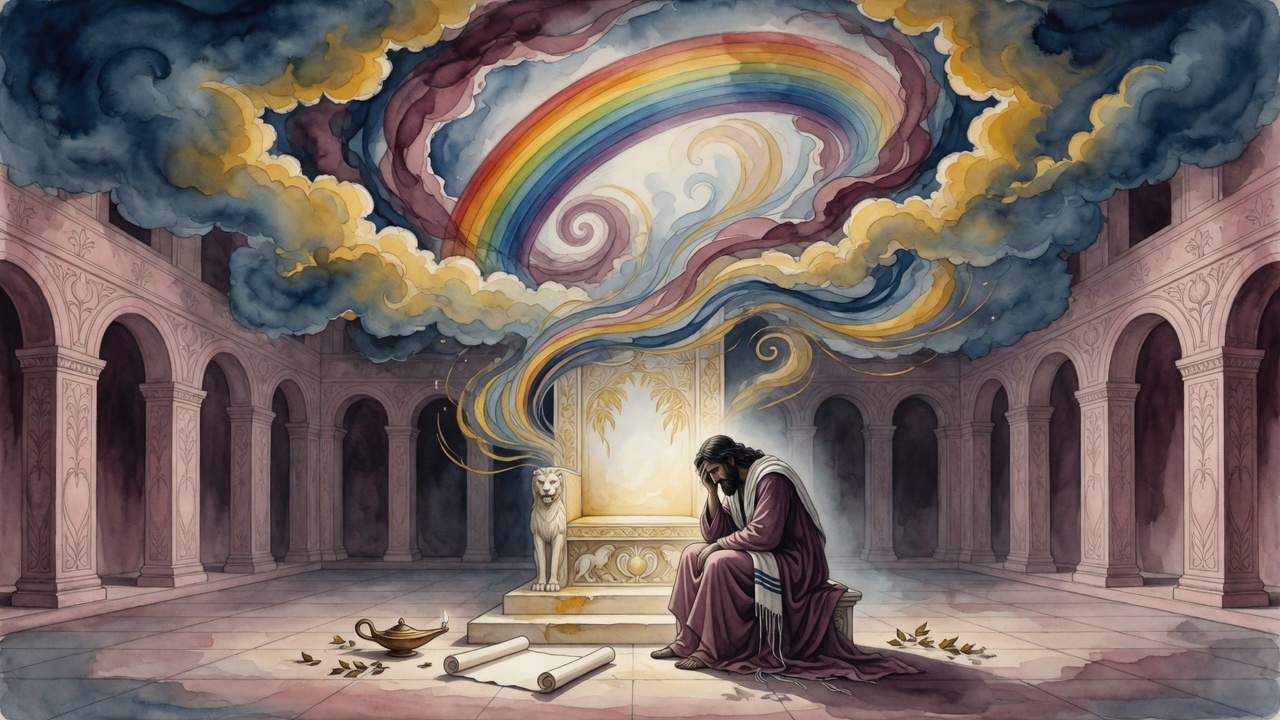
The court had no reply that could keep its science intact. Charts and angles had dressed a hunger for blood. The foundation that demanded a child's breath was revealed as fear wearing the costume of knowledge. The boy had not denied the stars. He had denied that the stars required his death. In the silence after his answers, every listener could feel the difference between reading heavens and inventing an excuse.
The Teacher Who Would Not Fall Flat
Another king walked into a Jewish school one afternoon, inspecting his realm, accepting the obeisance of subjects. The children saw him and prostrated themselves. The whole room fell to the floor in a rustle of clothes and held breath. The king turned toward the teacher, expecting the same collapse.
The teacher did not move. He sat at his desk with a rod in his hand and continued the lesson as if gold and purple were weather outside a closed window.
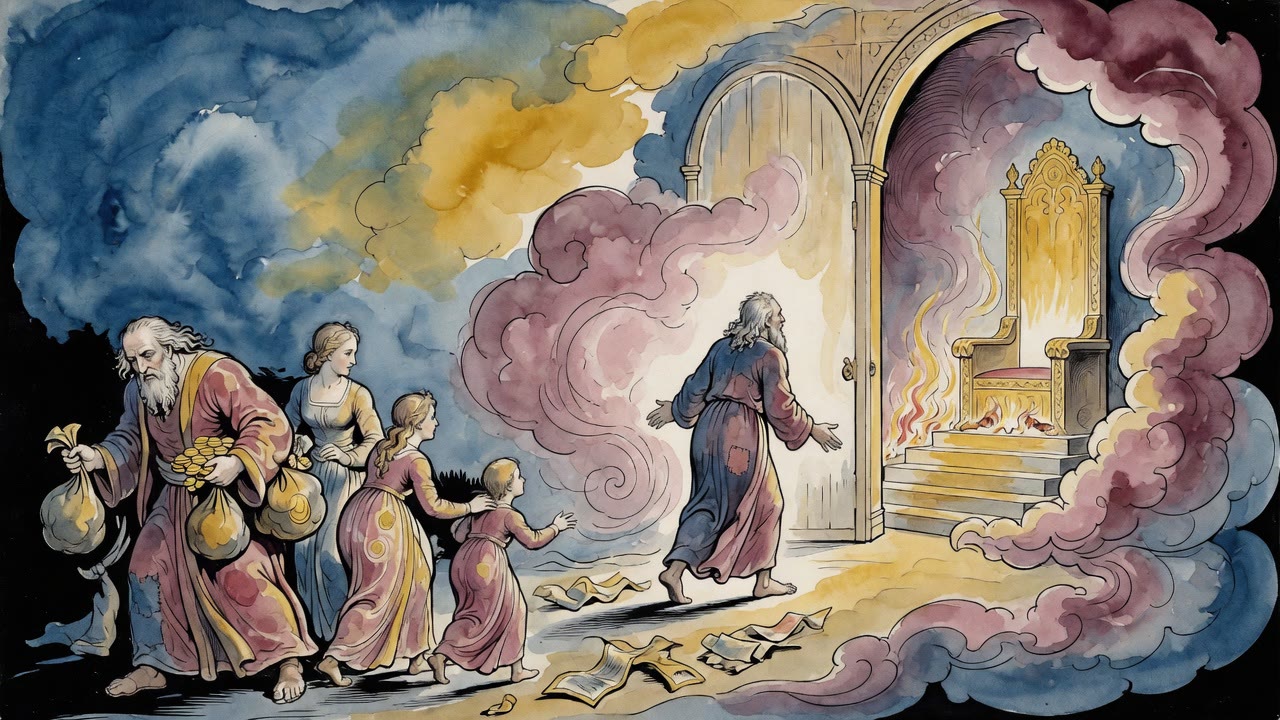
Stunned, the king did not strike him on the spot. He ordered him to court the next day. The teacher arrived, entered the throne room, and immediately prostrated himself, bowed low, and made full obeisance, exactly as the students had done the day before. The king was confused. "Why do you bow here and not in your school?"
The teacher answered that in the school he stood in the place of Torah. There the children must learn that the teaching of God is not interrupted for a crown. In the palace he was a subject among subjects, and there the king's honor had its place. Bowing was not refused forever. It was refused in the room where another sovereignty was being planted in young mouths. He would not train children to believe that every authority outranks the page open before them.
Two Kinds of Courage Before a Throne
The boy speaks while the wall waits. The teacher sits while the room kneels. Both refuse the lie that royal will is the highest measure in every space.
The boy's weapon is questions that force the court to hear what its own answers admit. Feather, honey, and stone are safe words. Mother, heart, and hardness are not. Once spoken, they cannot be unheard. The teacher's weapon is a continued sentence, a lesson that does not break mid-word because a crown has entered the door. One saves a body from stone. The other saves a generation from learning that Torah stands only when no king is watching.
Neither scene is rebellion for its own heat. The teacher bows in the palace. The boy appeals to the king's own standard of correct reading. They hold power to its claim of wisdom and expose where the claim fails. Courage here is not the refusal of all order. It is the refusal to let order become idolatry.
What a Foundation Actually Needs
A town built on a child's bones will always know, somewhere under the streets, that its first stone was a crime. Even if the walls stand straight and the markets fill, the mortar remembers. A school that teaches children to fall flat at every flash of authority will raise subjects, not hearers of Sinai. The exempla set these scenes in the same moral climate: the human being under pressure, the demand to yield, the answer that keeps a higher measure visible.
The lightest weight is a living child. The hardest thing is the heart that can forget that. The deepest bow belongs in a throne room, not on top of an open book. When the boy finishes speaking, the astrologers are smaller. When the teacher finishes explaining, the king has been taught without sitting on a school bench. Both leave the same instruction in the air: build with truth, or do not call the building holy.
Walk away from the trench and the classroom and you still carry the questions. What do you wall into your foundations? What do you interrupt for power? What answers are only feathers and honey when a life is at stake?
← All myths