5 min read

Abraham Returned the Coins Then Faced His Son

Courtiers made a king reclaim gifts from a poor friend who paid every coin back. Heaven then asked Abraham for more than wealth. It asked for Isaac.

Curated by Arthur · Told by Maggid ·
Table of Contents
  1. The Friend Who Came Back Empty-Handed
  2. From Coins to a Child
  3. The Tree That Needed No Gift
  4. A Gift Set at the Gate
  5. After the Return
Abraham Returned the Coins Then Faced His Son Click for full size

The Friend Who Came Back Empty-Handed

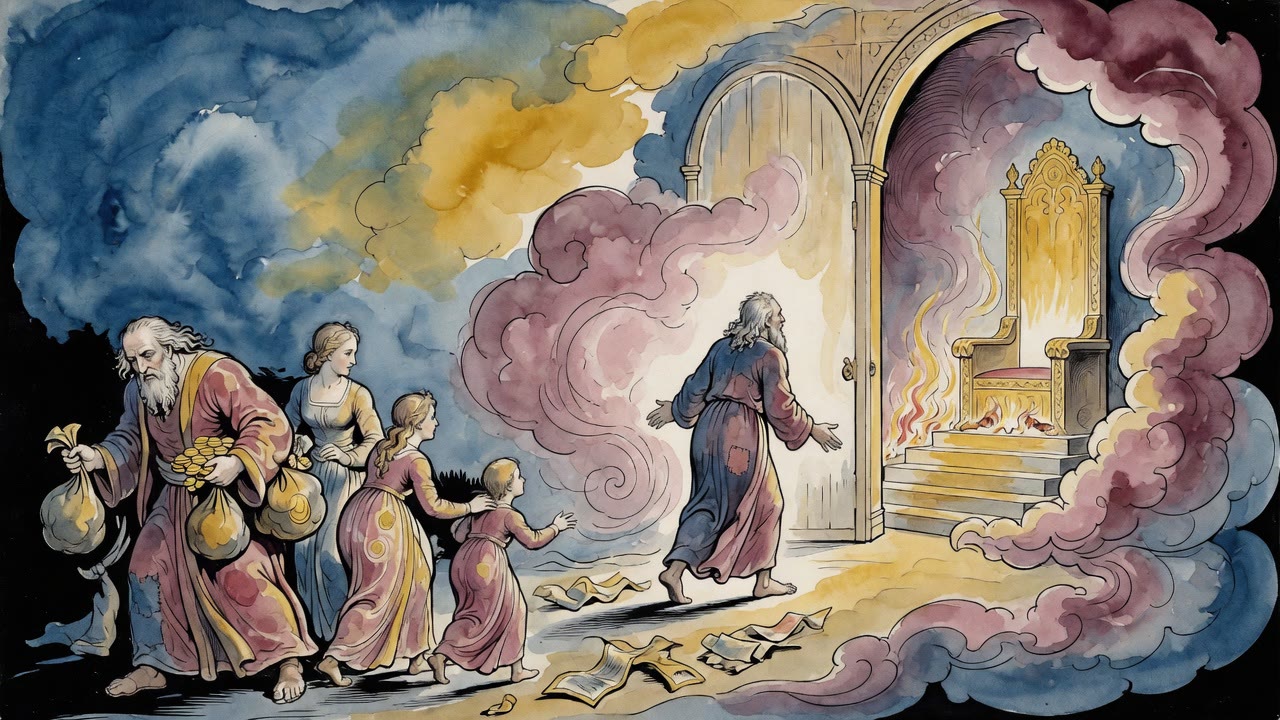
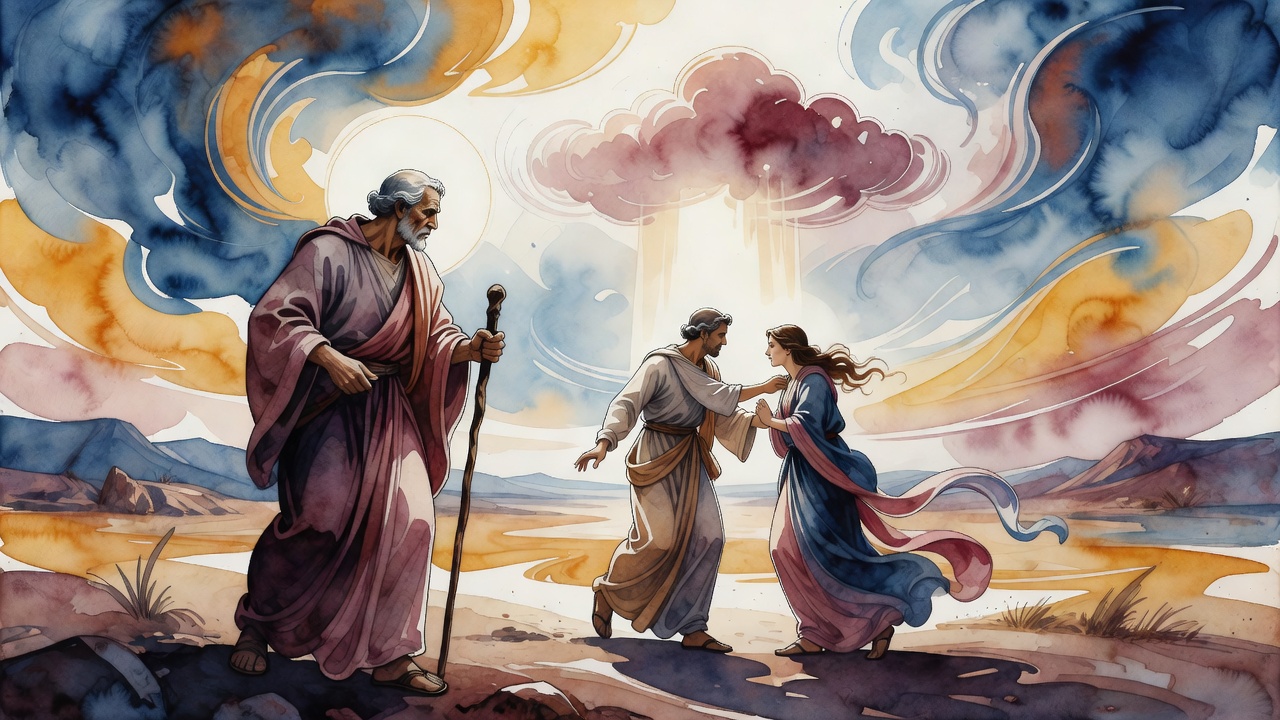
A king had a poor friend and decided to enrich him before the court could finish mocking the man's thin cloak. He handed over capital and watched the man trade until his clothes no longer told the old story of hunger. The friend began to walk freely into the palace as if marble had always known his step. Courtiers muttered in the corridors. Why does this nobody enter as if he were born to doors that open for gold?

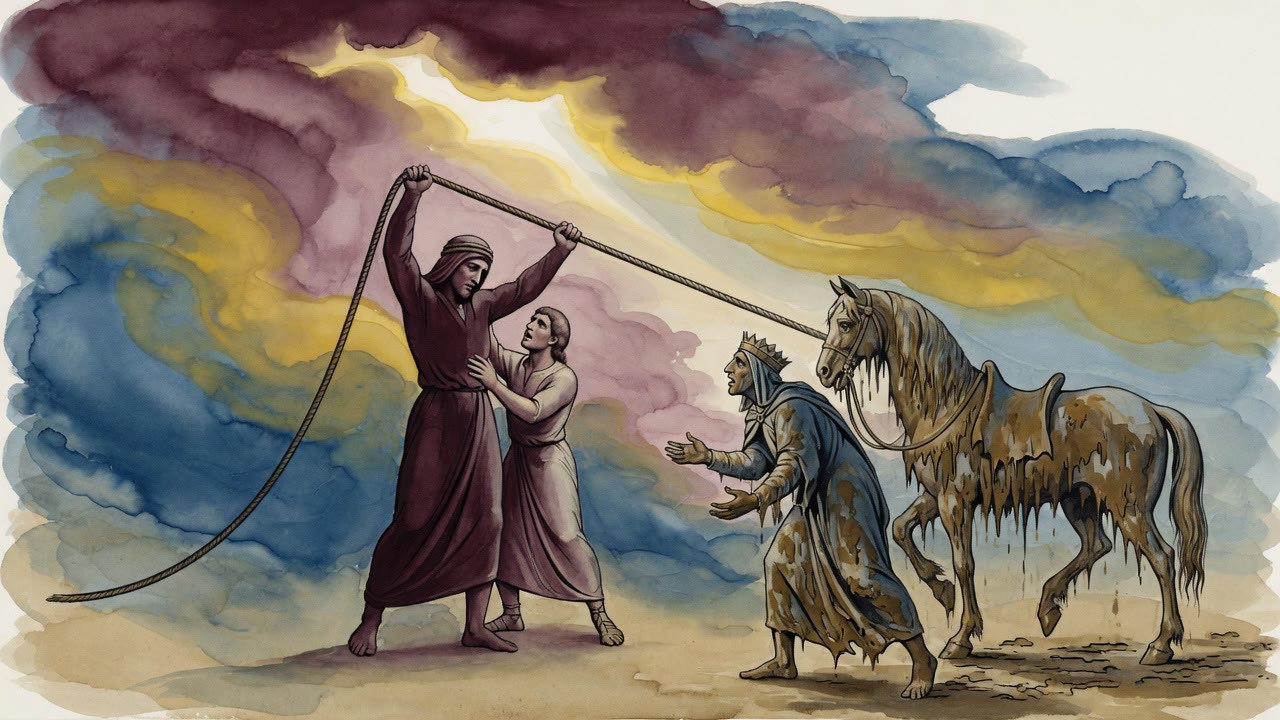
"Because he is my faithful friend," the king said. "Then prove it," they answered, smiling the smile of people who want to watch a fall. "Tell him to give the money back." The king asked. The friend returned every coin without a word of protest, without a claim that gifts once given are sacred against recall. The court went quiet with shame. The king swore to make him richer than before, because loyalty proven is more precious than loyalty praised.

In the parable, faithfulness is not a speech under banners. It is a full return when return costs the new life you just learned to wear in public.

From Coins to a Child

The midrash lifts the parable to Heaven without softening the edges. When God first proposed to create man, angels scoffed, "What is man that You are mindful of him?" God answers with Abraham. Had I heeded you, would there be one who brings Me honor in My world? The attribute of justice is not finished with that reply. Trials so far touched wealth and possessions, things a man can count and release. Test him in his body, in what he cannot replace. Let him offer his son.

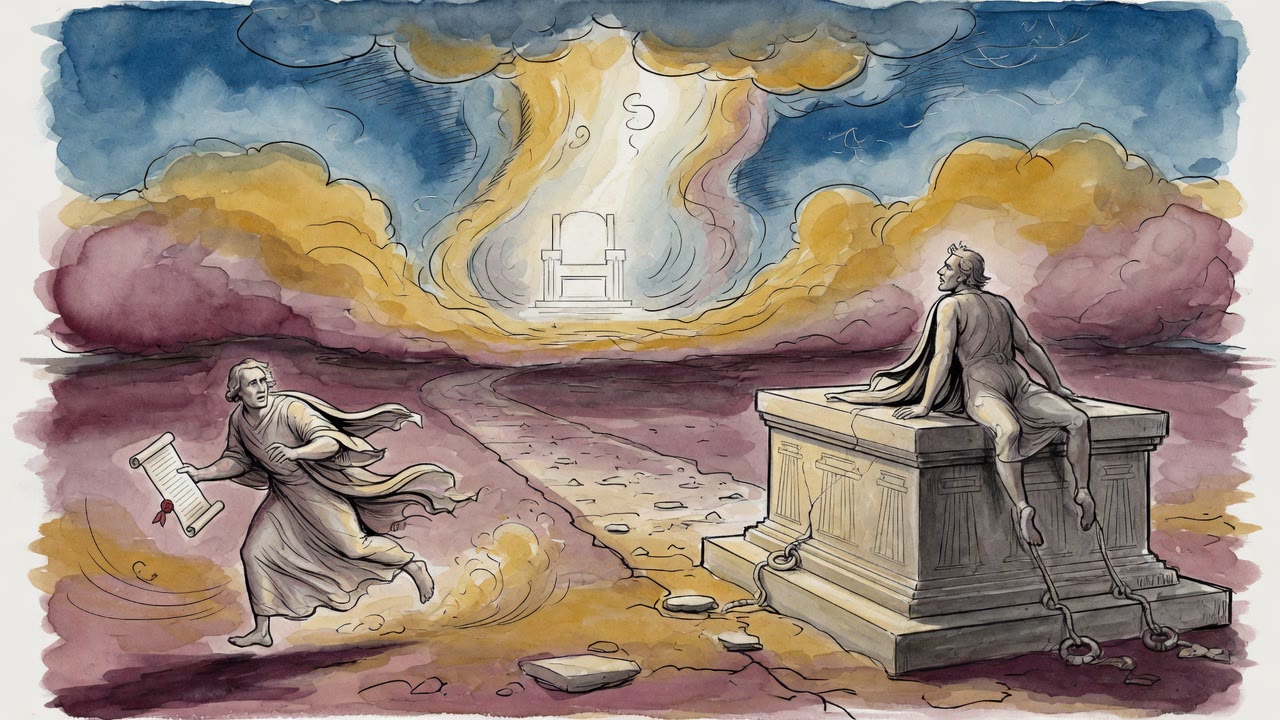
The command comes without cushion or delay for negotiation. "Take now your son." The coins he would have returned without complaint were nothing beside Isaac, the laughter of his old age walking beside him up a path that felt like a ledger. The poor friend of the palace becomes the friend of God on a mountain path, every step a repayment of trust under a harder currency than silver.

The Tree That Needed No Gift

Rabbi Yose told of a thirsty man who found a tree with stream, fruit, and shade after his soul had nearly left him in the heat. Restored, he tried to bless it and found every ordinary blessing already true. Water was there. Fruit was sweet. Shade was kind. So he said, "May all saplings planted from you be like you." So God blessed Abraham. Not with tasks already done in public, but with offspring like him. Torah scholars, the midrash adds, are fruit in season from that planting, shade for later thirsts.

Isaac on the road is not only a test designed by justice. He is the first sapling under threat. The blessing "be like you" trembles when the axe seems raised over the only trunk that matters. The story holds its breath with the tree and with the man who planted more than he knew.

A Gift Set at the Gate

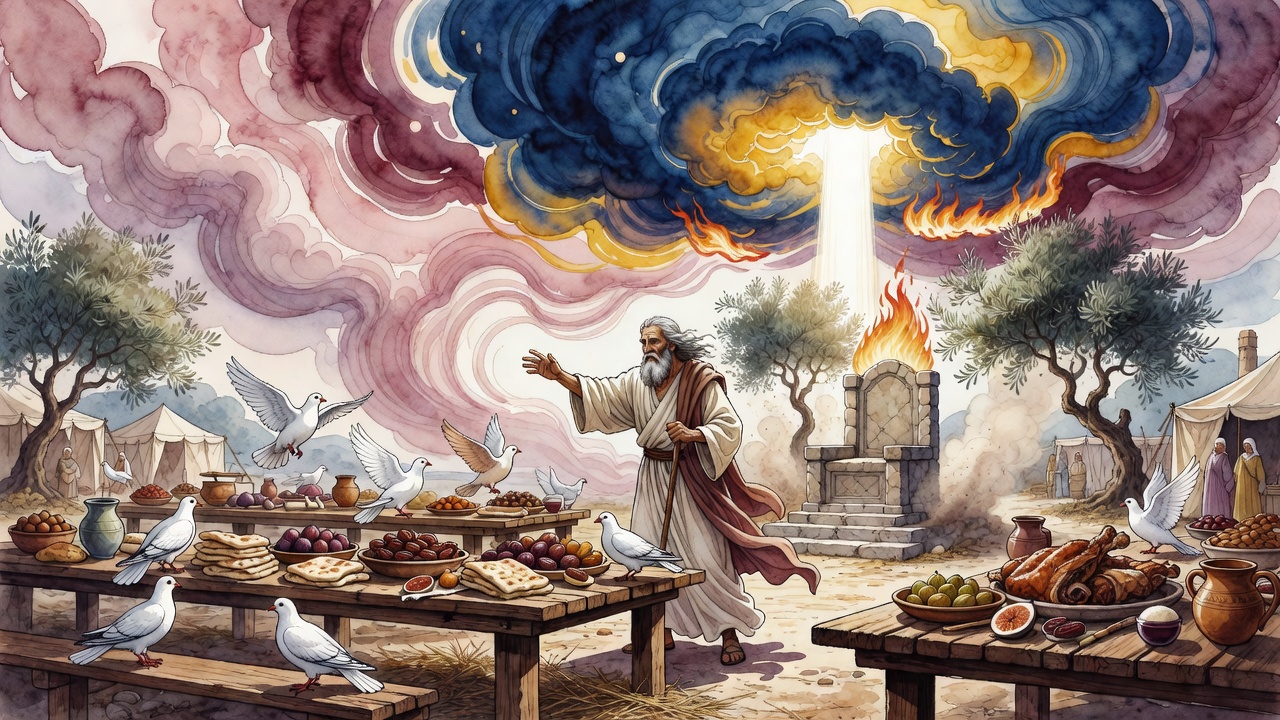
Another parable stands nearby like a second gate. A friend brings a king a fine gift and a loaf of bread worthy of a table. The king will not hide it in the treasury where only treasurers see. Set it at the palace gate, he orders, where all who pass will see what friendship looks like in public. Rabbi Yitzchak hears this in the priest's bull brought to the entrance of the Tent of Meeting. The offering stands in full view, not tucked away in shame. What is owed is owed in full. No clever substitute slips into its place when the verse has named a bull.

Abraham's walk is a gift at the gate of the world. Angels, nations, and later readers all pass by and see what a friend will carry when asked. The bull at the tent and the son on the mountain share a refusal of private, discounted devotion that never risks being seen.

After the Return

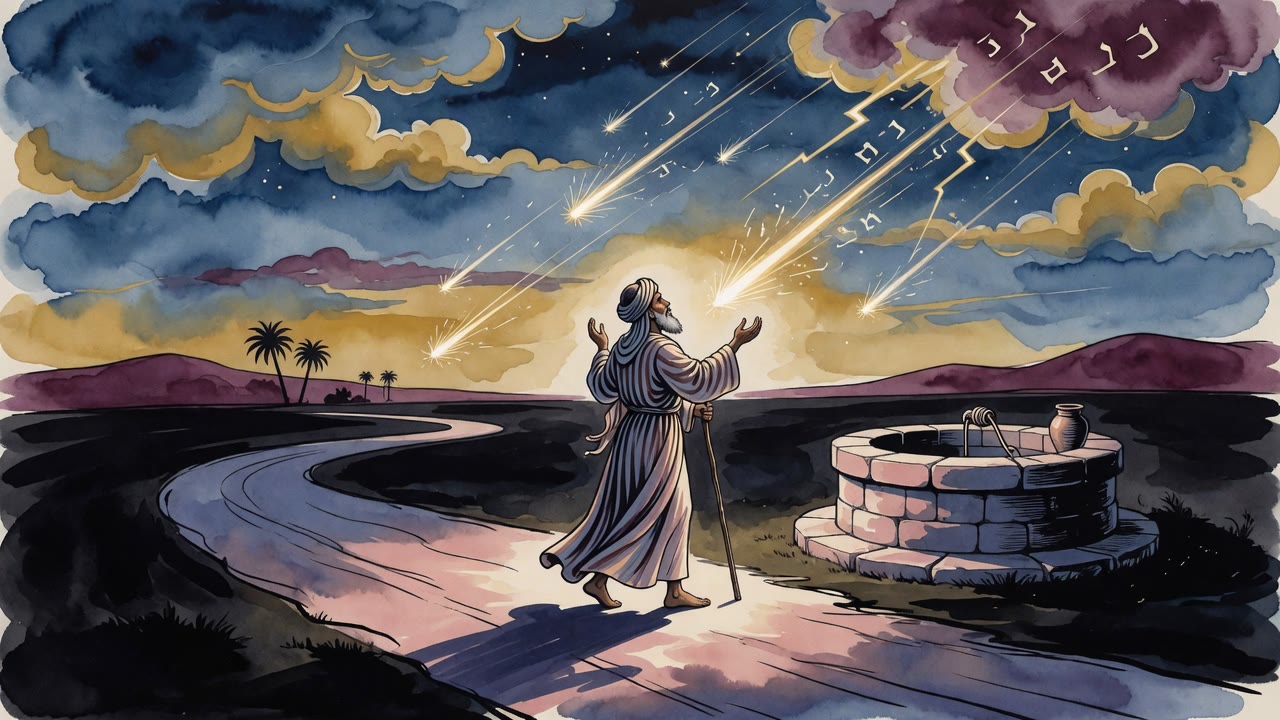
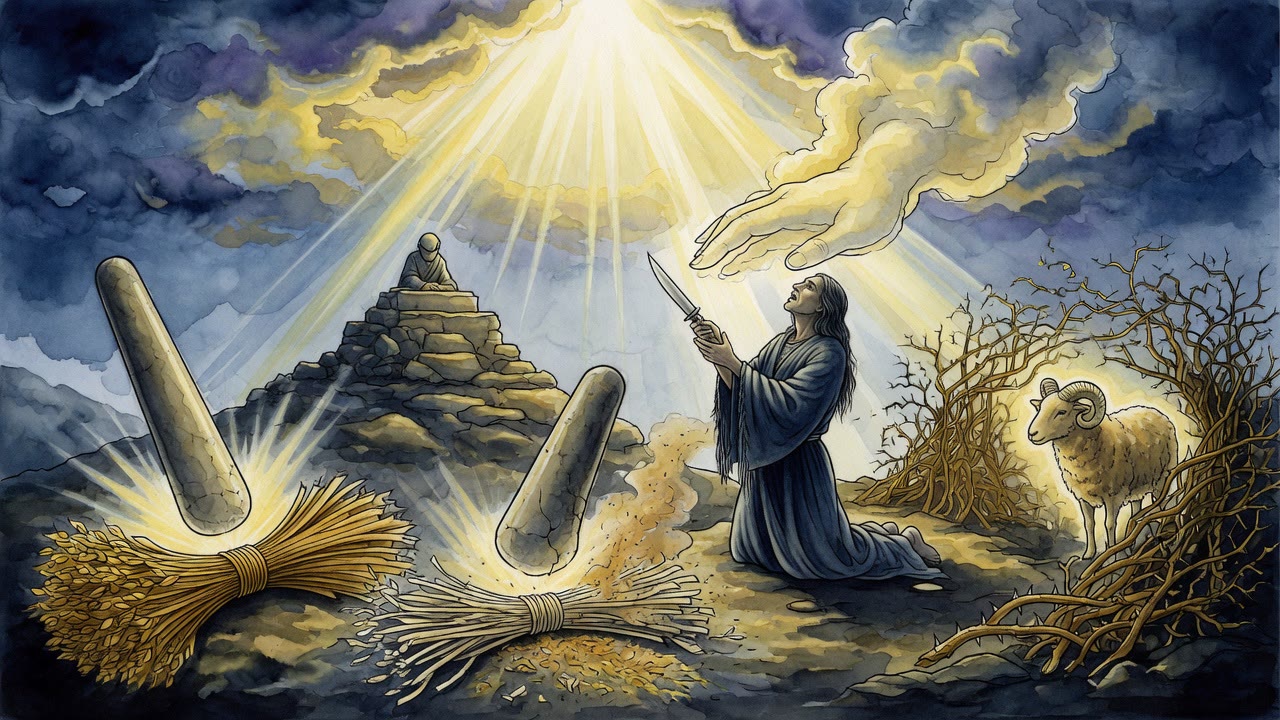
In the palace parable the friend is enriched again after the test, richer for having been empty in front of enemies. In Abraham's story the ram appears in the thicket and the boy lives to walk down the mountain with a father who will never again be only a man of tents and wells. The structure rhymes across the tellings. Prove loyalty, then receive more than was taken. The danger is real in both. Without danger the proof is theater, and Heaven has no need of theater.

A person who wants covenant without tests wants a palace without courtiers and a mountain without wood. The midrash does not offer that house. It offers a king who asks, a friend who returns, and a morning when the hardest gift is given back alive under a sky that watched the whole climb.


← All myths
From the tradition

Sources

3 sources

The texts behind this telling. Some cards carry a translation of the source; others are our own retelling of it, and each card says which. Every card links out to the original.

Yalkut Shimoni on Torah 96:3Yalkut Shimoni on Torah

Translation of the source text.Torat Emet (Yalkut Shimoni) · CC-BY-NC

Another interpretation: a parable of a king who had a poor friend. The king said to him, "It is upon me to make you rich," and he gave him money in order to conduct business with it. In time he entered the palace. They said, "Why does this one enter?" The king said to them, "Because he is my faithful friend." They said to him, "If so, tell him to return your money." Immediately the king said to him, "Return to me what I gave you," and he did not hold back, and the members of the palace were put to shame; and the king swore to add to his wealth.

The Holy One, blessed be He, said to the ministering angels: Had I listened to you when you said to Me, "What is man that You are mindful of him?" (Psalms 8:5), would there have been an Abraham who glorifies Me in My world? The attribute of justice said before the Holy One, blessed be He: All the trials with which You tested him were with his wealth; test him with his body. They said: Let him offer up his son before You. Immediately He said to him, "Take now your son."

Full source
Yalkut Shimoni on Nach 617:2Yalkut Shimoni

Retold in our words. Read the original at the link below.Sefaria Community Translation · CC0

He will be like a planted tree: Rabbi Yose expounded, "To what is the matter similar? To a man that was walking in an arid land and his soul was dismayed with thirst. He [then] found a pleasant tree with a stream below it and sweet fruit and pleasant shade. He ate from its fruit and drank from its waters and slept it its shade and he returned to himself. At the time that he left to go, he said to it, 'Tree, O, tree, with what can I bless you? That there should be streams below you? Behold, there are streams below you. That your fruit should be sweet? Behold, your fruit are sweet. That your shade should be pleasant? Behold, your shade is pleasant. But rather, May it be the Will that all of the saplings that will be planted from you be like you.' So did the Holy One, blessed be He say to Avraham, 'Avraham, with what can I bless you? If I say, "Go and make Me known," behold, you have made Me known. If I say, "Crown Me," behold, you have crowned Me But rather, May it be the Will that all of the offspring of your innards be like you.' Therefore it is stated, 'And he will be like a planted tree, etc. that gives off its fruit in its time' - these are the Torah scholars that will be many from your seed; 'and its leaf does not wither' - that masters of faith not cease from your seed; 'and everything that he does be successful' - this is Avraham, who shook up all of the kings of the East and the West, as it is stated (Isaiah 41:2), 'Who is the one that aroused from the East, justice calls to him in his footstep.'"

Full source
Yalkut Shimoni on Torah 469:2Yalkut Shimoni on Torah

Translation of the source text.Torat Emet (Yalkut Shimoni) · CC-BY-NC

"And he shall bring the bull to the entrance of the Tent of Meeting" (Leviticus 4:4). Rabbi Yitzchak said: a parable to a king whose friend honored him with a fine gift and a fine loaf of bread. The king said, set the gift at the entrance of the palace, so that everyone going out and coming in will see it, as it is said, "And he shall bring the bull," and so on. "And he shall bring the bull": even after the Day of Atonement. He brings a bull and does not bring a substitute. And is this not a matter of logic? If the individual, whose offering for all the commandments is not equal to the offering of the Day of Atonement, has his offering for all commandments equal to the offering for a single commandment, then the anointed one, whose offering for all the commandments is equal to the offering of the Day of Atonement, is it not right that his offering should equal the offering for a single commandment? Let the prince prove it, whose offering for all the commandments equals the offering of the Day of Atonement, yet whose offering for all the commandments does not equal the offering of the individual. So too you need not wonder about the anointed one, that even though his offering for all the commandments equals the offering of the Day of Atonement, his offering for all commandments does not equal the offering for a single commandment. Rather, why is it said "And he shall bring"? One might think he may bring a substitute; therefore Scripture teaches "a bull", a bull he brings, and he does not bring a substitute.

Full source