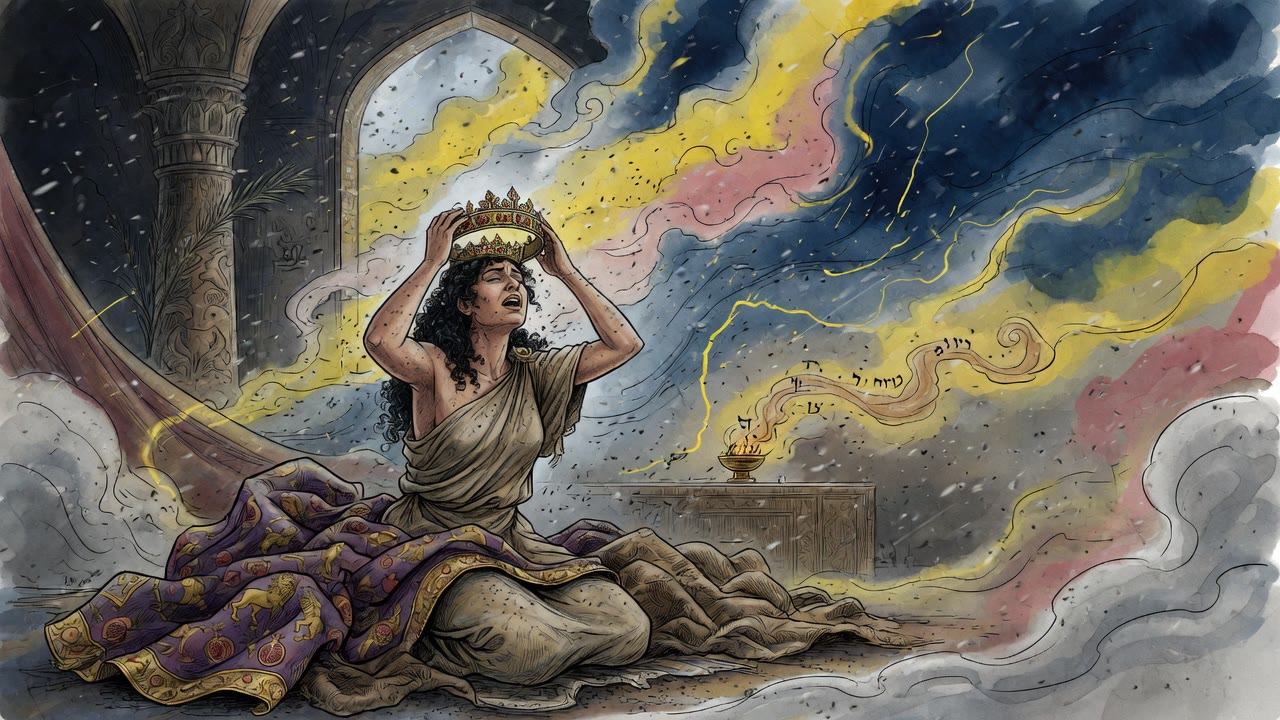
The King Begged to Join Their Friendship
One friend stood under the rope for another. A horseman arrived mud-covered, and a king asked to be their third.
Table of Contents
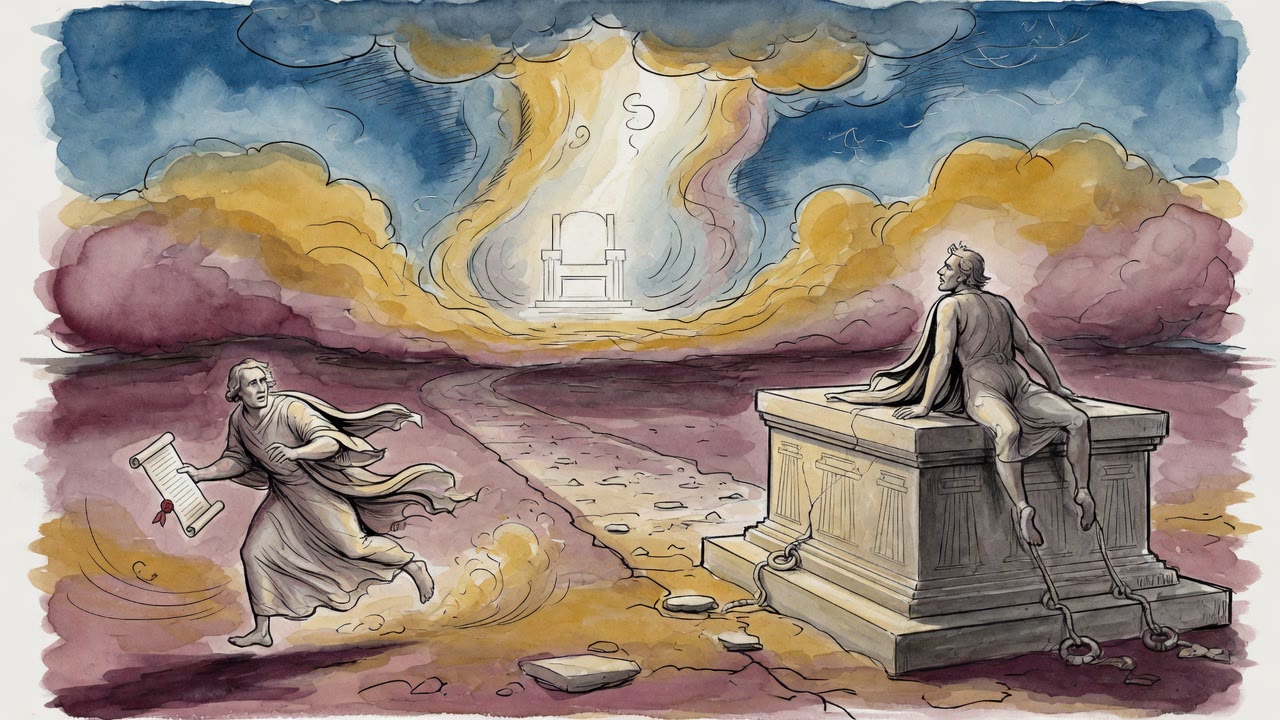
War split two boyhood friends across a border that once had been only a line on someone else's map. Years later one crossed into the other's town on business he thought ordinary, and a guard called him a spy. Soldiers dragged him before the king. The order was death, clean and public, the kind that teaches borders to strangers.
 Click for full size
The accused fell to his knees in the dust. "Let me go home, settle my wife and children and accounts, and I will return on the day you set to offer my life."
The king laughed the laugh of men who own ropes. "Who will stand surety if you do not come back? Who takes your place when the hour arrives and the road is empty?"
Before the prisoner could invent an answer, his old friend stepped from the crowd. "I will. If he fails the day, hang me in his place."
The Rope and the Horseman
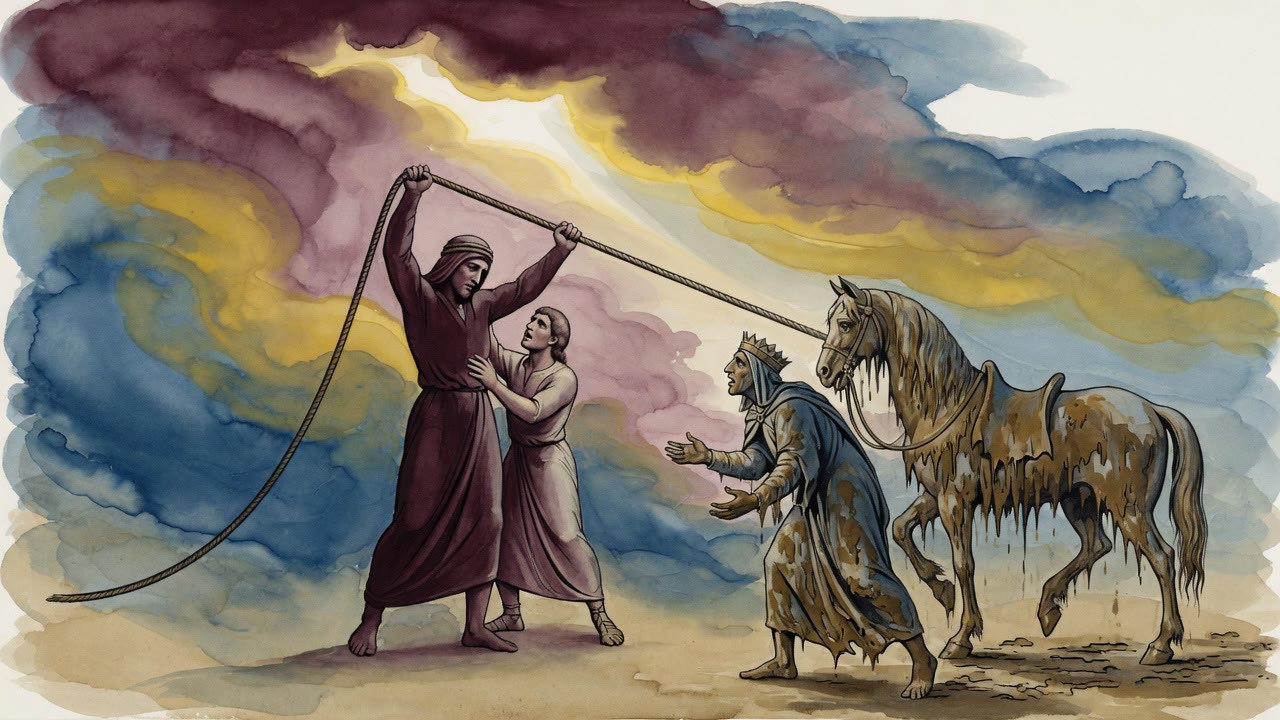
Astonished, the king granted a month. The accused rode hard for home. Days burned down like cheap oil. Messengers gossiped. The surety walked the market each morning as if measuring the length of a neck. The final hour arrived without the traveler. Guards led the friend to the gallows. The rope found his throat. The executioner waited for a nod from the throne.
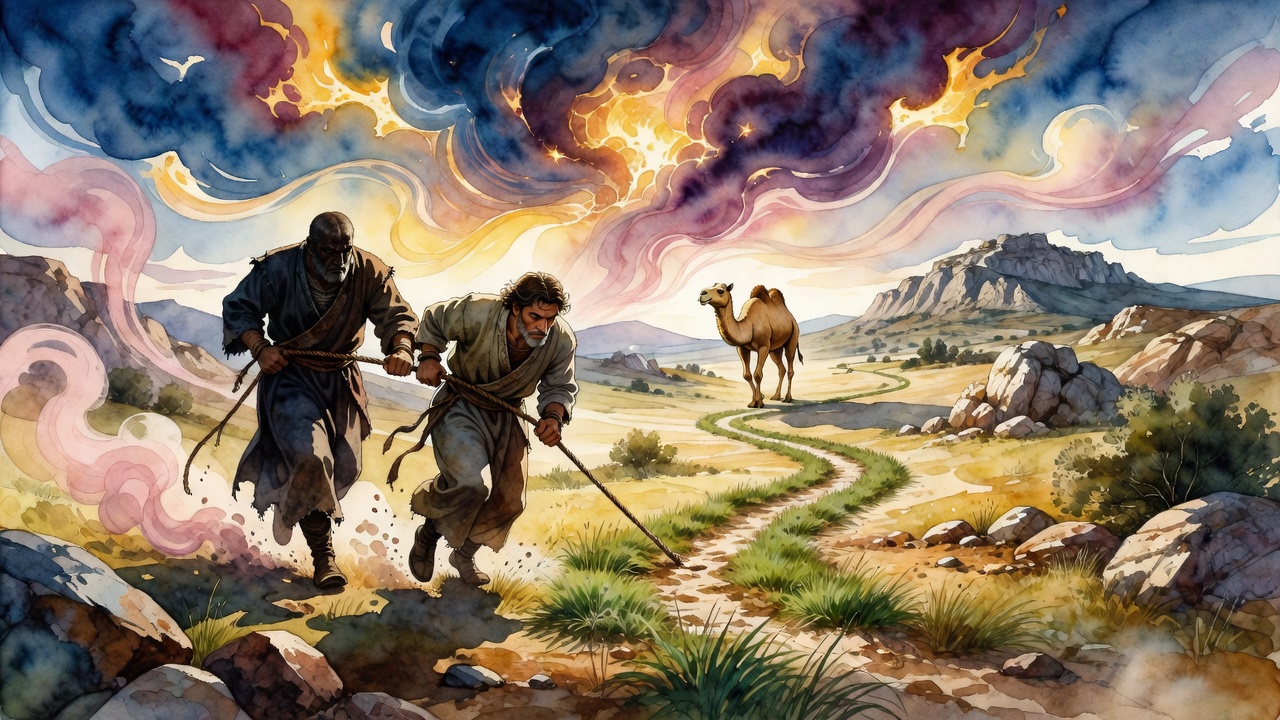
Then a horseman crashed into the square, mud to the thighs, storms and a collapsed bridge written in his breath and in the foam on the animal's mouth. "I am here! Release him! Take me!"
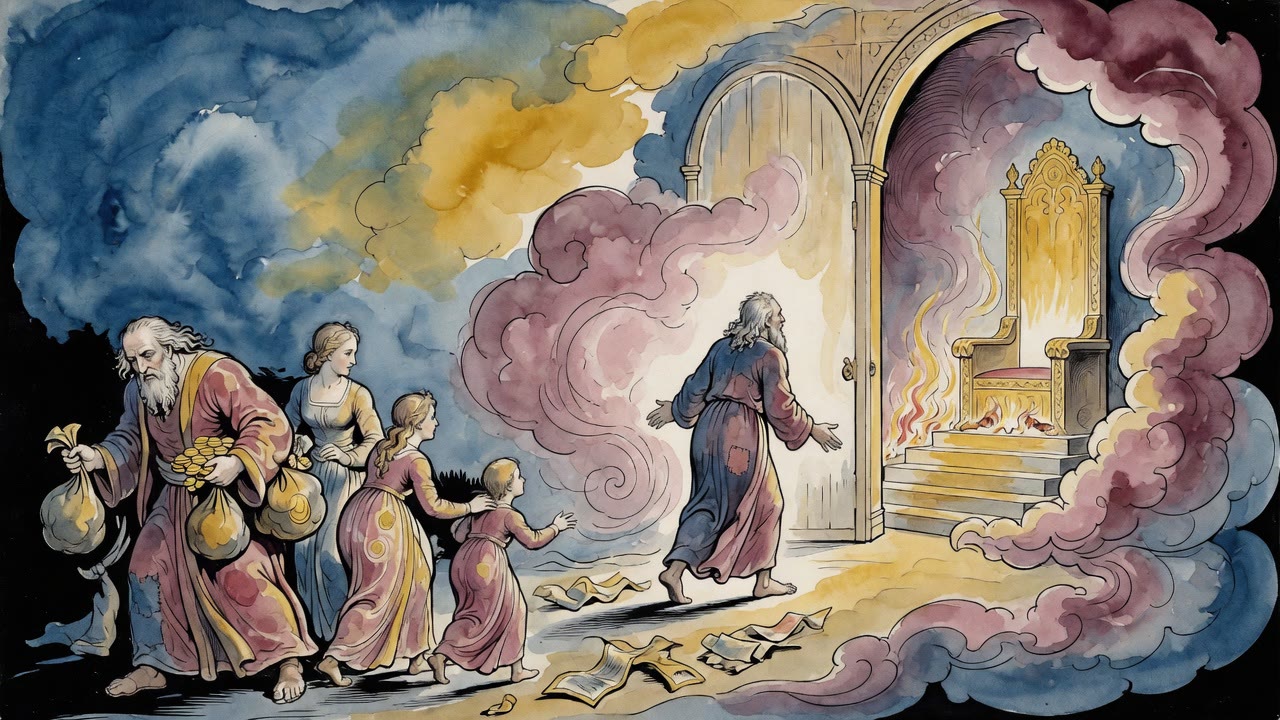
The two men embraced under the wood while the crowd made a sound no court could script. The king watched in silence, then left his throne and spoke so quietly the nearest soldiers had to lean in. "Take him down. I will not kill either of you. But I beg you, let me be the third friend in your covenant."
Friendship here is not sentiment shared over wine. It is a body willing to stand in another man's place while the rope waits and the clock refuses mercy.
Mercy That Does Not Match the Work
Rabbi Samuel bar Nachmani once carried hard questions from Babylon to Rabbi Yochanan and would not leave without answers. One cut deepest into the grammar of gratitude. Daniel prays, "To the Lord our God belong mercies and forgivenesses, for we have rebelled against Him" (Daniel 9:9). Should the verse not praise mercy because Israel kept Torah? Why point to rebellion as the reason for thanks?
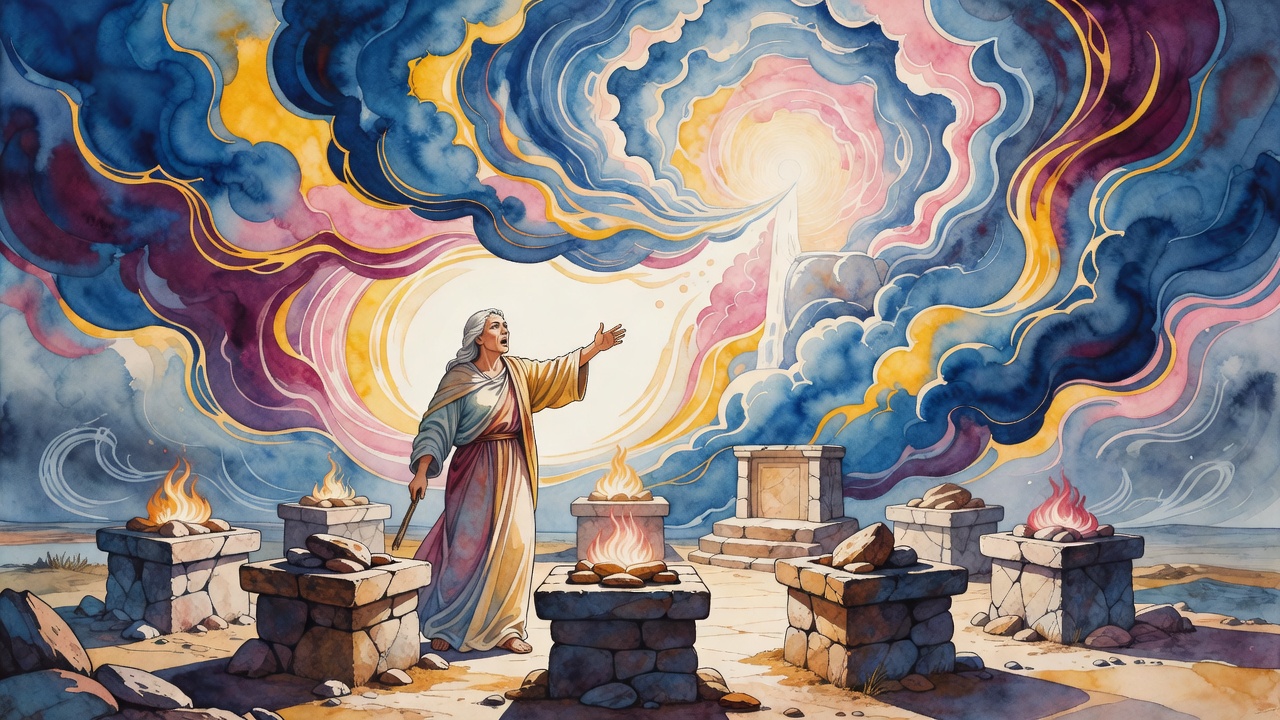
Rabbi Yochanan answered with a laborer's wage. A worker who serves well and is paid is owed no extra wonder; that is justice, and justice does not always make a man sing. A worker who serves badly and still receives bread marvels at his master. Have you seen servants rebel against a king and still eat from his table day after day? Israel made the calf at Horeb, and the manna kept falling on the camp that had danced around gold. Thanks rise highest where desert is earned and food still arrives.
The king under the gallows learned a human version of that math without opening a scroll. He had every legal right to kill. He asked instead to join a loyalty he could not command with decrees.
Comfort Arranged Inside the Blow
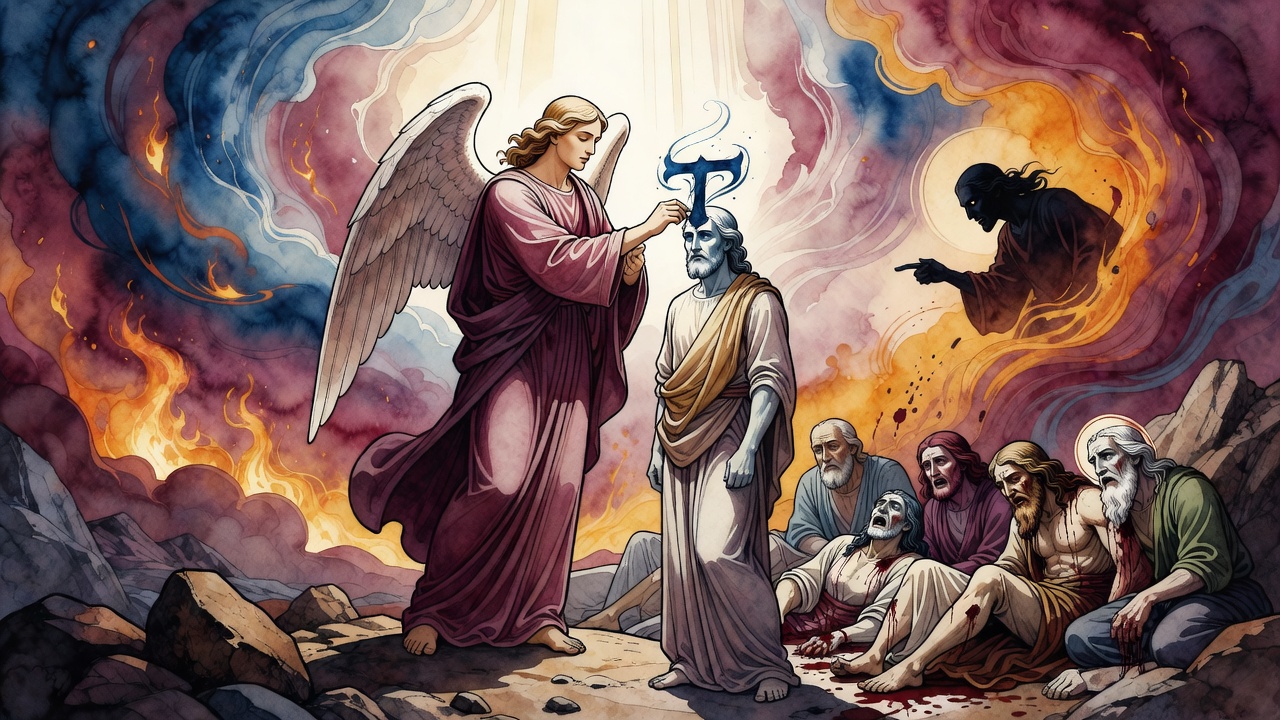
Rabbi Abbahu saw a strange kindness inside judgment itself. When God brings a nation low, He often points its eyes toward another ruin so the fall does not sit alone in the mind like a sealed room. Assyria is told to look at fallen No-Amon. Egypt is told to look at Assyria brought down like a cedar of Lebanon. Each empire, watching another's collapse, finds its own more bearable, not because the pain lessens, but because solitude lessens.
Rabbi Yassa heard the same pattern in Israel's staggered exiles. The northern tribes went first; Judah and Benjamin later. Why the gap between blows? So the earlier exiles would not feel abandoned when kin arrived in the foreign land, and so the later ones would find brothers already there to receive them with water and names. Even the order of suffering was arranged toward consolation: comfort, comfort My people (Isaiah 40:1). The word comes doubled because the need comes doubled.
A rope in a square and an exile on a road are different scales of the same mercy: someone nearby when the worst hour arrives.
Three Who Stand Near a Rope
Two friends taught a king what covenant costs in flesh. A rebel people still ate manna and learned why mercy is praised at the point of failure rather than at the point of perfect service. Empires and tribes were distracted and staggered so pain would not be absolute solitude. In the square the rope slackened. In history the blows still fell, but not without a hand nearby and a table that still held bread.
The king who begged to be third knew he could order death with a finger. He wanted instead a share in a bond that had already outranked his throne, his law, and his pride. The horseman's mud and the surety's rope mark the price of that bond better than any speech about loyalty.
← All myths