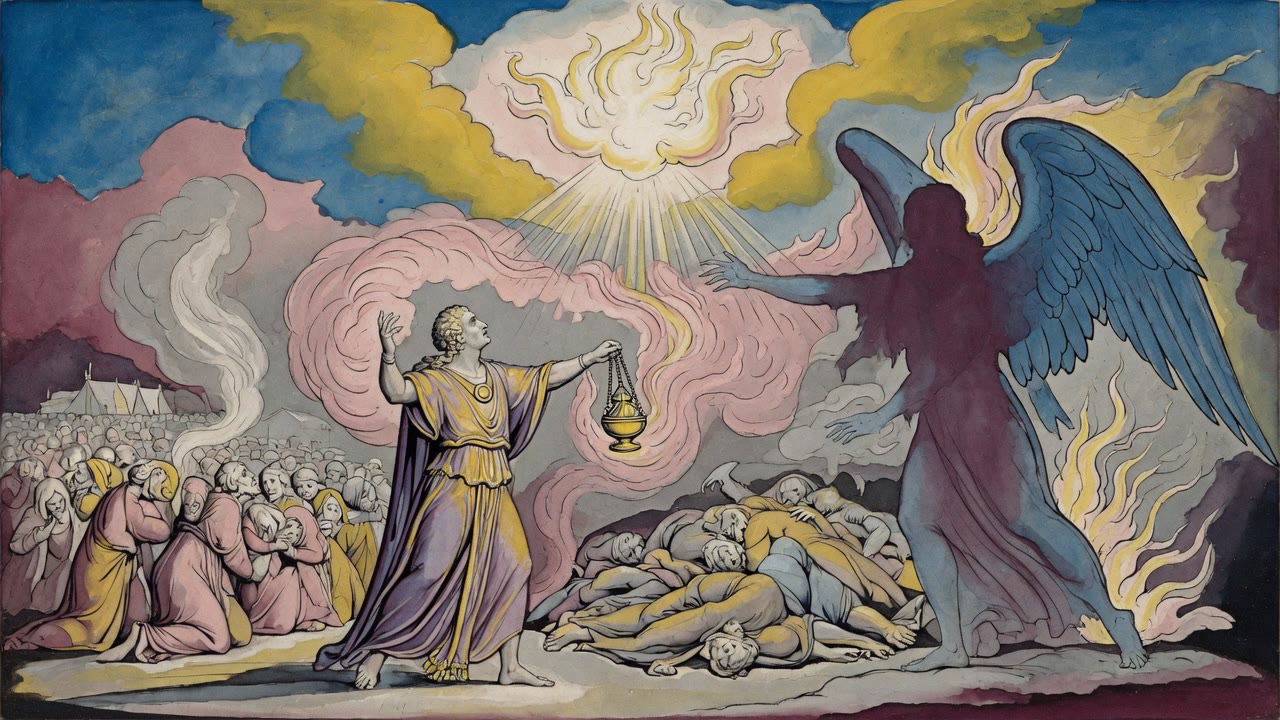
Two Friends Race Back to the Execution Block
Chains changed wrists in the courtyard. One friend ran for home. The other sat in the cell and counted the hours like coins.
Table of Contents
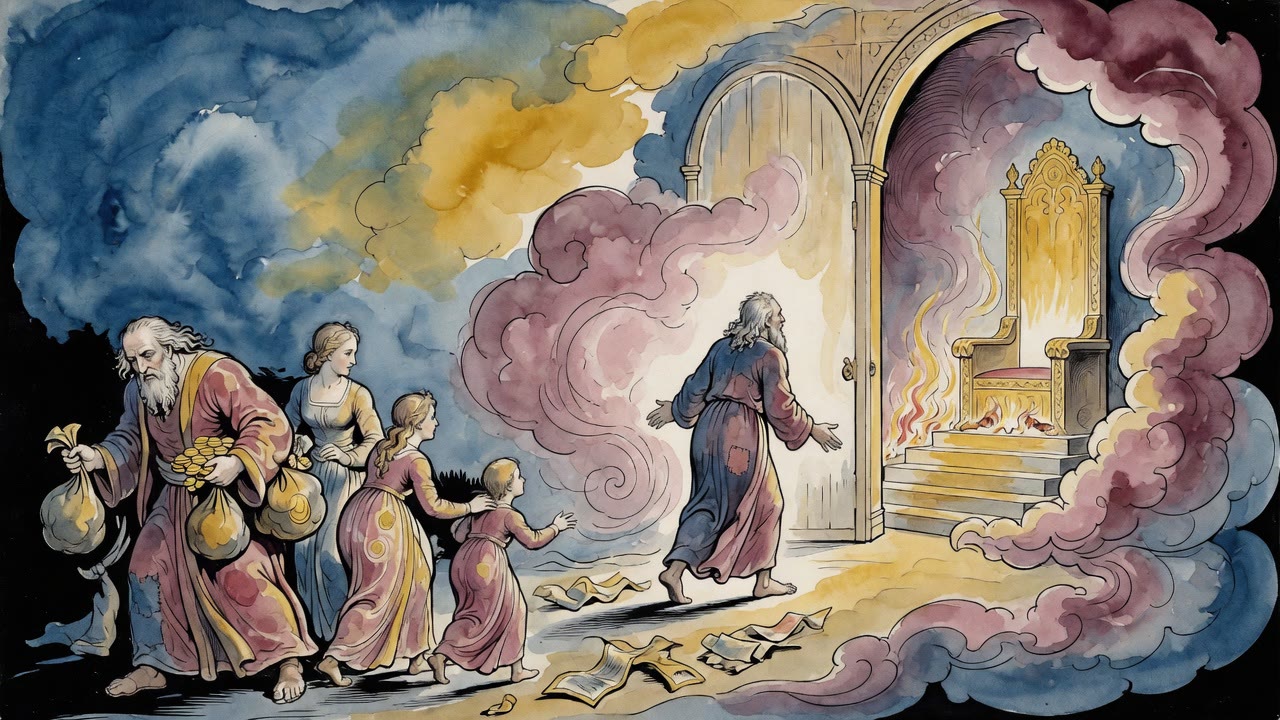
The condemned man stood in the courtyard with the rope already in sight and asked the king for leave to go home. He wanted one last arrangement of his house. One last word with the people who would have to live without him.
 Click for full size
The king laughed. A man with a rope waiting does not return once the gate opens.
Take My Wrists
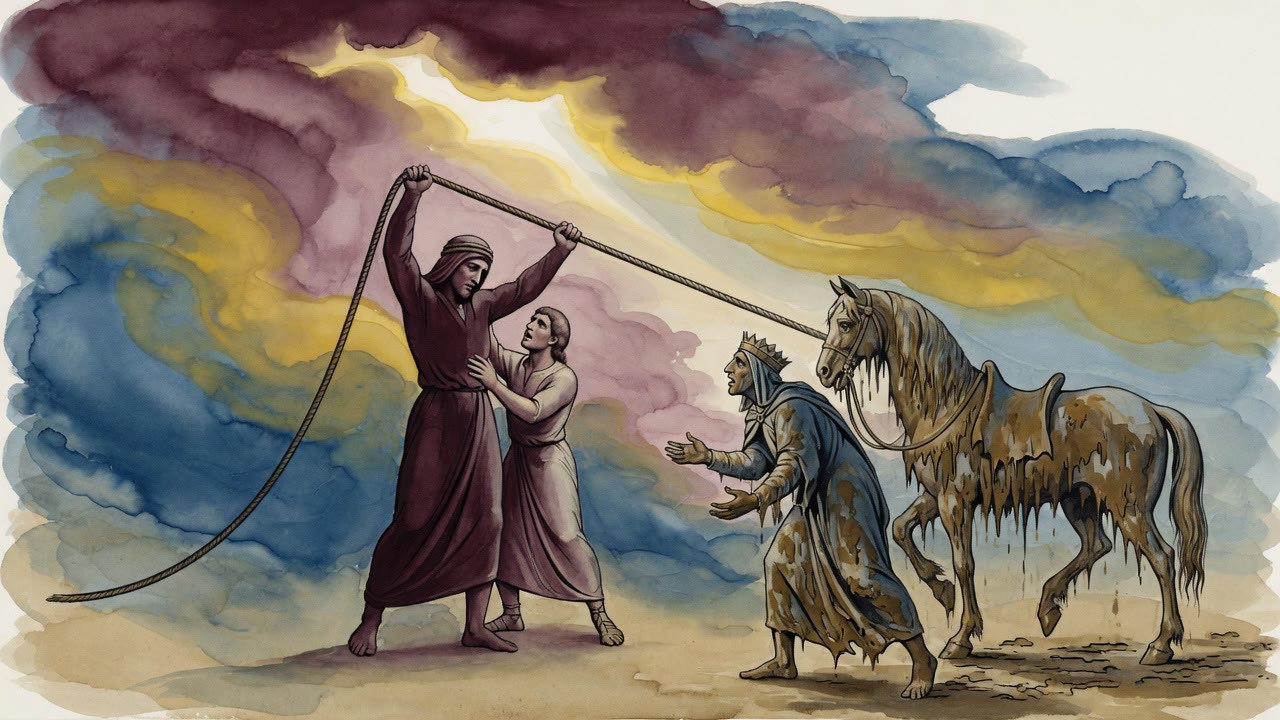
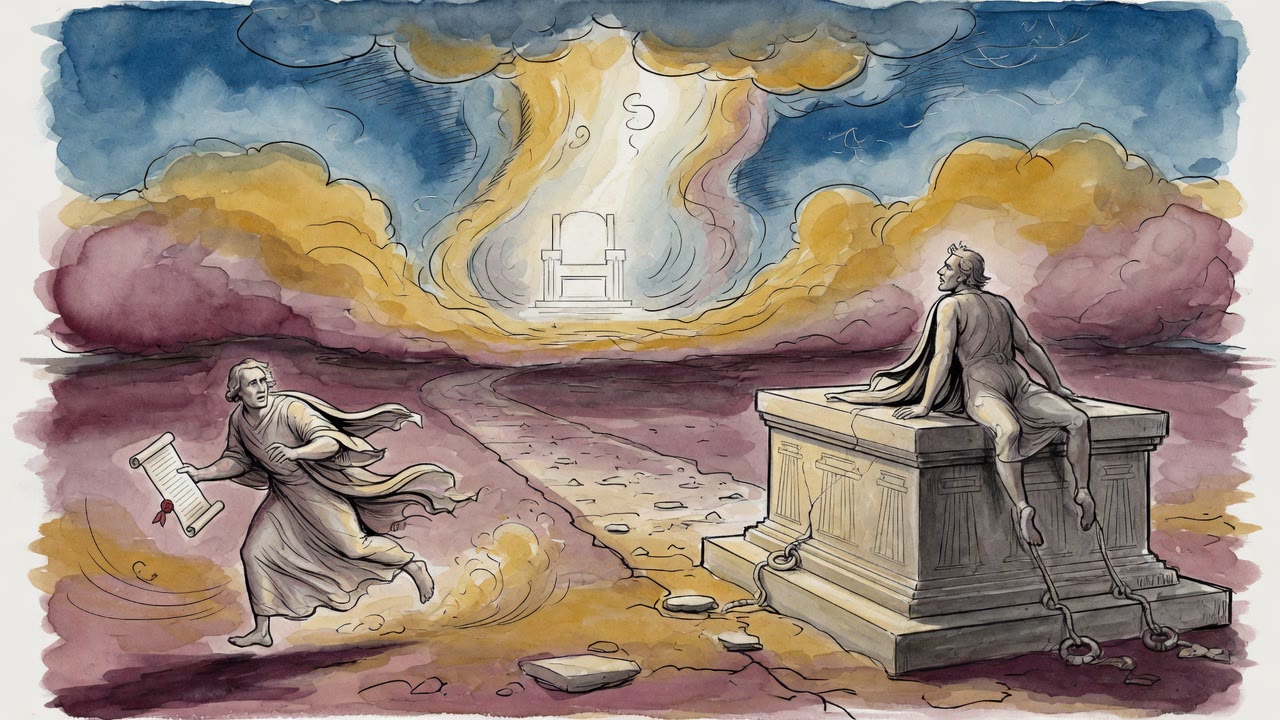
Then the second friend stepped forward. He held out his hands as if the chains were already his size.
"Take me," he said. "Hold me in his place. If he fails the day, kill me instead."
The court went quiet. A guard looked at the king. The king, curious more than merciful, agreed. Chains left one pair of wrists and closed on the other. The first friend ran.
Dust rose behind him. He did not look back. The hostage did not call after him. They had already said the only thing that mattered.
Hours in the Stone
Days passed. The hostage sat in the cell as if the stone were a chair at a wedding. The guards mocked him. No one comes back to die when escape has already been granted. He did not argue. He counted hours the way a merchant counts coins, sure the total would balance.
At night he heard the city beyond the wall. Carts. Dogs. A woman singing somewhere far. He pressed his palms together and waited. He had watched this friend for years in smaller debts. A borrowed cloak returned. A loan paid before the due day. He had bet his neck on a character, not on a speech.
On the final morning the scaffold was ready. The king sent for the hostage. The condemned man's name was already being erased from the living. A clerk of the court asked if the hostage had last words. He shook his head. He was still counting.
Dust on the Last Road
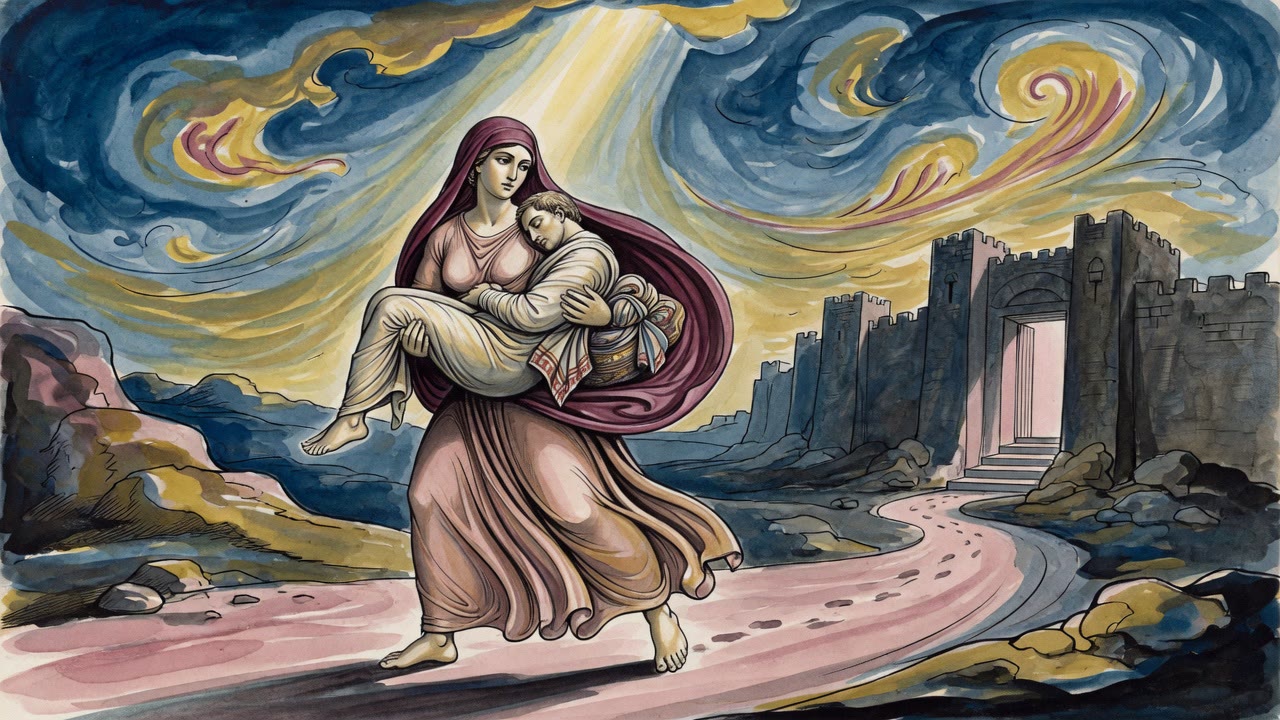
At the last hour a runner appeared on the road. Dust on his face. Breath torn raw. He had settled every debt, spoken every farewell, and come home to the rope.
The hostage stood. The runner fell to his knees, then rose, then grabbed the hostage by both shoulders as if to shove him out of the shadow of the block.
"I am here," the runner said. "Get back."
The hostage would not step aside. The guards did not know whose wrists to take. The king came down from the terrace because a quarrel at an execution is news no court can ignore.
Who Takes the Sentence
They stood before the throne and fought over who should die. Each refused to let the other take the sentence. The runner claimed the original crime and the original rope. The hostage claimed the vow. The king had seen armies, plots, and bought loyalties. He had never seen two men compete for the privilege of death so the other might live.
He pardoned them both.
Then he made a request that sounded almost childish until the hunger under it showed. "Let me be the third in your friendship."
Power had bought him companions. It had never bought this. The two friends looked at each other, then at the king who still wore a crown and still did not know how to sit in a cell and trust a road.
The Rope on the Tree
On another road, outside another city, a young man named Saul found a stranger fixing a noose to a tree. The stranger had lost his fortune twice and could not bear a third fall into begging. Saul was spoiled, wayward, the late-born son of a rich father who had prayed for years before the boy arrived. Nothing in that soft life had trained him for a knot in a branch.
He ran. He cut the rope. He caught the man. He listened. Then he gave real money, food, and clothes, and walked the stranger back until the city held him upright.
That night the head of the town's yeshiva dreamed that his own crown left his head and settled on a young man he did not know. In the morning the townspeople named the face. One rescue had rewritten a ledger. The crown destined for long scholarship moved toward the boy who refused to let a life end on a branch.
Saul walked home that night and did not know a crown had moved. He only knew a man was still breathing. The two friends, pardoned, did not become soft. They became a measure. The king who asked to join them went back to a throne that suddenly felt cheap.
← All myths