The Sages Refused a Woman's Body as a Dying Man's Cure
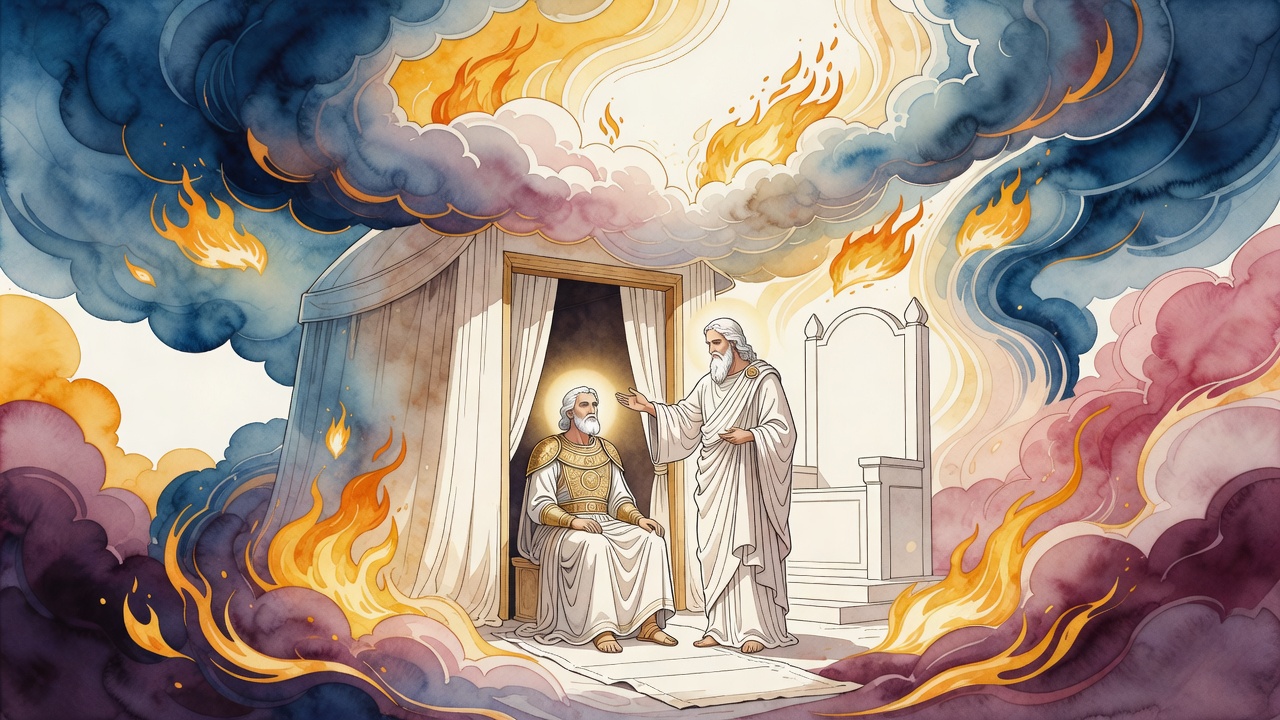
A feverish youth wastes for a woman of his town. The sages refuse every cure that would spend her dignity to buy his recovery.
Table of Contents
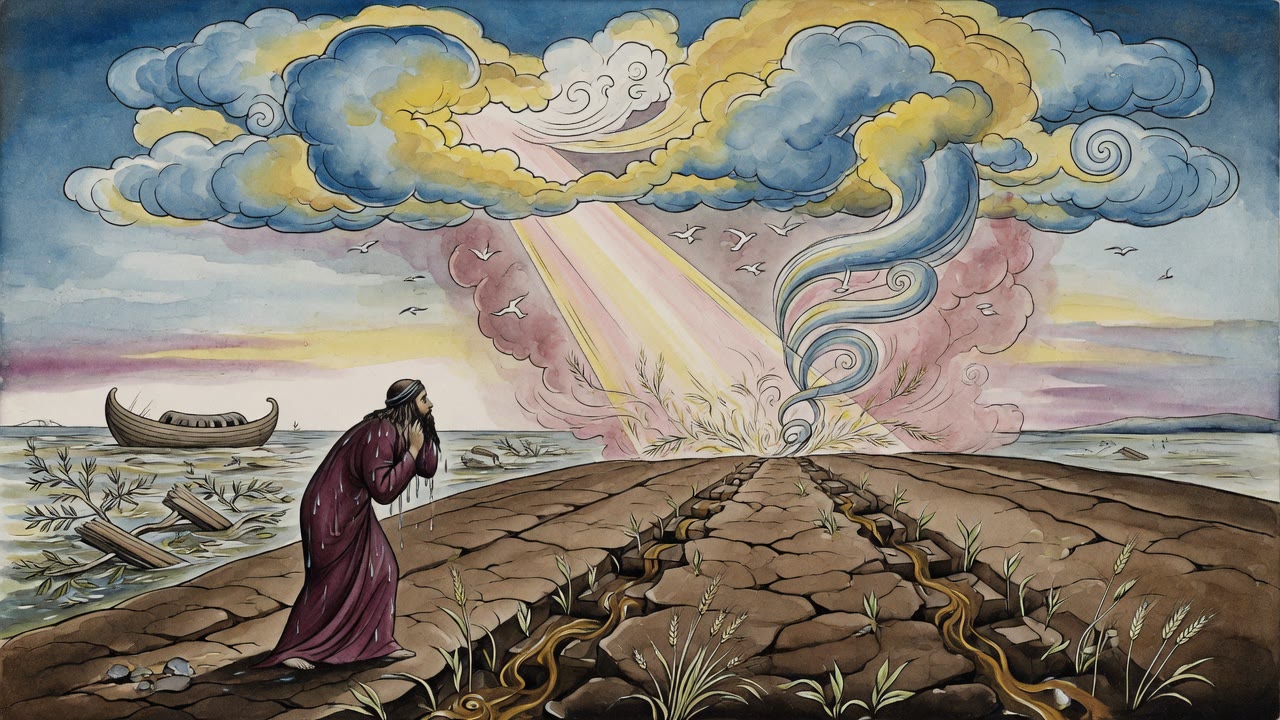
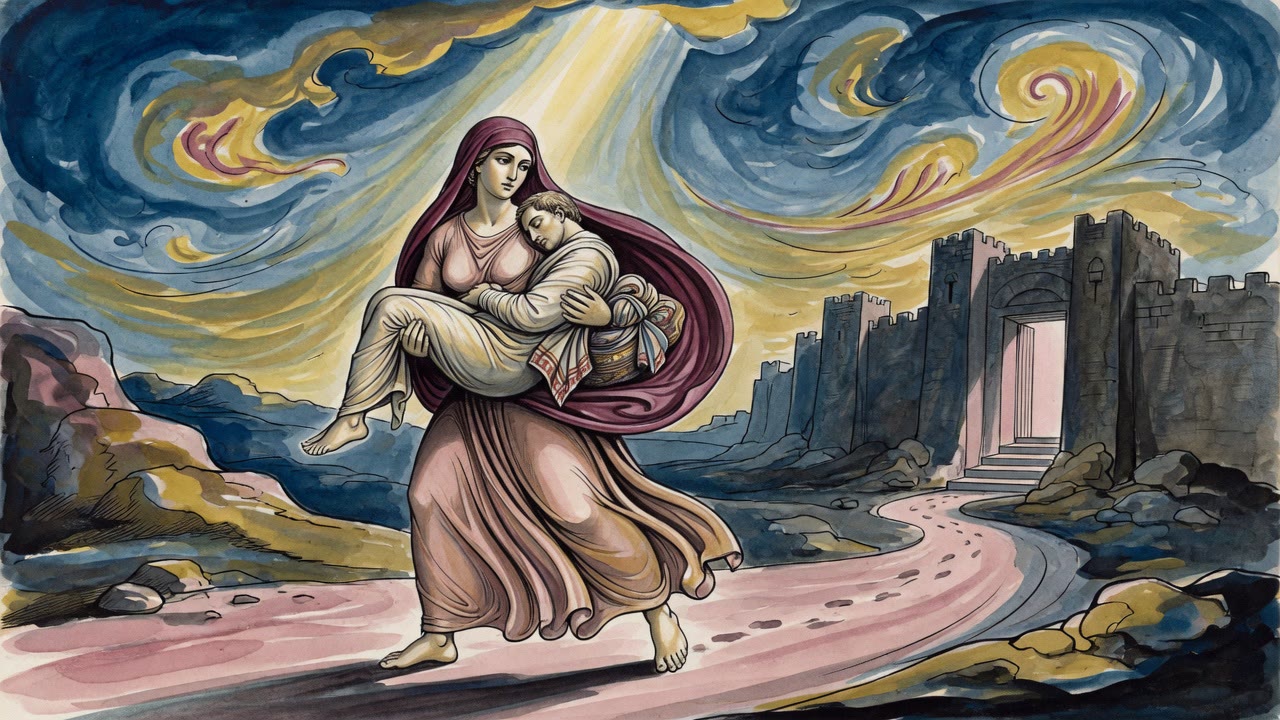
The young man stopped eating on a Tuesday. By Thursday his skin burned under the bedclothes, and his mother kept a cloth of water on his brow that dried before she could wring it. He had seen a woman of the town in the market, and the seeing had not left him. It sat in his chest like a stone that would not cool.
 Click for full size
Neighbors filled the doorway with remedies. One said let her come and speak. Another said let her stand where he could look at her, only look, and the fever would break. A third lowered his voice and spoke of intimacy as medicine, as if desire itself could be prescribed. No one mentioned a wedding canopy. They spoke of exception, of a body that would die if the rules did not bend.
The Doorway Fills With Doctors of Desire
The case went up to the sages. The young man was not a stranger to them. His family had a name, and the illness had a witness list: no food, no sleep, a pulse that raced when her name was spoken. The petition was simple. Save a life. Soften a boundary. Let the woman offer herself in some carefully guarded form so a feverish man might live.
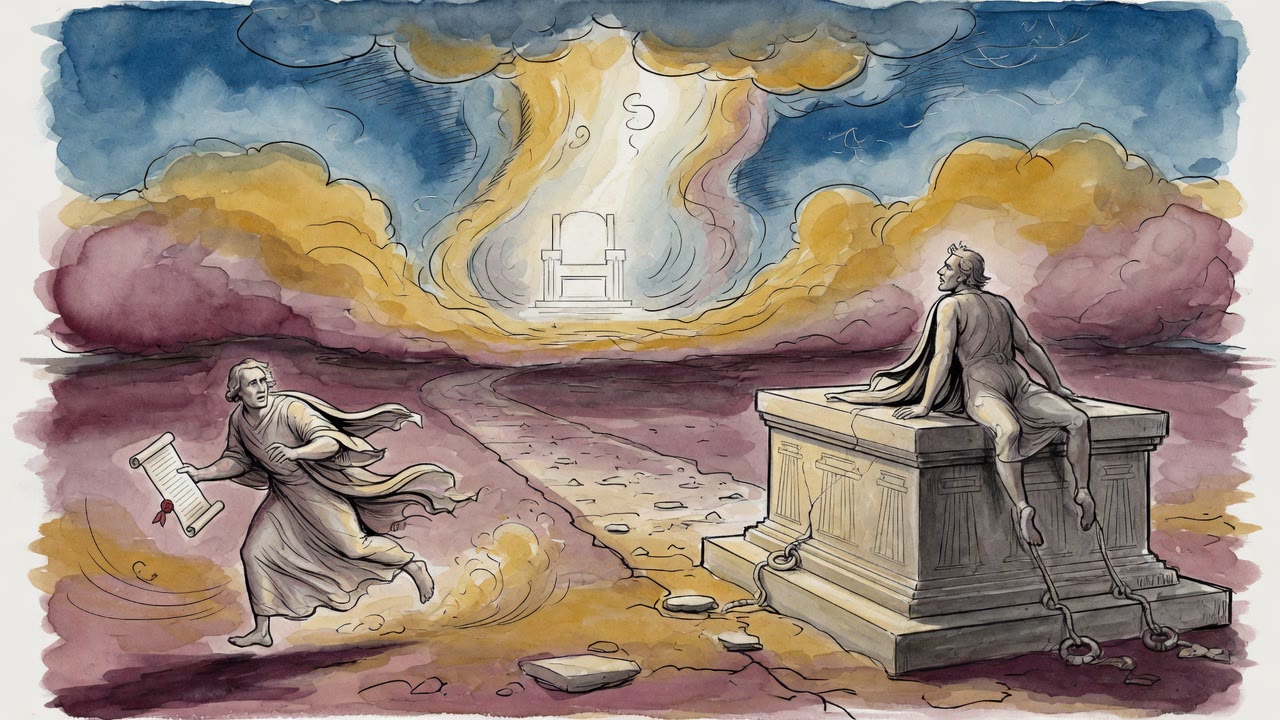
The sages did not call the illness a story. They did not mock the fever. They looked at the line the neighbors wanted to move and left it where it was. She would not be asked to buy his recovery with her body. Licentiousness would not be written as a prescription, even in the smallest dose.
If the line could move for one lovesick boy, it would move for the next, and the next after that, until there was no line at all. The fever, they ruled, was not license. Some healings cut deeper than the disease.
What the Ruling Cost
Outside the study hall, people argued in the street. Was this not the same tradition that moves heaven and earth for a life in danger? Elsewhere the sages break Sabbath for a birth, for a wound, for a child who cannot breathe. Here they held firm. The difference was not the value of the young man's breath. The difference was whose body paid the bill.
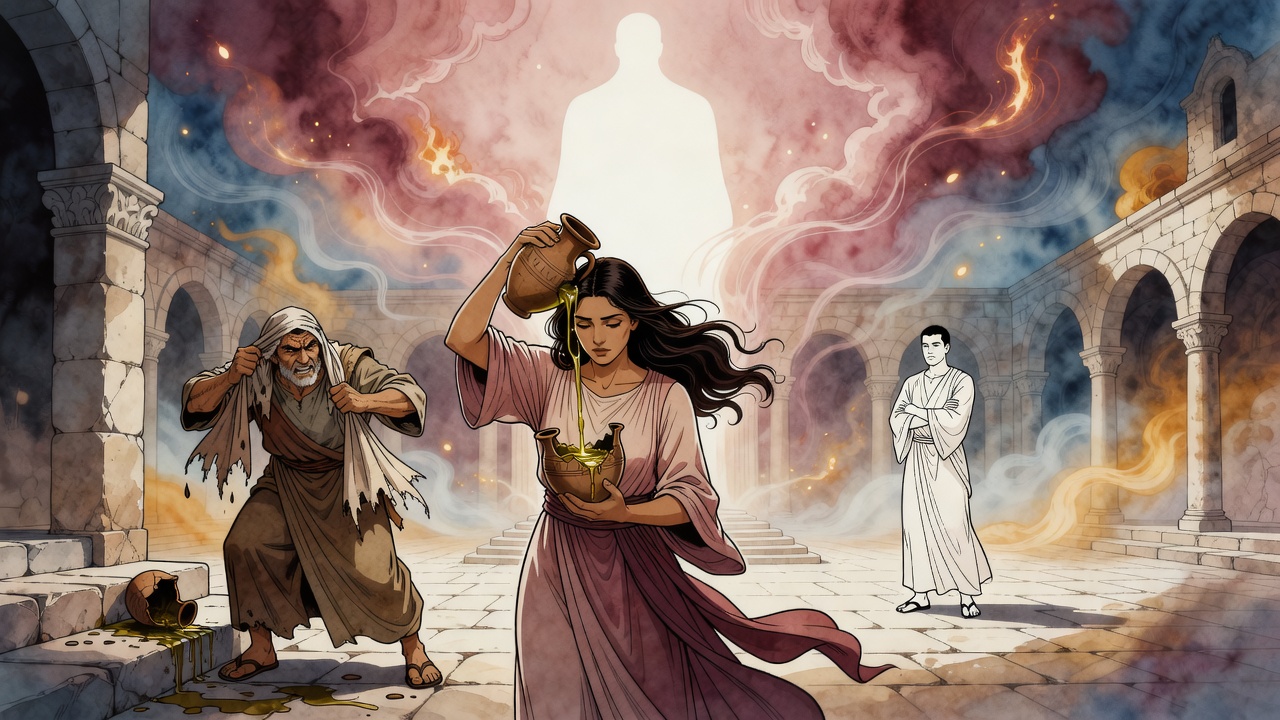
The woman's name never entered the record as a volunteer. No one asked her in the public telling. The refusal protected a person who had not chosen to become a cure. That silence is part of the pressure. She was not a potion. She was a neighbor with a face and a future that was not the young man's to spend.
His father sat on a low stool and said nothing for a long time. Desire had made a courtroom of his house. He wanted his son alive. He did not want the town to learn that a man's heat could draft a woman's person into service.
The Bathhouse Door and the White Geese
In another hall, another generation argued over a different threshold. Rabbi Gidal sat at the entrance of the women's bathhouse, and students asked how a man could sit there without shame. He answered that they appeared to him like white geese. He felt nothing.
Some accepted the claim as spiritual mastery. Others warned that most men should not test themselves that way. The early generations, the Talmud suggests, could hold a gate that later generations must not approach. Desire is not abolished by a clever answer. It is either mastered at cost, or it is not mastered at all.
The lovesick case and the bathhouse door sit on opposite sides of the same rope. One man is dying because desire has him by the throat. Another man claims desire has no hold. The tradition refuses to turn either claim into a public loophole. Mastery is private and hard. Exception is a public road, and roads fill with traffic.
When Even the Bed Counts as a Place of Prayer
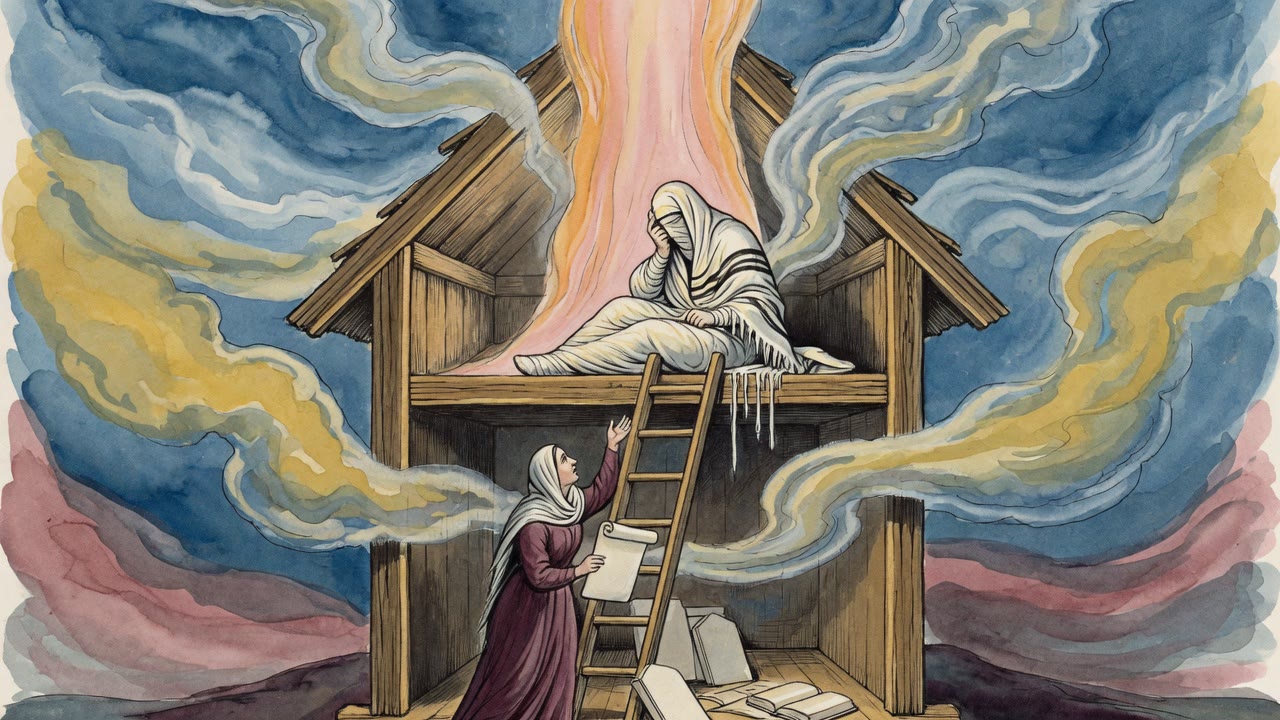
On nights when the fever climbed, the young man's mother prayed by the bed. The sages of another teaching climb down the rungs of place for people who cannot reach the synagogue. Pray in the field if the city house is closed. Pray in the house if the field is too far. Pray upon the bed if the legs will not stand. If even speech fails, be still in the heart, and let go of the sin still in the hand.
That ladder does not dissolve the law of the body. It meets exhaustion without selling someone else's dignity for relief. The heart may cry from the pillow. The heart may not draft a woman into the cry.
Tremble, the psalm says, and do not sin. The sages aim the trembling at the yetzer, the evil inclination, not at a neighbor who never agreed to be medicine. Better to wrestle the urge on the bed than to make a court case out of another person's skin.
The record does not say the young man died of the fever. It says the line was held. In a tradition famous for saving life, this is the hard case that refuses a rescue that would teach the town a worse lesson: that a man's desire, once it turns medical, may commandeer a woman's person. Morning came. The cloth on his brow was cool. The doorway emptied of doctors of desire. The woman of the market went about her day without ever learning she had been entered into a petition as a cure.
← All myths