A Citron Healed a King, and a Diamond Mountain Appeared to a Lame Son
The king chewed the citron from a poor man's gate. Years later a son who could not walk stared at a mountain no merchant had ever mapped.
Table of Contents
The king weakened by the day. Every physician the palace could buy lined the bed with bottles, roots, and learned talk. Nothing held. The room smelled of failed remedies. Courtiers lowered their voices as if volume itself might finish him.
 Click for full size
At the gate a poor man waited with a single citron. He said the fruit would cure the king. They laughed the way people laugh when money has already decided what power looks like.
The Citron at the Gate
The poor man did not step past the threshold. He held the fruit in both hands, ridged and yellow, still cool from his own tree. A guard asked what business a man like that had with a royal illness. The poor man said only that the citron would do the work the bottles had not done.
Word went in because the king was past pride. Rank had finished its speech. The fruit from outside the ledger was allowed into the room.
The King Ate and Rose
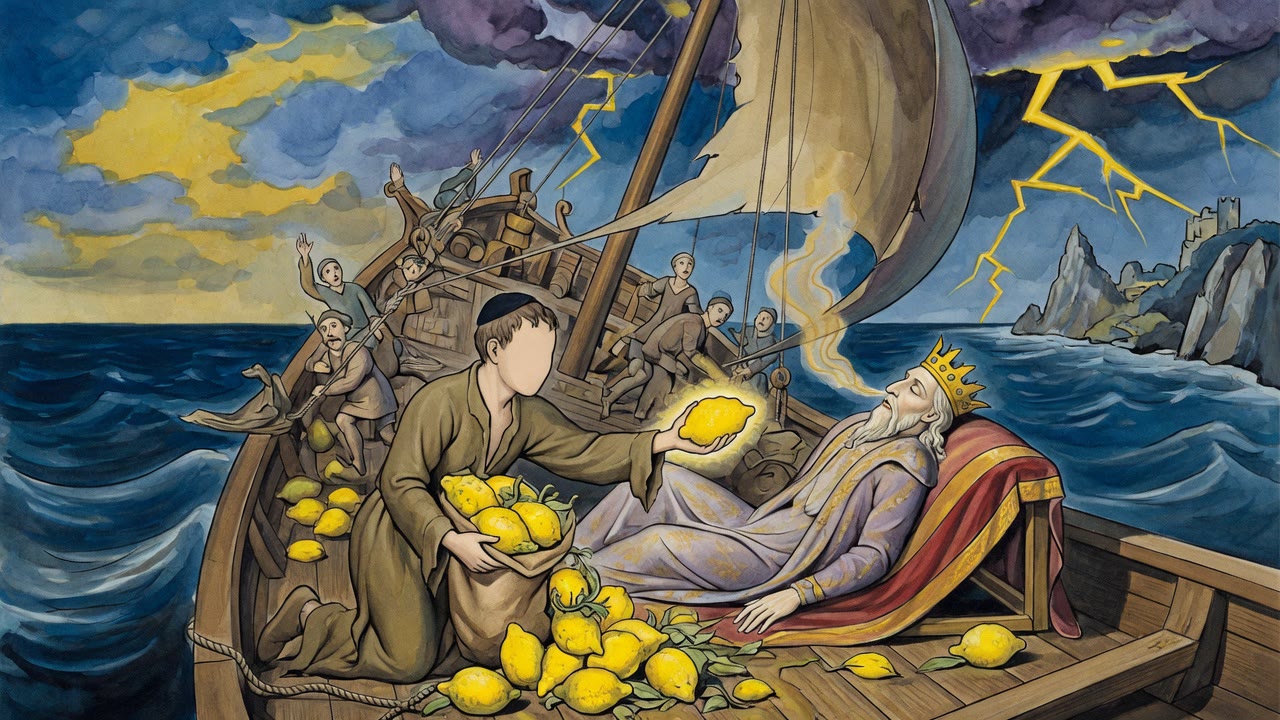
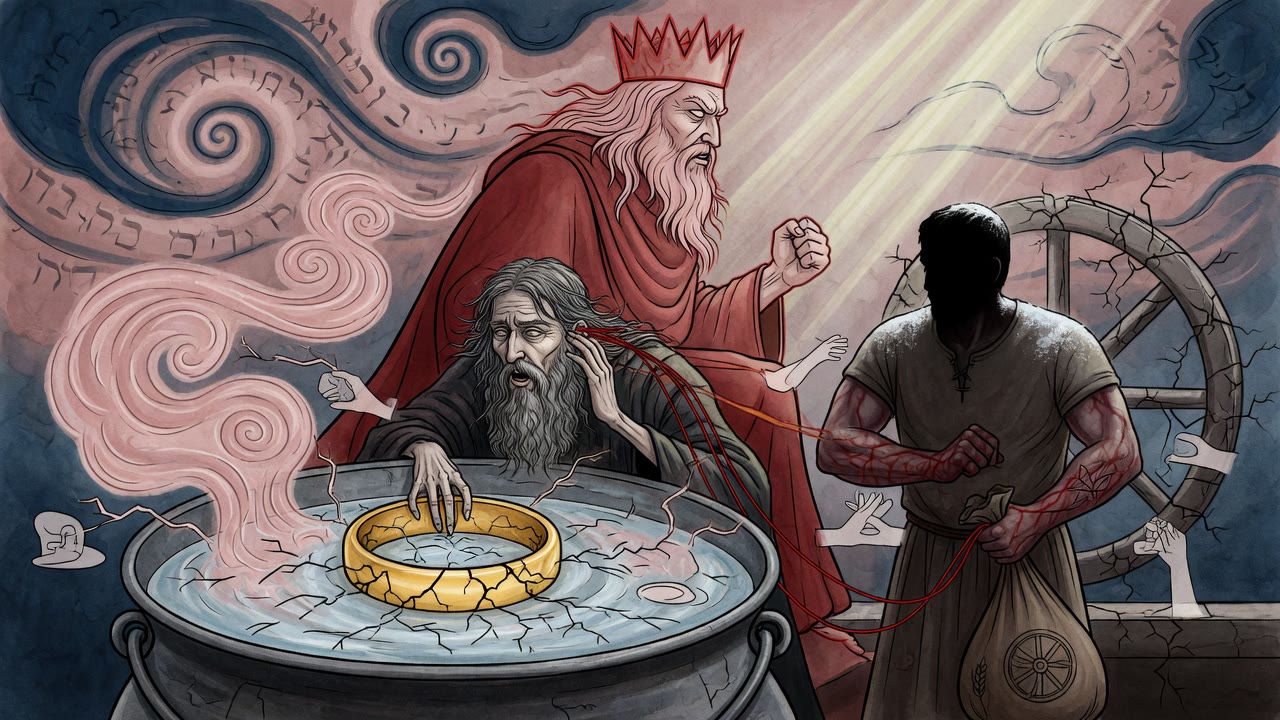
The king took the citron and ate. Juice ran. Courtiers waited for a cough, a seizure, a joke that would restore the hierarchy of expensive failure. Nothing came except breath that deepened and color that returned to a face they had already begun to mourn.
He sat up. Then he stood. The cure was complete. The garden of a nobody had done what the treasury could not.
The poor man was still standing at the threshold with empty hands. No one had offered him a chair. Gold had not bought the thing a tree in a poor yard already held. God still ran that soil without a court appointment.
Water the Trees
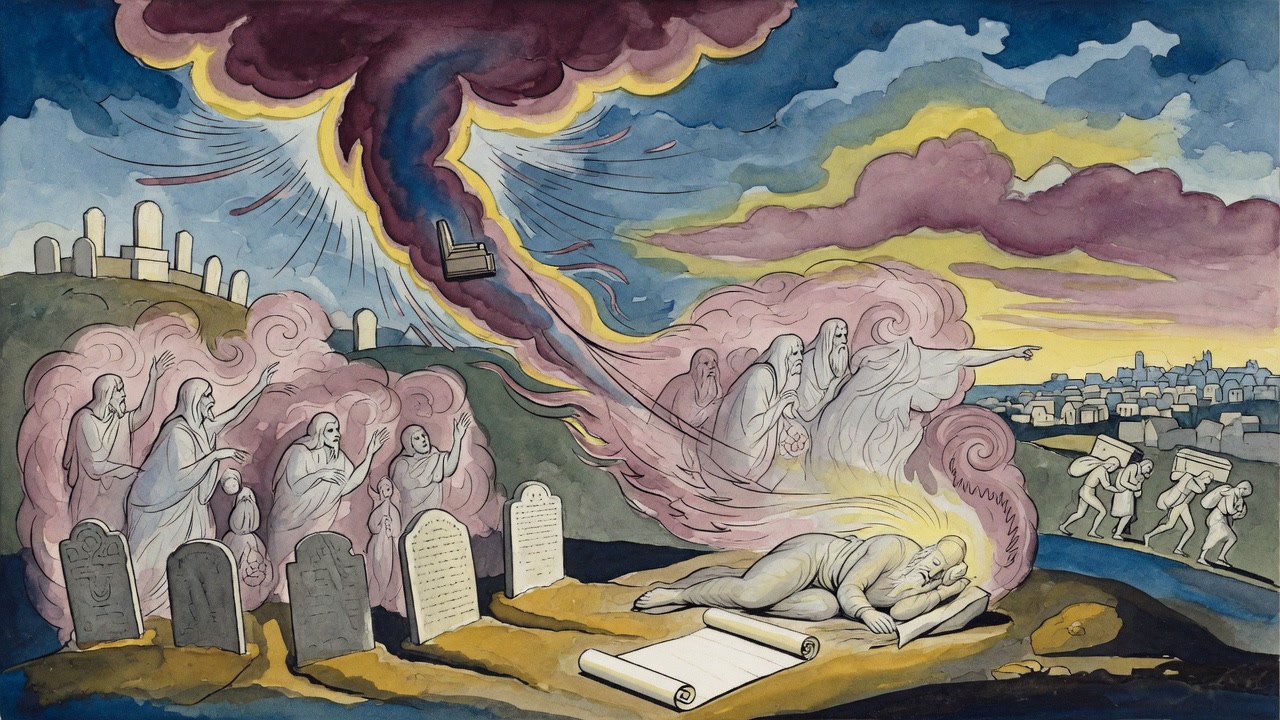
In another house a wise man lay dying and called his children close. His last charge was strange.
"Water the trees," he said. "You may do other work, but you must always water the trees."
Then he was gone. Among the sons was one who could stand but could not take a step. His brothers supported him. He saved coin by coin until he could hire a carriage, a driver, and an assistant for the trade road to Leipzig.
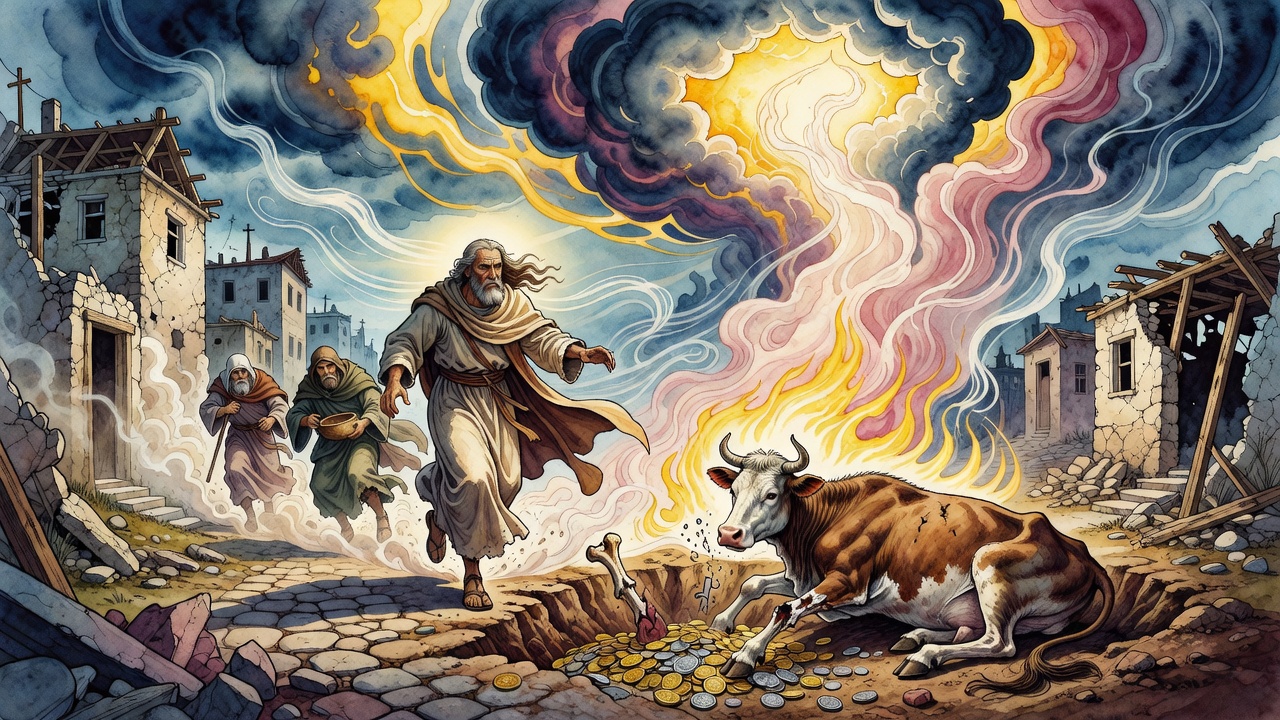
On the road the assistant begged for an inn. The son refused. They pressed into a forest where thieves waited, men recruited in famine by a recruiter who had told the hungry, "Come into the woods. We will rob the merchants." Desperation had been trained into a trade. The gang stripped the carriage. Driver and assistant ran. The son who could not run stayed beside the wreck.
The Forest Took the Carriage
He lived on roots and berries, dragging himself through undergrowth. Days stacked. Roots do not hurry. Berries do not arrive because a traveler is important. Dragging a body that will not walk taught him what "water the trees" might have meant when a dying father still had a voice. Faithfulness without a road. Care without travel.
Night in the forest had no market clock. He slept against bark. He woke with dirt in his mouth. The brothers who could walk were already gone toward towns that still paid in coin. He had only the slow work of staying alive in a place that did not know his name.
A Mountain of Diamonds
Then the forest opened on a mountain of diamonds. Light came off it in hard flashes. Merchants who later found him swore they had traveled those roads for decades and never seen such a thing. The mountain had appeared for the one who could go nowhere else. Visible to the man who had lost everything. Hidden from the legs that still fled toward markets.
He stared. He could not walk to a stall and sell a stone. He could only look. The mountain did not apologize for being late. It only refused to appear for anyone who could still sprint away from the gift.
Inside the palace, years and miles from that forest, a poor man had already gone home with empty hands and a king still alive. Two rooms, two bodies at the end of ordinary plans. A citron in a mouth. Diamonds in a gaze. The experts had finished talking in both places before the gift arrived.
← All myths