5 min read

The Poor Sage Split the Merchant's Ring and Said the Word Nature

A starving sage tested the king's ring in boiling water and whispered Nature. When pressed, he named the miller blood that taught him every skill.

Curated by Arthur · Told by Maggid ·
Table of Contents
  1. Complaint in the Capital
  2. Ring, Horse, Three Sacks
  3. The Miller's Blood
  4. The Tall Letter
  5. Work the Field
The Poor Sage Split the Merchant's Ring and Said the Word Nature Click for full size

Complaint in the Capital

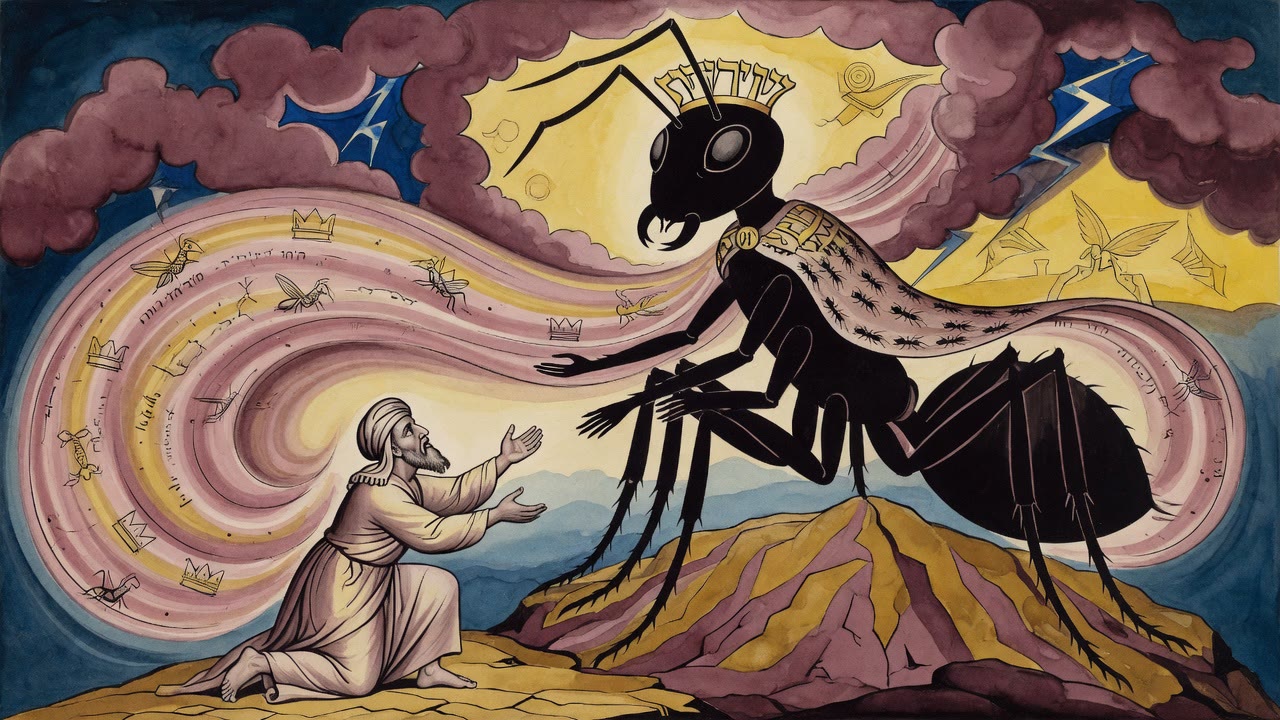
A clever man walked the capital streets half starved and called up at the sky between the walls. "Why has God dealt so harshly with me?" Shopkeepers knew his face. Children mocked his muttering. Dogs followed him for the smell of hunger. Word reached the king the way gossip always does, through a servant who thought the complaint funny until the king did not smile.

The king summoned him. The man stood in good clothes that were not his and explained the riddle of his life. Insight into many things. No bread. Eyes that see the seams in the world and a belly that does not fill. The king, intrigued by the combination, ordered a sack of corn delivered every week. Each time the sack arrived, the sage said one word as if blessing or blaming the grain itself. "Teva. Nature."

In the palace kitchen the cooks learned to watch for the weekly sack. In the throne room the courtiers learned to watch for the weekly word. Nature. Nature. Nature. It sounded like piety until it sounded like a joke, and no one yet knew it was a key.

Ring, Horse, Three Sacks

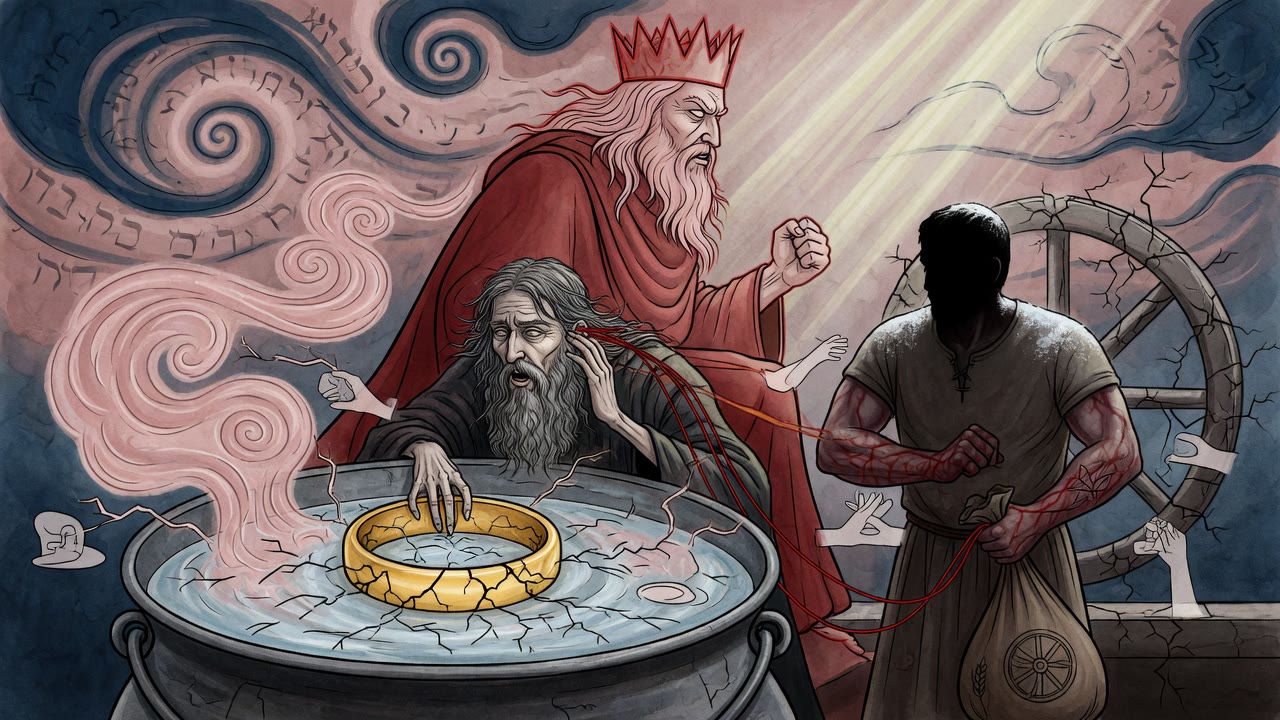
A merchant brought a magnificent ring and swore the stone was carved from a single piece. Courtiers nodded at the price. The king called his pensioner. "Two pieces," the sage said quietly, turning the ring in the light. He dropped it into boiling water. The glue failed. The stone came apart with a soft click that silenced the room. Two sacks a week. Again he said Nature, and no one asked what the word meant because the proof was still steaming.

A horse arrived as a royal gift, beautiful enough to make generals jealous. The sage walked around it, checked the eye, the mouth, the way the animal held its weight on the off hind leg. After a gallop of twenty miles this horse will go mad and kill its rider. They tested the claim with a condemned man whose life the court already considered spent. At the twentieth mile the horse threw him and trampled him. Three sacks. Nature.

At a banquet the word finally annoyed a courtier who had drunk enough to be brave. Laughter rose. The king took the sage aside into a quieter room with a closed door. Why always Nature? Promise not to kill me, the sage said. The king promised, as kings do when curiosity outweighs pride for an hour.

The Miller's Blood

"I am not the son of the father I was raised to call father," the sage said. "My real father threshed and ground corn in my mother's village. I inherited cleverness from him and no land, because she hid the truth to keep a house standing. When I see grain, I remember him. I say Nature, because every skill I have came from his blood, not from a school with a plaque on the door."

The king sent for the mother. In private she confessed. The story that had fed a career of tests was also a story of shame she had carried alone through years of market days and quiet lies. Wealth followed for the son, on condition the tale stay inside the palace walls. Wisdom had fed him before fortune admitted its debt. The Codex that keeps the tale ends with a simple claim: wisdom sustains the one who has it, even when fortune did not hand him his starting place.

The Tall Letter

A Roman matrona once asked a rabbi why the letter lamed stands taller than every other letter of the alphabet. The question looked small, the way her questions often did. Because it is the herald, he said. A herald must stand above the crowd so the proclamation can be seen and heard. Lamed opens lev, heart, and lomed, to learn. Learning announces wisdom. Without it, other virtues stay silent in the chest, unheard on the street, unused when a ring needs testing or a horse needs reading.

Lamed is the only letter that breaks the upper line of writing. Every other letter stays inside the ruled margin. True learning will not. It rises. The person who pursues it stands taller, not from arrogance, but because Torah lifts the frame of the day past what the day thought it could hold. The matrona left with more alphabet than she had brought.

Work the Field

The proverb says tend your soil and eat bread. The midrash hears Torah as the field and Wisdom setting her table with a call: come, eat of my bread and drink of the wine I have mixed. Chase empty things and you grow rich only in poverty. Labor in Torah, and the reward is great. Neglect it, and idleness multiplies enemies and weeds you never planted. An abandoned field does not stay neutral. It grows the wrong crop and then blames the rain.

The poor sage worked a different field: the grain in his hidden bloodline, the eye that tests a ring and a horse, the word Nature said over a sack like a private psalm. The matrona's lamed names the same hunger in holy letters. Both stories refuse the lie that wisdom is only a palace education bought with clean pedigree papers. Sometimes it is a miller's son saying one word over corn until a king finally hears the word as pedigree. Sometimes it is a letter that will not stay inside the line. Bread comes to those who work a field, whether the field is Torah or the hidden craft in a father's blood.


← All myths
From the tradition

Sources

3 sources

The texts behind this telling. Some cards carry a translation of the source; others are our own retelling of it, and each card says which. Every card links out to the original.

Gaster, Exempla no. 372The Exempla of the Rabbis (1924)

Retold in our words. Read the original at the link below.The Exempla of the Rabbis, Moses Gaster (1924) · PD-US-pre-1929

A man once lived in the capital who was recognized as remarkably clever. But he was also desperately poor. He used to walk the streets crying out, "Why has God dealt so harshly with me?"

Word of his complaint reached the king, who summoned him and asked what he meant. The man explained his situation: gifted with insight into many things, yet starving. The king, intrigued, ordered that a sack of corn be delivered to him every week.

Whenever the sack arrived, the man said one word: "Teva. Nature."

Some time later a merchant brought the king a magnificent ring with a precious stone. The merchant swore the stone was carved from a single piece. The king sent for his new pensioner and asked for his judgment. "The stone is of two pieces," the sage said quietly. He dropped the ring into boiling water, and the two pieces came apart. The king, amazed, appointed him a councillor and doubled his pension to two sacks of corn a week.

Again the sage said, "Nature."

Later a beautiful horse was presented to the king as a gift. The sage examined it and said, "After a gallop of twenty miles this horse will go mad and kill its rider." The king had the horse tested with a condemned prisoner. At the twentieth mile the horse threw and trampled him. Three sacks a week.

Again the sage said, "Nature."

At a banquet one night the sage said it one time too many. A courtier laughed. The king took the sage aside and pressed him. "Why do you always say Nature?"

"If the king promises not to kill me, I will tell."

The king promised.

"I am not the son of the father I was raised to call my father," the sage said. "My real father was the man who threshed and ground the corn in my mother's village. I inherited my cleverness from him, and I inherited no land because my mother hid the truth. When I see grain, I remember him, and I say Nature, because every skill I have came not from schooling but from his blood."

The king sent for the sage's mother. In private, she confessed the truth.

The king gave the sage great wealth, on condition that he never repeat the story outside the palace. And ever after, he lived well.

Thus, the Codex Gaster concludes, wisdom sustains the one who possesses it, even when fortune did not hand him his starting place.

(From The Exempla of the Rabbis, Moses Gaster, 1924, no. 372, from Codex Gaster 130.)

Full source
Exempla of the Rabbis, No. 17Exempla of the Rabbis (Gaster, 1924)

Retold in our words. Read the original at the link below.The Exempla of the Rabbis, Moses Gaster (1924) · Public Domain

A Roman noblewoman, a Matrona, as the sages called her, came to a rabbi with a question that seemed trivial but concealed a deep truth. "Why," she asked, "is the letter Lamed taller than all the other letters of the Hebrew alphabet?"

The rabbi smiled. He had fielded many questions from this sharp-minded woman before, and he knew that behind her curiosity lay a genuine hunger to understand the mysteries of the Torah. "The Lamed stands taller," he replied, "because it is the herald. And a herald must stand above the crowd so that all can see and hear the proclamation."

The Matrona pressed further. "A herald of what?" The rabbi explained that the letter Lamed begins the word "lev", heart. And also the word "lomed," meaning "to learn." Learning is the herald that announces the arrival of wisdom. It stands tallest among all human activities because without learning, all other virtues remain silent and unseen.

There was another layer to the answer that the sages debated for generations. The Lamed is the only letter in the Hebrew alphabet that rises above the upper line of writing. Every other letter stays within its boundaries. The Lamed breaks through. The rabbis saw in this a teaching about the nature of Torah itself: true learning cannot be contained. It rises above every boundary, every limitation, every expectation. The person who genuinely pursues wisdom will always stand taller than those around them, not out of arrogance, but because the Torah lifts them up beyond what they thought possible.

Full source
Midrash Mishlei 28:5Midrash Mishlei

Translation of the source text.Midrash Mishlei (Buber) · CC-BY

(Proverbs 28:19): "He who works his land will have plenty of bread." If a person merited Torah, he will be satisfied with bread, as it is said (Proverbs 9:5): "Come, eat of my bread, and drink of the wine I have mixed." "But he who pursues empty things will have plenty of poverty", as it is said (Proverbs 3:34): "If [he deals] with scorners, He will scorn them, but to the humble He gives grace." There we learned (Mishnah Avot 4:12): "If you have labored in the Torah, you have much reward to receive; and if you have neglected the Torah, you have many idlers set against you."

Full source