5 min read

Ben Sira Burns Hot for Wisdom Under Heaven

Under quaking mountains Ben Sira feels too small for God's eye, then burns like an oven for wisdom and offers her free to the thirsty.

Curated by Arthur · Told by Maggid ·
Table of Contents
  1. Too Small for the Gaze
  2. The Oven in the Chest
  3. House of Learning Without Rent
  4. Between Quake and Yoke
  5. What the Thirsty Hear
Ben Sira Burns Hot for Wisdom Under Heaven Click for full size

Too Small for the Gaze

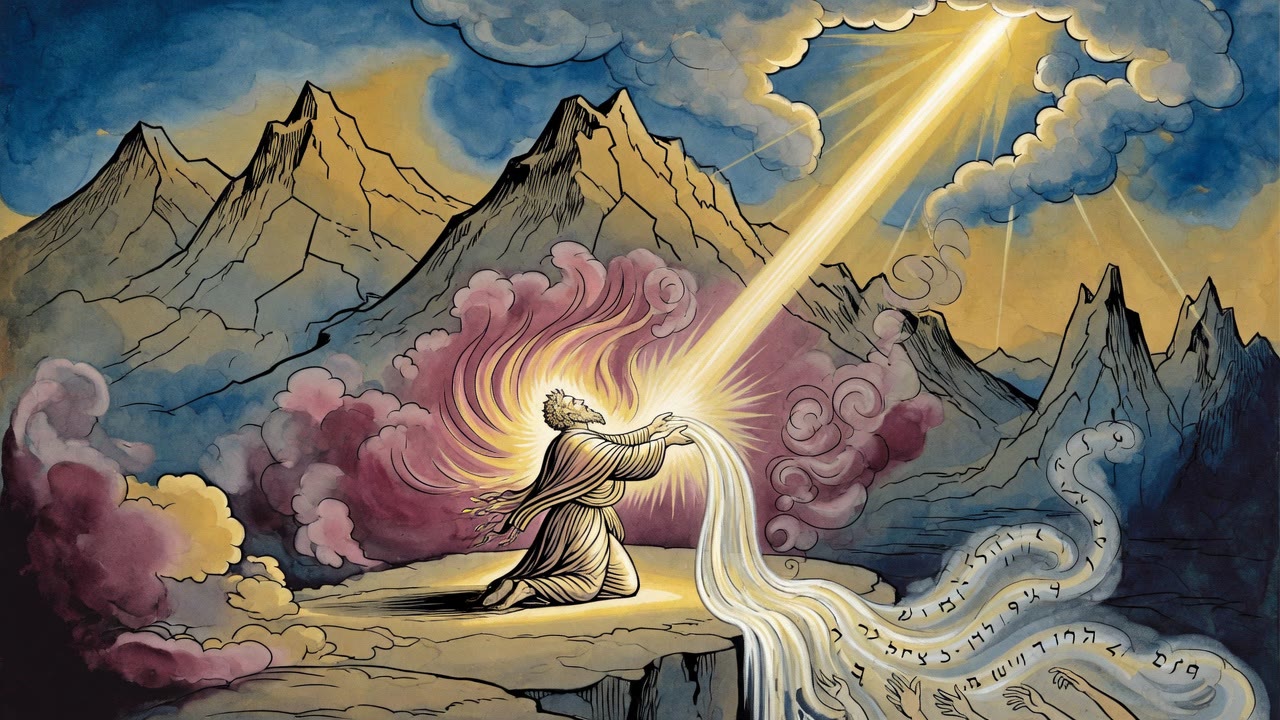
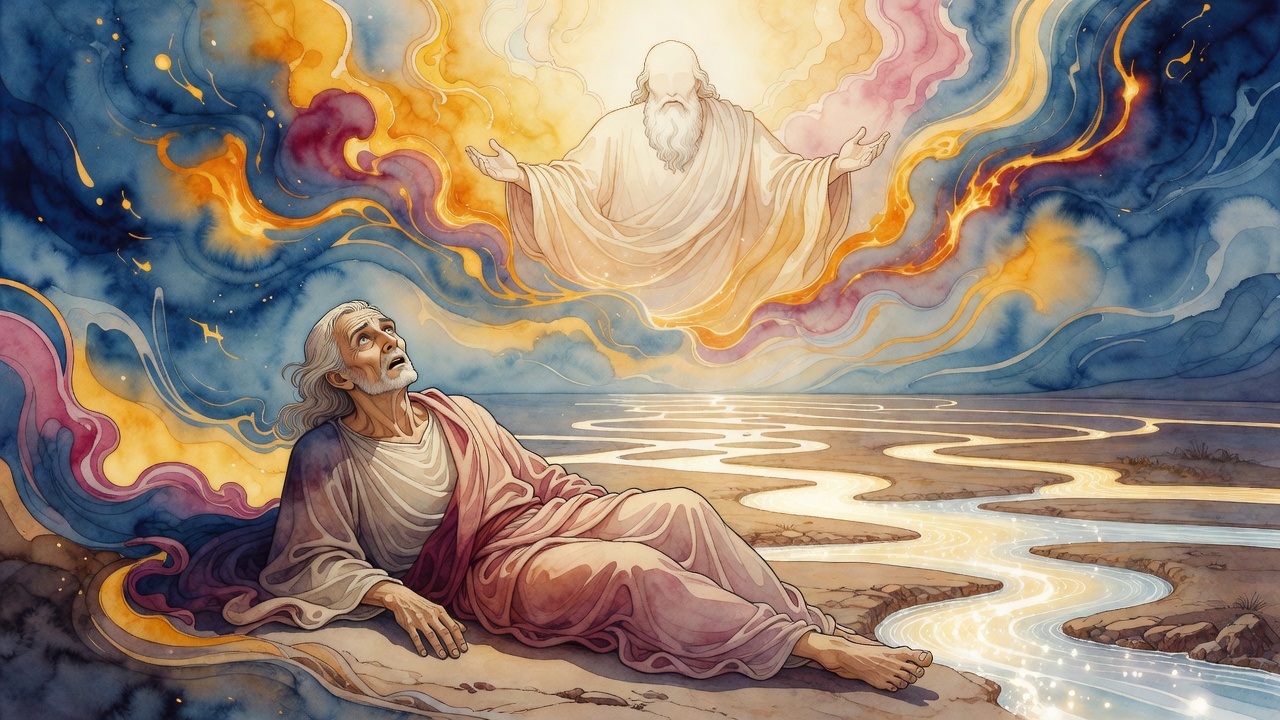
Ben Sira looked up until his neck hurt. Heaven, and the heaven of heavens, and the deep, and the earth. The scale did not comfort him. When God descends, the teacher said, they tremble. At His visitation and when He rages, mountains shake. Roots of mountains and foundations of the world quake when He looks on them.

Then the small voice inside a human chest: Surely upon me He will not set His heart. My ways, who will consider? The fear was not atheism. It was the terror of being a grain under a boot that measures galaxies. Mikreh, considerate notice, felt like a luxury the cosmos might refuse.

Dust lifted on a Jerusalem street. A donkey brayed. Ben Sira's palms were wet. Immensity had entered his bones and left him arguing for the right to be seen.

The Oven in the Chest

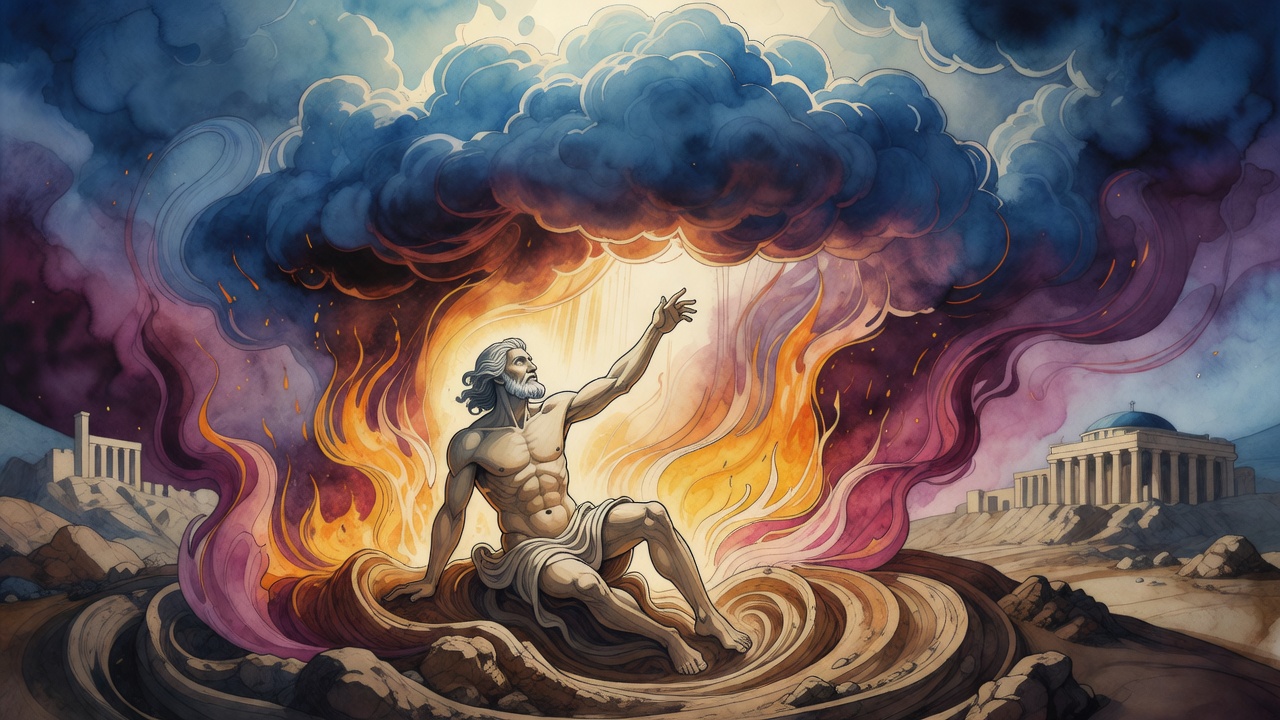
Against that smallness he set a fire. My inward parts were hot as an oven for her, to behold her. Therefore I possessed her as a good possession. The her was hokhmah, wisdom. Not a trinket. A heat that would not cool. He did not treat wisdom as private loot. The Lord gave me the reward of my lips, he said, and with my tongue will I give Him thanks.

Speech became the payment for fire. What burned inside had to leave the mouth as teaching and praise. A man who only hoards insight is still thirsty. A man who speaks it waters a street.

At night the oven did not sleep. He turned on his mat and felt the same heat that had made the mountains tremble, now concentrated into a hunger for understanding rather than for spectacle.

House of Learning Without Rent

"Turn unto me, O foolish ones, and lodge in my house of learning. How long shall you lack these things, and your soul be very thirsty?" He opened his mouth and spoke of her. "Get wisdom in possession without money." No coin for entry. Only the will to come in from the drought.

"Bring your necks into her yoke. Let your soul take up her burden. She is near to them that seek her. He that gives his soul finds her." The yoke was not slavery to a tyrant. It was discipline that keeps a mind from scattering into every market noise. The burden was the weight of new seeing.

Students who wanted cheap thrills would not stay. Students who wanted their souls rearranged would learn the gate was already open.

Between Quake and Yoke

The same teacher who feared God's eye would never find him also taught that wisdom stands near the seeker. The tension is the point. Cosmic terror without a path becomes paralysis. A path without awe becomes a shop. Ben Sira held both: foundations quaking under divine look, and a free house of learning on a dusty lane.

He did not resolve the paradox with a slogan. He walked it. Mornings of study. Evenings of praise. A body that knew it was small and still refused to stop asking for more light.

When he spoke of the first days of existence, he was not giving a geography lesson. He was staging the size of the room in which a human soul must choose whether to hide or to burn.

What the Thirsty Hear

A young man who thought God too busy for his failures heard the oven speech and felt accused in the best way. Thirst was no longer fate. It was a diagnosis. The mountains still stood. The deep still waited. The invitation still hung in the air: lodge, take the yoke, give the soul, find her.

Ben Sira's lips kept moving. Gratitude for wisdom was itself part of the possession. Under heaven of heavens he remained a small man with a hot chest, and that was enough to change a street of fools into a school.

He walked past stalls of oil and figs and felt the old question return with every price shouted. If God measures mountains, does God measure a merchant's thumb on the scale? Ben Sira's fear of being overlooked became an ethic of acting as if overlooked is impossible. Live as if the gaze is real. Study as if the oven must be fed. Speak as if thanks is rent due on understanding.

A student once asked why wisdom costs sweat if she is free of money. Ben Sira pointed at the yoke again. Free entry is not free of labor. The neck bends because the mind must hold more than appetite. The thirsty soul that refuses the house stays thirsty by choice, not by cosmic neglect.

On days when the heaven of heavens felt too wide, he opened a scroll anyway. Smallness and heat shared the same chest. That double occupancy is the whole of his teaching: quake, then learn; tremble, then teach; admit the self is a grain, then burn for light until the grain glows.


← All myths
From the tradition

Sources

2 sources

The texts behind this telling. Some cards carry a translation of the source; others are our own retelling of it, and each card says which. Every card links out to the original.

Ben Sira 16:20Ben Sira

Retold in our words. Read the original at the link below.The Wisdom of Ben Sira, Cambridge University Press (1899) · CC-BY

Ben Sira turns to Sira, First Days of Existence.

It’s a powerful statement on feeling insignificant. Like one tiny wave in a massive ocean of souls.

Ben Sira doesn't shy away from the immensity of creation. A cosmic panorama that dwarfs our everyday concerns. And then, he reminds us of God's power, the force that holds it all together. "When He descendeth upon them, they tremble…at His visitation…and when He rageth."

This isn't some gentle, passive deity we're talking about. This is a force of nature. Mountains quake at His gaze. "The roots also of the mountains and the foundations of the world, when he looketh upon them, quake exceedingly."

So, where does that leave us, these tiny humans with our tiny lives? It's easy to feel lost in the shuffle. Ben Sira voices that very fear: "Surely upon me He will not set His heart; And my ways who will consider?" Does God, amidst all this cosmic drama, really have time for me? Will God be mikreh? (considerate)

We find ourselves asking it in moments of doubt, when we feel overwhelmed or forgotten.

But here’s the beautiful tension: Ben Sira dares to ask the question, but the very act of asking implies that the answer matters. That even if we feel insignificant, the possibility of being seen, of being considered, is profoundly important.

Perhaps the point isn’t whether God is watching every single move we make, but whether we live our lives as if we could be seen. As if our actions, our choices, ripple outwards, even in the vastness of the universe. Maybe, just maybe, that’s enough.

Full source
Ben Sira 51:26Ben Sira

Retold in our words. Read the original at the link below.The Wisdom of Ben Sira, Cambridge University Press (1899) · CC-BY

Ben Sira, in his wisdom, captures that feeling perfectly. He says, "My inward parts were hot as an oven for her, to behold her; Therefore I possessed her as a good possession." What's he talking about? He's talking about hokhmah – wisdom. That all-consuming fire, that passion – it's for knowledge, for understanding.

This idea of craving wisdom so intensely that it feels like a fire burning within. And the reward? Possessing her "as a good possession." Not in a selfish way, but in a way that enriches your entire being.

He doesn't stop there. "The Lord gave me the reward of my lips; And with my tongue will I give him thanks." This isn't about keeping wisdom to yourself. It's about sharing it, speaking it, using your voice to express gratitude for the gift you've been given.

What if you don’t feel that burning desire? What if you feel lost, unsure where to turn? Ben Sira has some advice for you too: "Turn unto me, O foolish ones; And lodge in my house of learning." Don’t be afraid to seek guidance. Don’t be ashamed to admit you don’t know. His "house of learning" isn't a literal place, of course. It's an invitation to embrace the journey of discovery, to find a community of seekers.

He continues, "How long shall ye lack these things, And your soul be very thirsty?" It's a rhetorical question, a gentle nudge. Why stay thirsty when there's a wellspring of knowledge waiting for you? Why remain unfulfilled when wisdom is within reach?

Then comes the heart of his message: "I opened my mouth and spake of her, Get ye wisdom in possession without money." Wisdom isn't something you buy; it's freely available to all who seek it. It’s about opening yourself up to learning, to new perspectives, to questioning everything. It reminds me of the teachings in Proverbs (Mishlei), where wisdom calls out in the streets, inviting everyone to listen.

And here's where Ben Sira gets even more compelling: "And bring your necks into her yoke; And let your soul take up her burden. She is nigh to them that seek her; And he that giveth his soul findeth her."

Now, the image of a "yoke" and a "burden" might sound a little daunting. But think of it this way: pursuing wisdom requires effort. It requires discipline. It requires a willingness to challenge your own assumptions. It's not always easy. It’s a commitment. The "yoke" is the commitment, the discipline needed to aquire knowledge. The "burden" is the weight of new ideas, the responsibilities that come with understanding.

But here's the beautiful part: "She is nigh to them that seek her." Wisdom isn't some distant, unattainable ideal. It's close. It's accessible. It's waiting for you to reach out and grasp it. And ultimately, "he that giveth his soul findeth her." When you dedicate yourself fully to the pursuit of wisdom, you find not only knowledge, but also a deeper understanding of yourself and your place in the world.

So, what's your "oven"? What burns within you? What are you truly passionate about learning? Maybe it's Jewish texts, maybe it's astrophysics, maybe it's the art of cooking. Whatever it is, embrace that fire. Seek wisdom with all your heart. And then, share what you've learned with the world.

Full source