Parshat Bereshit6 min read

Wisdom the Radiant Bride Who Stood Beside God Before Creation

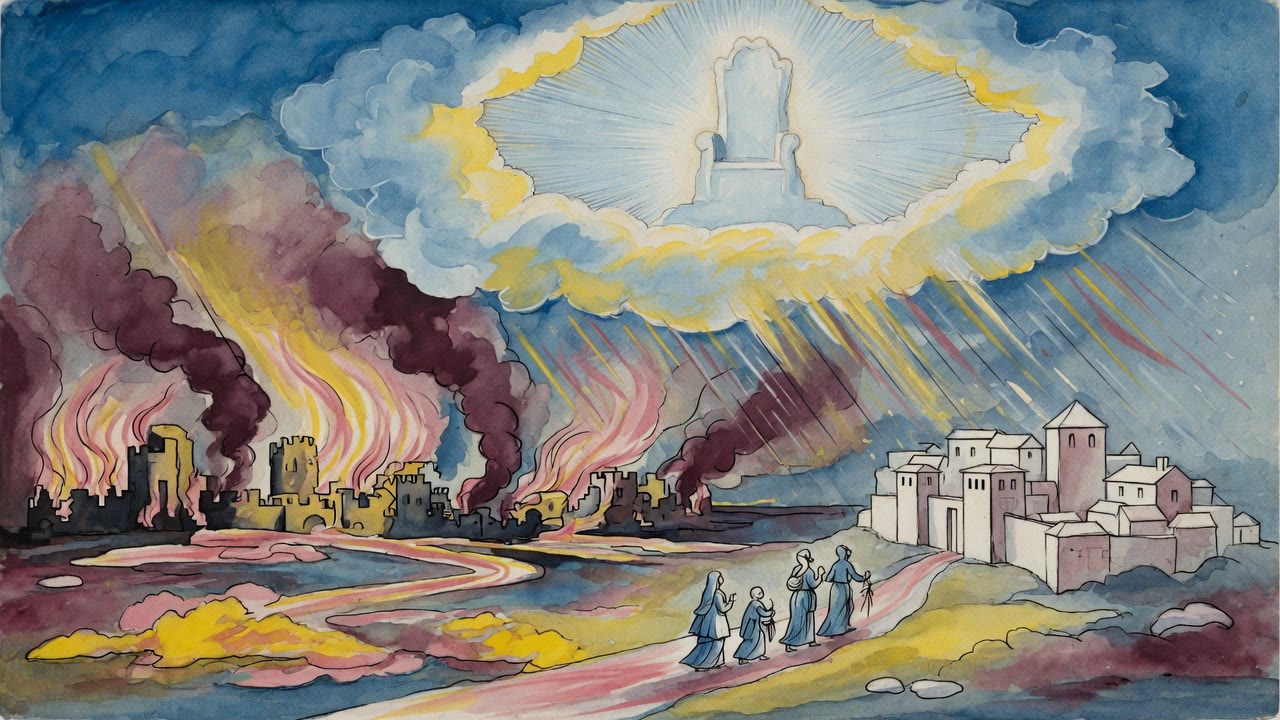
Before the first light, a radiant figure stood at God's side, and when the dust was ready to become a man, she waited to meet him as a bride.

Curated by Arthur · Told by Maggid ·
Table of Contents
  1. Before the First Light, She Already Stood
  2. The King Took Counsel Before the Dust
  3. She Met the First Man as Mother and Bride
  4. The Arrogant Walked Past and Never Saw
  5. The Diadem That Does Not Fade
Wisdom the Radiant Bride Who Stood Beside God Before Creation Click for full size

Before the First Light, She Already Stood

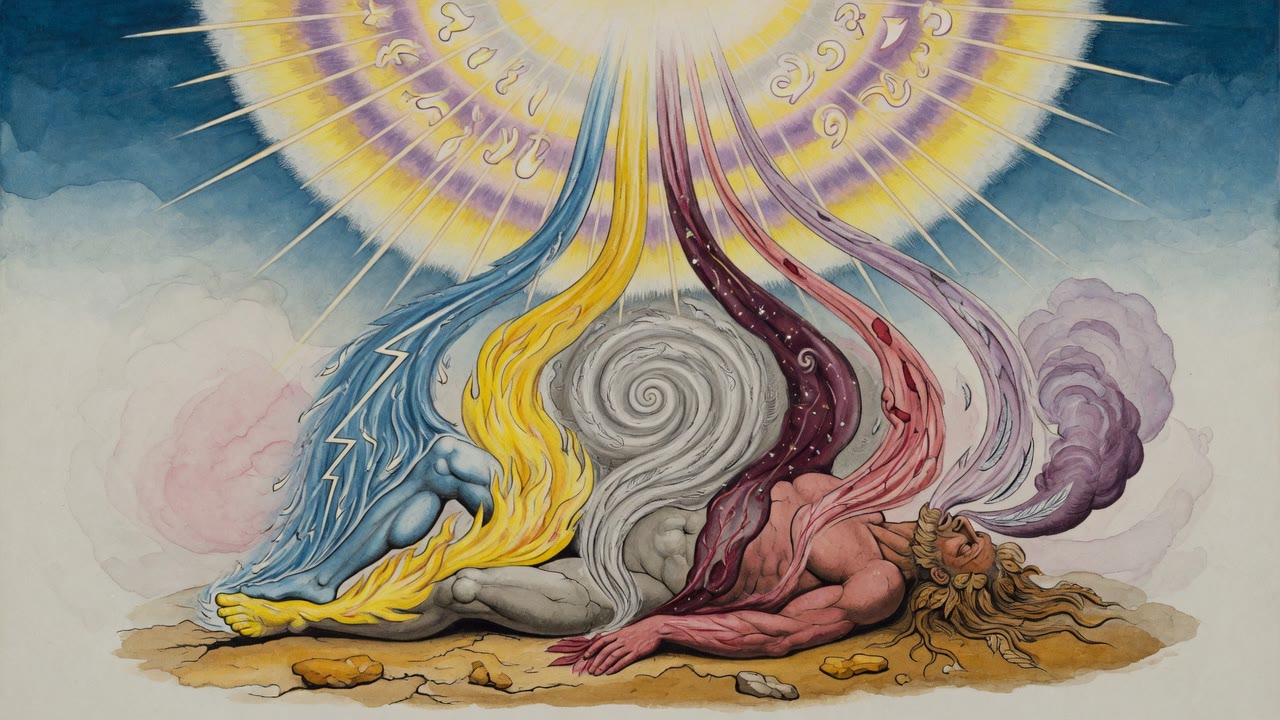
Before the first light was struck, before the deep had a name, a figure stood at the side of God. She was called Wisdom, and she was no thought and no ornament. She was a presence, so bright and so wanted that those who came near her fell quiet and then glad, the way a traveler goes quiet before a fire he has walked all night to reach. "Happy is the one who draws close to her," the saying went, "and those in her presence enjoy themselves." Men would spend whole lives trying to hold her, and count the trying a mercy.

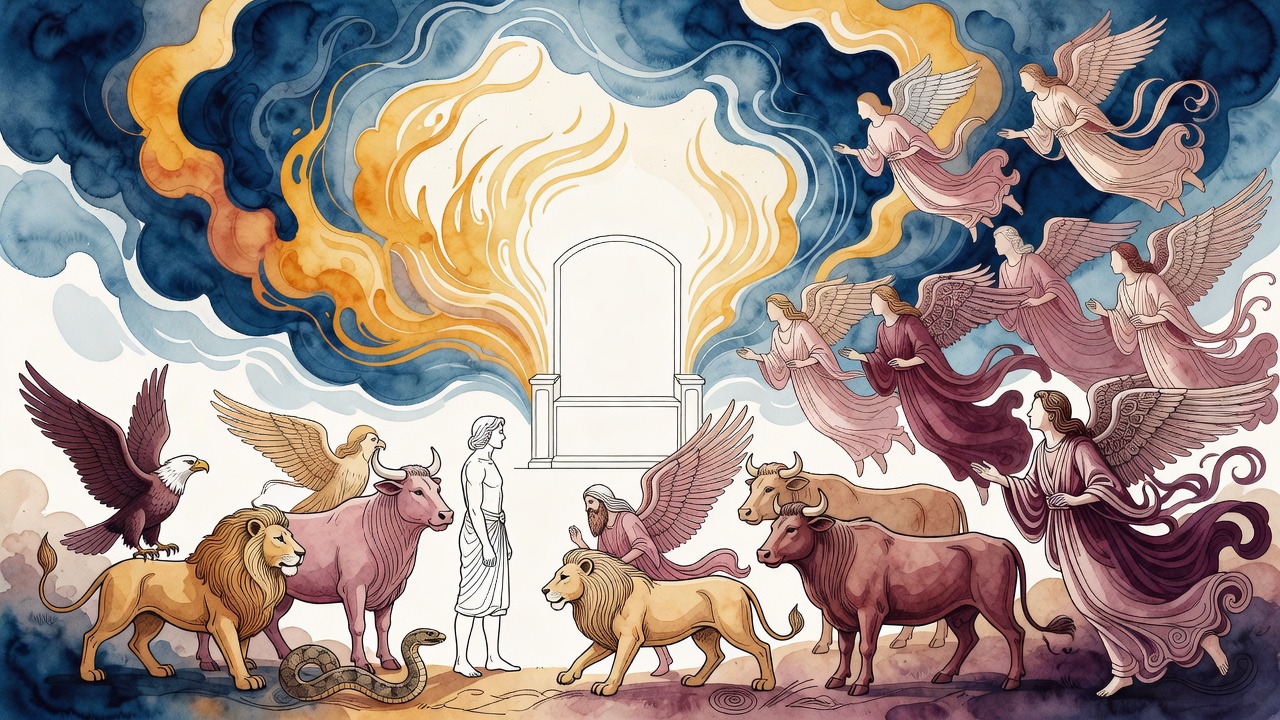
The angels could not keep away. They gathered where she was and recited the praises of the Lord, and their singing was full of her, because there was nothing in the making of the world she had not touched. She wore a diadem that would not crumble, an eternal thing, and she gave a share of it to any who would hold to her. She never left them. That was the strange and steady heart of her. She rejoiced in the ones who reached for her, and she never once, in any age, abandoned them.

The King Took Counsel Before the Dust

Then came the day for the man.

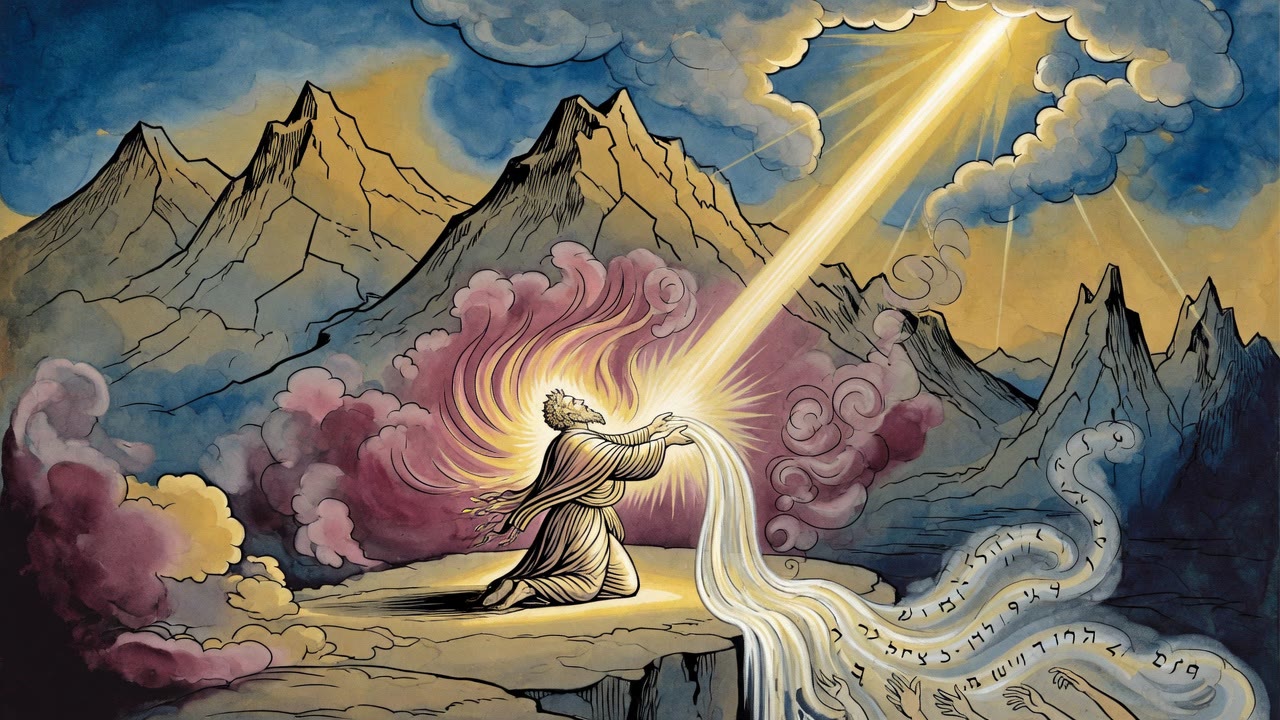
The King of kings did not simply reach down and mold. Before He gathered the dust of the ground, He took counsel. Not with the angels who circled Wisdom, and not with any power that stood finished and complete. He turned to the souls of the righteous, the ones not yet born, the ones who would one day dwell among plantings and set hedges around their fields and walk with the King in the long labor of their days. They were with Him, waiting, before there was a world to wait in. With them He weighed the making of the man, and none of them was yet flesh.

Wisdom stood through all of it. When the plan for the first body was drawn, when the borders were fixed and the sand was laid as a boundary for the sea so the waters would learn where to stop, she was there in the design of it. The man who would rise from the clay was shaped to want her before he could name the wanting. He would come out of the ground already leaning toward her, the way a seed pushes toward a light it has never seen.

She Met the First Man as Mother and Bride

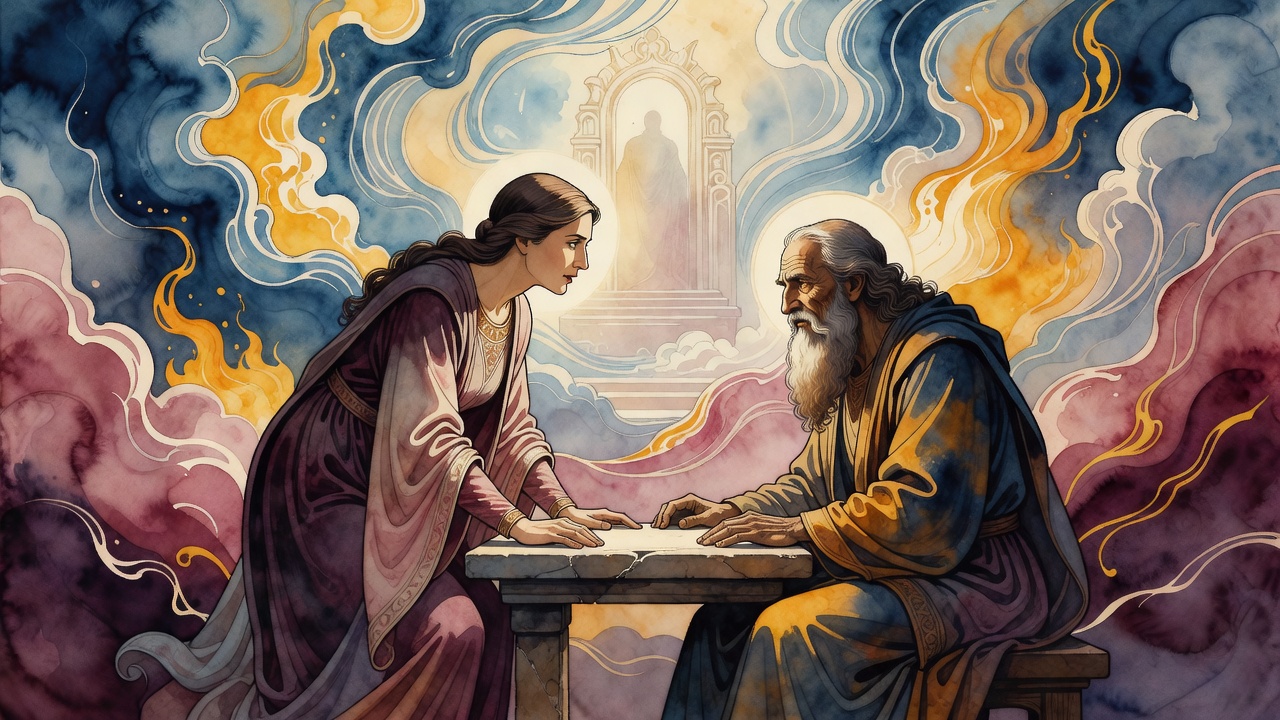
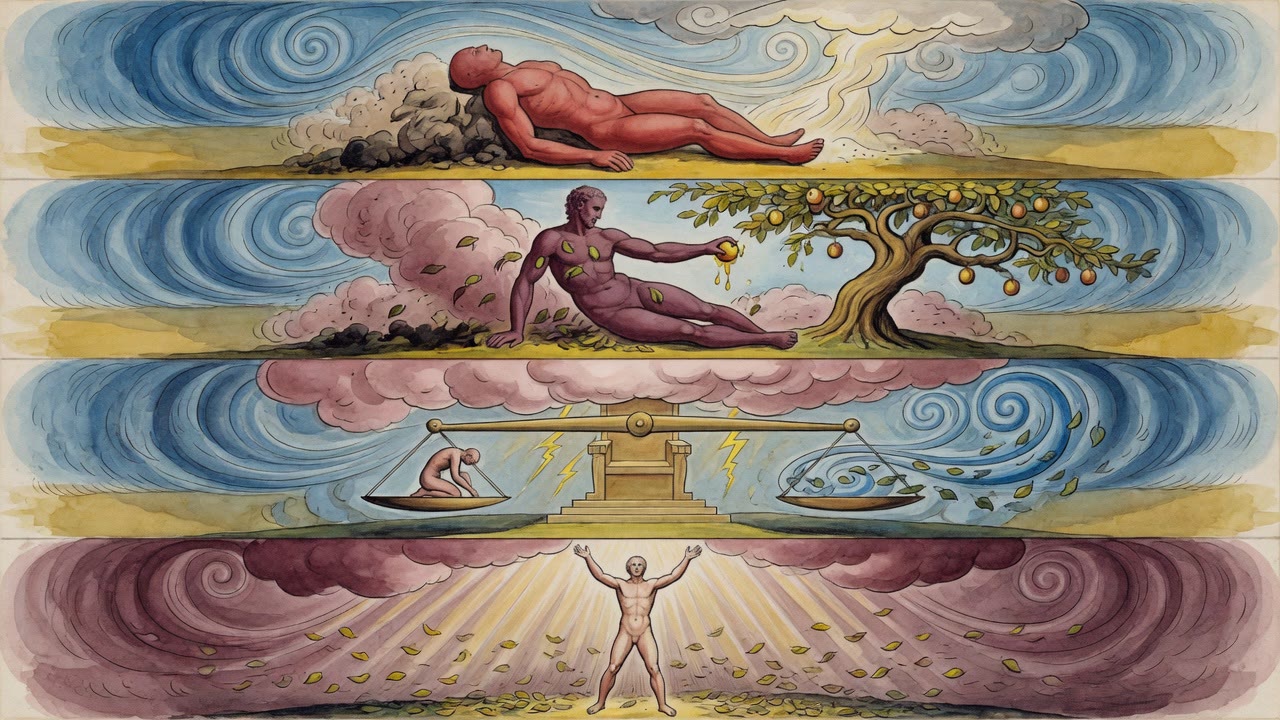
So the Lord God formed the man from the dust of the ground and set him in a garden planted in the east. And when the first man opened his eyes on the green of it, Wisdom came to meet him.

She came to him as a mother comes, and she received him as the wife of his youth. She fed him bread that was understanding and gave him water that was insight to drink, and under her hand he was steadied so that he could not be moved. In her he trusted, and he was not put to shame. She lifted him above the ones around him. In the midst of the gathering she opened his mouth, and what came out was not empty. He found joy, and he found gladness, and she promised him a name that would outlast the dust he was made from.

"Hearken unto me," she said to him, and to every man who would come after him, "you who fear God. Listen, and understand my words." Whoever took hold of her and did not let go would inherit something no famine could touch and no exile could seize.

The Arrogant Walked Past and Never Saw

But she did not open to everyone.

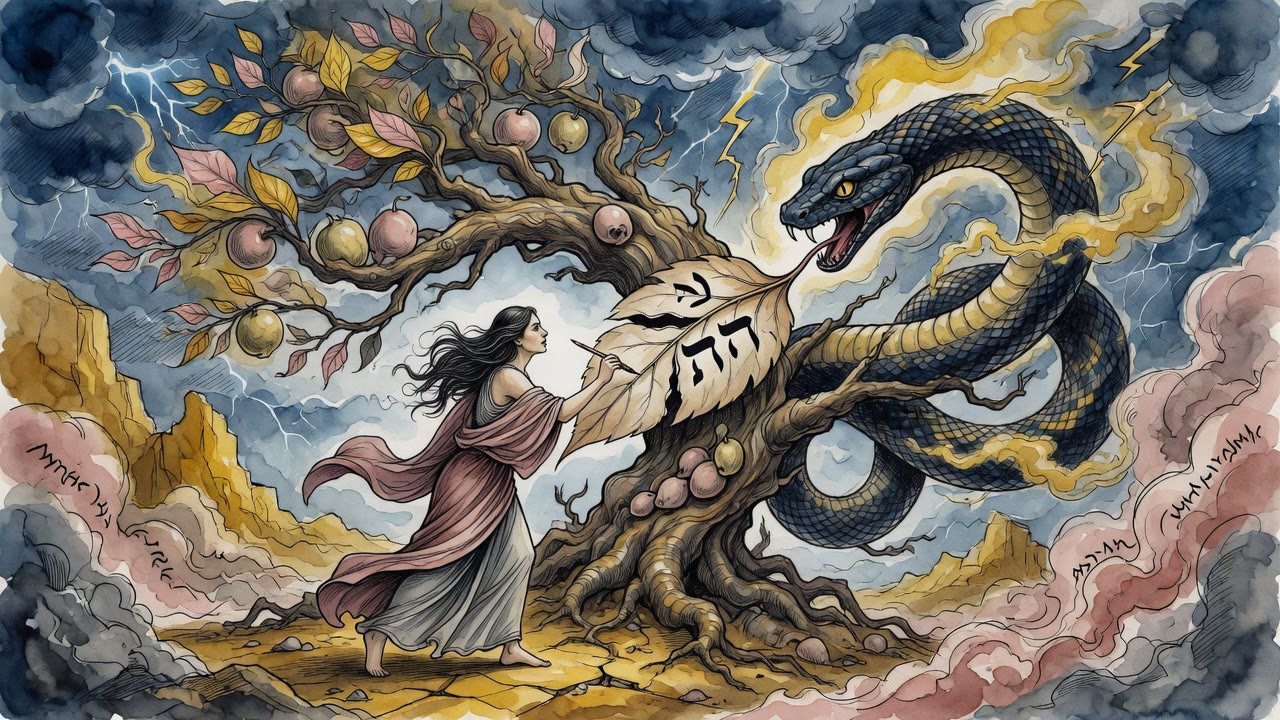
Men of nothing never reached her. The proud, the ones who came already full of themselves, walked the same road and passed her and saw only road. She did not hide from the cruel and show herself to the gentle by some accident of temper. She simply could not be held by a hand that was already closed. A man had to lower himself to receive her, had to say out loud that he did not yet know, and the arrogant would sooner go thirsty than say it. So they went thirsty, within reach of the water, and never learned she had been standing there the whole time.

The Diadem That Does Not Fade

For the ones who did reach her, the reward was not a feeling that came and went. It was an inheritance. She crowned them with the diadem that does not crumble, seated them among the holy ones, and stayed. They rejoiced in her and she in them, and the joy did not thin with age or run dry with the years. The man who had been dust carried an everlasting name. And Wisdom, who had stood beside the King before the first light, walked beside him too. She had been there when the dust was only a plan in the mouth of the King. She stayed when the dust learned to breathe and grieve and reach. She did not leave.


← All myths
From the tradition

Sources

3 sources

The texts behind this telling. Some cards carry a translation of the source; others are our own retelling of it, and each card says which. Every card links out to the original.

Ben Sira 1:27Ben Sira

Retold in our words. Read the original at the link below.The Wisdom of Ben Sira, Cambridge University Press (1899) · CC-BY

Who is this "she" that promises so much joy, so much fulfillment? Ben Sira, a sage writing around the 2nd century BCE, hints at the answer. He paints a picture of a figure so radiant, so compelling, that those who draw near are simply… happy. "Happy is the person who draws close to her, and those in her presence enjoy themselves," he tells us.

Who is she?

Well, Ben Sira never explicitly names her. But context is everything, and it's generally understood that he’s talking about Wisdom – personified Wisdom, that is! In Hebrew, it's Chochma, and she's no mere abstract concept. She's a force, a presence, almost a divine companion.

Being crowned, not with a flimsy paper crown, but with an "eternal diadem." Ben Sira promises that Wisdom will do just that, bestowing "eternal merit among holy ones." It’s not just about a fleeting moment of happiness; it's about a lasting legacy, a place amongst the righteous.

And the relationship isn't one-sided. "They will rejoice in her and she in them, and she will never ever abandon them," Ben Sira assures us. It’s a reciprocal bond, a dance of joy and mutual appreciation.

Even the angels get in on the act! "Angels of God will rejoice in her, and recount all the praises of the Lord." It's like Wisdom is so intertwined with the divine that even the celestial beings can’t help but sing her praises.

The text goes on: "And this recounting is entirely replete with her, happy is the one who attends and acts." In other words, the very stories, the very narratives of creation and redemption, are filled with her essence. To truly live those stories, to embody their teachings, is to connect with Wisdom herself.

So, what's the key to unlocking this connection? How do we draw closer to this radiant figure? Ben Sira gives us a simple, yet profound instruction: "Hearken unto me fearers of God, listen and understand my words." It's about being receptive, about cultivating a sense of awe and reverence. It’s about truly hearing the wisdom that’s all around us, in the natural world, in our relationships, in the sacred texts.

And the reward for that attentiveness? "The one who is steadfast in receiving her, has an eternal inheritance and great joy." It's not a passive inheritance, though. It requires effort, dedication, a willingness to be shaped by Wisdom's gentle hand.: an eternal inheritance. Not just material wealth, but something far more profound. A lasting sense of purpose, a deep connection to the divine, and the unshakeable joy that comes from living a life guided by wisdom.

So, where do we find this Wisdom today? Is she hidden away in ancient texts, or is she accessible to us here and now? Perhaps she’s both. Perhaps she’s waiting for us to quiet our minds, open our hearts, and listen. Perhaps she is that quiet voice inside, urging us towards kindness, towards understanding, towards a more meaningful way of being. And perhaps, just perhaps, she’s been with us all along.

Full source
Ben Sira 15:7Ben Sira

Retold in our words. Read the original at the link below.The Wisdom of Ben Sira, Cambridge University Press (1899) · CC-BY

Wisdom becomes the ultimate companion. Wisdom.

The Book of Ben Sira, a treasure trove of practical and ethical teachings written in Hebrew around the 2nd century BCE, offers a beautiful, almost intimate portrait of Wisdom. It depicts Wisdom as a nurturing mother, a loving wife, and an inexhaustible source of sustenance.

"And she shall meet him as mother; and receive him as wife of youth. Wisdom isn't some distant, unattainable ideal. It’s a relationship, a close bond. Like a mother's unconditional love, Wisdom embraces us. And like the passionate connection between husband and wife, it ignites our souls.

This isn't just about feeling good. It's about growth. “And she shall feed him with bread of wisdom; and give him water of understanding to drink." What does this "bread of wisdom" and "water of understanding" represent? It’s the nourishment we need to truly thrive. It's the insight that quenches our thirst for knowledge and the guidance that sustains us on our journey.

And what happens when we embrace this wisdom? “And he shall be stayed upon her, and shall not be moved; and in her shall he trust, and he shall not be confounded.” We become grounded. We find stability in a world of chaos. Our trust in Wisdom becomes our anchor, preventing us from being swayed by fleeting trends or empty promises.

The rewards are immense. "And she shall exalt him above his neighbor; and in the midst of the congregation shall she open his mouth." Wisdom empowers us. It gives us a voice. It elevates us, not in a superficial way, but in a way that allows us to contribute meaningfully to the world. We are able to speak with clarity, conviction, and purpose.

And the ultimate reward? "He shall find joy and gladness; and she shall cause him to inherit an everlasting name." Wisdom brings lasting joy, a profound sense of fulfillment that transcends the fleeting pleasures of the material world. And, perhaps even more significantly, it allows us to leave a legacy, a mark on the world that will endure long after we are gone. We inherit an olam haba, a world to come, a good name that lives on.

But here’s the thing: not everyone can access this wisdom. “Men of naught shall not attain unto her; and men of arrogancy shall not see her.” Ben Sira makes it clear. Wisdom isn't for the arrogant, the superficial, or those who are unwilling to humble themselves and learn. It's reserved for those who approach it with humility, a genuine desire to understand, and a willingness to be transformed.

Are we cultivating the humility and openness needed to receive its gifts? Or are we, perhaps, blinded by our own arrogance, our own sense of self-importance? Because the invitation to embrace Wisdom, to be nurtured by her, guided by her, and ultimately transformed by her, is open to us all.

Full source
Bereshit Rabbah 8:7Bereshit Rabbah

Translation of the source text.Midrash Rabbah -- TE · Public Domain

Rabbi Joshua of Sikhnin in the name of Rabbi Samuel said: With the souls of the righteous He took counsel. This is what is written, "These were the potters, and those that dwell among plantings and hedges; there they dwelt with the king for his work" (1 Chronicles 4:23).

"These were the potters" - in reference to "And the LORD God formed the man of dust from the ground" (Genesis 2:7). "Those that dwell among plantings" - in reference to "And the LORD God planted a garden in Eden in the east" (Genesis 2:8). "And hedges" - in reference to "who have placed the sand as a boundary for the sea" (Jeremiah 5:22).

"With the king for his work they dwelt" - with the King, the King of kings of kings, the Holy One, blessed be He, dwelt the souls of the righteous, with whom the Holy One, blessed be He, took counsel and created the world.

Full source