God Told the Angels That Adam's Wisdom Exceeded Theirs
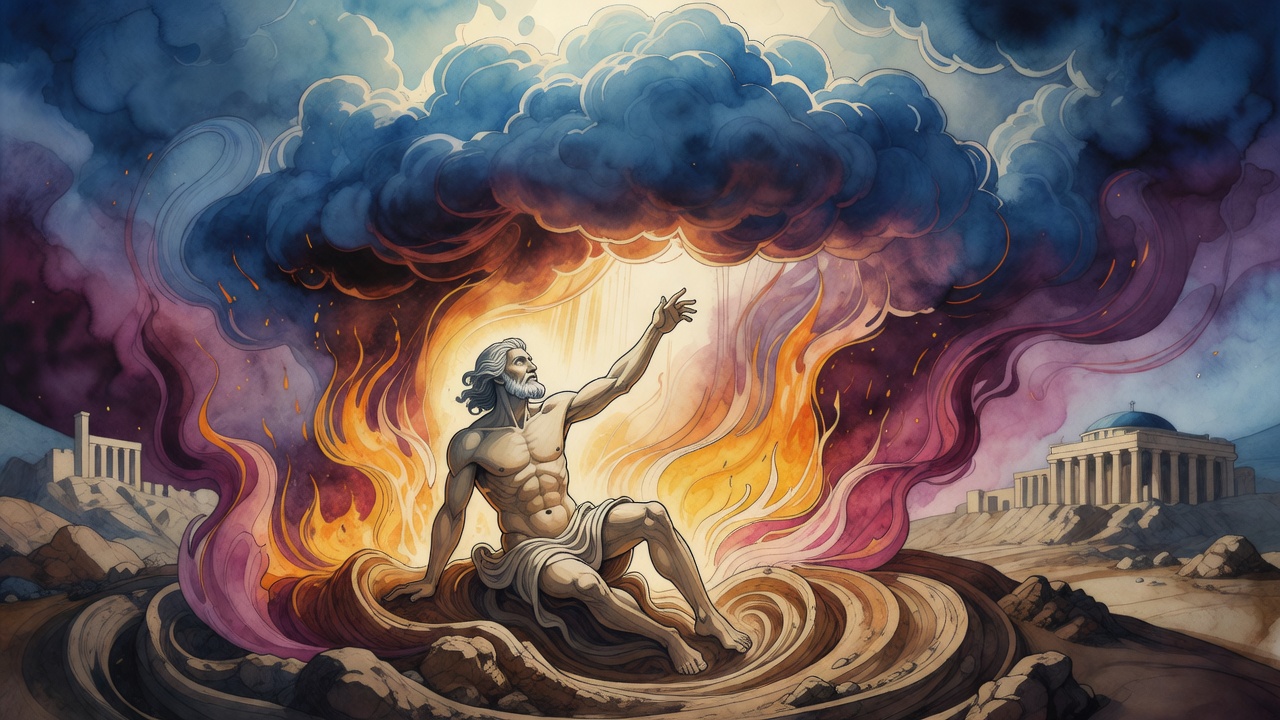
Angels watched Adam name every beast and went silent. God said human minds can grasp what fire cannot, and Ramchal made it a path of accounting.
Table of Contents
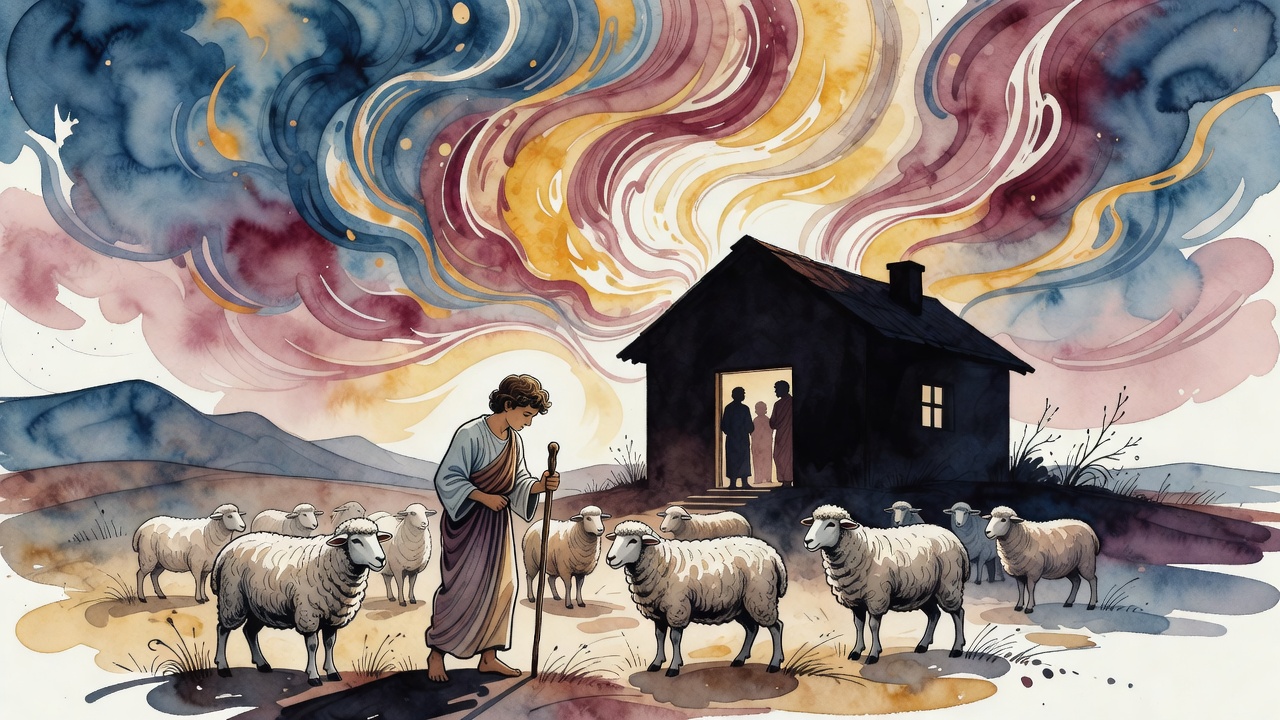
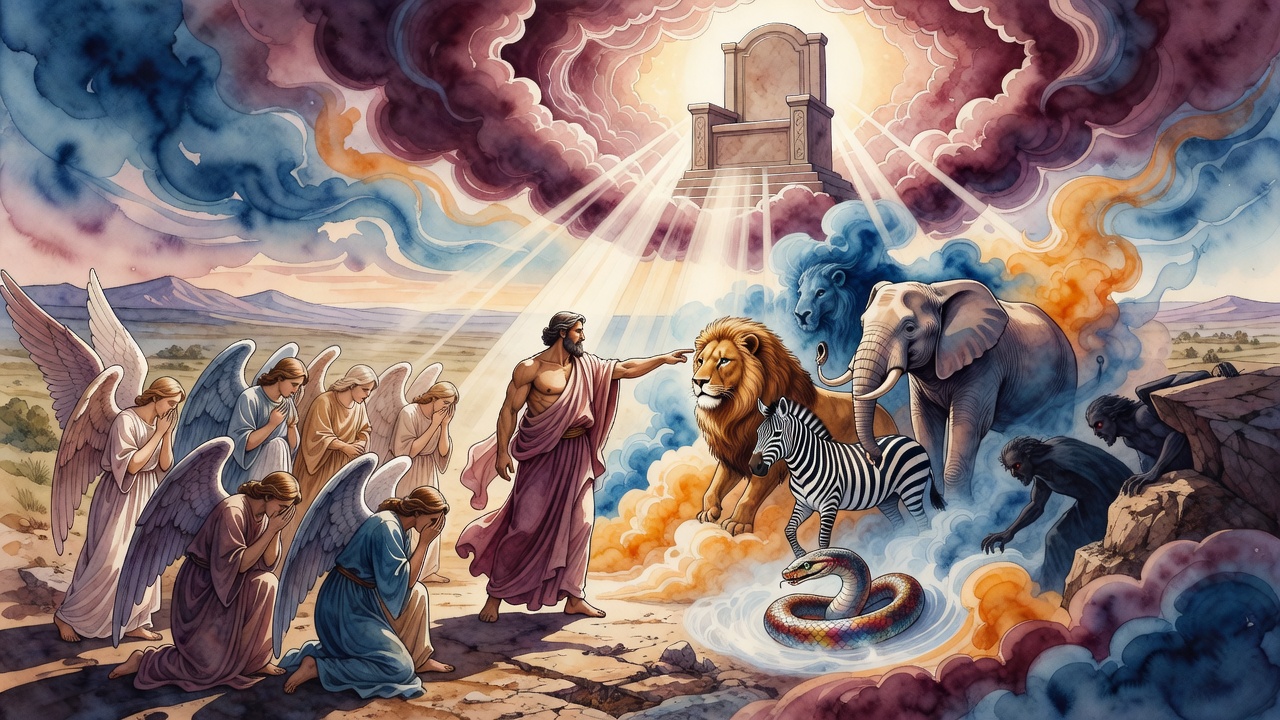
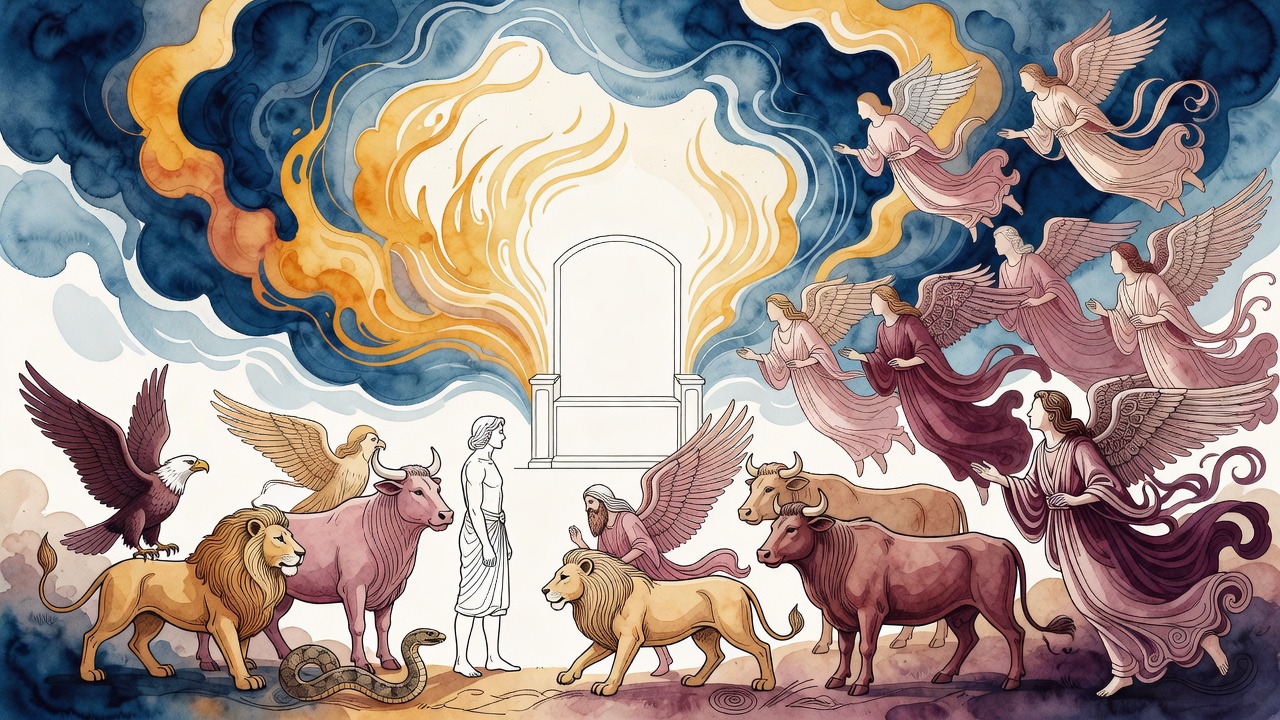
The animals came in a line that did not end when the eye grew tired. Adam opened his mouth and names fell out as if language had been waiting inside the beasts for a human tongue to unlock it. Fur, scale, wing, claw. Each received a word that fit tighter than a saddle and did not slip when the creature turned away from the throne.
 Click for full size
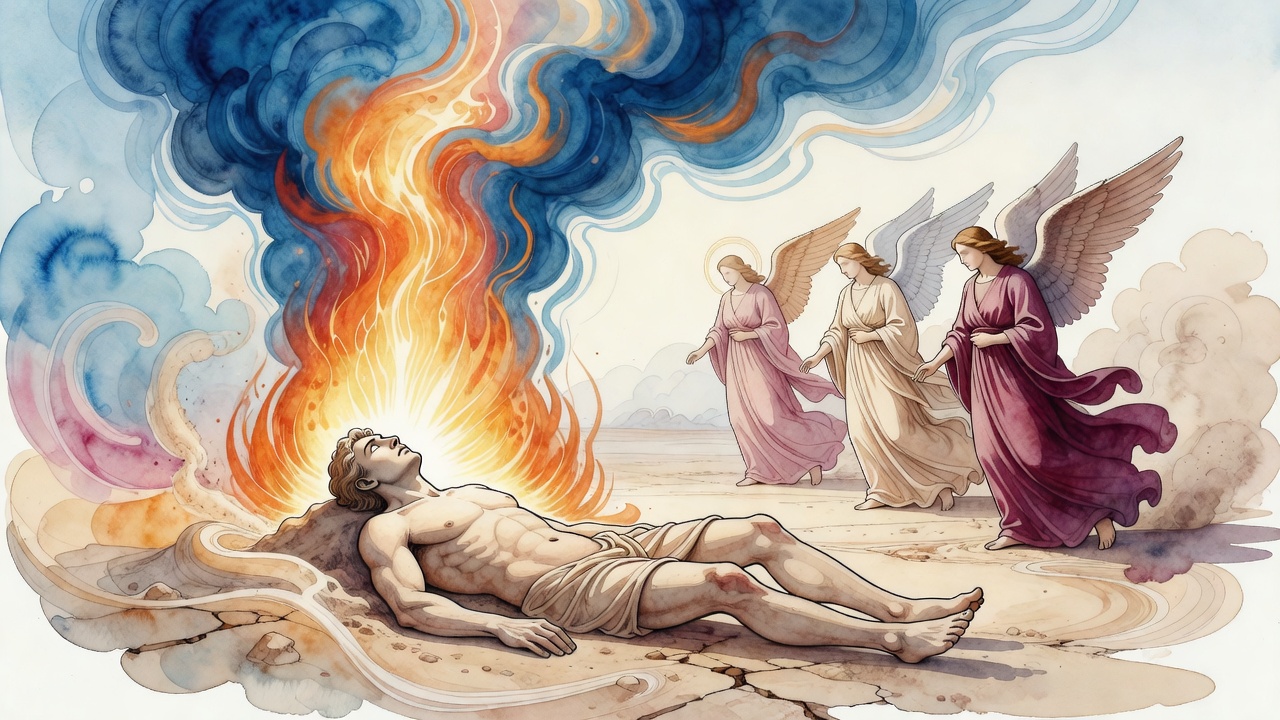
The ministering angels watched and felt a heat that was not envy of flesh. It was the shock of being outpaced by clay that still smelled of new ground and first rain.
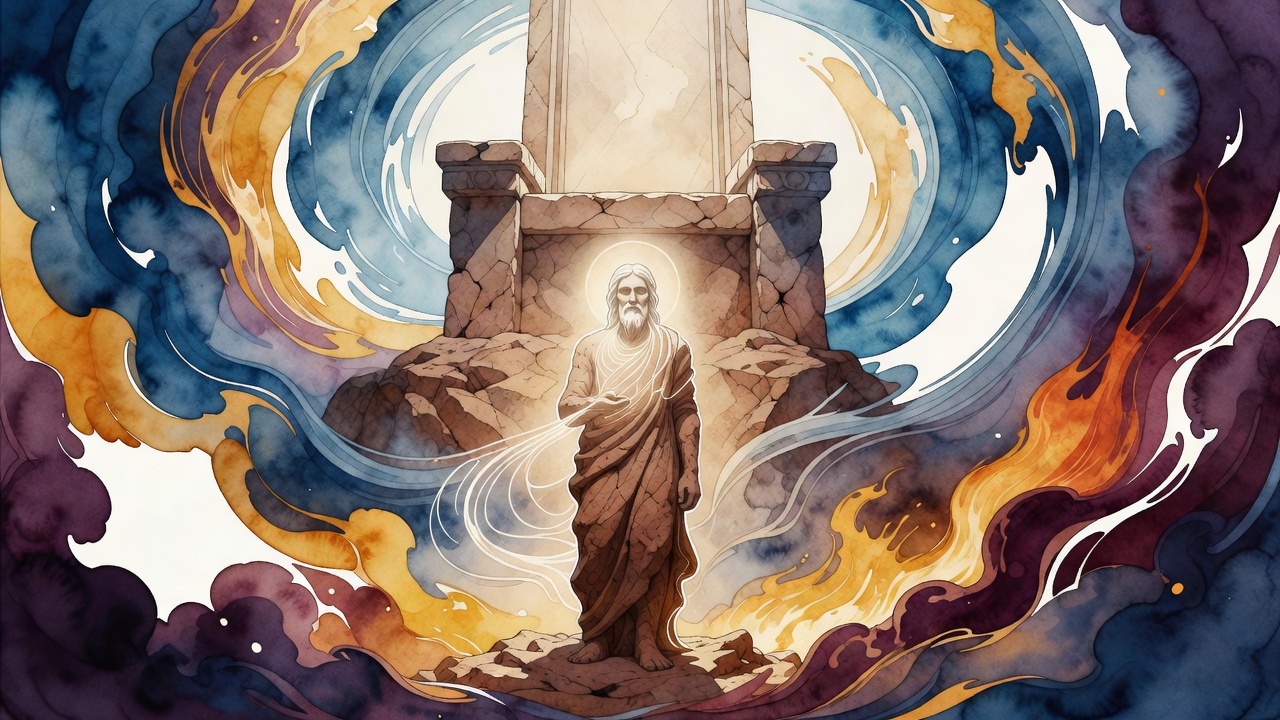
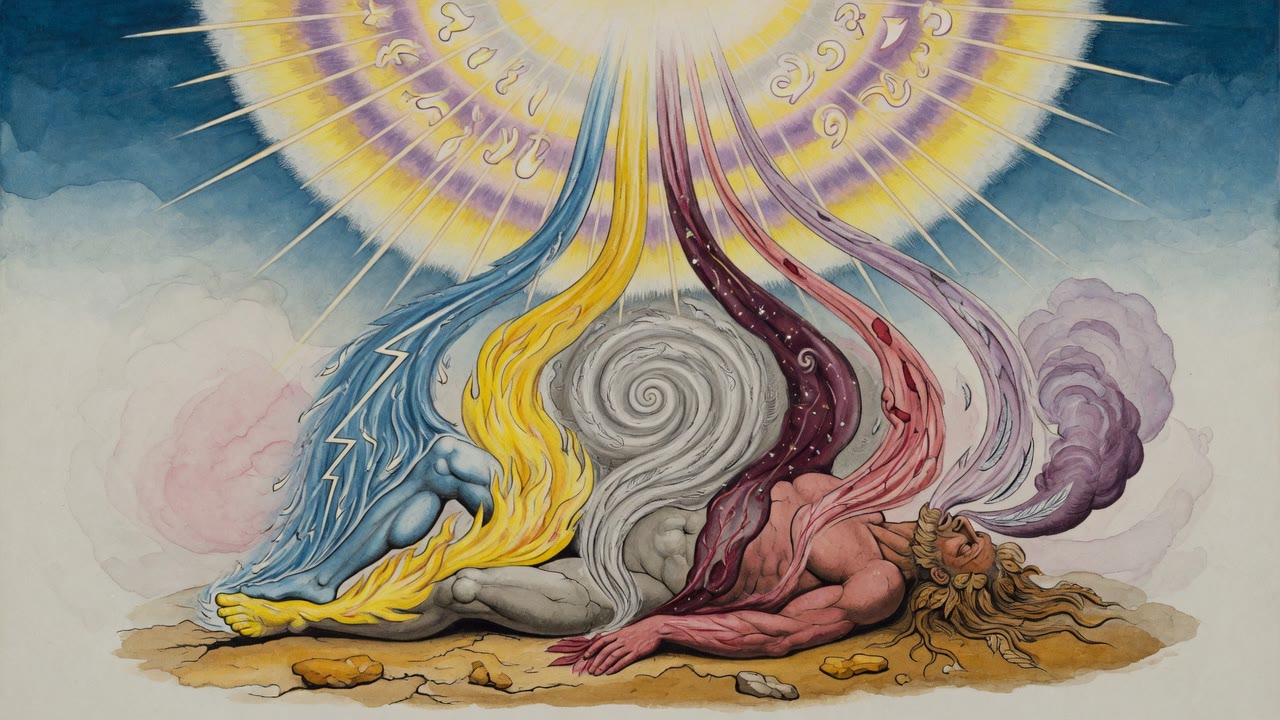
God said to them, his wisdom is greater than yours. The claim lands hard in a heaven built on pure fire. Angels know with a clarity humans rarely touch. Humans name, err, repent, and name again. That loop is a kind of wisdom angels cannot buy with light, because light does not fall and get up in the same body twice.
Clay That Can Grasp Past Fire
Rabbi Moshe Chaim Luzzatto, the Ramchal, walks the path of the Tree of Life and refuses to flatter either side. Humans are limited. Humans are also designed to grasp understandings that exceed the ministering angels. The design is not a compliment for ego. It is a responsibility that can break a person who treats it as a trophy for the mantel of pride and dinner talk.
Adam did not win a contest of brightness. He won a contest of fittingness. The names matched. Creation became speakable. Angels can sing without gap. Humans can translate the world into words that other humans can carry into exile, law, and lullaby when the original garden is already a story told at night to children who have never seen a river leave Eden.
A lion did not argue. A bird did not request a more beautiful name. The silence after each word was the angels' education, and education for angels is a rare and severe school with no soft chairs and no recess from the shock of being second.
One angel tested a false name under its breath. The name did not stick. Only the clay mouth had been given the key that fit the locks of living forms.
When the Soul Must Count Itself
Later, on the same path, the Ramchal turns the gift into a demand: honest self-assessment. Cheshbon hanefesh, accounting of the soul. Are you living in line with what you already knew? Are you building on the foundation of those who named before you, or are you decorating a ruin and calling it growth because the paint is new and the neighbors have not checked the beams?
A student tries the accounting and finds the everyday inclination too strong. Desire. Distraction. Clever excuses that sound like philosophy for sale. The Ramchal does not soothe him with soft angelic metaphors. He tells him to cry out. Not a decorative tear for company. The kind of cry Rabbi Shimon bar Yochai's world would recognize as a summons, a pressure that refuses to let the soul lie politely to itself while the beasts of habit keep their false names and feed in the dark under the bed of routine.
Wisdom greater than angels means nothing if the human uses it only to name other people's beasts and never his own hungers, delays, and borrowed crowns that pinch when he prays and still refuses to take them off.
The student wrote until the ink blotched. The blotch was honest. Honesty is the first accurate name a night can earn.
The Path Between Boast and Despair
Boast says: I outrank fire, so I may do as I like. Despair says: I am clay, so why try. The Tree of Life path walks between. You can grasp more than angels in potential. You can also fall lower than beasts in practice. The naming scene is permission and warning in one breath, and both halves must be heard or the path becomes a cliff with good branding and a long drop into self-flattery or self-erasure.
Night study. A man lists his day without perfume: where he spoke true, where he sold himself cheap, where he almost prayed and chose sleep, where he used sharp wisdom as a knife on someone weaker who could not answer. The list is ugly. The list is also a human technology angels do not need and therefore do not own. Accounting is a form of naming. Naming is how clay takes responsibility for a world it can damage with the same mouth that once fit words to lions under God's eye.
He wrote one line that made his hand pause. Pause is where repair begins, if the cry follows and the hand does not close the ledger in shame without change.
After the Line of Animals Ends
Adam would still fail. The fruit would still shine. Exile would still teach names for grief that the first afternoon in the garden did not require. None of that cancels the moment God turned to the angels and told them the truth about human capacity. The Ramchal picks up that moment centuries later and forges it into a walk: grasp, assess, cry out, repair, grasp again until the walk itself becomes a kind of wisdom fire cannot rehearse because fire does not bleed when it is wrong.
The angels returned to song. The human returned to work that can go wrong before lunch. Between song and work stands the claim that still startles: a mind in flesh may understand what pure fire never has to learn, because pure fire never has to repent its way back into speech that fits.
He closed the ledger of his day on a line that hurt. That hurt was not failure of the design. It was the design working, clay remembering it was made to name truly, including the animal still pacing inside the ribs and asking for a throne it does not deserve and will not receive while the accounting continues.
← All myths