Parshat Vayera5 min read

Abimelech Rode with Twenty to Bind Abraham

After Isaac's birth the Philistine king brought twenty advisors for a three-generation treaty. Later he dressed Isaac and Rebekah as proof they were spouses.

Curated by Arthur · Told by Maggid ·
Table of Contents
  1. Three Generations and No More
  2. The Sister Story Returns in the Next Generation
  3. Fear of Heaven Made into City Law
  4. What the Treaties Could Not Buy

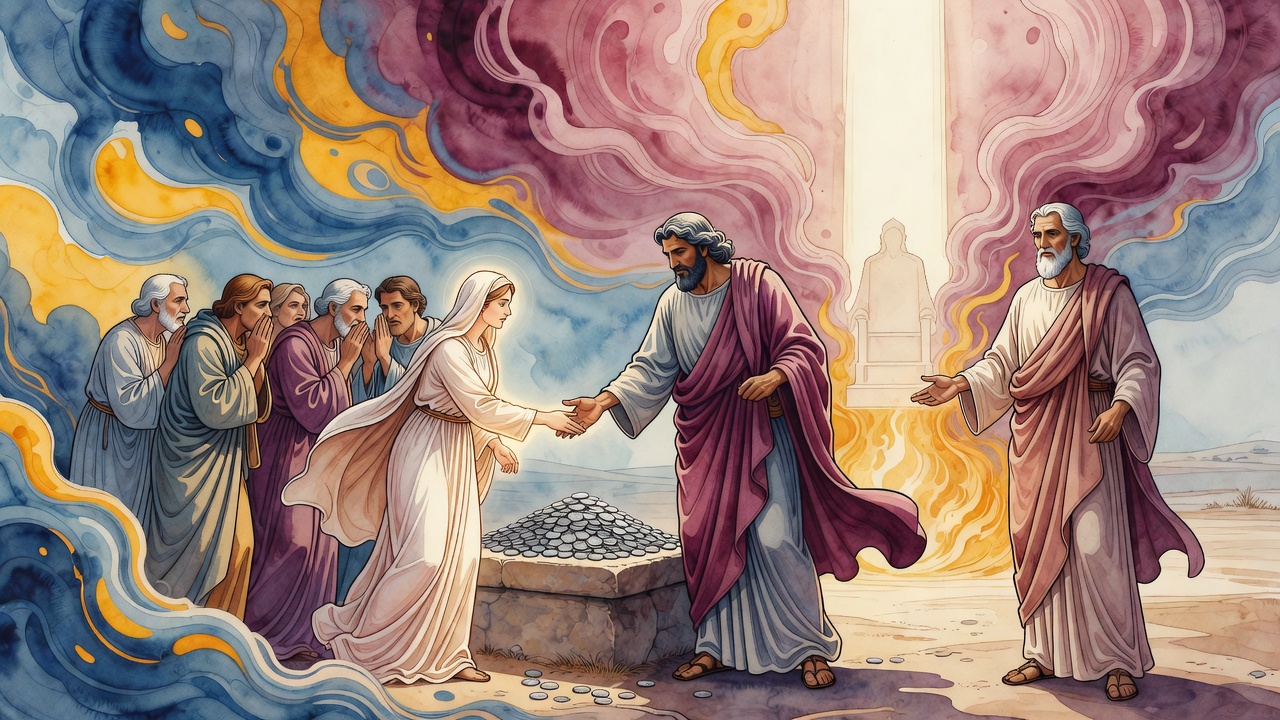
After twenty-six years among the Philistines, Abraham moved his camp toward Hebron. Dust had barely settled when Abimelech arrived with twenty of his chief advisors. A king does not drag a council across the road for small talk. He came to bind an alliance while the signs still favored the Hebrew.

Abimelech Rode with Twenty to Bind Abraham Click for full size

Public opinion toward Abraham had swung like a market. Before Isaac was born, the nations doubted. After the miracle child arrived, they said, "God is with thee." When Abraham sent Ishmael away, the whispers returned. "If he were righteous he would not cast out his firstborn." Then Ishmael's conduct vindicated the choice, and the chorus rose again. Even after Sodom's ruin wrecked regional trade, Abraham's wealth grew. Favor was visible in flocks and in survival. The Philistines wanted a treaty written while that favor still shone.

Three Generations and No More

They offered a pact for three generations. A father's love, they reasoned, stretches that far and then thins. The cynicism was open. They were not swearing eternal friendship. They were buying a window of safety measured by kinship they thought they understood. Abraham, who had refused even a thread and a shoe-latchet from the spoils of war, knew how to hear a deal that mixed fear with flattery.

That earlier refusal of a thread and a latchet would echo into commandments of tzitzit (ritual fringes) and tefillin (leather boxes of scripture bound on arm and head) for his descendants, and into a future cast of the shoe upon Edom. The man now receiving a Philistine embassy had already proven he would not be purchased by plunder. Any treaty with him would have to rest on something cleaner than loot.

The Sister Story Returns in the Next Generation

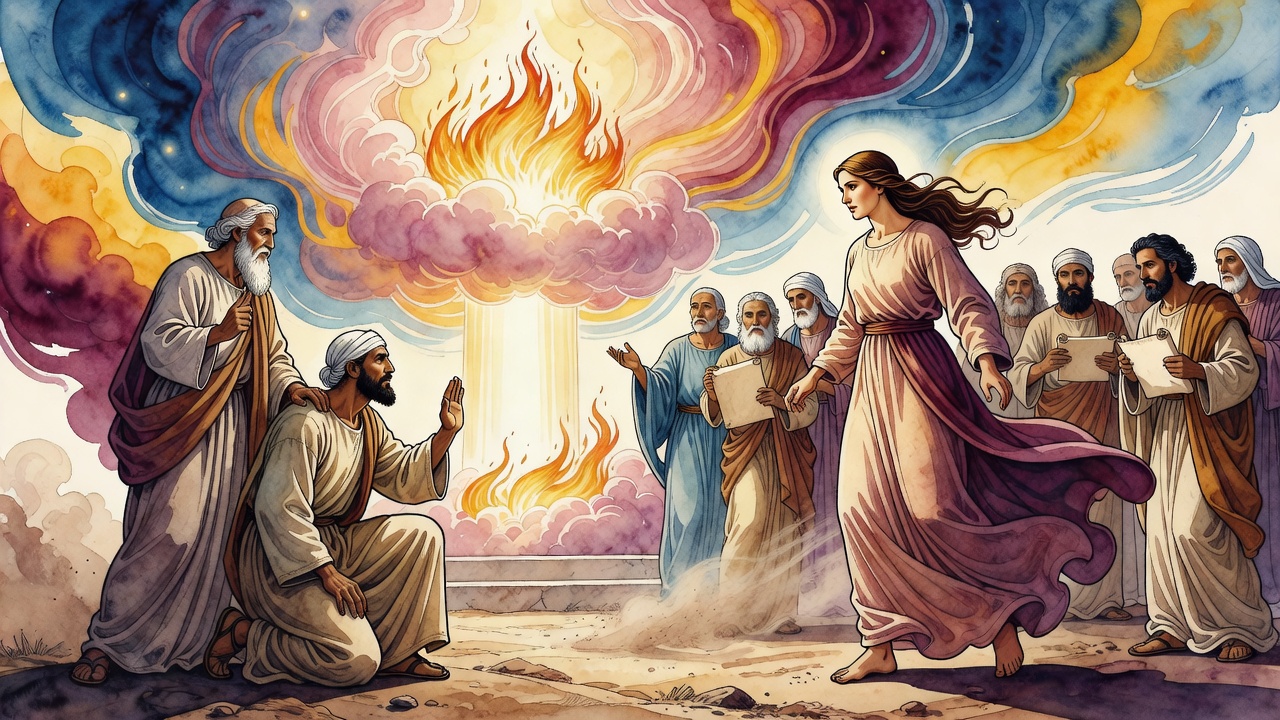
Years later the same royal house faced Isaac and Rebekah. Abimelech remembered the old trouble with Abraham's "sister" and kept his distance for three months. He was no fool. Then he saw, from the outer court of the palace, a husband's gestures toward the woman called sister. Alarm took him. "It might have happened to the king himself to take the woman thou didst call thy sister."

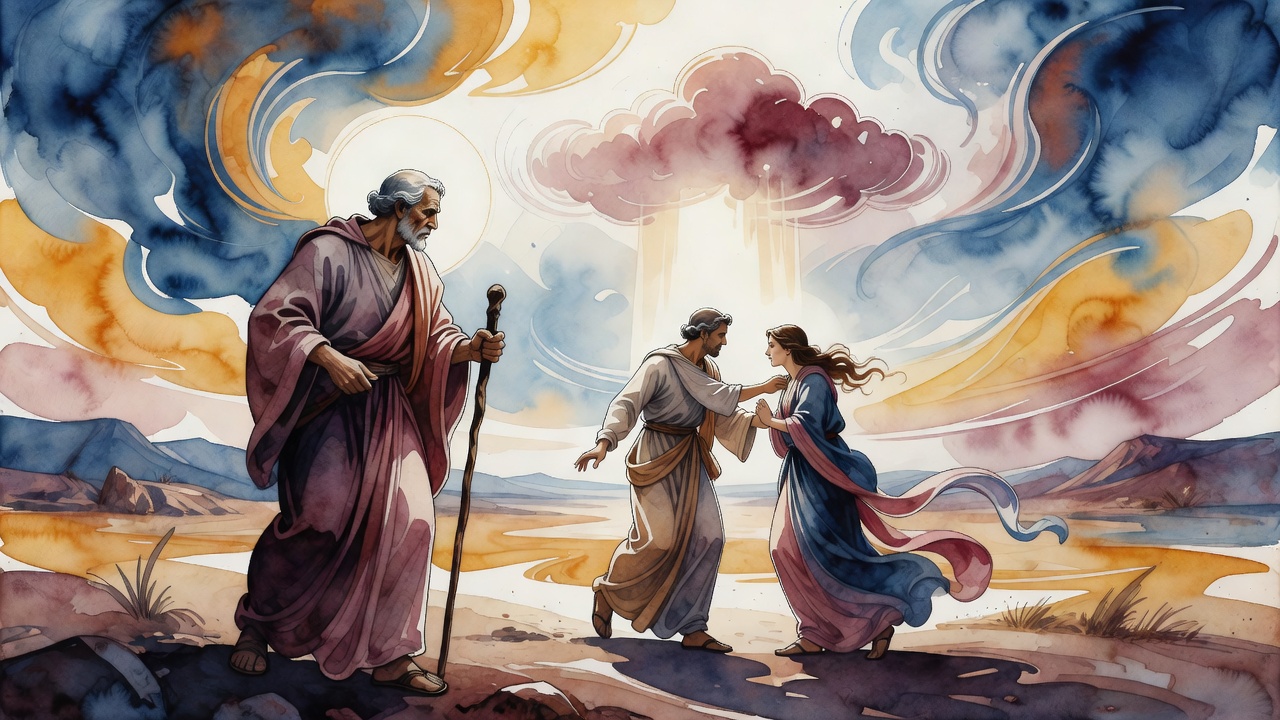
When Isaac clung to the fiction, Abimelech ordered them dressed in royal garments and paraded through the city while a herald cried, "These two are man and wife. He that toucheth this man or his wife shall surely be put to death." The proclamation was theater and fence at once. Beauty had made Rebekah dangerous. The king chose public law over private temptation.

Fear of Heaven Made into City Law

The parade did what private suspicion could not. It turned a household lie into a civic boundary. Citizens who had whispered of illicit bonds now heard death named as the price of a hand laid on either of them. Isaac's fear for his life had driven the sister story. Abimelech's fear of repeating history drove the correction. Between those fears a marriage became visible under royal cloth.

The Philistine court that once sought Abraham's alliance now spent its authority protecting Abraham's son. Continuity ran through caution. The house that bargained for three generations still watched the same family for signs of divine nearness and human risk.

What the Treaties Could Not Buy

Abraham's refusal of a shoe-latchet had already taught that some gains are too small to accept and too heavy in consequence to touch. Abimelech's twenty advisors and later proclamation taught another lesson. Kings can recognize when God walks with a man, and they will legislate around that recognition even when they do not share the man's altar.

Isaac left the parade as a husband named in public. Abraham had left the earlier embassy as a partner bound for three generations. Between them the Philistine crown learned to fear both the blessing and the scandal that clung to this line. The road between Hebron and Gerar kept filling with envoys, vows, and warnings, because a people that multiplies under Heaven forces its neighbors to choose treaty or collision.

No thread. No latchet. Twenty advisors. A death decree over a wife wrongly called sister. The history of one family in Philistine country was written in refusals and in forced clarifications, never in ease.

The twenty advisors were not decoration. They were witnesses. A king who fears a neighbor's God brings a cloud of men so the treaty cannot later be dismissed as a private whim. Abraham received them as a man who had already walked through famine, war, and the smoke of Sodom. He knew what alliances cost and what they cannot buy.

Isaac's generation repeated the pattern under a sharper light. Rebekah's loveliness made the palace a hazard. Three months of distance was Abimelech trying to outwait temptation. The parade in royal garments was Abimelech admitting that waiting had failed and only public death-threats would fence the danger. A Philistine street heard a Hebrew marriage announced as if it were a royal edict, because sometimes only a shout keeps a hand from reaching.

Thread and latchet, twenty riders, a herald's cry. Small refusals and large escorts. The line of Abraham taught foreign courts that this family could not be managed by ordinary bribes or ordinary silence. They required treaties, proclamations, and a careful fear of the God who multiplied them while cities fell and trade routes broke.


← All myths

From the tradition

Sources

3 sources

The texts behind this telling. Some cards carry a translation of the source; others are our own retelling of it, and each card says which. Every card links out to the original.

Legends of the Jews 5:205Legends of the Jews

Retold in our words. Read the original at the link below.The Legends of the Jews by Louis Ginzberg (1909) · Public Domain

Legends of the Jews turns to Abimelech Brought Twenty Advisors to Strike a Deal with Abraham.

After a twenty-six-year stay in Philistine lands, Abraham moved near Hebron. Camels, probably. And soon after setting up camp, he gets a visit. None other than Abimelech, king of the Philistines, shows up with twenty of his most important advisors in tow. Their mission? To strike a deal, to form an alliance.

Why, you might ask? What was so special about Abraham that Abimelech felt the need to cozy up? Well, it wasn't always this way. Ginzberg, in his Legends of the Jews, paints a fascinating picture of public opinion toward Abraham.

Initially, before Isaac was born, the surrounding nations were skeptical. They didn't quite buy into Abraham’s devotion. But then Isaac arrives, a miracle child born to elderly parents, and suddenly everyone’s singing a different tune. "God is with thee," they proclaimed.

But the rollercoaster of public opinion didn't stop there. When Abraham sent Ishmael away, doubts resurfaced. "If he were truly righteous," they muttered, "he wouldn't cast out his firstborn." It’s a harsh judgment. But then they saw Ishmael's actions, and it became clear that Abraham had good reason. Again, the Philistines declared, "God is with thee in all thou doest." Talk about fickle!

And there was more. Even though Sodom was destroyed, disrupting trade and causing economic chaos throughout the region, Abraham’s wealth continued to grow. This, too, was seen as a sign of divine favor. I suppose nothing speaks louder than a prospering bank account, even in ancient times.

So, for all these reasons, the Philistines wanted an alliance. They wanted in on what Abraham had. They proposed a treaty that would last for three generations. Why three? Because, as the Philistines reasoned, that's how far a father's love extends. A bit cynical, perhaps, but also a pragmatic assessment of familial loyalty. It's interesting to consider how they viewed the strength of relationships back then.

How much of our perception of others is based on their success or perceived blessings? And how often do we re-evaluate our opinions based on changing circumstances? Abraham's story reminds us that faith, and its perception by others, is rarely a straight line. It's full of twists, turns, and the occasional visit from a king looking for a good deal.

Full source
Legends of the Jews 6:36Legends of the Jews

Retold in our words. Read the original at the link below.The Legends of the Jews by Louis Ginzberg (1909) · Public Domain

Legends of the Jews turns to Isaac and the Patriarchs of Abimelech.

Word of Rebekah's loveliness eventually reaches the king, Abimelech. Now, Abimelech wasn't a fool. He remembered a previous… incident. Let's just say it involved a different patriarch and a similar "sister" situation, and it didn't end well for him. So, he keeps his distance, leaving Isaac and Rebekah alone for three months.

Three months!

Then, something happens. Abimelech notices Isaac's behavior towards Rebekah. He's living in the outer court of the royal palace, and his actions betray a husband's intimacy, not a brother's. The way he looks at her, the small gestures… they all add up.

Abimelech is understandably alarmed. He confronts Isaac: "It might have happened to the king himself to take the woman thou didst call thy sister." Imagine the potential chaos! According to Legends of the Jews, Isaac even fell under suspicion of having an illicit relationship with Rebekah, because the people didn't initially believe she was his wife!

When Isaac persists with the "sister" story, Abimelech takes decisive action. He sends his grandees to fetch them. Then, in a move that’s both theatrical and pragmatic, he orders Isaac and Rebekah to be dressed in royal garments. Picture this scene: Isaac and Rebekah, adorned in finery, paraded through the city.

And before them, a proclamation rings out: "These two are man and wife. He that toucheth this man or his wife shall surely be put to death." A clear and unambiguous message.

What does this story tell us? Is it about deception, protection, or the dangers of beauty? Perhaps it’s all three. It highlights the lengths people will go to safeguard their loved ones, even if it means bending the truth. And it also emphasizes the importance of clear boundaries and the potential consequences of crossing them.

Full source
Legends of the Jews 5:120Legends of the Jews

Retold in our words. Read the original at the link below.The Legends of the Jews by Louis Ginzberg (1909) · Public Domain

Not a single thread. Not even a shoe-latchet. A tiny thing. But according to the Legends of the Jews, as retold by Ginzberg, this act of sanctifying the Holy Name had massive repercussions for his descendants.

What kind of repercussions? Think about the mitzvot, the commandments, that are so central to Jewish life. Two of them, in particular, are directly linked to Abraham's refusal: the commandment of the tzitzit – the fringes or tassels on the corners of our garments – and the commandment of the tefillin (leather phylacteries worn during prayer) – those small leather boxes containing scrolls with verses from the Torah, bound on the arm and head. these aren't just random commandments. They are constant, visual reminders. The tzitzit, with their knotted fringes, are worn on the corners of a four-cornered garment. The tefillin, bound to the arm and forehead, are a daily practice for many.

Why these two? Because, as the Legends tell us, they commemorate Abraham's refusal to take even a thread (hence the tzitzit) or a shoe-latchet (hence the tefillin). It's a powerful connection: every time we perform these mitzvot,

There's more! The story doesn't end with the tzitzit and tefillin. Because Abraham wouldn't touch a shoe-latchet from the spoils of war, his descendants will one day "cast their shoe upon Edom." This is a fascinating, and admittedly cryptic, prophecy. Edom, often seen as a symbol of Israel's enemies, will ultimately be subjugated. That small act of selflessness by Abraham, refusing the spoils, ultimately leads to a future triumph.

So, what does it all mean? It suggests that even the smallest acts of integrity, of refusing to compromise our values, can have profound and lasting consequences. To think that something as seemingly insignificant as refusing a shoe-latchet could echo through history, inspiring commandments and shaping the future. What small acts of integrity might we be overlooking that could have a huge impact on the future?

Full source