Eliezer Swears Under the Thigh and Rebecca Goes
Abraham sent his servant east to find a wife for Isaac. Rebecca watered all ten of his camels, and her family stalled, but she said she would go.
Table of Contents
 Click for full size
The Hand Under the Thigh
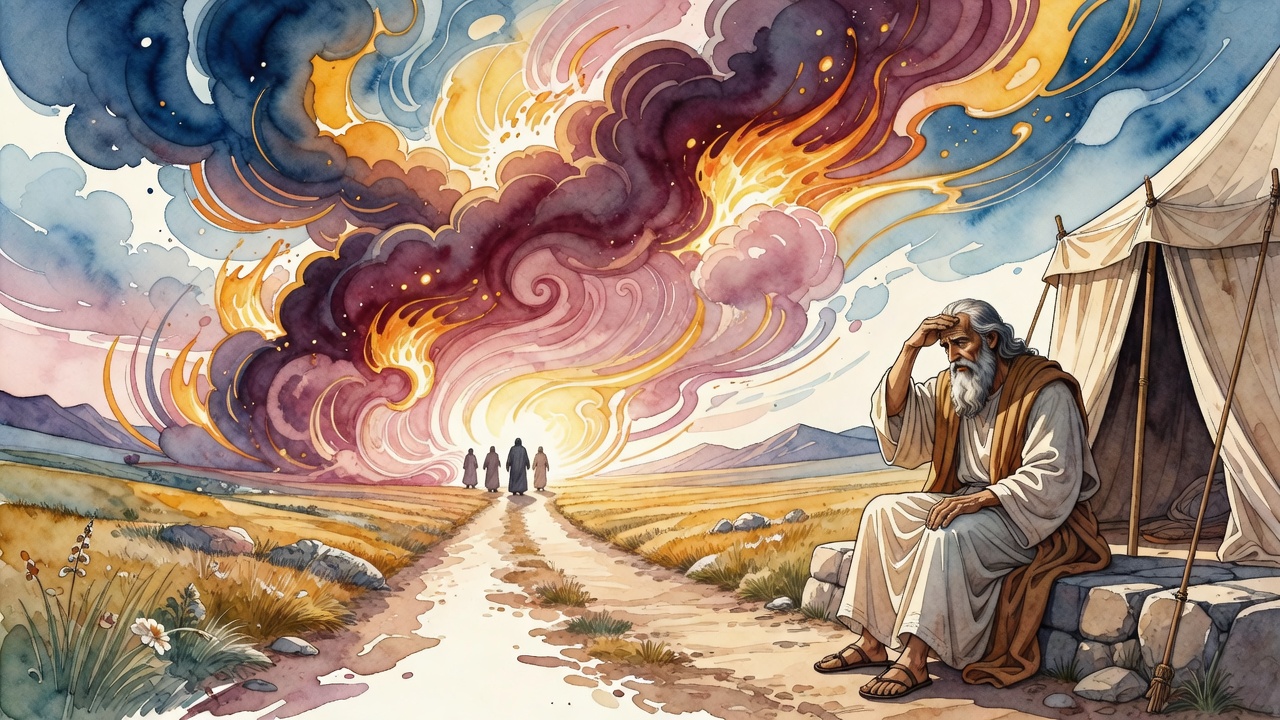
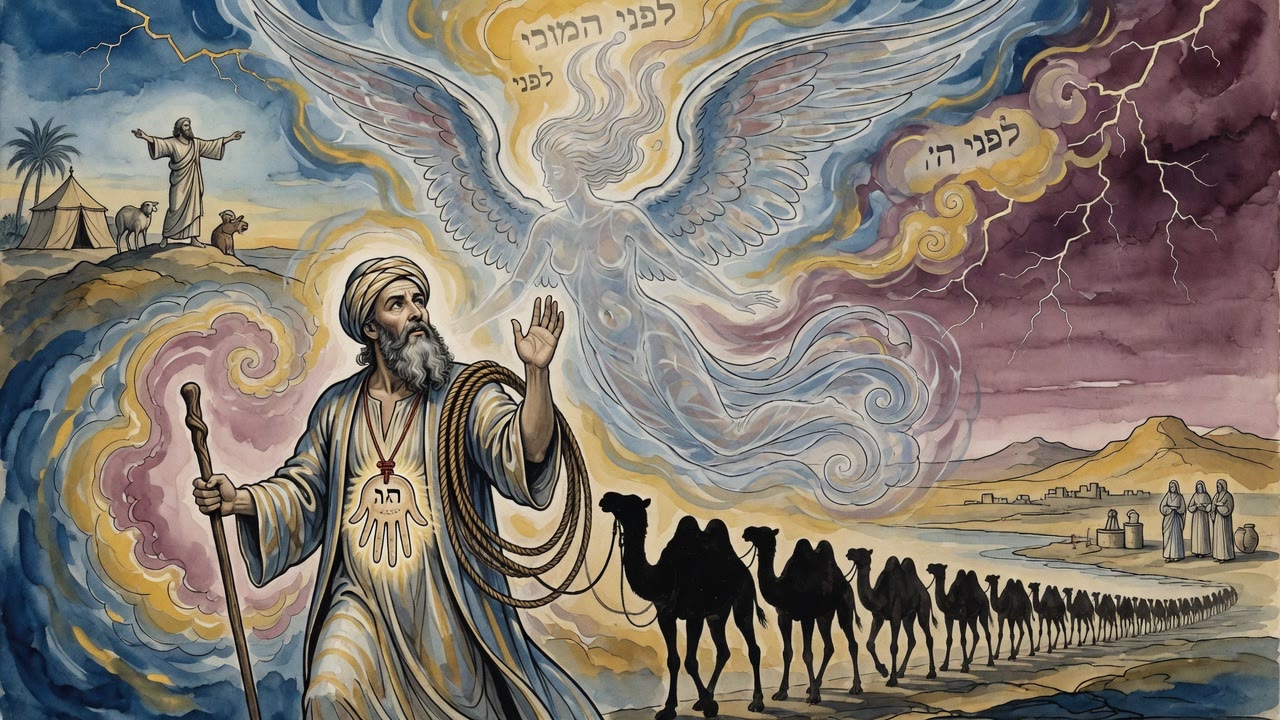
The elder of Abraham's house stepped close, face already shaped by years beside his master, and heard the order that would send him east. Put your hand under my thigh and swear (Genesis 24:2). The steward who ruled every camel and coin also ruled his own impulse. The radiance of his face, they said, had begun to resemble Abraham's own, as if a lifetime in that house had rewritten the skin.
Why swear there? Circumcision was the commandment cut into Abraham's house through pain, the bond sealed in flesh at real cost. A thing bought with suffering becomes the most sacred thing a man owns. When an oath must carry the full weight of the covenant, the hand goes under the thigh, to the mark itself, not to a ring or a doorpost that can be left behind.
The servant swore. Then he loaded the camels with gifts and rode toward a well he had never seen, hunting a wife for Isaac under a vow that left no room for a wrong match and no room for the steward's own desire to choose against his master's will.
A Girl Coming Out
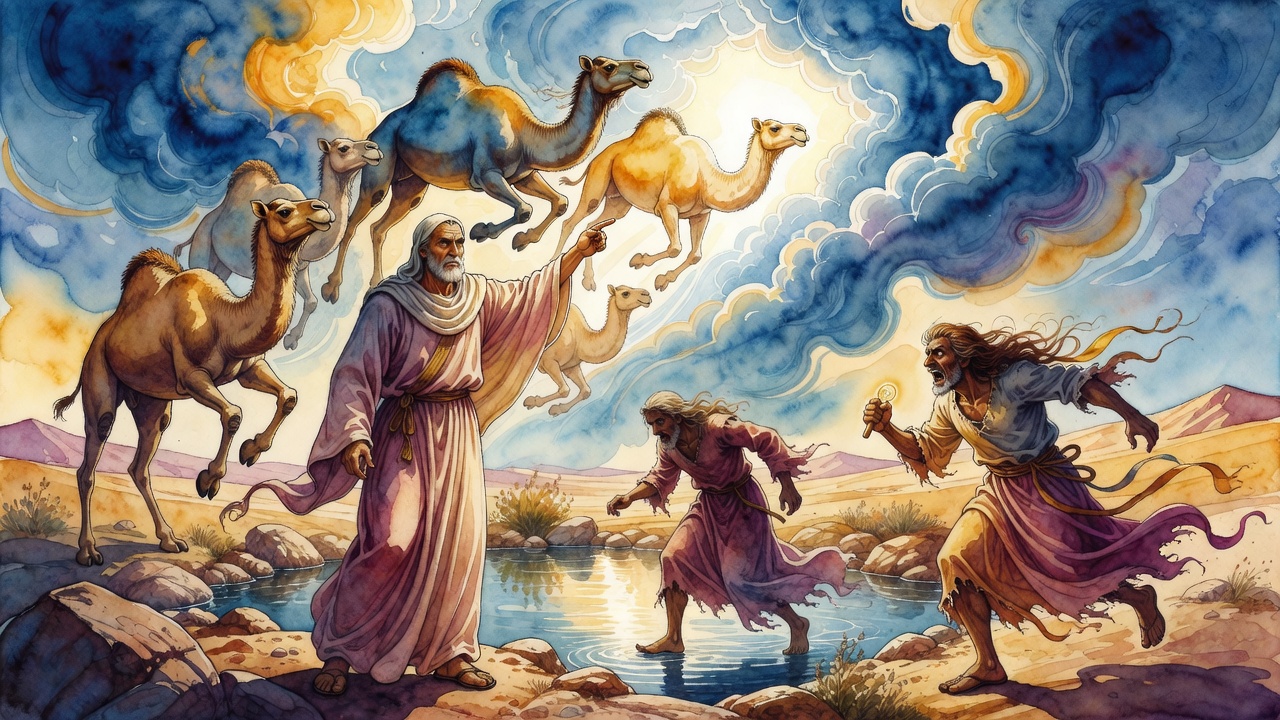
At the city of Nahor he barely finished praying before Rebecca was coming out with her jar (Genesis 24:15). A traveler met at once by young women on the road takes it as a straight path opening. Rabbi Akiva would later read the same omen in Jacob's arrival when Rachel appeared with the flock. Here the omen wore bracelets and water for ten camels, poured without complaint until the last throat was wet.
He told the house the whole errand, from the oath under the thigh to the prayer at the spring. Laban and Bethuel, men not famous for piety, surrendered on the spot. The matter has come forth from the Lord; we cannot say to you bad or good (Genesis 24:50). Property and money pass through human hands and planning. A wife of understanding is granted from heaven. Even the schemers at the table felt the arrangement close around them like a door they had not meant to open.
Samson's parents would one day fail to see that a match they hated was steered from above for Israel's deliverance. Proverbs would say a house may be inherited, but a discerning wife is from the Lord. Rebecca's house spoke the Torah's half of that claim first, and spoke it against their own instincts.
Days or Ten
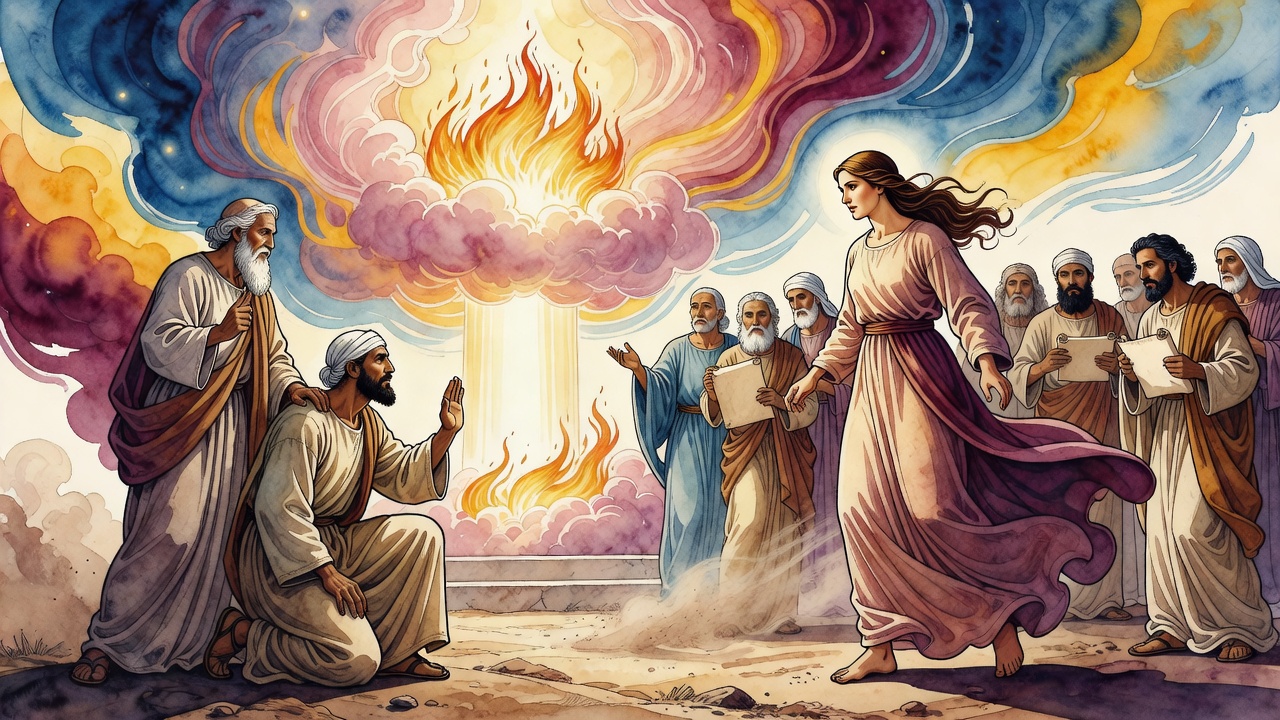
The house asked to keep her days, or ten. The days were seven of mourning, for Bethuel had died in the night and the household owed that grief its full count. The ten stood for the long season a virgin is given to prepare for marriage. Both customs pressed toward delay. Both customs sounded reasonable in a room that wanted one more hold on the girl.
They called her. Will you go with this man? A young woman is not married off except by her own word. Consent was not a formality stamped after the bargain. Rebecca answered with force that overrode grief and bargaining: I am going, whether you consent as a gift or not. The girl who had watered camels now overruled a wounded, calculating household.
Their farewell blessing was breath without silver. A family that had weighed gifts and counted camels sent her off enriched with words alone while she walked toward the future heaven had already decided. Rabbi Aibu heard the sting in it: they were broken by losing her, and still they gave her nothing but air for a dowry of speech.
The Road That Lightened
The servant turned the camels home. Behind him, a mate arranged before the parties met. Ahead, a man still mourning in his mother's tent. Between them, an oath sworn on the covenant in the flesh and a girl who refused to wait for days or ten.
Rebecca left. The path that opened at the well stayed open all the way to Isaac. The steward who had mastered his impulse kept mastering the road, and the Name that had been invoked under Abraham's thigh kept the errand clean until the bracelets found the arm they were meant for.
No one in that convoy needed a lecture on providence. The water jars, the night death, the forced consent of schemers, and the girl's verb had already told the whole story. I will go.
What the Camels Carried
The gifts on the camels were not bribes so much as proof that the errand came from a house that could keep a covenant in gold as well as in flesh. Rebecca's brother saw the weight and moved fast. Rebecca's own eyes had already measured the servant at the well, the man who would not drink until the animals drank, the man who asked questions as if heaven were listening to the answers.
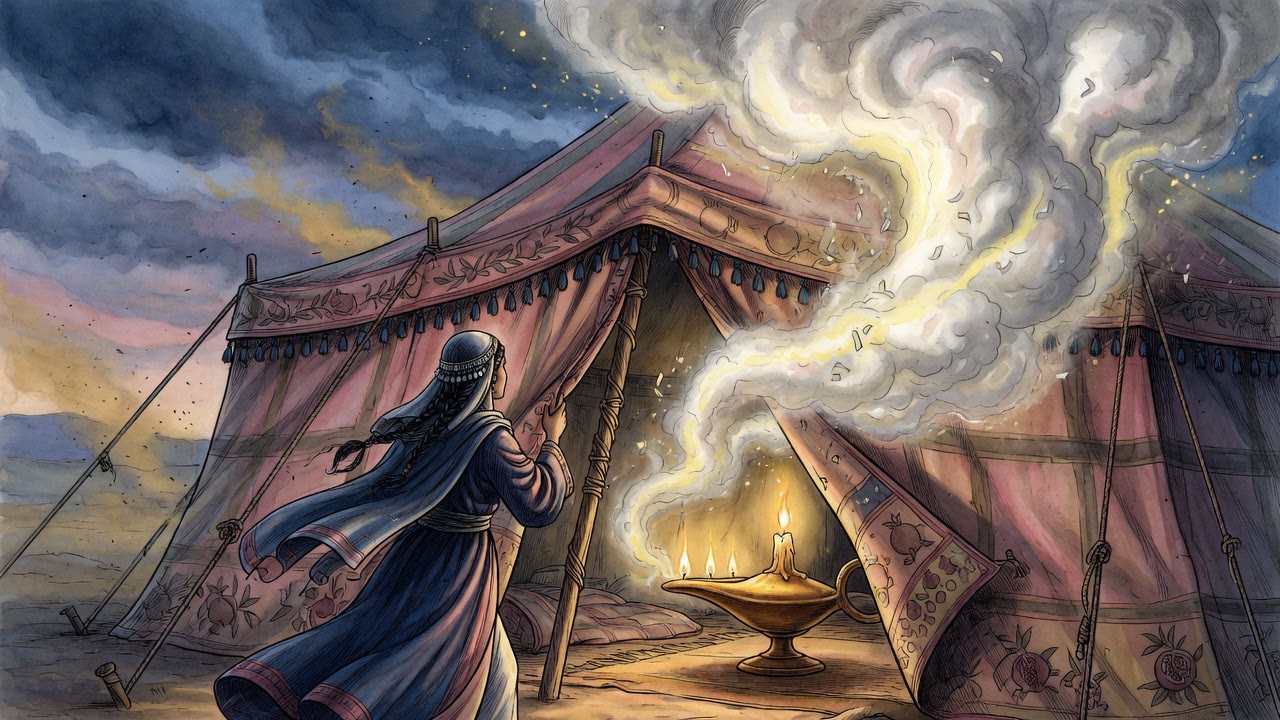
On the road home she rode toward a husband she had never met and a mother-in-law's tent she had never entered. The steward rode under an oath that still pressed against his palm in memory. Between them the arrangement held without either of them inventing it. That is what Laban and Bethuel had confessed without wanting to: the matter had come forth from the Lord, and their schemes could only delay a girl who refused delay.
When Isaac later lifted his eyes and saw the camels coming, the vow under the thigh completed its arc in open air.
← All myths