Isaac Takes Rebecca and the Dark Tent Lifts
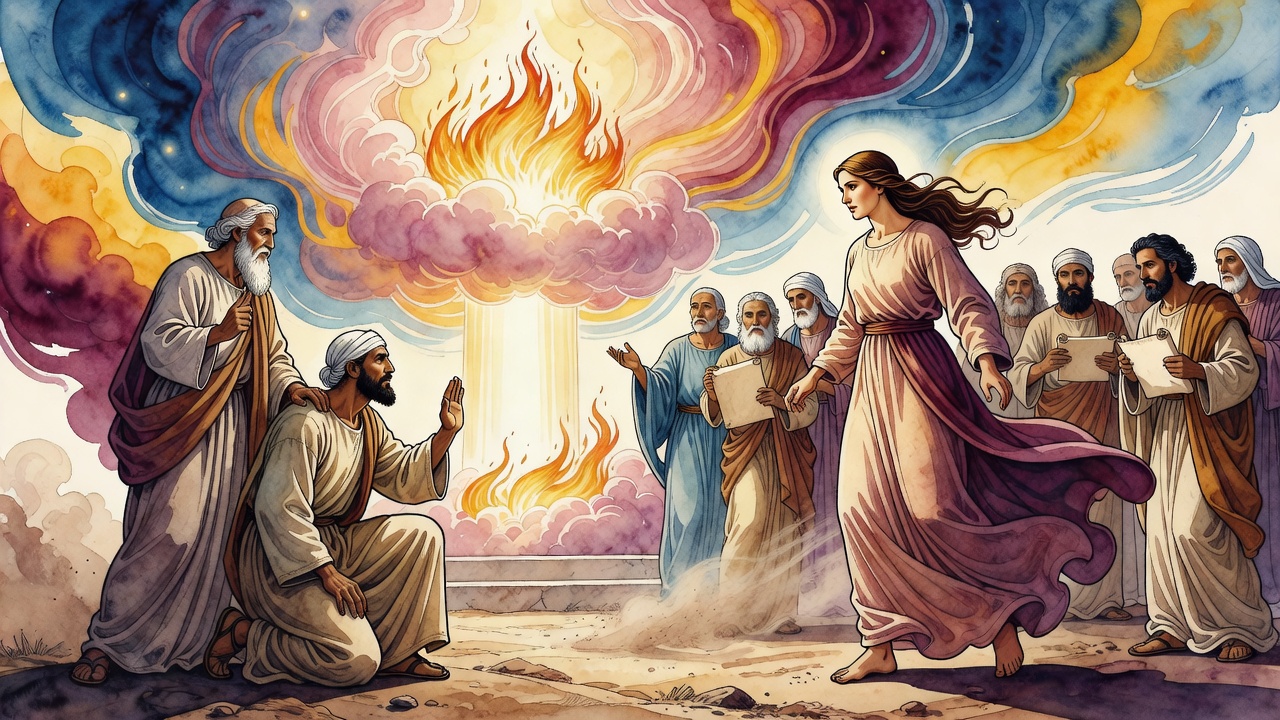
Three years after Sarah dies, Rebecca enters the tent and Isaac's mourning finally breaks. Love turns toward the wife while honor still climbs to the parents.
Table of Contents
 Click for full size
Three Years of an Empty Tent
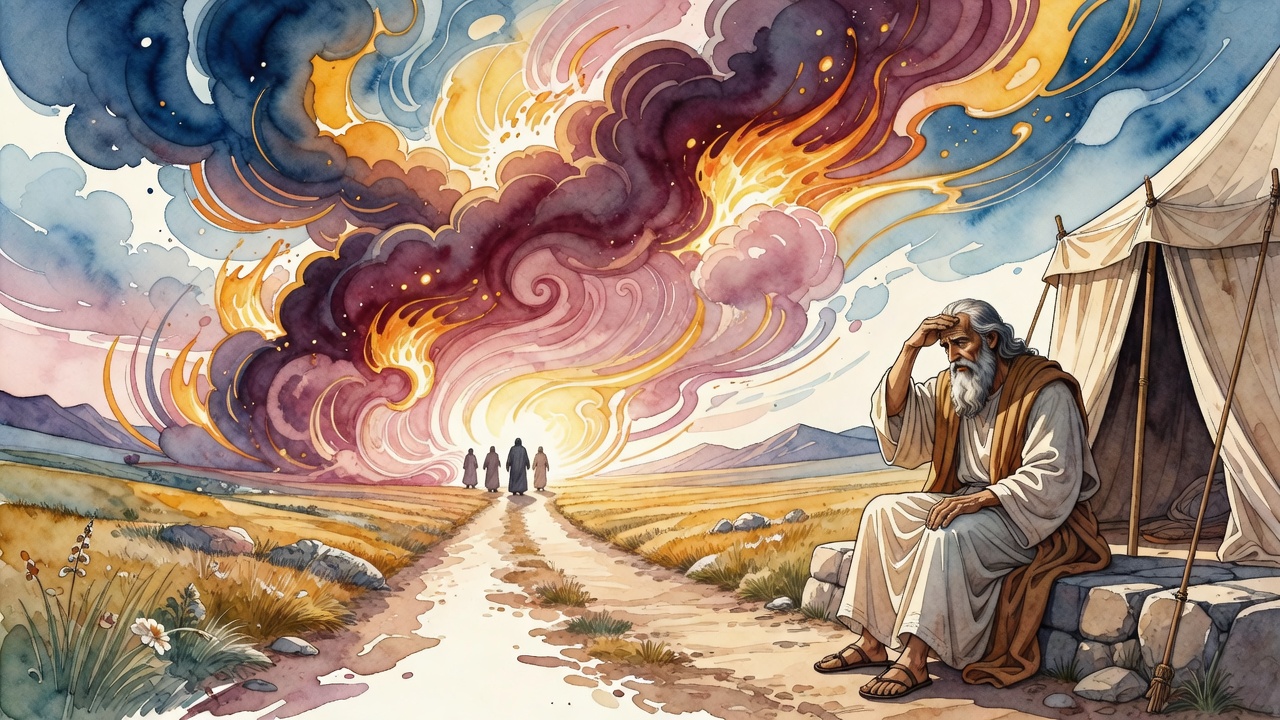
Isaac counted seasons without Sarah. Three full years of mourning before another woman crossed the threshold of the tent that had gone dark at his mother's death. Time alone did not lift the weight. The comfort waited for a person, not for a calendar.
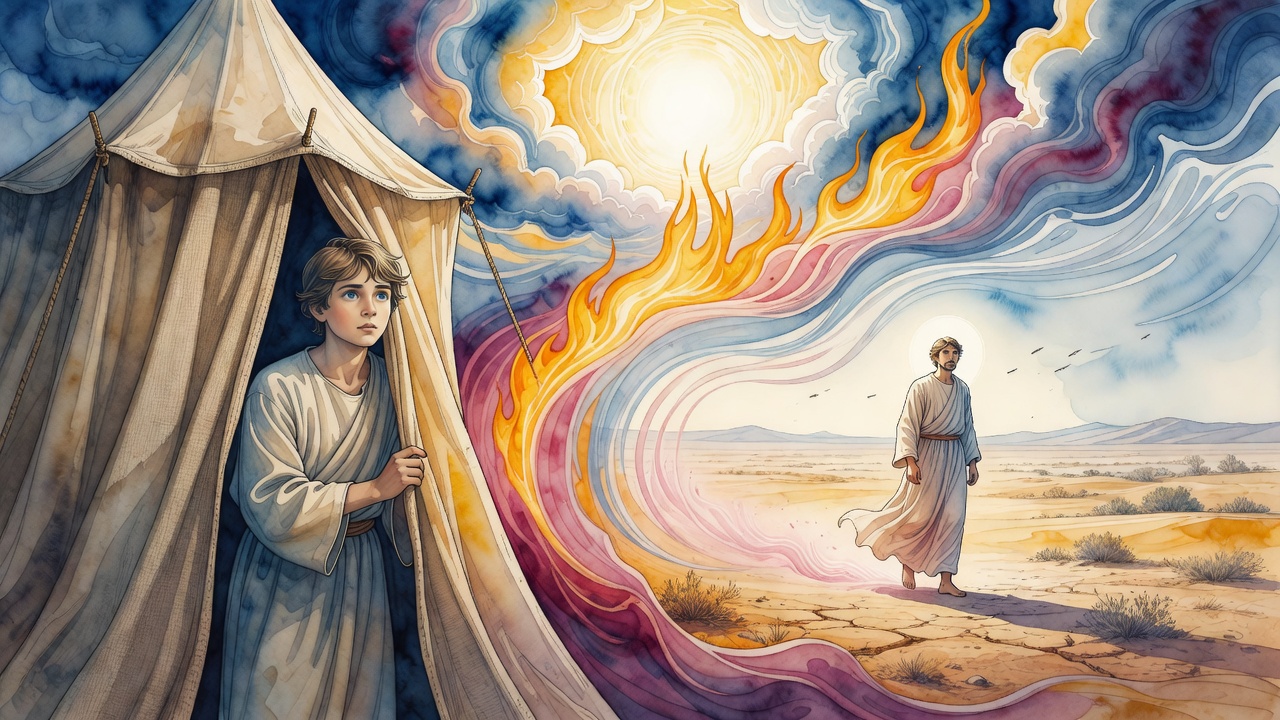
When Rebecca arrived from the east, dust of the road still on her, he brought her into his mother Sarah's tent (Genesis 24:67). The verse pairs the acts without padding: he took her, she became his wife, he loved her, and Isaac was comforted after his mother. Love and comfort arrive together, not as separate weather systems. The tent that had held absence now held a living center again.
A man may honor his parents all his life. The soul's deepest clinging, after marriage, turns toward the wife. The duty of honor still climbs upward. The attachment of the heart cleaves sideways, to the partner who shares the night and the work and the silence after guests leave.
A Blessing That Had to Wait
Her family had sent her off with a grand sentence: may you become thousands of myriads (Genesis 24:60). Children did not come at once. Heaven held the fruit of the womb until Isaac prayed, so the nations could never boast that Laban's farewell words had opened her body. The blessing from a scheming house was not allowed to take credit for the covenant's next generation.
The mate had come from the Holy One. Laban and Bethuel had already admitted they could say neither bad nor good against the errand. Property a man inherits from fathers. A wife of understanding is granted from above. Isaac's comfort was not a market acquisition bargained at a well. It was a granted presence that finally answered three years of raw absence with a voice and a face in Sarah's tent.
He had waited. She had said she would go. The prayer for children would come later, when love had already done its first work of unclenching grief.
What Leaves and What Stays
"Therefore a man shall leave his father and his mother and cleave to his wife" (Genesis 2:24). Leave does not cancel honor. The commandment to revere parents does not expire at the wedding canopy. What shifts is the place where the soul rests its weight when the house is quiet.
Isaac lived both truths in one tent. He remained Sarah's son, still carrying her name in the way he ordered the household and in the way he flinched at empty corners. He became Rebecca's husband, and only then did the mourning for the mother release its grip enough for him to breathe without constant ache. Honor still flowed toward the dead mother's memory and the living father's house. The soul's clinging turned toward the woman who had walked out of Haran on her own word.
The dark tent did not deny the dead. It made room for the living without erasing the years of grief. That is a harder kindness than simple forgetting.
Love After Loss
Some comforts are only distraction, a noise loud enough to drown a wound for an evening. This one was covenant. The servant had sworn on the mark in Abraham's flesh. The girl had refused days or ten. Heaven had steered the match while schemers watched and admitted they were outranked. Isaac opened the tent flap, and the house of Abraham took a new center of gravity without pretending Sarah had never filled it.
He loved her. The sentence is short because the change was total. After Sarah, love had nowhere to land that did not hurt. With Rebecca, it landed and stayed, and the hurt did not vanish so much as lose the right to rule every hour.
Outside, the camels were unloaded and the steward's errand closed. Inside, a man who had mourned three years learned what the first leaving of father and mother feels like when it is not abandonment but attachment finding its true rest.
The Field at Evening
Isaac had gone out to the field toward evening to meditate when he lifted his eyes and saw the camels (Genesis 24:63). Grief had its outdoor hours too. The tent held Sarah's absence like a held breath; the field let him walk without having to answer anyone about it.
Rebecca asked the servant who the man was. The servant named his master. She took the veil and covered herself, a gesture that closed the road chapter and opened the household one. He brought her in. The three years did not vanish in a speech. They loosened when a living woman stood where only memory had stood.
Later, when children still delayed, the love that had already comforted him would become the ground of the prayer that finally opened her womb. Comfort first. Petition second. The order kept Laban's blessing from stealing credit that belonged to the God who grants mates and then, in His time, grants seed.
← All myths