Esau Flaunted One Clean Trait the Way a Pig Shows Its Hooves
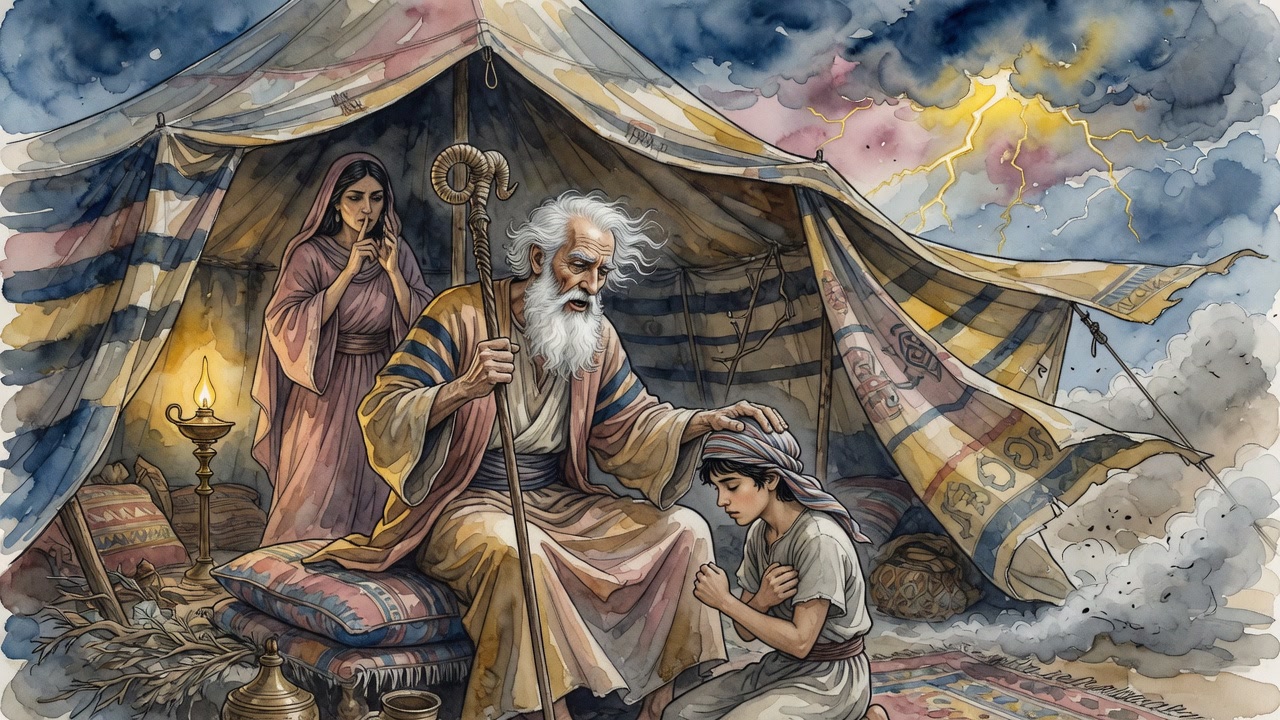
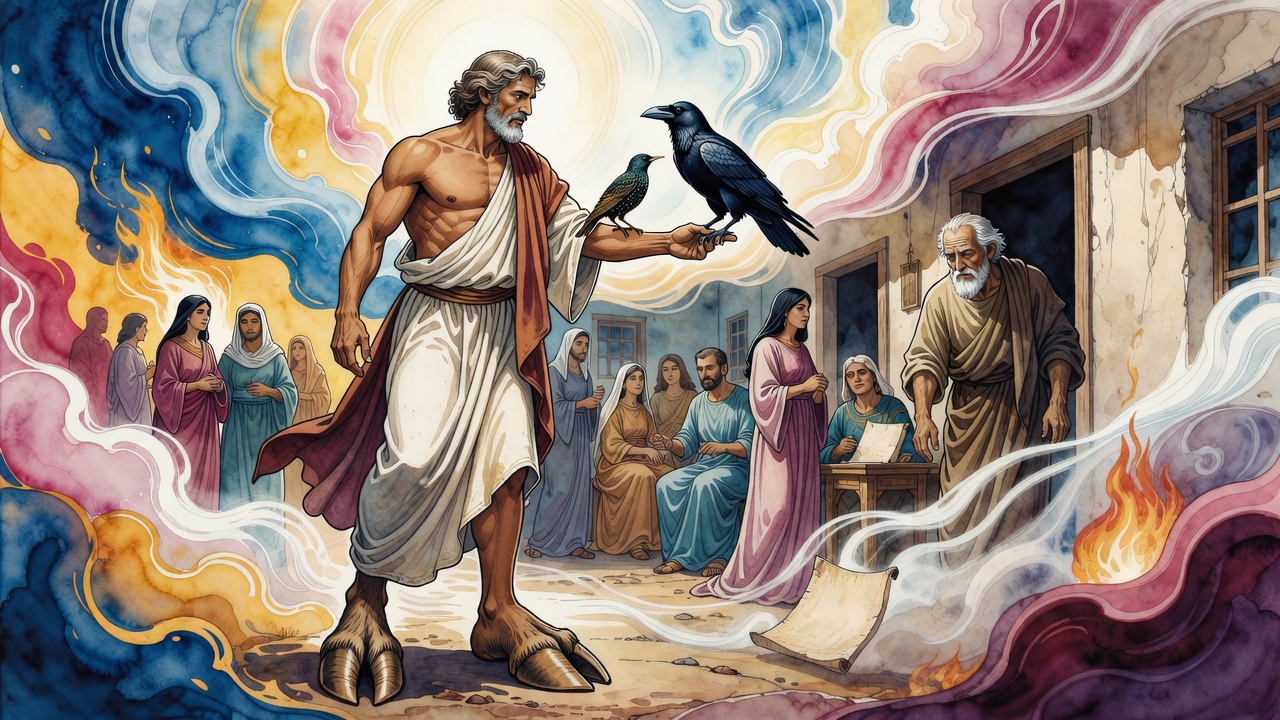
Isaac's eyes had failed, so he could not leave the tent. Esau's Hittite wives burned incense to their gods in the rooms around him.
Table of Contents
 Click for full size
Forty Years of Performance
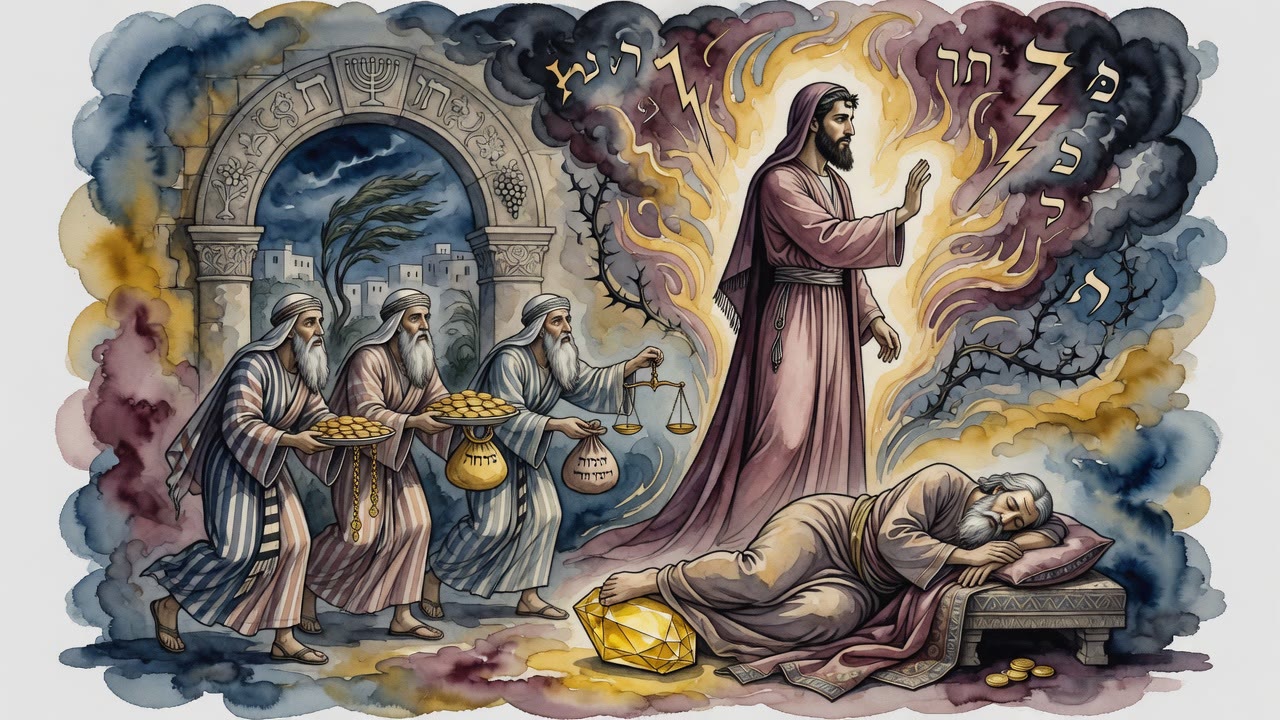
Esau waited until forty to marry and made sure the camp heard why. His father Isaac had married at forty, so he would do the same. For forty years he had hunted other men's wives and tormented them. Now he wrapped himself in his father's example and called it virtue loud enough for the tents to repeat.
A pig lies down and stretches out its split hooves for every eye. Look, I am pure. The split hoof is only half the test of a clean animal. The pig fails the rest and still performs the half it can show. Esau flaunted the one clean gesture while the rest of his life stayed unclean. Prophets would later call Rome, his heir, the boar from the forest that gnaws at Israel. Moses had already ruled the swine unclean. The display did not rewrite the law.
He took a Hittite woman named Judith (Genesis 26:34). Like seeks like. A doomed line reached for another doomed line, each ready to blot the other out. God settles the lonely in a home, the teaching says, even pairing the lowest soul at one end of the world with another at the far end. Esau's house was marked for destruction, and so was the Hittite nation. Heaven let one sealed fate marry another.
The Bird on the Roof
In the days of Rabbi Hiyya a strange starling arrived in the Land of Israel. No one knew if it was clean or unclean. They brought it for a ruling. Set it on the roof, he said, and whatever bird settles beside it will name its kind. An Egyptian raven, unclean, flew down and perched at its side. The starling was judged by its company.
Esau's marriage read the same way. He did not stumble into Judith by accident. He flew to his raven. Character finds its match. A soul shows what it is by the shoulder it chooses to touch when it could have chosen another tree.
The camp saw a wedding at forty. Heaven saw a roof and a raven landing.
Bitterness Named Isaac First
The wives were a bitterness of spirit to Isaac and to Rebecca (Genesis 26:35). The order of the names is wrong if custom rules. A wife's grief is usually listed first. Here Isaac comes before Rebecca, and the sages refused to let the order pass as style.
Rebecca had grown up in Bethuel's house among idols. Foreign smoke did not cut her as deeply; she had breathed that air as a girl. Isaac was raised by Abraham and Sarah. The offerings of Esau's wives went into his heart like grit. Another reading gave Rebecca the prophecy of two nations in the womb, so part of Esau's future already sat on her shoulders while Isaac absorbed the daily stench without a vision to brace him.
Either way the verse refused to treat their pain as identical. The father who had never lived among idols felt the violation first and hardest.
The Blind Man Who Could Not Step Outside
A man who can walk the market can leave his sorrow in the noise of other voices. He trades words, gathers distraction, lets the street dilute the house. Isaac's eyes had grown dim. He sat shut inside. The idols and the cruelty of Esau's wives filled the rooms, and he could not put a street between himself and any of it.
So his grief settled deeper than Rebecca's, who at least had grown used to such surroundings in her youth. The blind father at home absorbs every wound the household carries. Esau kept showing split hooves to the world, marrying on schedule, speaking of his father's pattern. Inside the tent, the performance had already failed. Smoke found the man who could not walk away from it.
Bitterness has an address. In that generation it was the dark room where Isaac sat, listening to a house that no longer sounded like Abraham's.
Smoke in a Closed Room
Judith and her household gods did not announce themselves with a single scandal. They settled in. Incense in corners. Gestures Isaac could not see but could smell. Voices that laughed at the wrong things. Rebecca endured with the callus of a childhood spent among such noise. Isaac sat in the dark and took every hour of it without exit.
Esau still told the story of forty, as if a number could wash a life. The pig still stretched its hooves in the yard of his speech. The starling had already landed beside the raven, and the roof test was over. What remained was a blind father naming bitterness in the order Scripture would record: Isaac first, because the wound had nowhere to go but inward.
When the Torah later lists those wives as a grief of spirit, it is not summarizing a family counseling session. It is recording a house that learned what company costs when the company chooses itself and the father cannot leave the room.
← All myths