Esau's Savory Gifts Dimmed the Eyes of Isaac
Isaac lay on the altar at Moriah and got up with his eyes intact. What put them out was a plate of his son's hunting, brought home too often.
Table of Contents
 Click for full size
The Man Who Should Have Kept His Sight
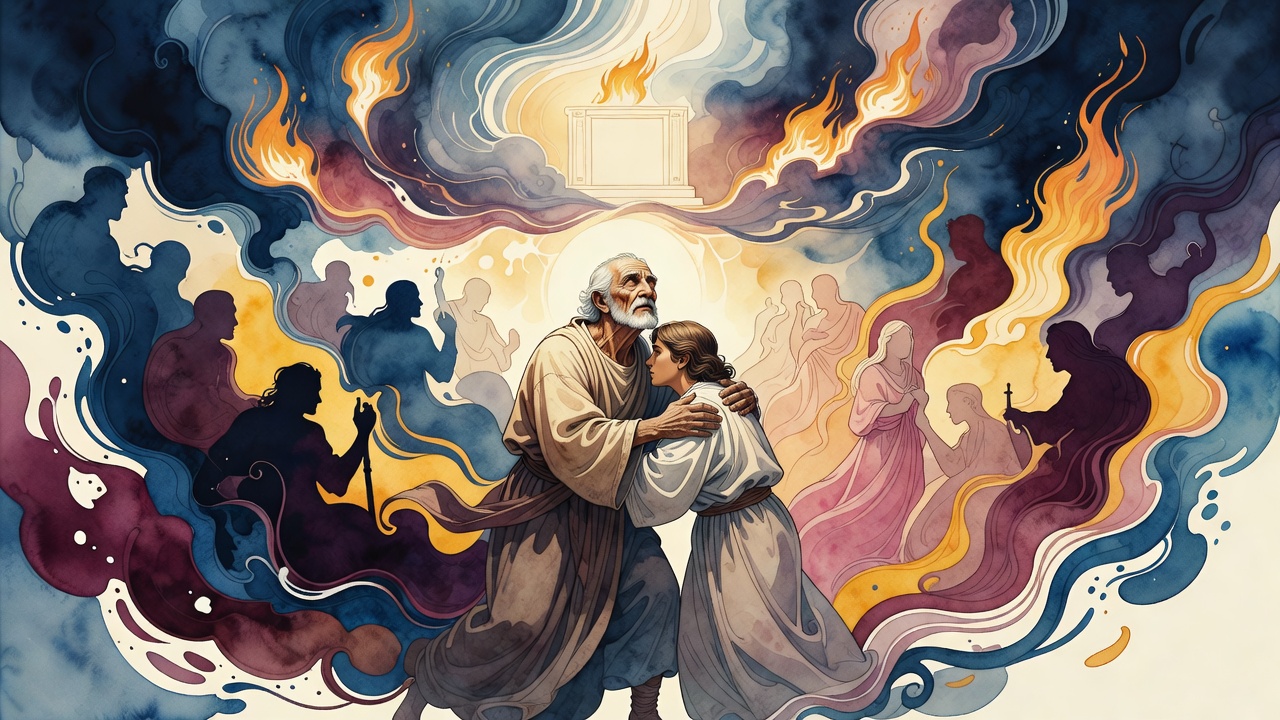
Isaac had lain on wood with his throat stretched up and his own father over him holding a knife, and he had not struggled. He came down off that mountain as God's own burnt offering, the one who had been laid on the altar and then given back.
A man who has done that ought to be able to see until the day they bury him.
Instead he went blind, slowly, in an ordinary tent, in the ordinary way old men do, and the trouble with that is nobody could say what he had done to deserve it.
A Stone Lodged in the Eye
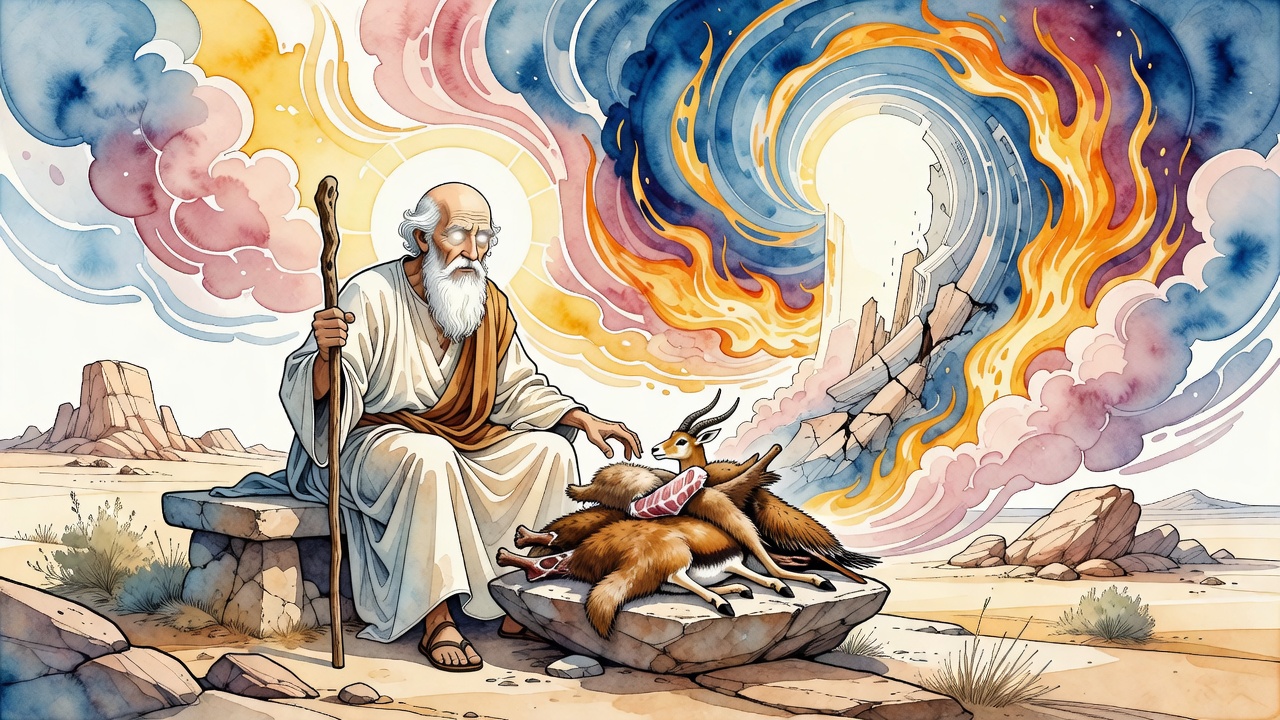
Esau hunted, and he brought what he hunted straight home to his father.
That was the arrangement for years. Field dust on the boots, a carcass over the shoulder, the fire going, the smell of the meat his father liked better than any other smell in the world, and then the plate. Again the next week. Again after that. He never came in empty-handed and he never had to.
A bribe is a stone in the eye of the man who takes it. Not a favor, a stone. It blinds the eyes of the wise, and the law that says so carves out no exception for a father accepting a gift from his own son.
So the light went out of Isaac by the same rule that governs a judge in a doorway. He took what he was given, from the boy he preferred, week after week, and his eyes closed over.
The argument runs from the lighter case to the heavier. If Isaac the Righteous, bound once on an altar and given back, went dark over a dish of his own son's game, whatever waits for the man who takes from a stranger is worse by a measure nobody has bothered to name.
Here I Am, Said the Soft Voice
"My son," the old man said, into the dark.
"Here I am." Esau's voice, and it was a pleasant voice. Courteous. A good son answering his father the way a good son does.
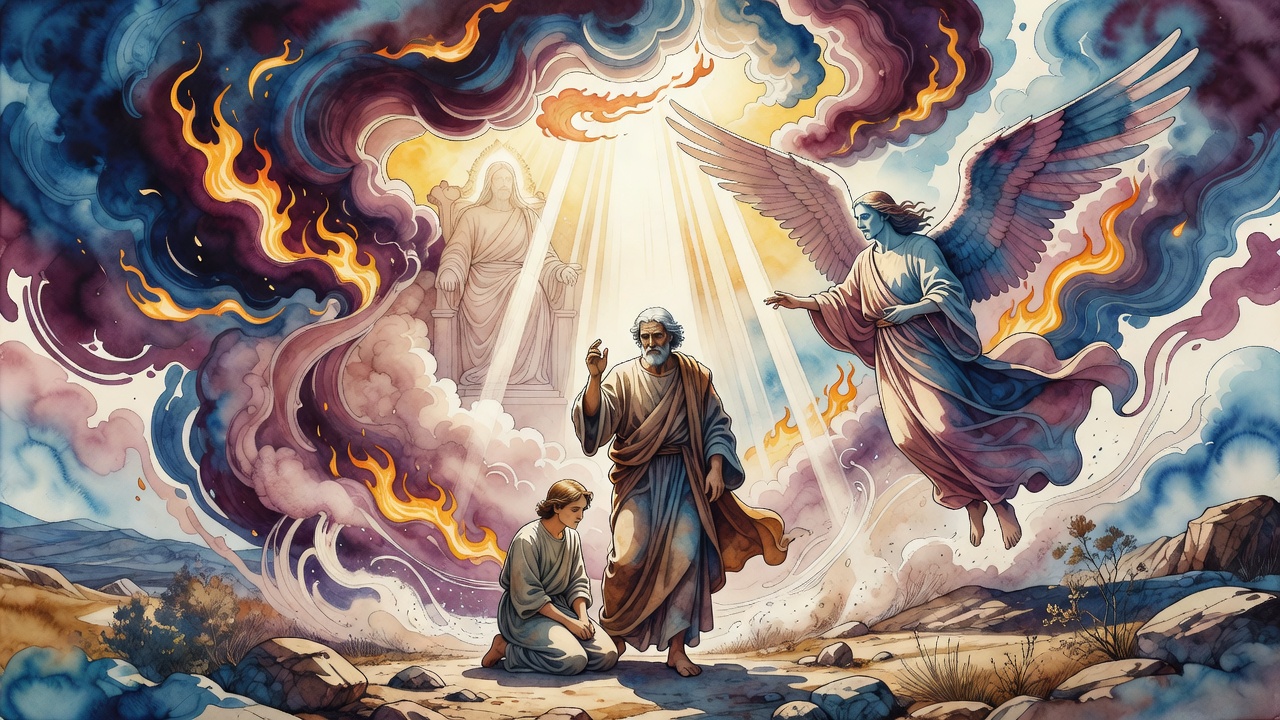
And out of the room the Holy Spirit cried out against it: when he makes his voice gracious, do not believe him, because there are seven abominations in his heart.
Seven, and they were countable. Seven houses of the Name that this man's descendants would one day pull down. The Tent of Meeting, where the cloud came and sat on it in the wilderness. Gilgal, the first ground they held in the land. Shiloh, where the Ark stood for generations while the tribes came and went. Nob, the town of priests. Gibeon, the great high place. The first Temple in all its gold. And the second one, which went up and came down again.
All seven of them, folded up inside two soft words at a blind man's bedside.
Isaac could not see the face. He could only hear the manners, and the manners were faultless.
The Voice and the Hands
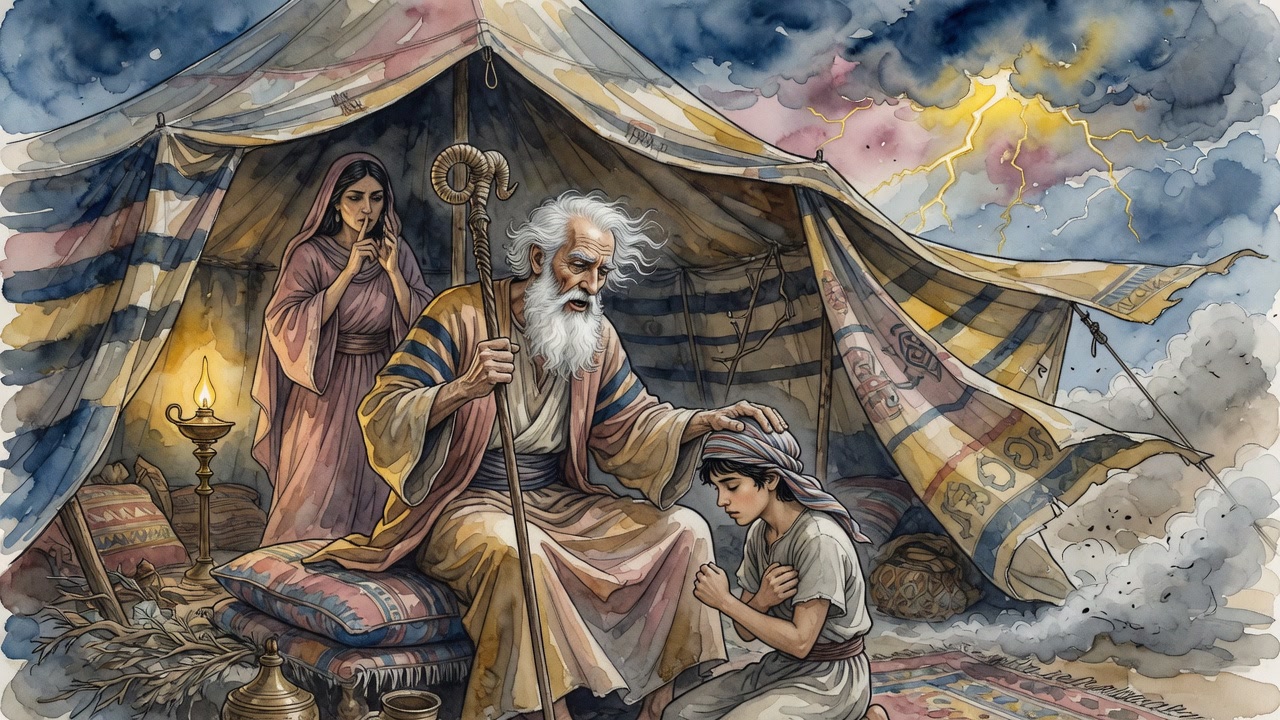
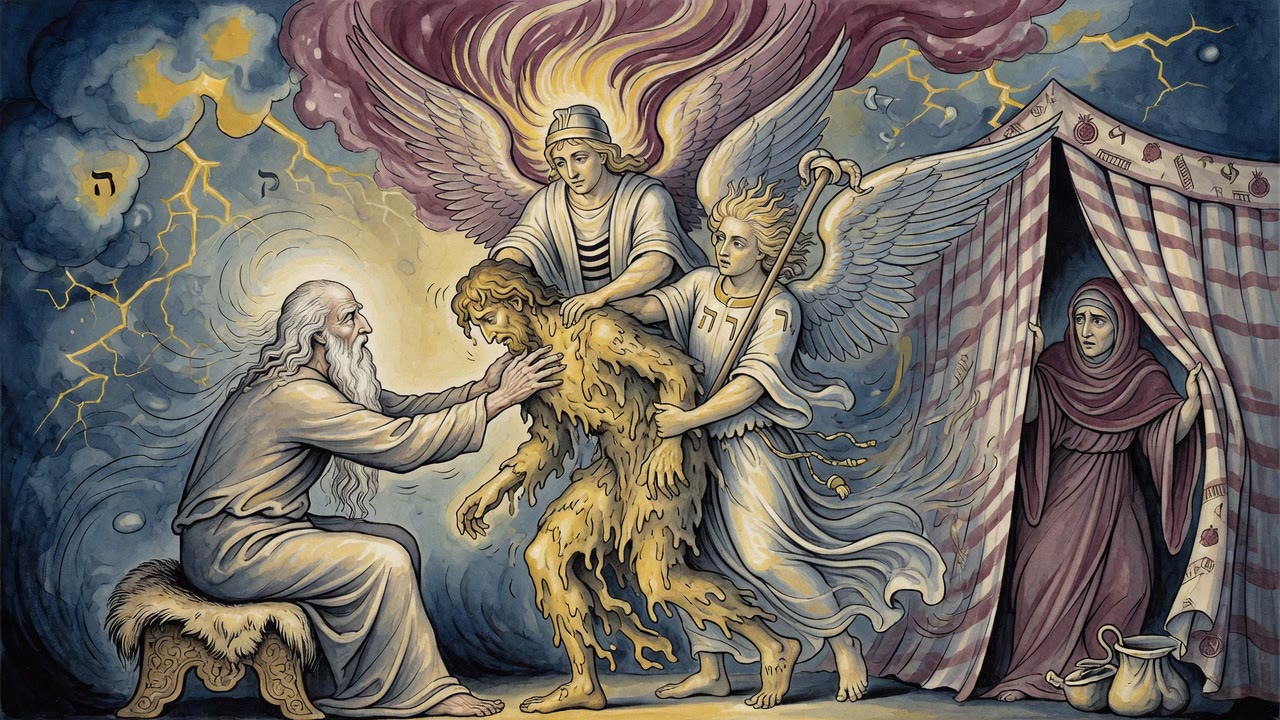
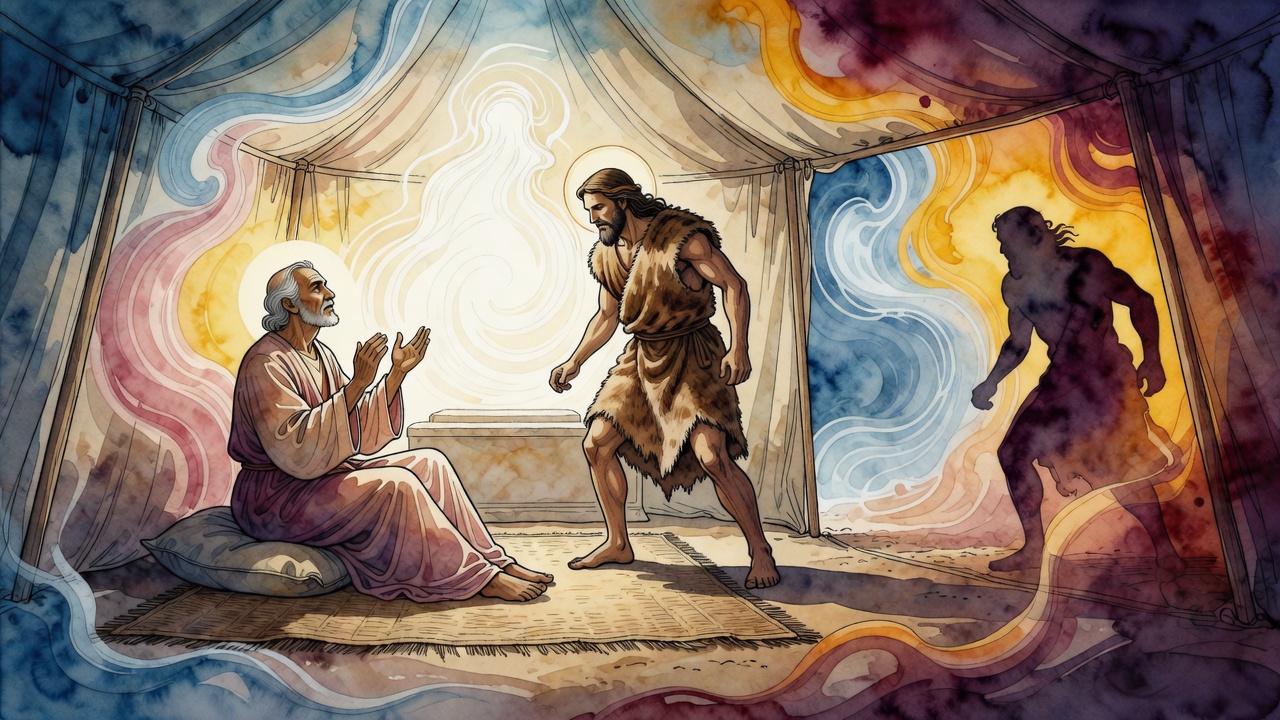
Jacob came in later with kid hide on his arms and his brother's clothes on him, and the old man reached out and started to shake.
His hands were finding hair where the voice said there should be skin. He went over the arms again. Hair. He listened again. Jacob. He could not make the two halves of his son meet.
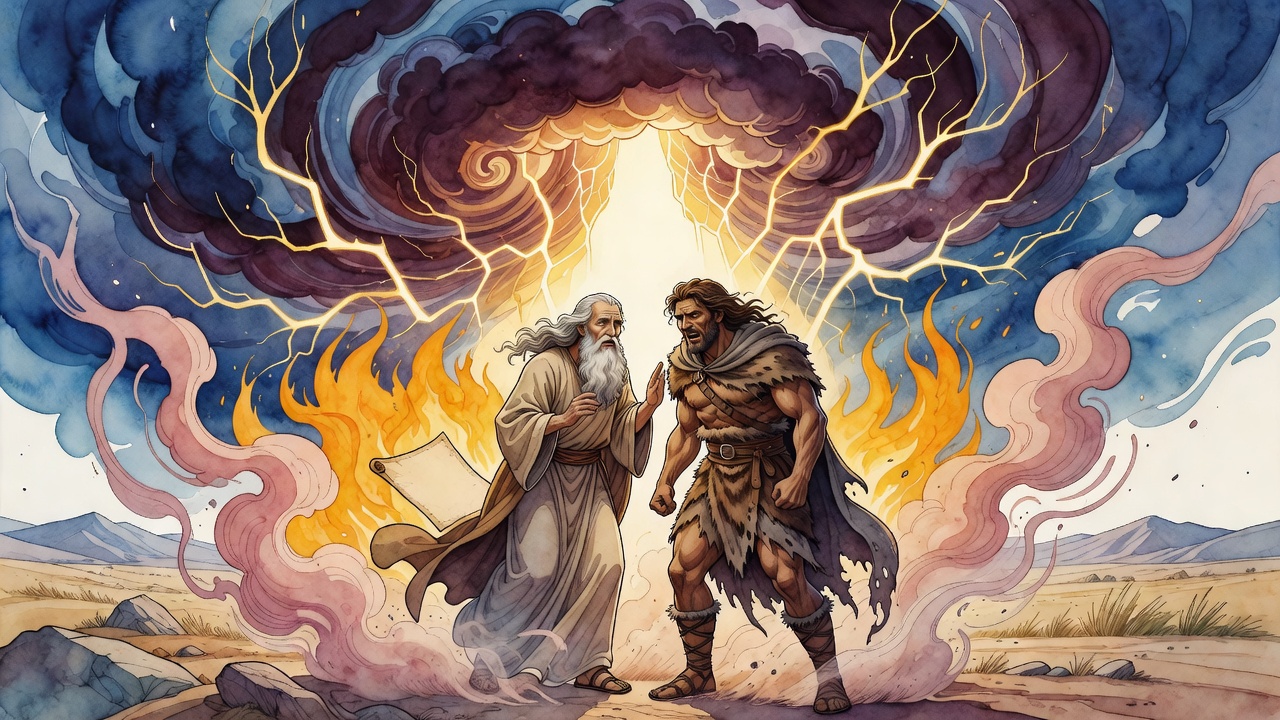
"The voice is the voice of Jacob," he said, "and the hands are the hands of Esau."
He meant the arms in front of him. What came out of his mouth was larger than the arms. Two powers walked out of that tent and have been at each other ever since. Esau is hands: taking, holding, mailed, arriving in numbers and leaving with the goods. Jacob is voice: prayer in the dark, argument in a study hall, a boy chanting a line he does not understand yet.
And for most of the record the hands look like the better bet. Hands take cities. Voices do not.
When the Voice Rises the Hands Buckle
Further down the road, the hands of Esau start to give way, and the hour they give way is the hour the voice of Jacob comes up in full strength. Not louder. Stronger. The grip loosens, the fingers come open, the kingdom built on force sits down.
And the voice that does it is not a crowd. It is one herald going up a high mountain over Zion and lifting his voice with everything in him, which is the voice of the King Messiah, and until that morning every stolen and granted blessing in every dim tent is a rehearsal.
Isaac stopped shaking eventually and ate what was put in front of him and blessed the son he could not see. Outside the tent the seven ruins were still centuries out, and the hands were still stronger, and the man on the bed had traded his eyes for the taste of venison and never once suspected the price.
← All myths