Eliezer Walked Dark Roads Without a Torch
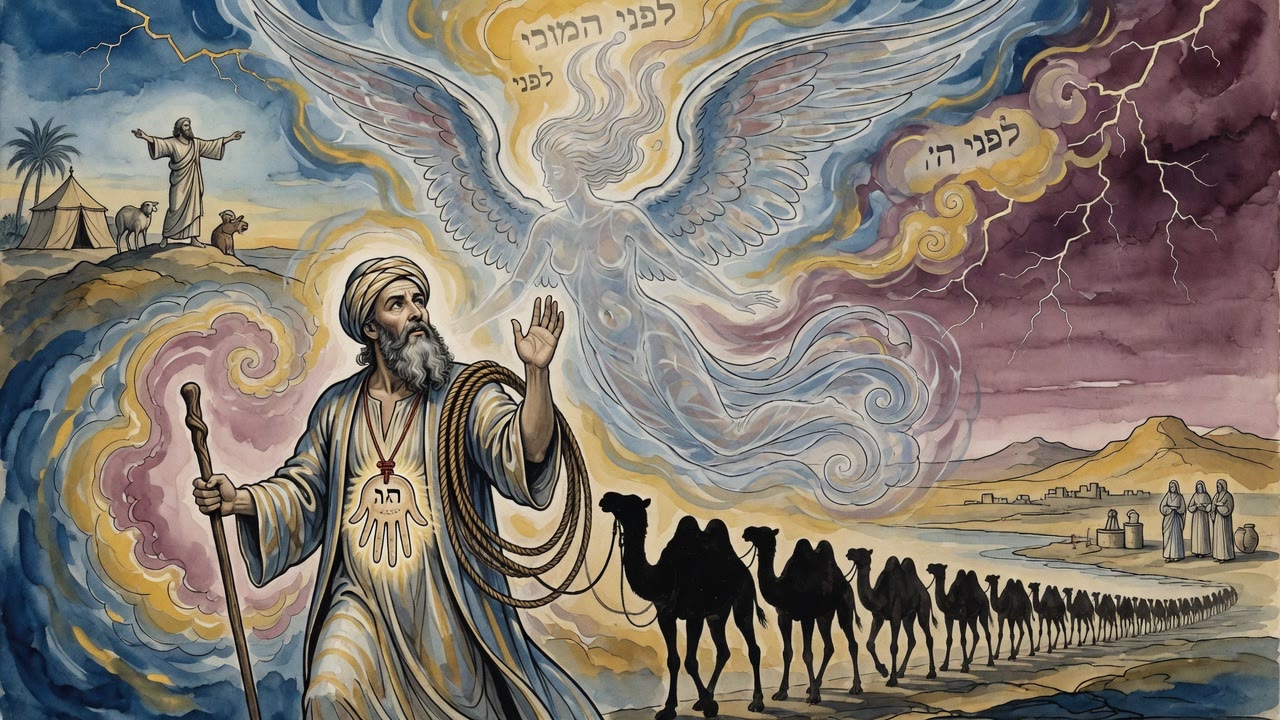
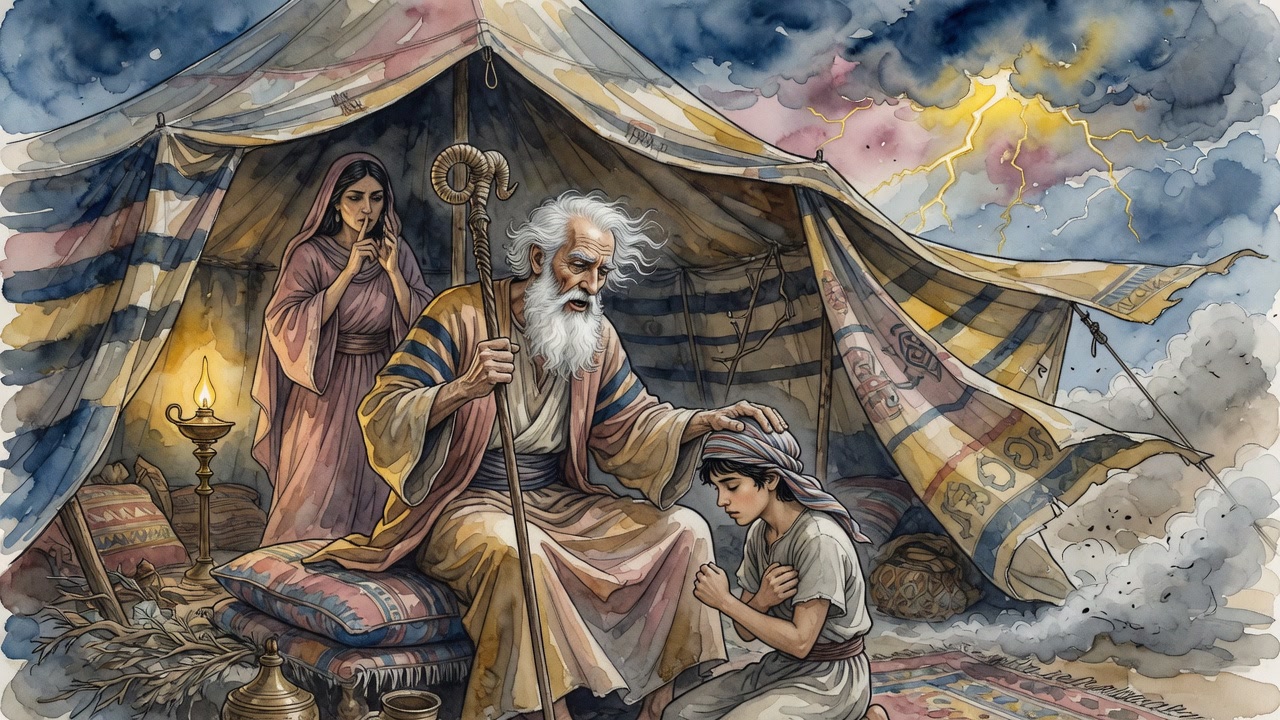
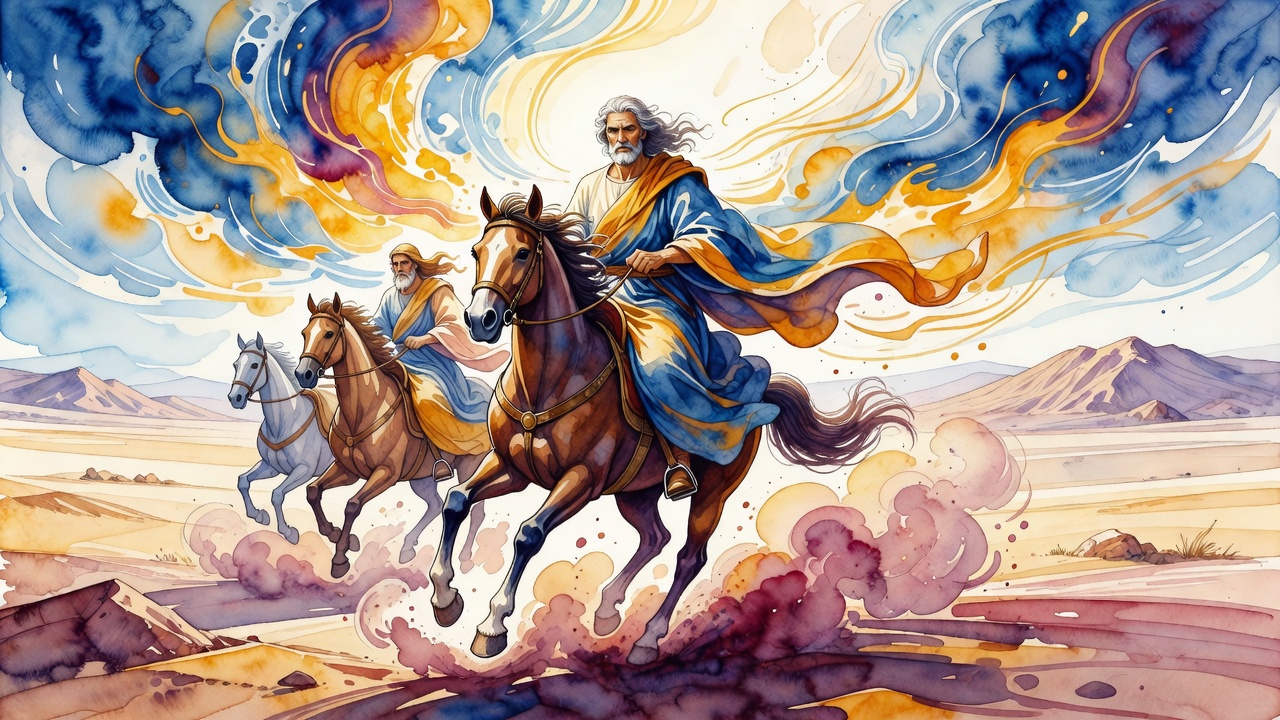
He was going to find a wife for Isaac, and the only light he got was lightning. Between flashes he pushed the ten camels forward in the dark.
Table of Contents
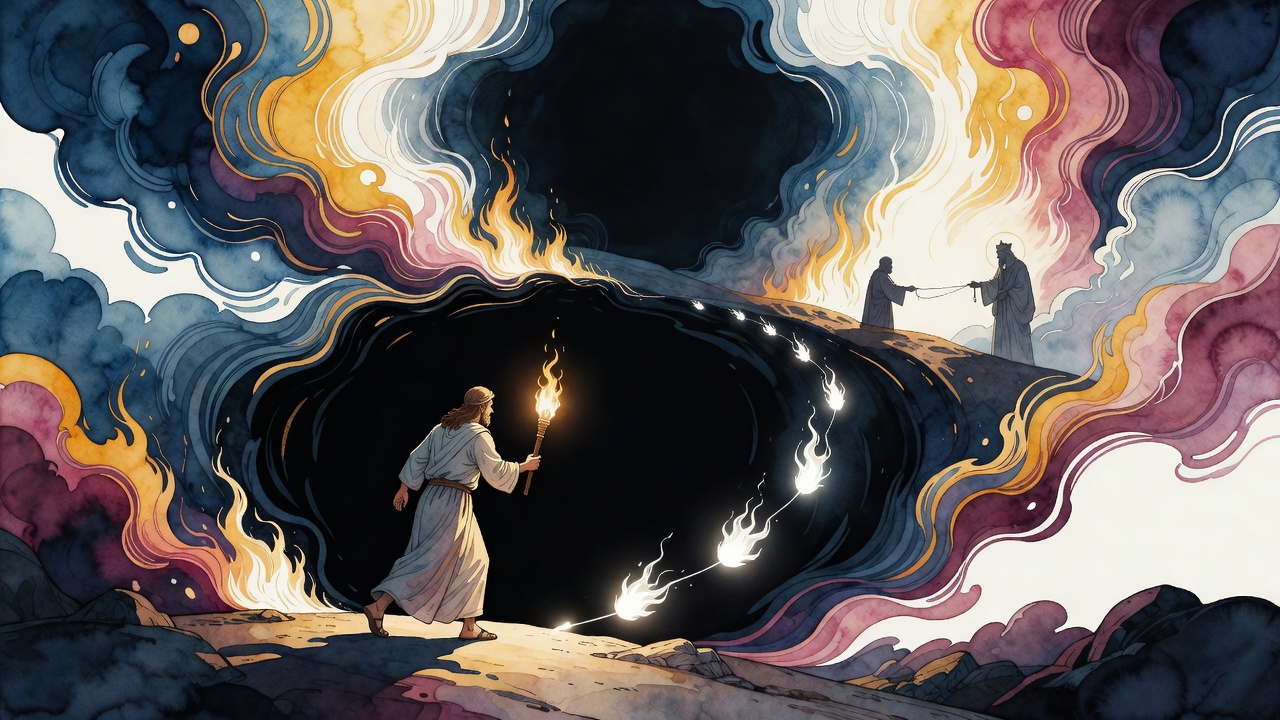
Eliezer left Abraham's tent with camels, gifts, and no torch he trusted. The road toward Aram felt pitch dark to the sages who retell it. Who is the one who fears the LORD and walks in darkness with no light? The servant who refuses his own sight and leans on the God of his master. Heaven answered with flashes and lightning, the way a traveler is guided home through a storm. Between flashes the dark returned, and he still moved the camels forward.
 Click for full size
A Servant Who Chose the Right Master
His wisdom had a bitter edge. Canaan had been cursed into servitude, he reasoned, so some master would own him in the end. Better the tent of the righteous than a stranger's house. He served the son who had been bound on the altar, the son whose silence put other claims of devotion to shame. Finding a wife for Isaac was not errand-running. It was carrying fire through wind without letting it go out.
At the well he would watch for the woman who watered camels without being asked. The test was not cleverness. It was kindness under weight. Ten camels drink like a small drought. A person who runs to meet that thirst without calculating credit has a heart that matches Abraham's open tent. Darkness on the road had trained Eliezer to recognize light when a stranger offered it freely.
He would later report the journey without stealing the story for himself. A good servant knows which name the ending belongs to.
Not a Thread from Sodom's Hand
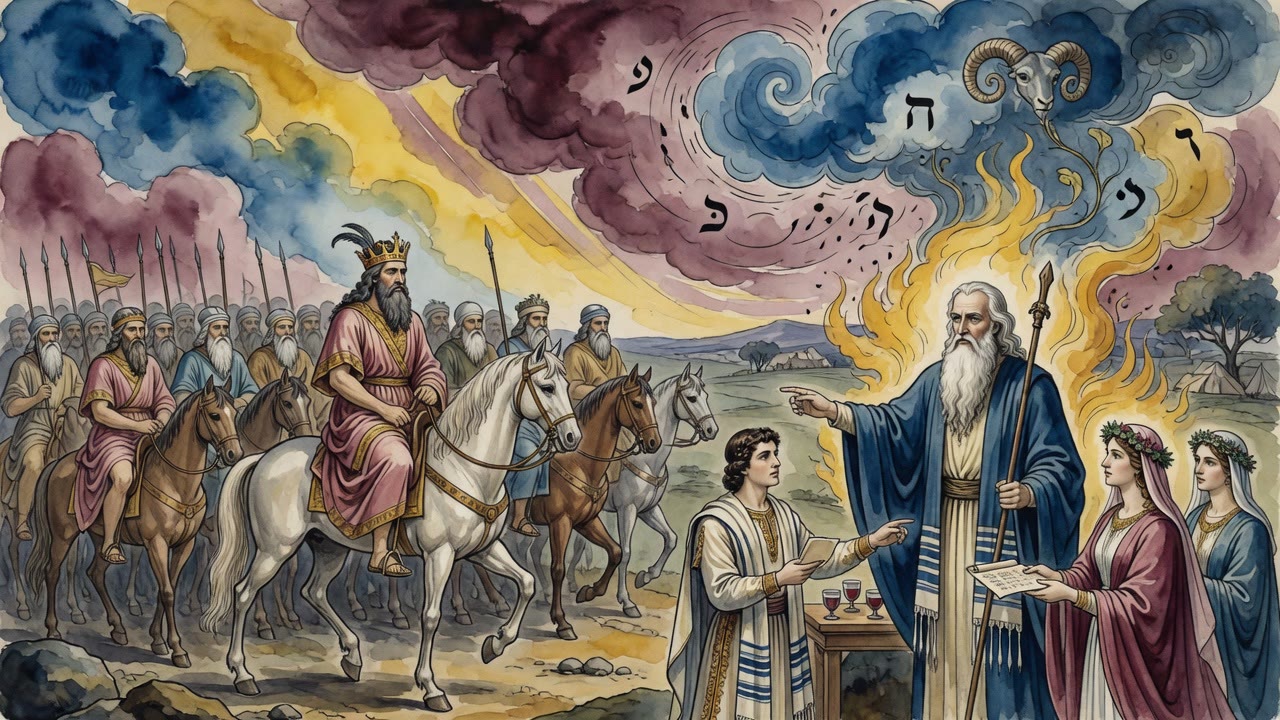
Years earlier his master had stood on another kind of road, dust of battle still on him, the king of Sodom offering goods. Abram lifted his hand in oath before the Most High who possesses heaven and earth. He would not take a thread or a sandal strap, lest the wicked king say he had made Abram rich (Genesis 14:22-23). Targum tradition sharpens the line: the Most High possesses the world for the just. What the wicked offer is provisional. What the righteous refuse, they have not truly lost.
Abram had already tithed to Shem-Malkizedek. Spoils by war's custom were his. He still refused the thread. The oath was electric because it cost him a fortune in public. Eliezer walks in that refusal's shadow. He does not seize a bride by force or buy a future with Sodom's coin. He waits for a sign that matches his master's house: open hands, quick feet, water poured for the weary.
Righteous possession is not the same as grabbing. The world is held for those who keep faith, not for those who shout mine first.
We Will Do Before We Hear
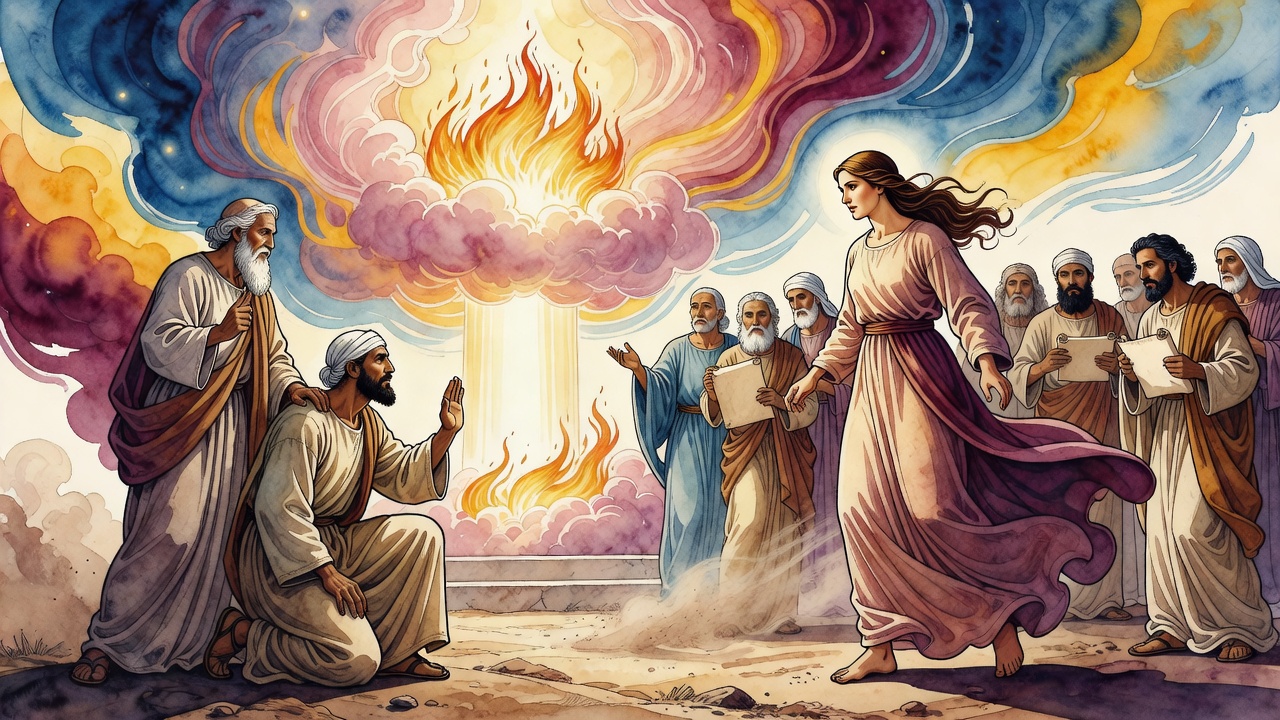
At Sinai Israel would say we will do and we will hear, doing first because the patriarchs had already lived the law. Abraham refused the shoelace of plunder. Isaac honored his father on the altar. Joseph prepared for Sabbath and resisted Potiphar's wife. Judah spared a brother. The tribes refused to steal from their host. The children could honestly claim the deeds had begun before the words were thundered.
The people also longed to see their King, not only hear Him, and God promised to come down on the third day in the sight of all. Hearing and seeing are not the same, yet both bind. Eliezer is not a patriarch, yet he moves inside their pattern. He does the errand in darkness before he fully sees the ending. Action under trust is the family style.
When later ages say we will do, they lean on nights like his, when doing was the only lantern available.
Lightning on a Servant Path
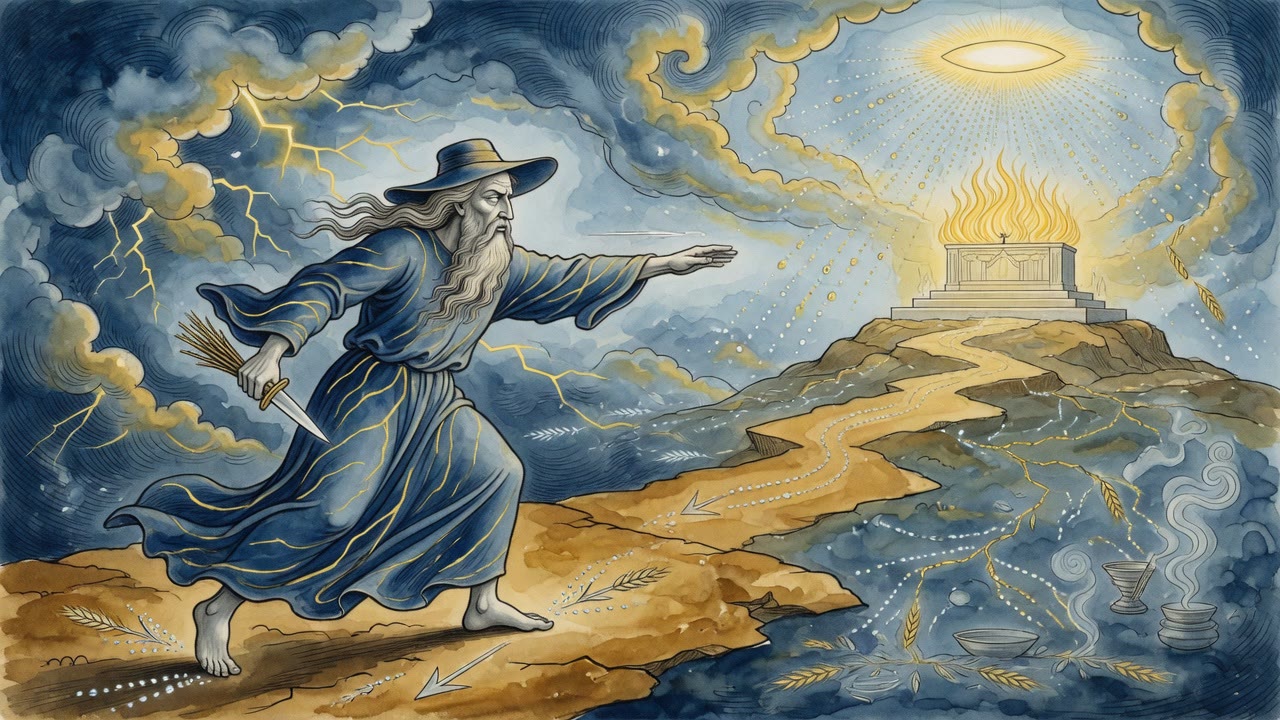
When the flashes came, they did not erase the night. They made steps possible one by one. That is how fear of Heaven often works: not a noon sun of certainty, but enough light to place the next foot. Rebecca would run with her jar. Isaac would lift his eyes from the field. The servant would bow and tell the story without stealing credit for the road.
Walk when the road is dark if the errand is just. Refuse the thread that would let a corrupt mouth own your blessing. Do the deed that matches the house you serve, and let the hearing catch up when the lightning shows the faces waiting at the well. If you are only a servant in someone else's covenant, you still choose which master's darkness you will trust.
Camels kneel. Water rises from stone. A bride says yes. The dark road becomes a sentence in a longer book that began with an oath against a single thread.
A servant's faith is easy to praise and hard to copy. You leave the tent that feeds you, carry another man's hope across countries you do not own, and measure success by someone else's joy at the ending. Eliezer's lightning did not make him the hero of the tale. It only kept him from stopping before the well.
← All myths