The Boy Who Taught Yohanan to Tithe and Grow Rich
Resh Lakish's son reads the double tithe as a promise. Grapes and olives left on the vine become the poor man's open window of heaven.
Table of Contents
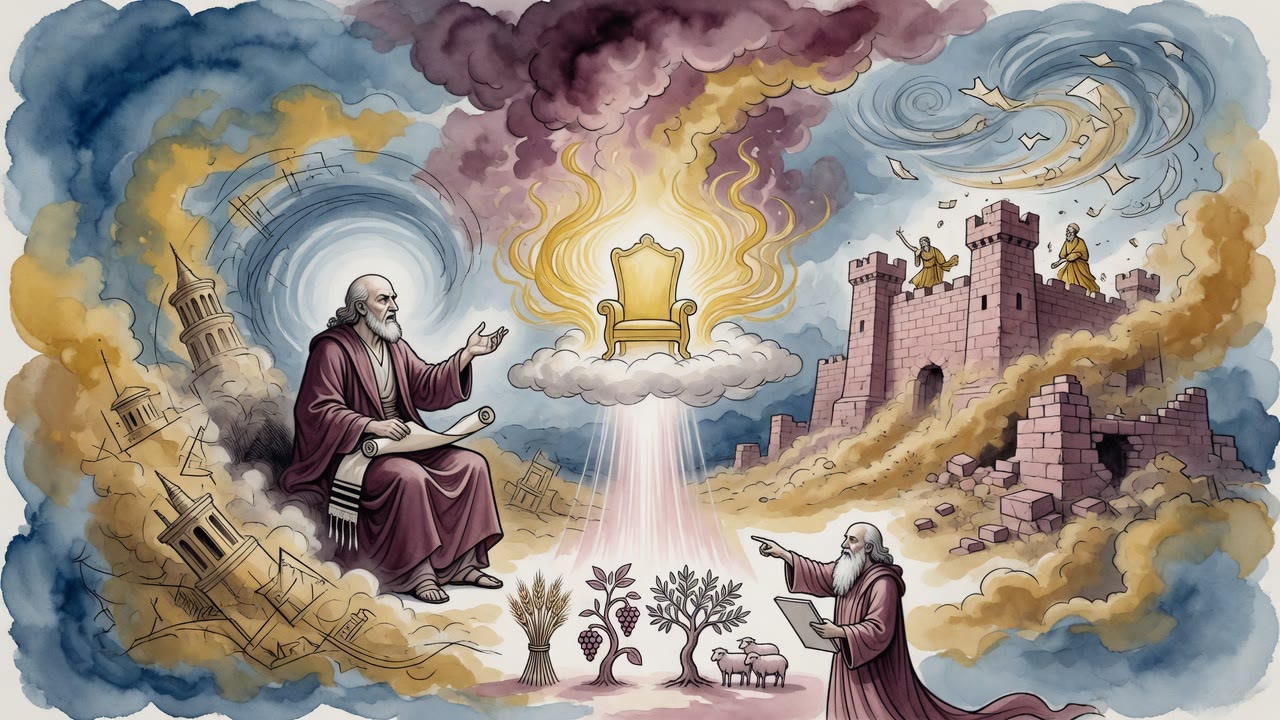
Rabbi Yohanan stopped a child in the street and asked for a verse. The boy was the son of Resh Lakish, Yohanan's own brother-in-law, and he did not stammer. "You shall surely tithe," he said, tasting the doubled Hebrew like a promise already paid.
 Click for full size
Yohanan pressed him. What does the doubling mean? The child answered as if the answer had been waiting in his mouth all morning: give a tenth so that you may grow rich. The act of letting wealth leave your hand is what multiplies wealth. Yohanan frowned the frown of a man who has taught adults for decades. Does not the Torah forbid testing God?
The One Challenge Heaven Invites
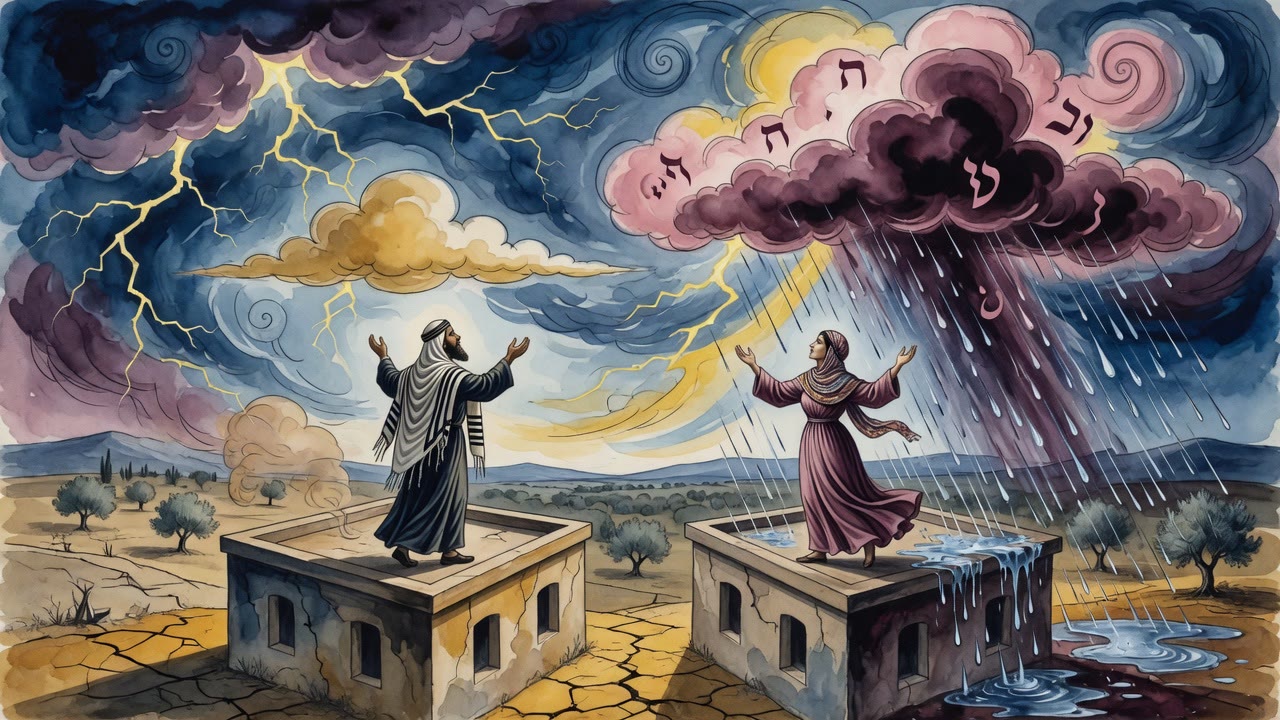
The boy had learned from Rabbi Oshaya and did not flinch. Tithing is the exception, he said. Malachi invites the test outright: bring the full tithe into the storehouse and test Me, says the LORD, if I will not open the windows of heaven and pour out blessing until your lips tire of saying "enough." Generosity is the single place where God welcomes the dare.
Yohanan let the child go that day, but the street was not finished with them. On a later meeting the boy recited from Proverbs, that a man's own folly ruins his path while his heart rages against God. Yohanan marveled: is there anything in the later books that Moses did not already hint? The child answered on the spot. Of course Moses hinted. When Joseph's brothers found the silver back in their sacks, their hearts sank and they cried, "What is this that God has done to us," blaming Heaven for trouble their own hands had packed. Then the boy fixed Yohanan with a look too sharp for his age, and his mother hurried him away, afraid the great sage might crush a rival without meaning to.
What You Must Not Strip From the Vine
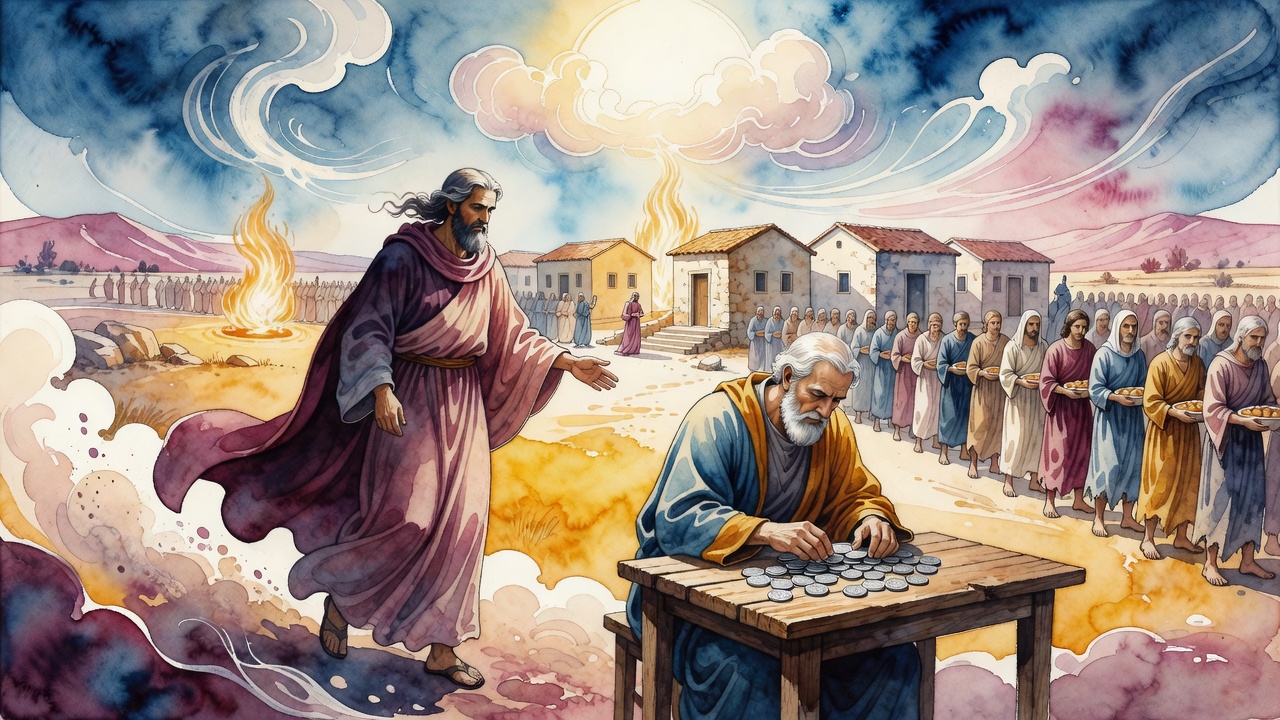
While scholars argue double verbs, the poor walk the edges of vineyards. "When you cut your vineyard, do not glean it after you" (Deuteronomy 24:21). The leftover clusters, the olelot, are not a decoration. They are law with a mouth. Rabbi Eliezer once said that a vineyard which is all gleanings belongs to the owner, as if total leftover canceled the gift. Rabbi Akiva refused that door. From Leviticus he heard the command not to glean as a standing claim of the poor. Even when the vineyard looks like nothing but scraps, the scraps still have an address that is not the owner's storeroom.
Olive trees tell the same story with harder fruit. "When you beat your olive tree, you shall not cut off after you" (Deuteronomy 24:20). The early settlers beat the branches and then left what clung for the stranger, the orphan, and the widow. Peah at the field's corner and the unstripped tree are one discipline: refuse to harvest your own land as if you were the only mouth God made.
Windows of Heaven at the Field's Edge
The boy's reading and Akiva's ruling meet in the same economy. Heaven's windows open not only when a tenth leaves the granary for the Levite and the poor, but when a hand stops short of the last grape and the last olive. Testing God in Malachi's sense is not gambling. It is obeying the place where God Himself said, try Me here.
A man who strips every vine clean may still complain that the sky is shut. A man who leaves the olelot and still tithes may find the complaint dies in his throat, replaced by the labor of saying "enough." The child saw the promise first. The vineyard law makes the promise walk on dirt.
When Blame Turns Upward Too Fast
The second lesson the boy taught is as sharp as the first. Folly ruins a path, then the heart rages at God. Brothers who hid silver and later found it packed against them chose the easy sentence: Heaven did this. Moses had already staged that reflex in the Torah so that later books would not invent it. The mother who pulled her son away understood another danger: brilliance that outruns humility can break a teacher or a child. Wisdom that multiplies wealth must also know when to lower the eyes.
In the vineyard the owner stops halfway down the row. His fingers itch for the last clusters, the ones that would make the count neat. Akiva's ruling stands in the dust like a poor man already reaching. The grapes are not the owner's courage. They are someone else's breakfast. He wipes his hands and leaves the olelot hanging, ugly and lawful.
At the olive tree the stick falls silent. A few fruits still cling after the beating. The stranger, the orphan, and the widow are not present yet, but the law treats them as if they were already walking the path. Windows of heaven, the boy said. Sometimes the window is only a branch you refuse to strip bare.
← All myths