The High Priest's Mother Fed the Exiled Killers
Accidental killers fled to cities of refuge and waited for the high priest to die. His mother brought them food so their prayers would soften.
Table of Contents
 Click for full size
The Stone Leaves the Hand
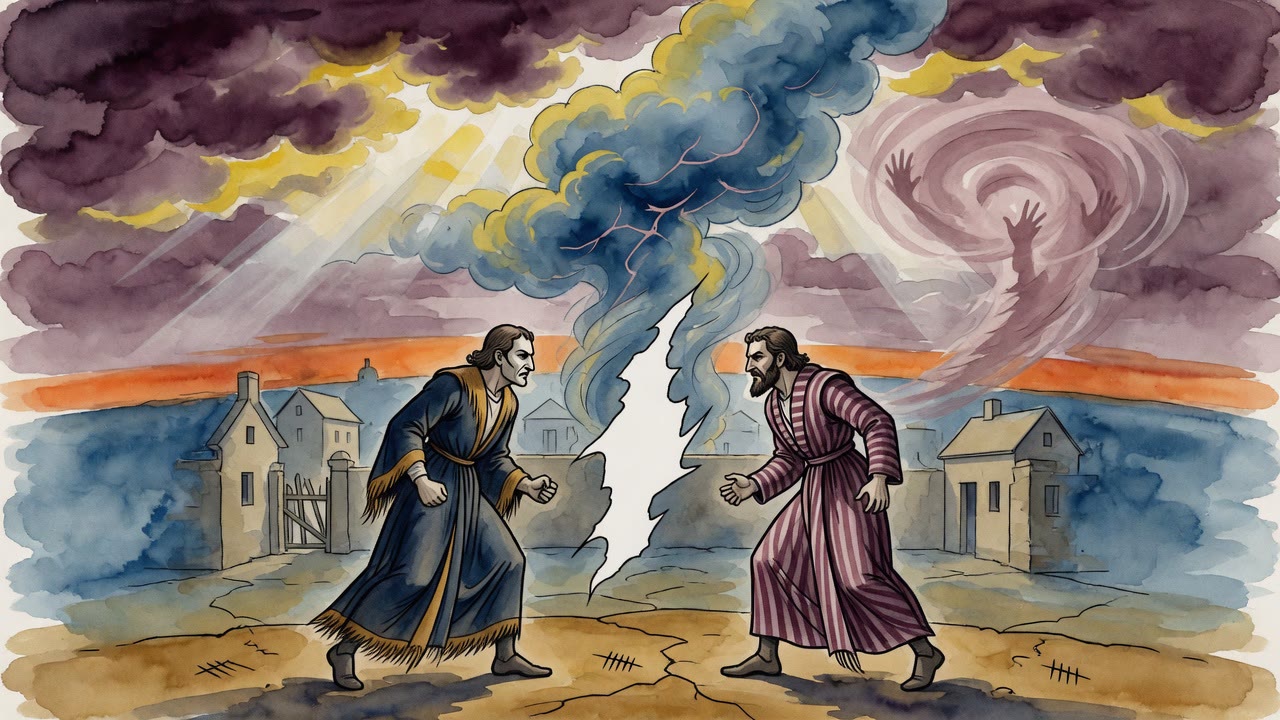
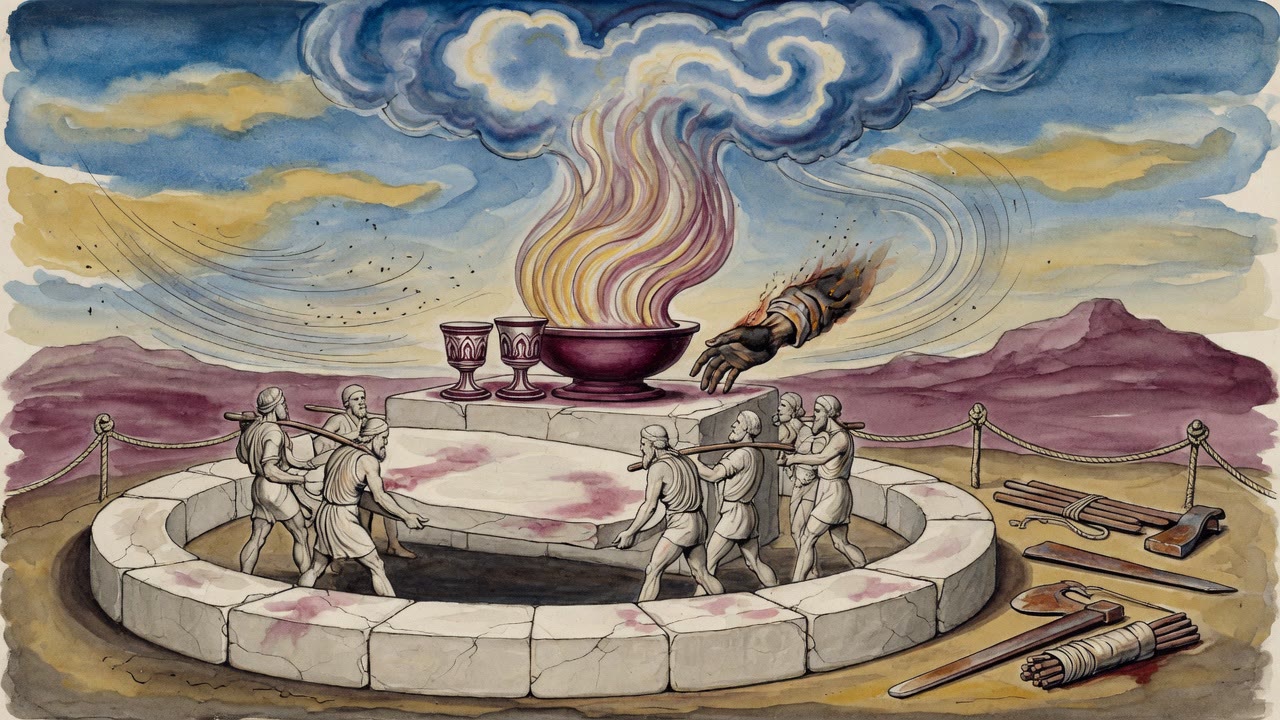
A man tossed a stone into a public road because the road was open and his arm was free. The stone found a skull. The skull stopped being a living plan. In a breath he became what the Torah calls a killer without murder, a person who must run, not because the court has finished with him, but because the blood-avenger has already started.
The roads to the six cities of refuge were the best roads in the land, wide and marked, with signs that said only one word: Refuge (Deuteronomy 19:3). No one fleeing for life should have to stop and ask directions. Two scholars could escort him so the avenger would not strike on the way. If the townspeople later wished to honor him, he had to answer plainly, "I am a manslayer." Honor does not erase blood. It only walks beside it.
Where the Stone Was Thrown
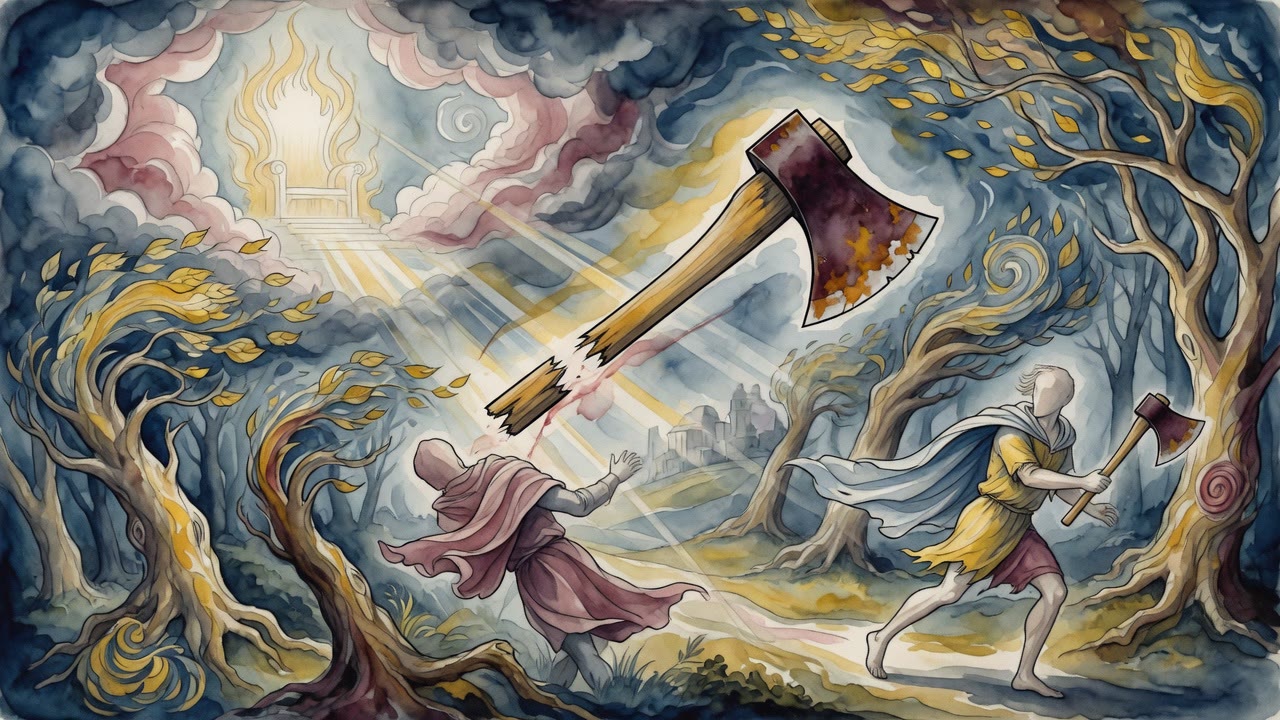
The sages measured exile by place and permission. Throw a stone where people pass, and you had no right to fill the air with danger. If the victim stuck out his head after the stone had already left the hand, Rabbi Eliezer ben Yaakov said the thrower goes free, for the death came from a sudden motion the thrower could not have planned. Kill in a private courtyard where the dead man had no right to enter, and there may be no exile at all. The forest case in Deuteronomy, two men going together to cut wood, belongs to a world both may enter. Refuge is for lawful shared space gone wrong, not for every death under every roof.
Abba Shaul drew another line. A father correcting a son, a teacher disciplining a pupil, a court officer doing duty: the law does not treat those strokes as the same optional throw that kills a stranger on the road. The body still falls. The verdict still weighs intention, place, and the kind of act that set the stone in motion.
Life Inside the Walls
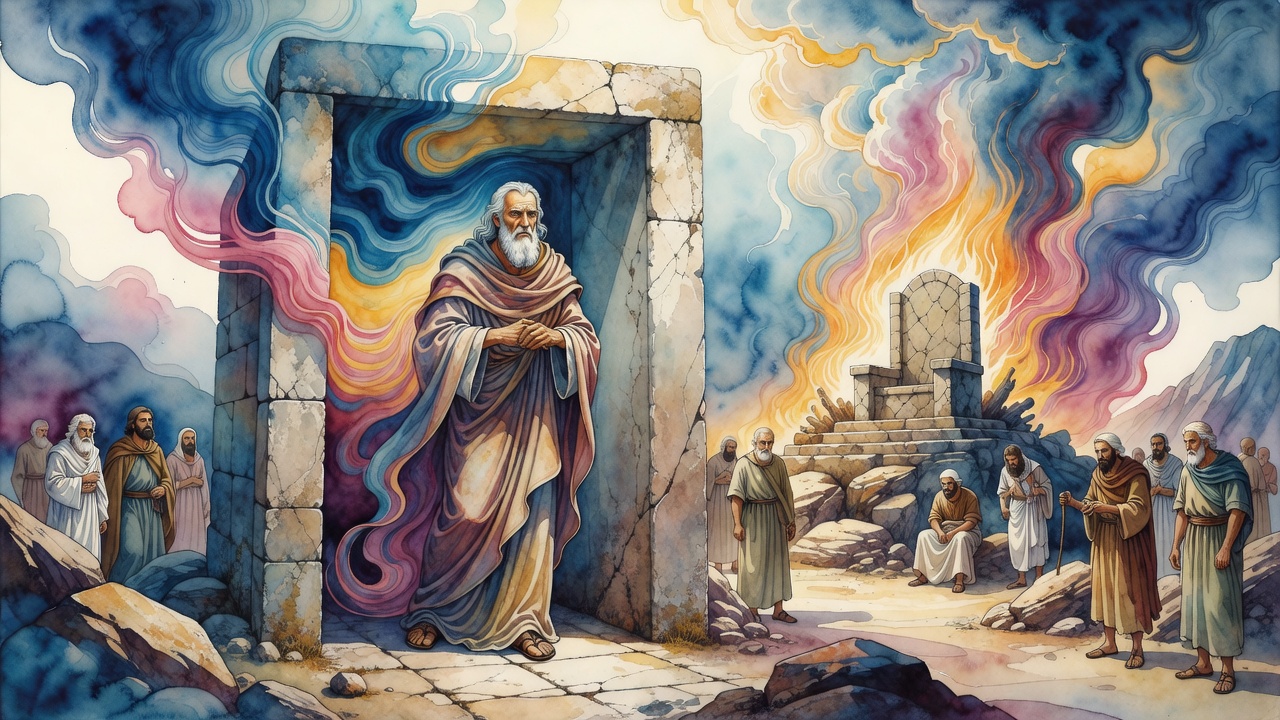
Inside the city of refuge the killer was untouchable. He worked, studied, slept. He could not leave to rescue a drowning man, to defend a town, or to hand out charity beyond the walls (Numbers 35:11-28). His sentence ended only when the high priest died. The moment that breath stopped, every accidental killer in every city of refuge walked free. Freedom, for them, was timed to another man's mortality.
That arrangement put a terrible prayer into the mouths of the exiles. They did not need to hate the high priest. They only needed to want home. Every evening in six cities, men who had not meant to kill still lived under a calendar that ended with a funeral they were not supposed to desire.
The Mother on the Road
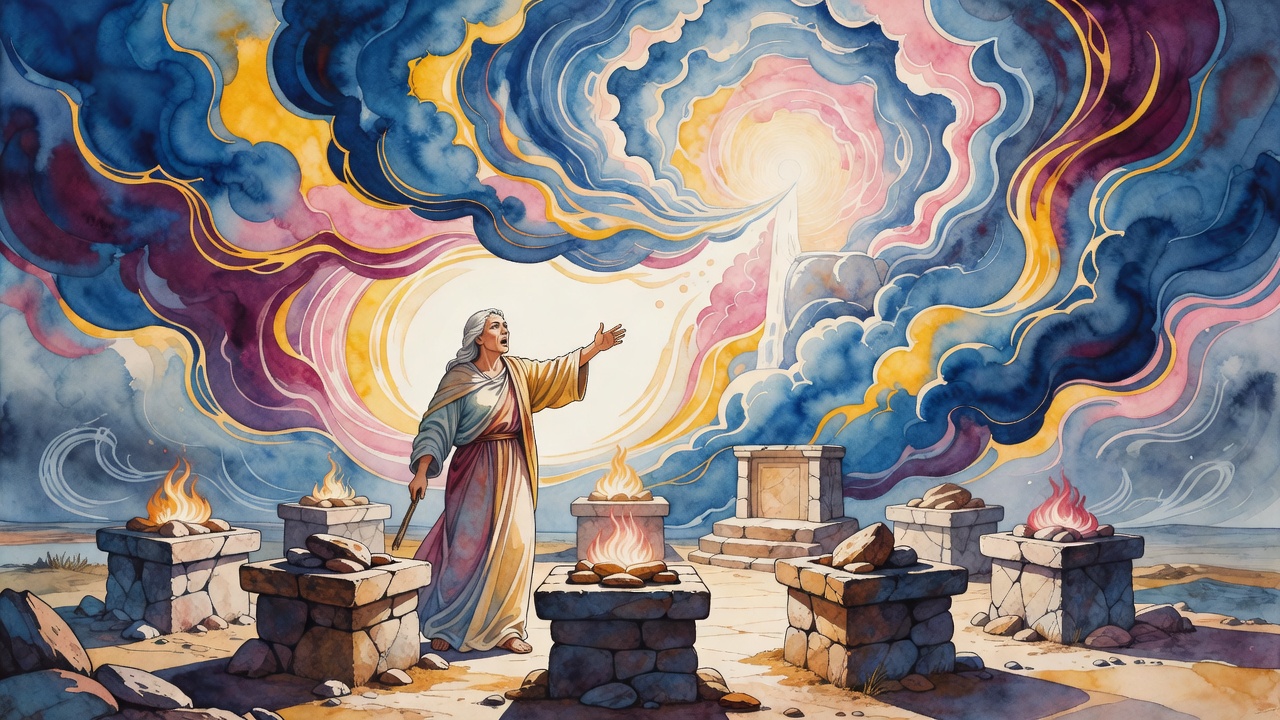
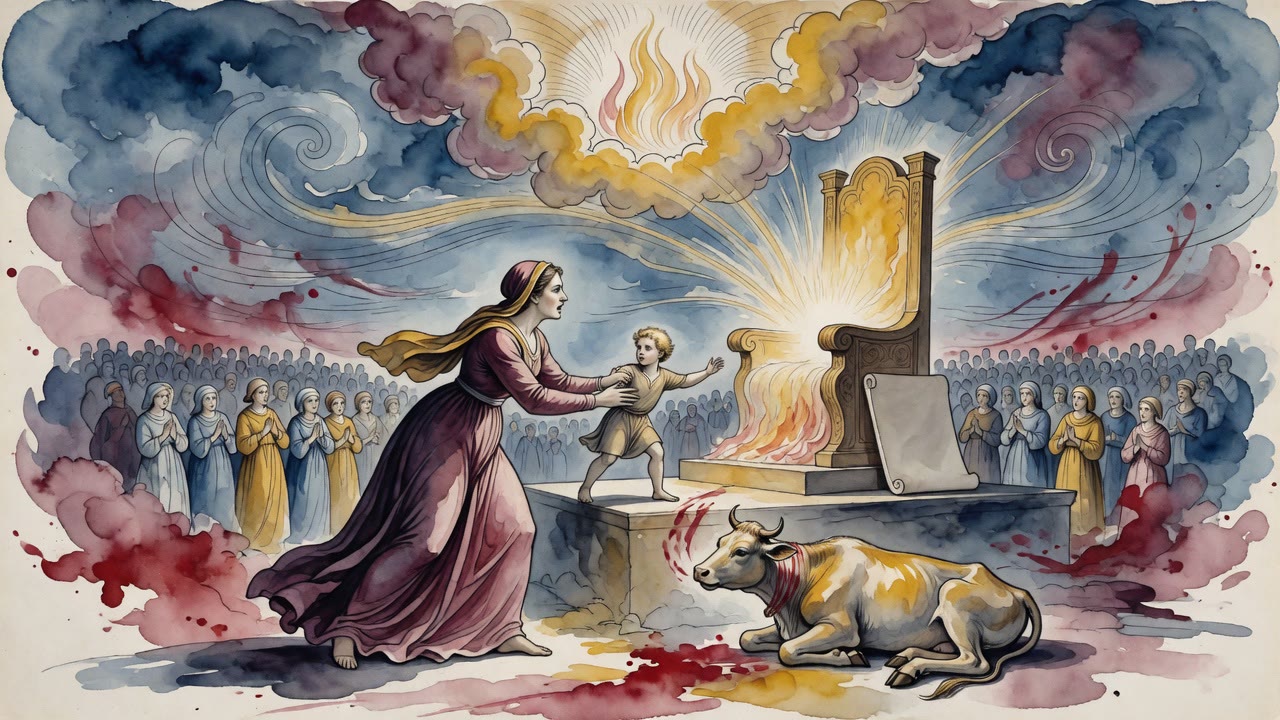
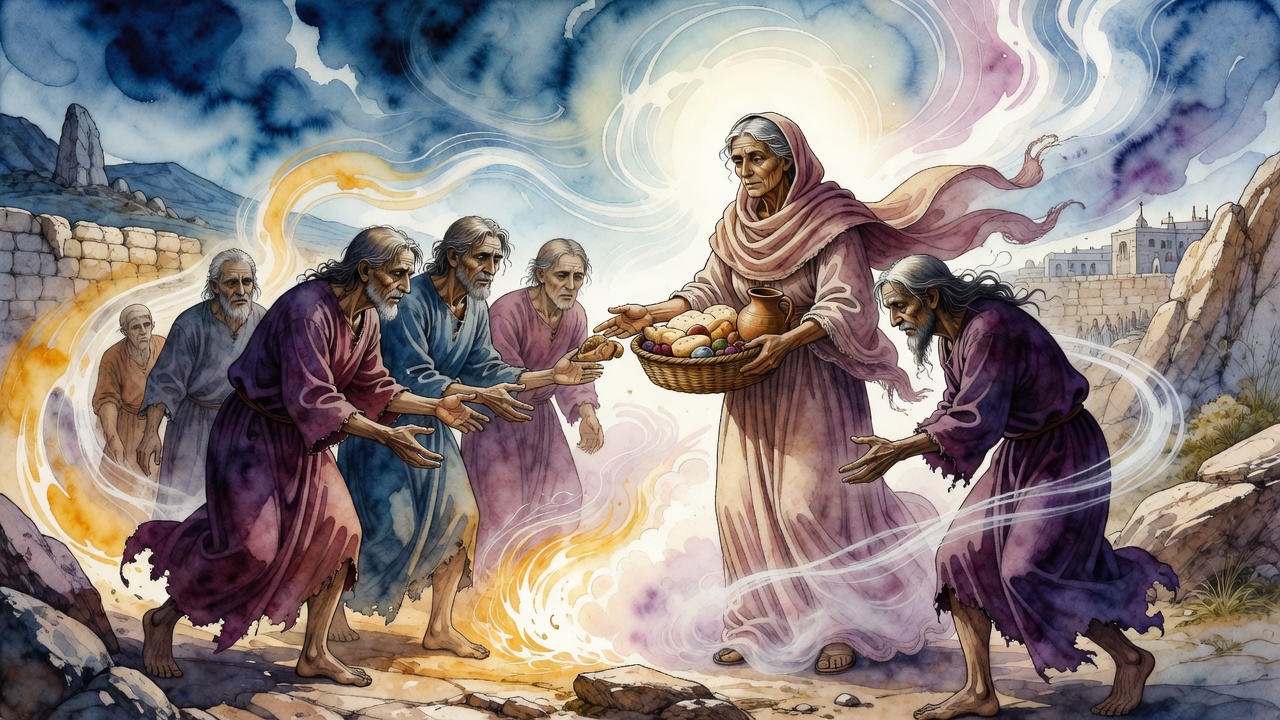
The mothers of the high priests understood the arithmetic. Every exiled killer was a silent request that their sons die. So the mothers did something the law never commanded and the heart still recognizes. They traveled to the cities of refuge with food, clothing, and gifts. They fed the men who waited for their children's deaths. They hoped, the Talmud says, that kindness would dull the edge of those prayers.
Did it work? One opinion held that a baseless curse shall not come. Another said the high priest still bore weight, because he should have prayed harder for his generation; had he prayed with enough force, accidental blood might never have stained the land. The system rested on a staggering claim: that an accidental killing pollutes so deeply that even the holy office is bound up with its repair.
Confession Before Honor
When the court later summoned the killer from refuge, the procedure was public and exact. He raced first to safety, then stood for judgment, then returned home, or was released, or was sent back to exile (Numbers 35:25). On the road he remained a man with a name and a crime. If praise rose toward him, he had to cut it down with four words: I am a manslayer. The high priest's mother, bringing bread, practiced a different honesty. She did not deny what her son represented to those men. She only refused to leave them hungry while they waited for a death that would free them and unmake her.
Between the thrown stone and the mother's basket the Torah builds a mercy that never pretends blood is cheap. Exile protects. Confession keeps memory honest. And a mother walks the hard road between her child's life and another family's ruined house, carrying food as if food could teach prayer to soften.
Picture the road from Jerusalem to a refuge city. Signs at the forks. Smooth stone under a running man's feet. Behind him a relative with a lawful claim to blood. Ahead, a gate that will close out the avenger and close the killer into years of waiting. Across that same road, later, a mother with baskets, bargaining not with judges but with other people's private prayers. The Torah built the first path. The mothers invented the second. Both are part of how Israel tried to keep accidental blood from becoming endless blood.
← All myths