Three Silent Days Turned a Neighbor Into a Foe
Two men stopped speaking. Three days of silence out of hatred, and the law no longer called their next collision an accident worth exile.
Table of Contents
 Click for full size
The Silence Began Over Bread
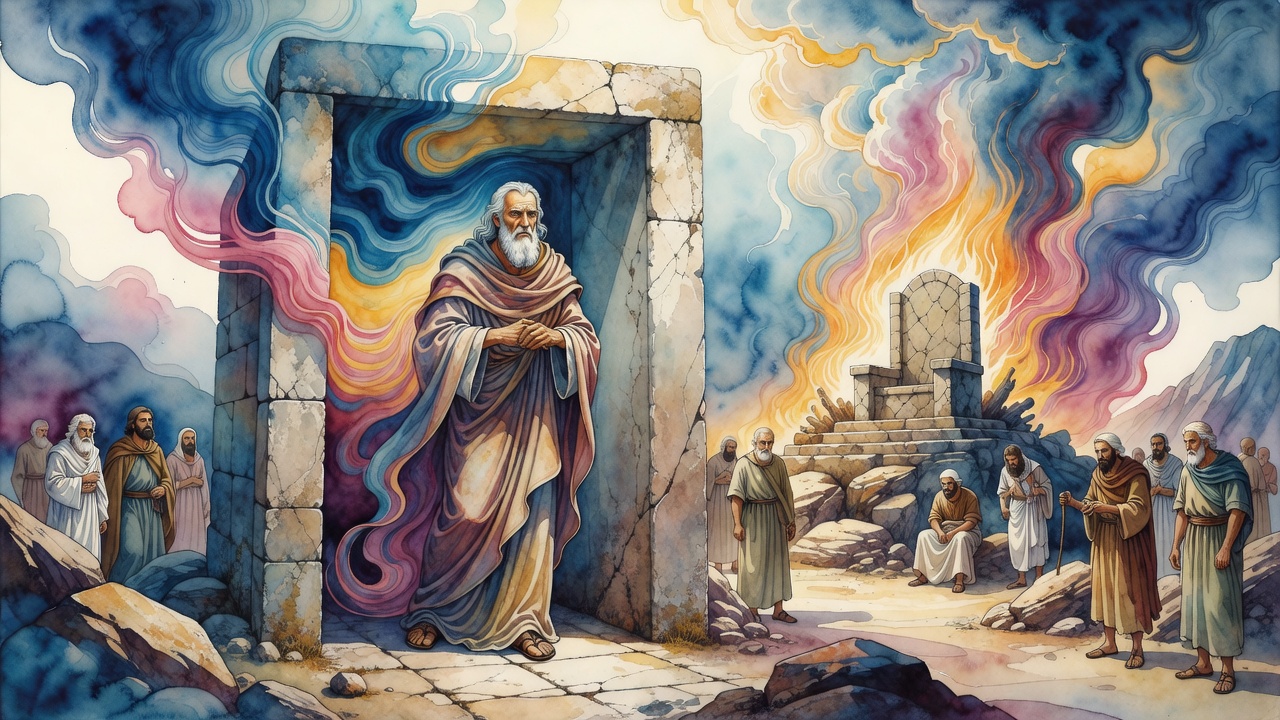
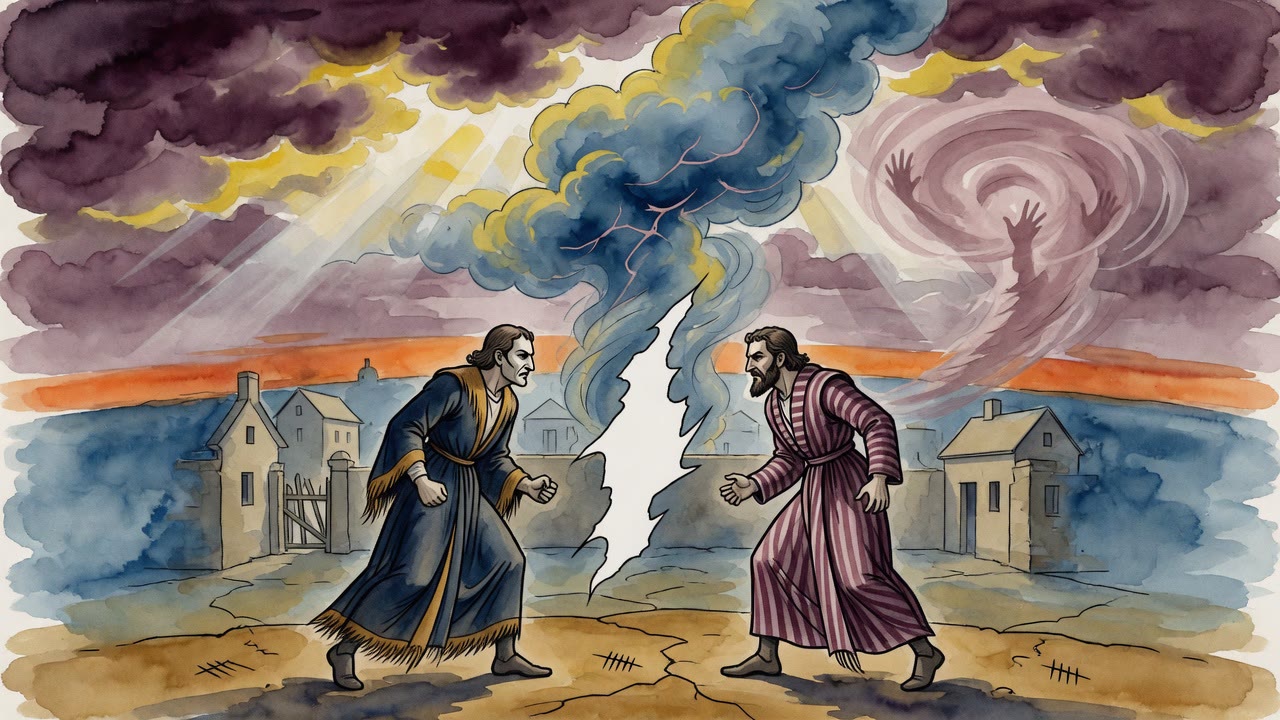
They shared a wall and a well. Then one morning the greeting failed. No shove, no curse, only a turned shoulder at the threshing floor while the oxen stamped. The second day the silence hardened into a habit the wives noticed and the children copied without understanding. On the third day Rabbi Yehudah's measure of a foe was complete: a man with whom you have not spoken for three days out of hatred.
The Torah's words "from yesterday and the day before" (Deuteronomy 19:4) sound like calendar chatter until a life hangs on them. Mitmol, two days. Shilshom, three. After that, the law stops calling you neighbors who stumbled. It starts calling you enemies who may not claim the soft road of exile. Bread left uneaten between houses becomes evidence. A nod refused in the market becomes a date the court can count.
A Forest That Still Looked Innocent
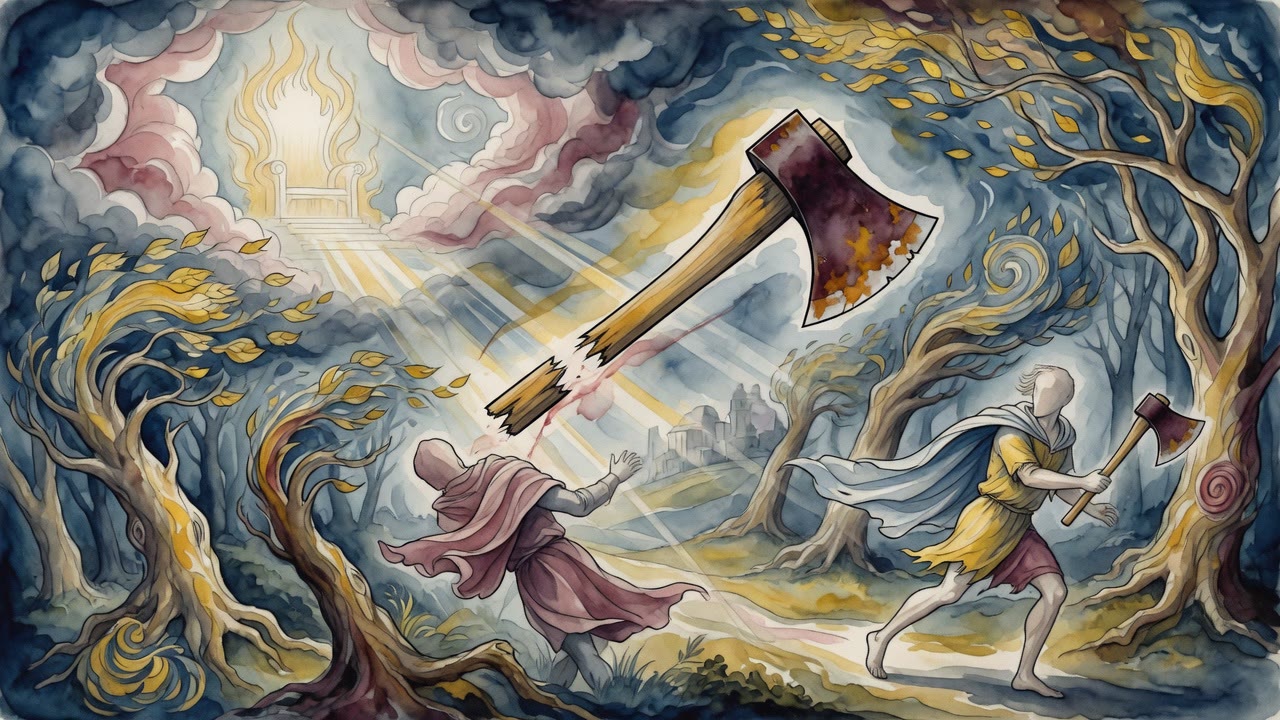
They went into the trees later that week for wood, each alone in his pride, each pretending the other was weather. An axe still rose. A head of iron still might fly. But if death came now, the city of refuge would close its mouth. "Not having hated him" is the key that turns. Had he hated him, he is not exiled. The phrase is short enough to cut a throat with.
The forest itself mattered. The sages said the place of the blow must be ground both men had a right to enter. A courtyard that belongs to one and forbids the other is not the same story. Permission to walk the land is part of innocence. Trespass muddies the blood. Still, even on open ground, three days of chosen silence can poison the claim. The trees do not care about greetings. The court does.
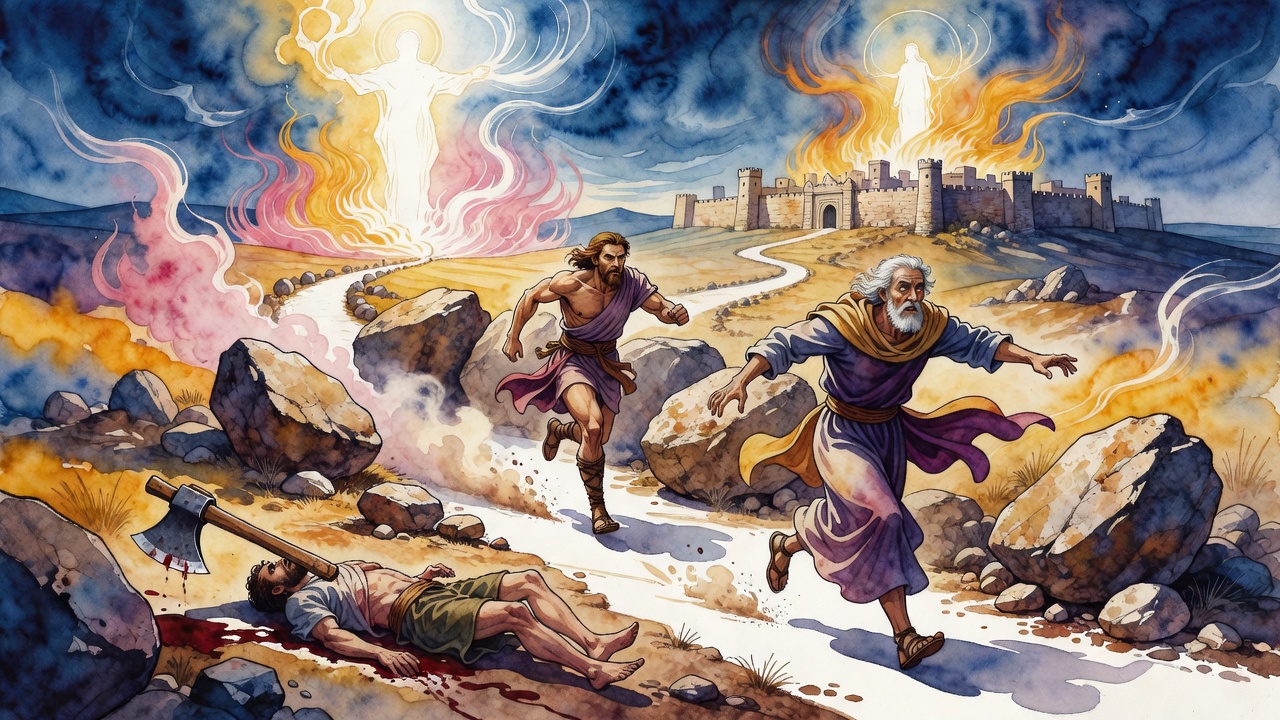
When the body fell among roots, the living man stared at his hands and then at the path toward the marked road. He told himself it was still an accident. The silence of the three days stood behind him like a second witness.
The Court Looks Backward
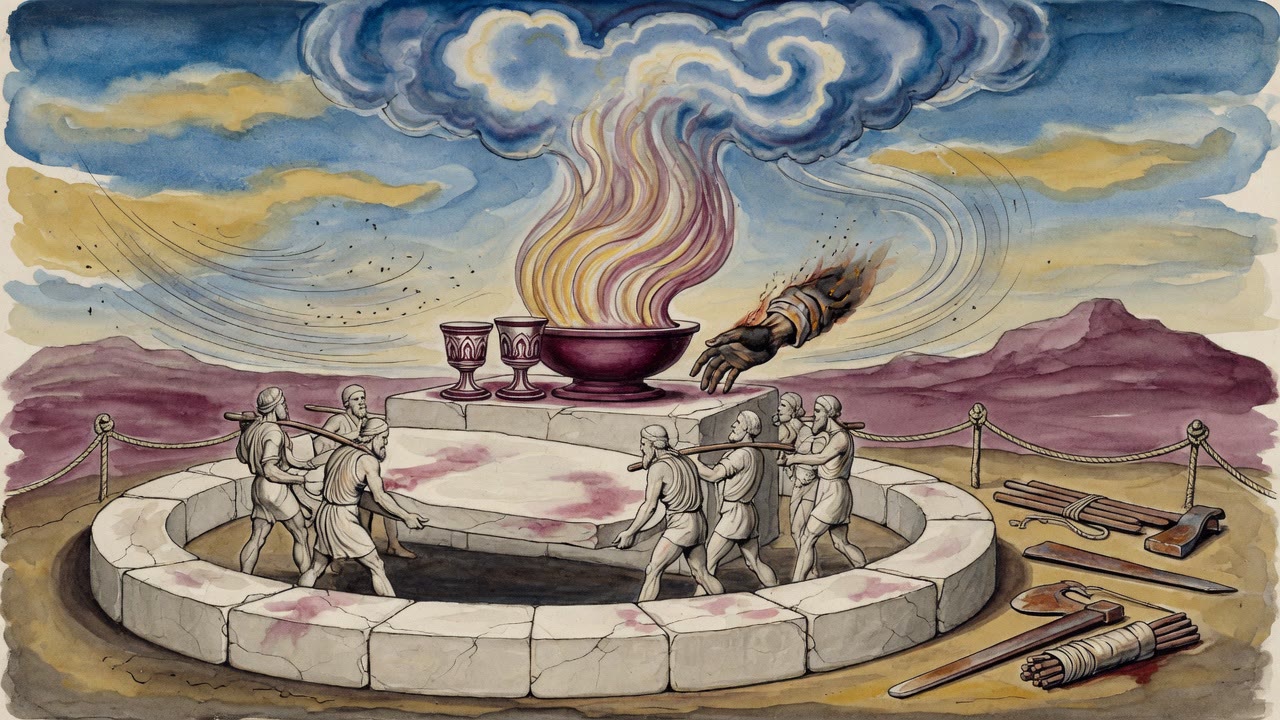
When the body was carried in, witnesses would not only ask how the iron flew. They would ask about bread withheld, greetings refused, and market stalls avoided. Beth-din is exhorted to guard this line. A command goes out so judges do not confuse grief with accident. The man who flees thinking any wall will save him discovers that hate has already closed the gate from the inside.
Light commandments fail first, the chain teaches. Fail to love a neighbor, and hatred arrives. Fail to refuse revenge, and a grudge sets its teeth. Fail to keep a brother alive beside you, and blood waits at the end of the road. Three silent days are not the end of that chain. They are the rung where the law still has time to name the danger before the ambush forms. A turned face is already halfway to a raised hand.
He Ran Anyway
Panic does not read midrash. He ran for the marked road, for stations, for the city aligned with its sisters like vines. Dust filled his throat. At the gate he tried the confession that works for the clean of heart. "I am a slayer." The elders of his own city would send for him if the hatred were proven. They would take him from there, because the refuge was never meant to shelter the man who planned or nursed a death.
Some killers flee thinking the cities shield the witting as well as the unwitting. The tradition remembers that mistake. One liable to death is taken and judged. One not liable is rescued. One liable only to exile is returned to the city that holds him. The man of three silent days does not fit the softest box. His feet know the road. The law does not owe him the road's mercy.
There, for those who qualify, dwelling and death and burial braid into one place. He wanted that braid. The three days had cut him free of it.
What the Silence Bought
Back home, the living neighbor's family counted days too. They remembered the unreturned greeting more clearly than the sound of the axe. Hatred had been cheap at first, a luxury of pride after a quarrel over a borrowed tool or a line in a field. It became a ledger the court could open. The dead man's blood did not need a conspiracy theory. It needed only the calendar of a quarrel.
The survivor, if the court named him foe, faced a harder world than exile. No high priest's death would unlock a door for him. No promise that there he would dwell offered a long penance in safety. The silence he chose as weapon returned as sentence. Wives who had urged peace too late sat with cold food. Children learned that a house can go quiet before a man goes violent.
Three days. A turned face. A law that refuses to pretend neighbors were still brothers when the iron flew. The midrash does not romanticize the count. It weaponizes it for justice, so that accidental death and cultivated hate never wear the same cloak at the gate.
← All myths