The Humblest Man Pitched His Tent Outside the Camp
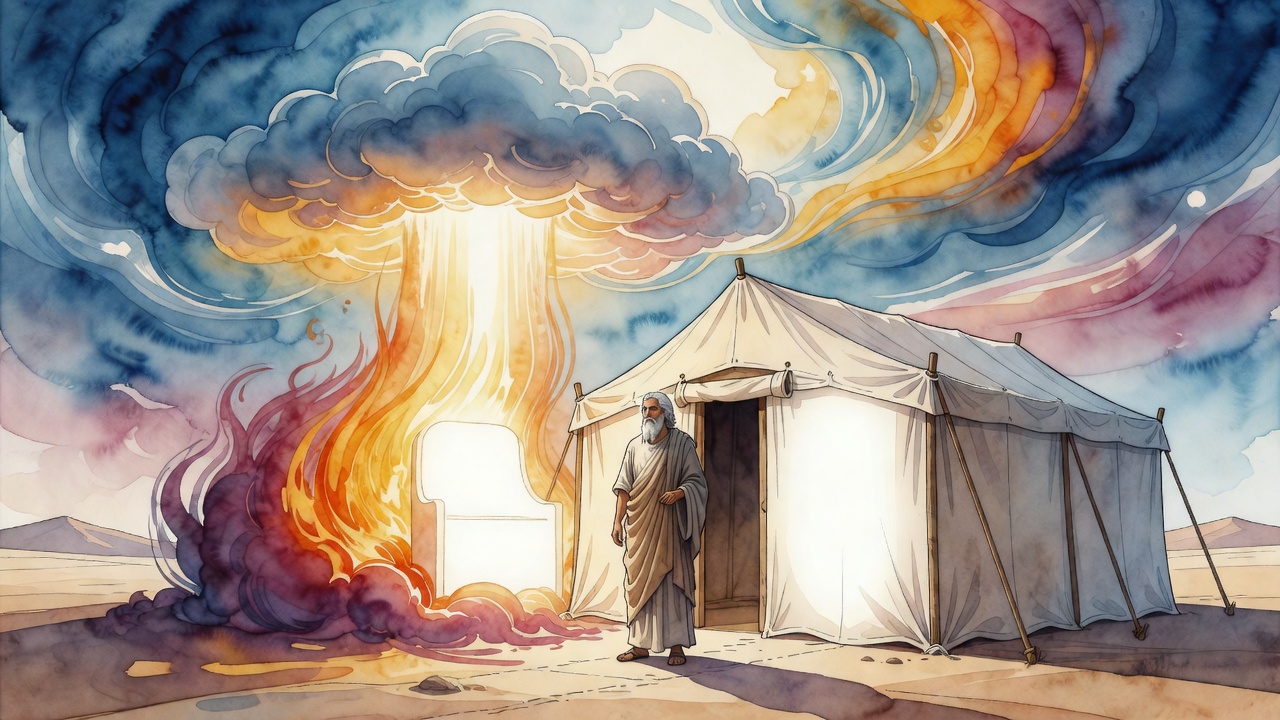
Moses set the Tent of Meeting outside the camp, and the seraphim, sun, and stars lined up to visit. God told him to come back to his people.
Table of Contents
 Click for full size
Two commandments handed to a people with no merit
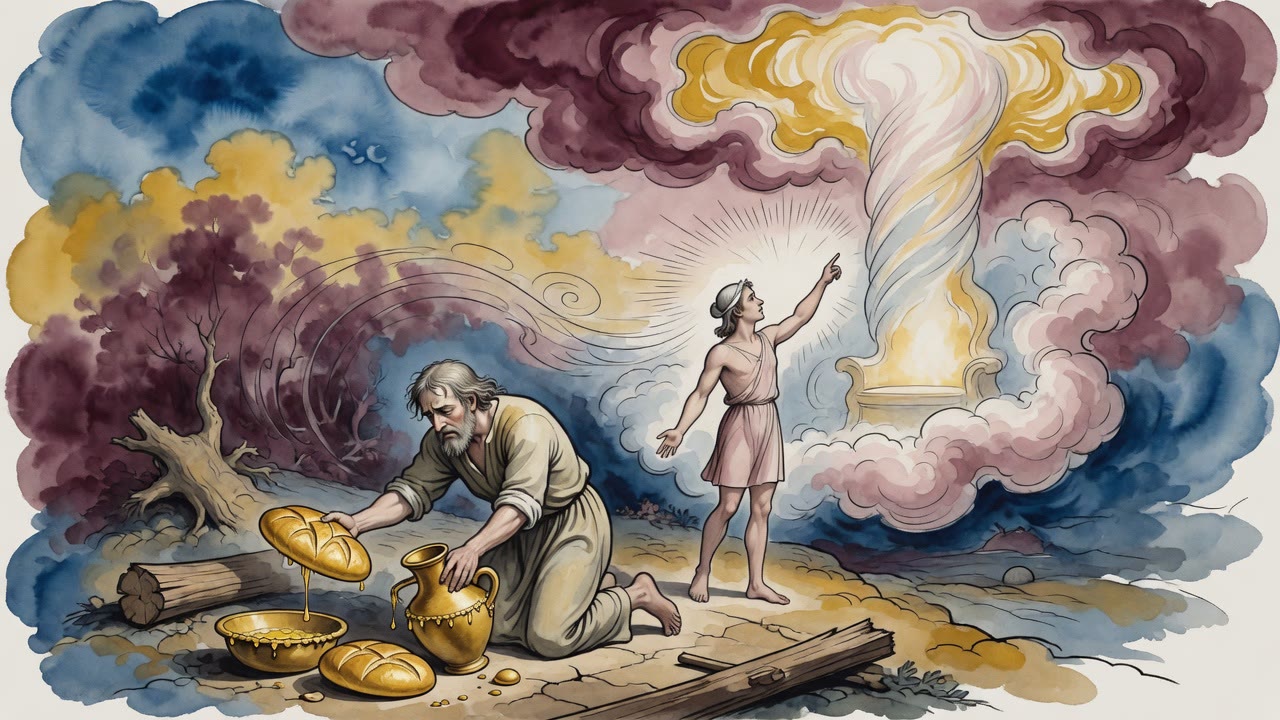
The Israelites walked out of Egypt with two commandments stuffed in their hands. Not the Ten. Not the full body of the law. Two: the Passover lamb and the circumcision knife. The tradition Louis Ginzberg assembled from rabbinic sources is unsentimental about why. They had no merit of their own. They had been slaves for four hundred years, which is a condition that does not generate the kind of spiritual resume that earns divine rescue.
So God handed them two observances as a way to earn what they were already being given. Eat the lamb. Circumcise the men. Now you have something to your credit. Now the rescue has a pretext that the heavenly books can record as valid.
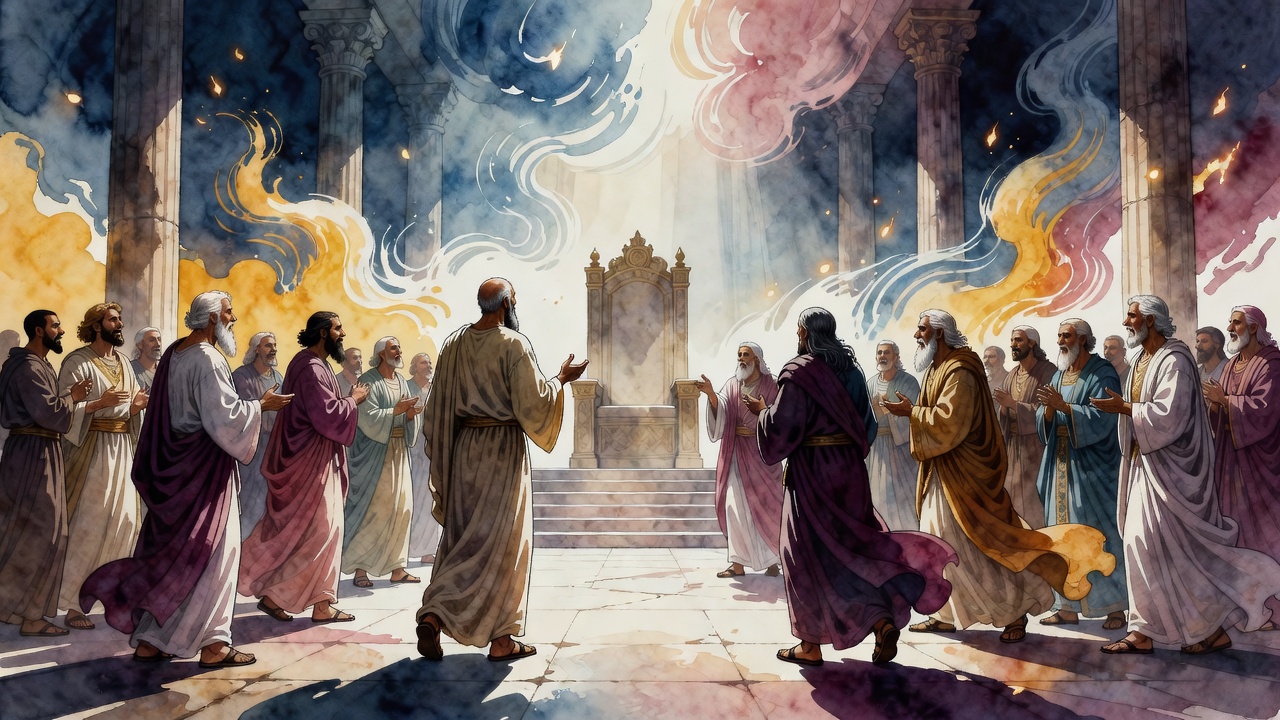
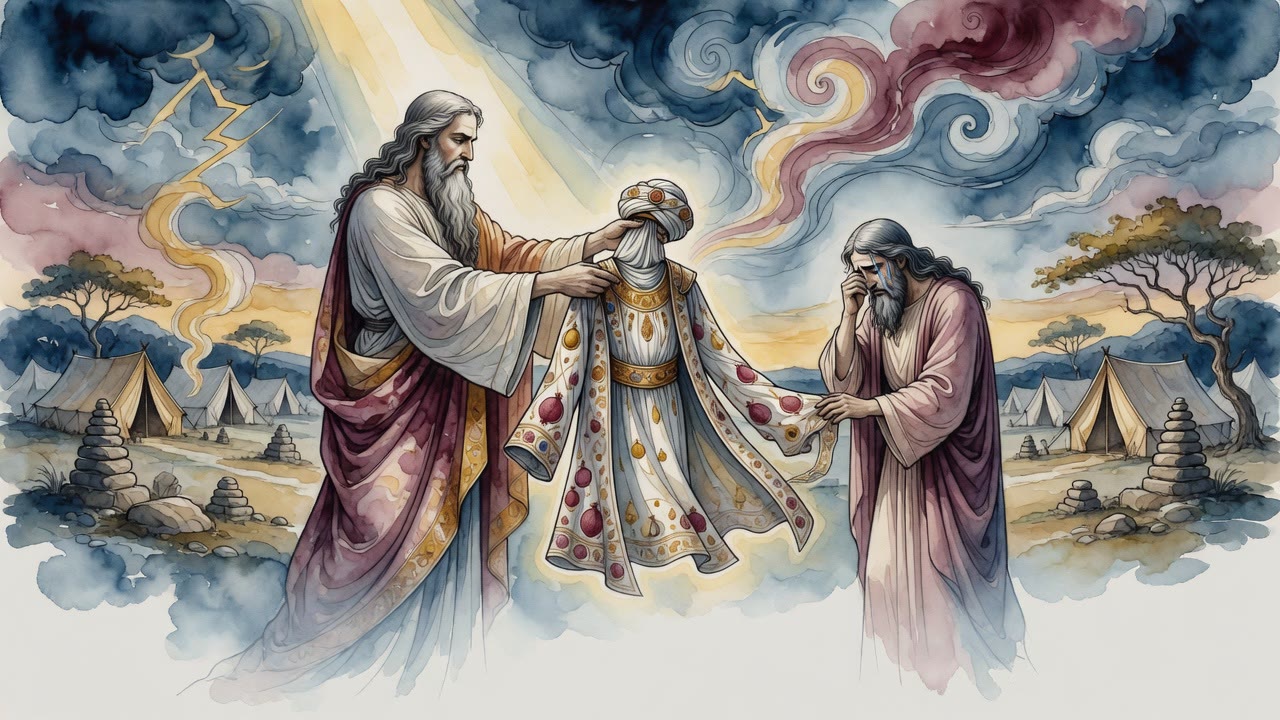
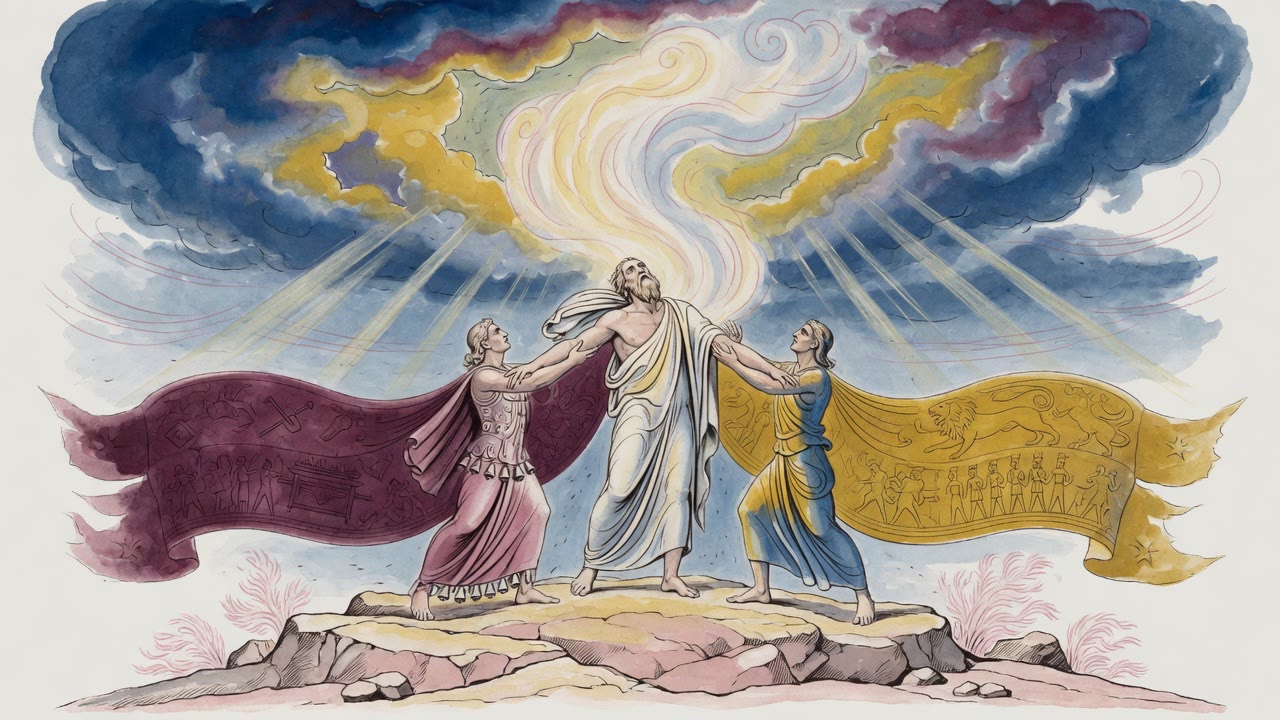
Even Moses had gaps. The rabbis that Ginzberg follows say he could not work the calendar. He could not picture the menorah (the lampstand). He could not distinguish kosher from tref by looking. God had to appear in a fringed garment, place Moses at the right hand and Aaron at the left, and call Michael and Gabriel as witnesses just to teach a man how to spot the new moon.
A man who knew how little he knew
That portrait of Moses, confused about the calendar, unable to build the menorah from memory, dependent on divine demonstration for things an ordinary priest would know, only makes sense once you accept what the Ginzberg legends insist on. Moses was humble not as a spiritual pose but as an accurate assessment of where he stood. He had been beside the angels. He had heard the voice that made the mountain smoke. He had seen what a perfect understanding of the divine looked like from the outside, and he knew, with the precision of a man who has compared himself to the genuine article, exactly how far short he fell.
The humblest man on earth was not humble because he thought nothing of himself. He was humble because he thought everything of what he had witnessed, and the comparison was not flattering.
The tent at the edge of the camp
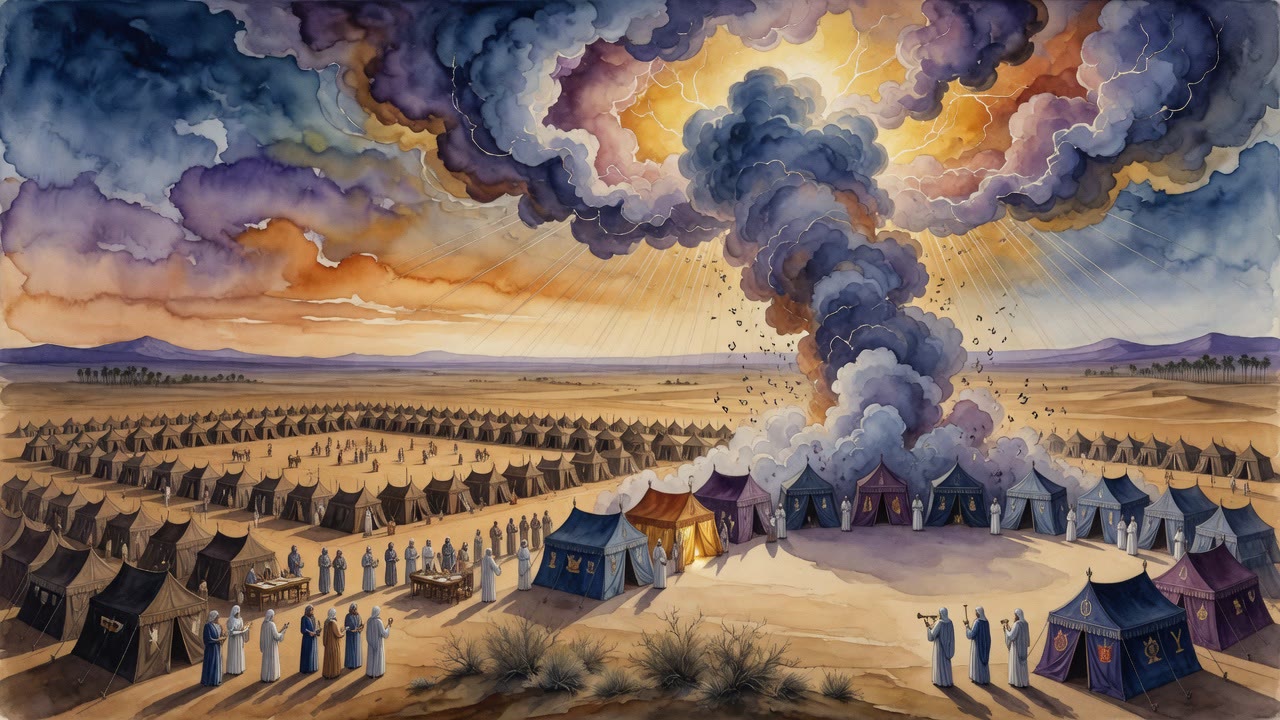
After the Golden Calf, Moses took the Tent of Meeting, the place of divine encounter, and moved it outside the camp. Away from the people who had just built an idol while he was on the mountain. Away from the noise and the smoke and the celebratory dancing. He pitched it at a distance, and he went there to speak with God.
What happened next was not what he expected. The Tent of Meeting, now a kilometer or more from the camp, became the most crowded place in the desert. Seraphim lined up outside it. The sun filed in. The moon, the stars, and the planets took their places in an orderly queue. Every heavenly being that had previously sought the Divine Presence had to come to this particular tent, in the middle of nowhere, because that was where the presence was concentrated.
Moses had separated himself from the people in grief and anger. He had inadvertently assembled a congregation that filled the sky.
God told him to come back
God's instruction, in the version the tradition preserved, was not congratulatory. You have moved the tent to the edge. You have drawn every heavenly being to the edge with it. Now bring it back.
The argument God made, in the rabbinic retelling, was the same argument that runs through the whole of Moses's leadership. The people need you near them. Not because they deserve it. Not because they have been good enough to warrant it. Bring the tent into their midst and stand among them, because a leader who pitches his shelter beyond the cooking fires has already abandoned the people he leads. The humblest man on earth was also the man most needed in the middle of the camp, not at the edge of it, and the humility that drove him to the edge was also the quality that made God keep sending him back.
Moses moved the tent back. The seraphim and the stars and the sun and the moon came with it. The camp was suddenly a place where heaven was present again, because the man who carried the relationship was present.
← All myths