6 min read

The Hunted Teacher Who Sang a Messiah Out of the Storm

Hunted and betrayed, the Teacher of Righteousness sings a Wonderful Counselor out of the gates of Sheol (the underworld) and rises from clay among the angels.

Curated by Arthur · Told by Maggid ·
Table of Contents
  1. The Hunted Man in the Cave by the Salt Sea
  2. The Fountain Opened in a Creature of Clay
  3. The Woman Laboring at the Gates of Sheol
  4. The Wonderful Counselor Torn Out of the Storm
  5. From Mud to the Assembly of the Holy Ones

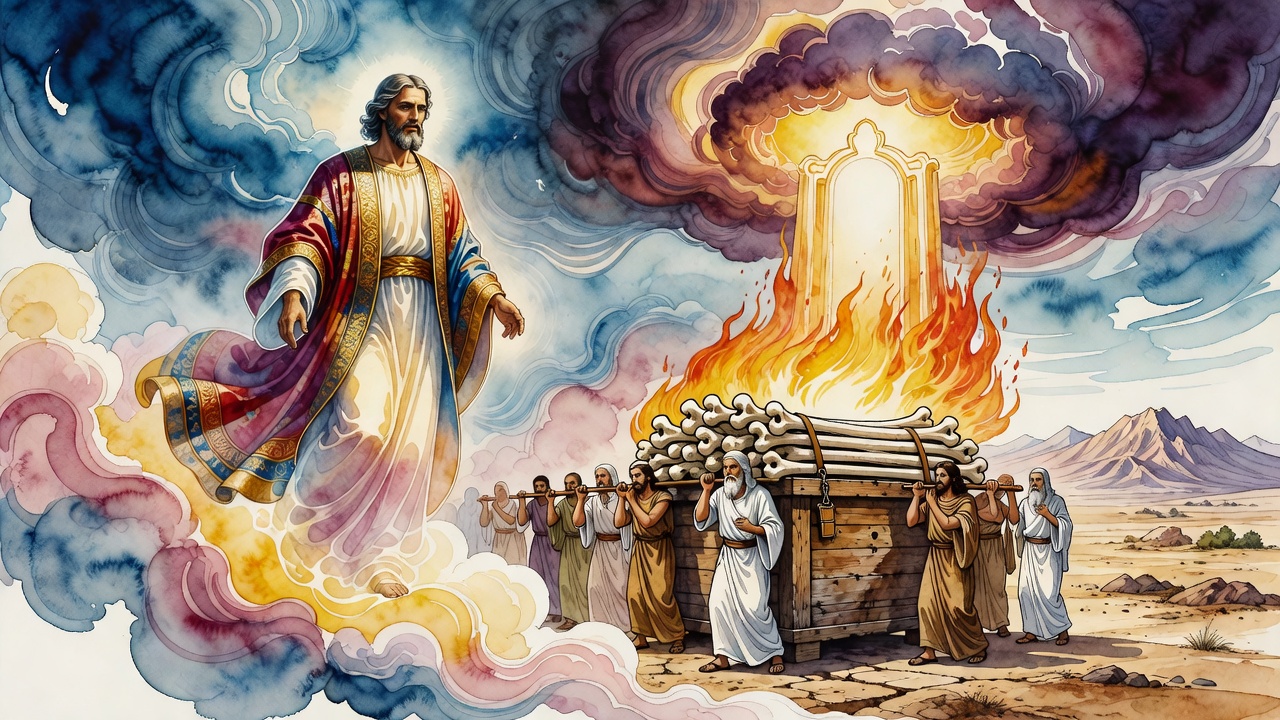
He had not slept. Outside the cave the salt sea lay flat and dead under the stars, and somewhere behind him, across the marl and the dry wadis, the men who wanted him dead were still moving. They had a name for the one who led them. The scrolls called him the Liar. Some nights the Teacher called him the Scoffer, and spat into the dark.
The Hunted Teacher Who Sang a Messiah Out of the Storm Click for full size

The Hunted Man in the Cave by the Salt Sea

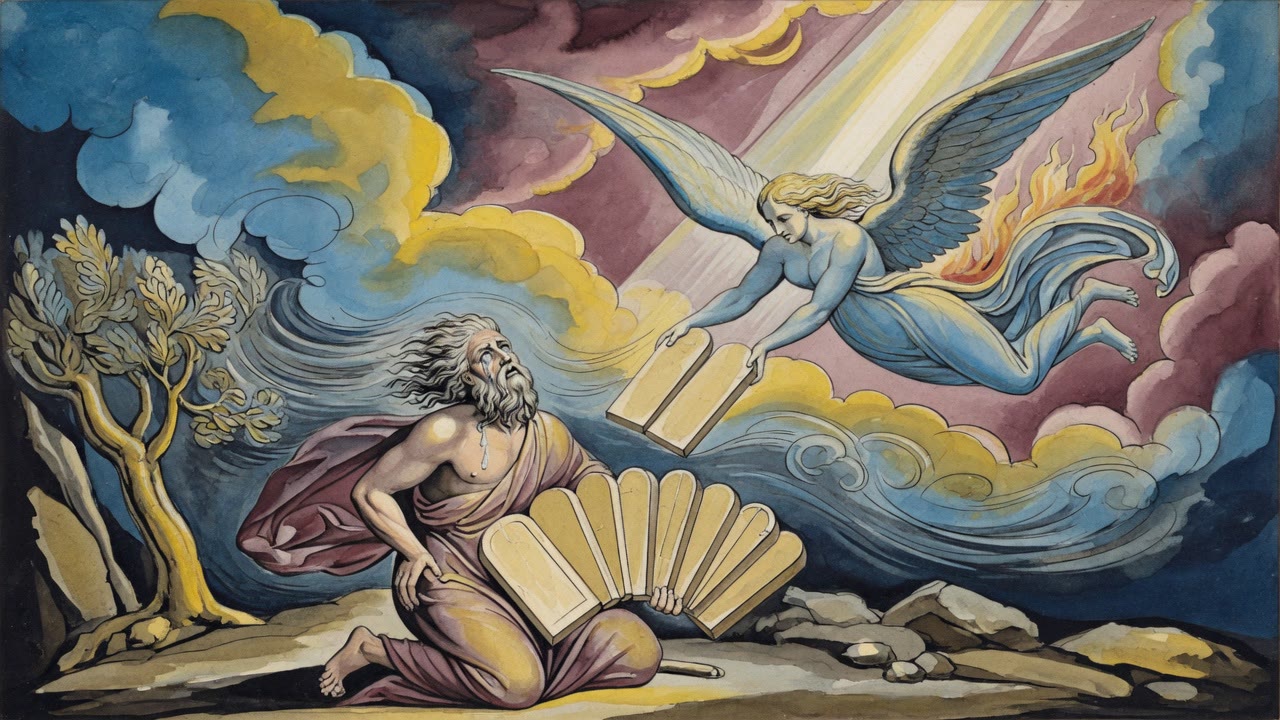
The Teacher of Righteousness crouched over a scrap of skin and wrote by the last of his lamp. His own community had turned him out. Friends who once ate at his table had gone over to the Liar and now recited slander against him in the assemblies. He was a leader with no one left to lead, a man who had built a house of study and been driven from its door. And still, out of that dryness, he sang.

The Fountain Opened in a Creature of Clay

"You have placed me as a banner for the righteous elect," he wrote, "and as an interpreter of knowledge in wonderful mysteries." He meant it without pride. He believed God had opened inside him a fountain of knowledge, a spring that ran with the hidden plan of creation, the fixed course of every age, the shape of the heavenly world. No other man alive held what he held. The secrets had been whispered to him and to no one else.

The same hand wrote the opposite in the next breath. "What is flesh that it should understand these things? What is a creature of dust that it should be granted such insight?" He knew the answer to his own question. He was clay. He was mud pinched into a shape and left to dry. He was food already promised to the worm. The wonder was not that he suffered. The wonder was that eternal truth had been poured into a cracked and leaking vessel, and the vessel had not shattered.

The Woman Laboring at the Gates of Sheol

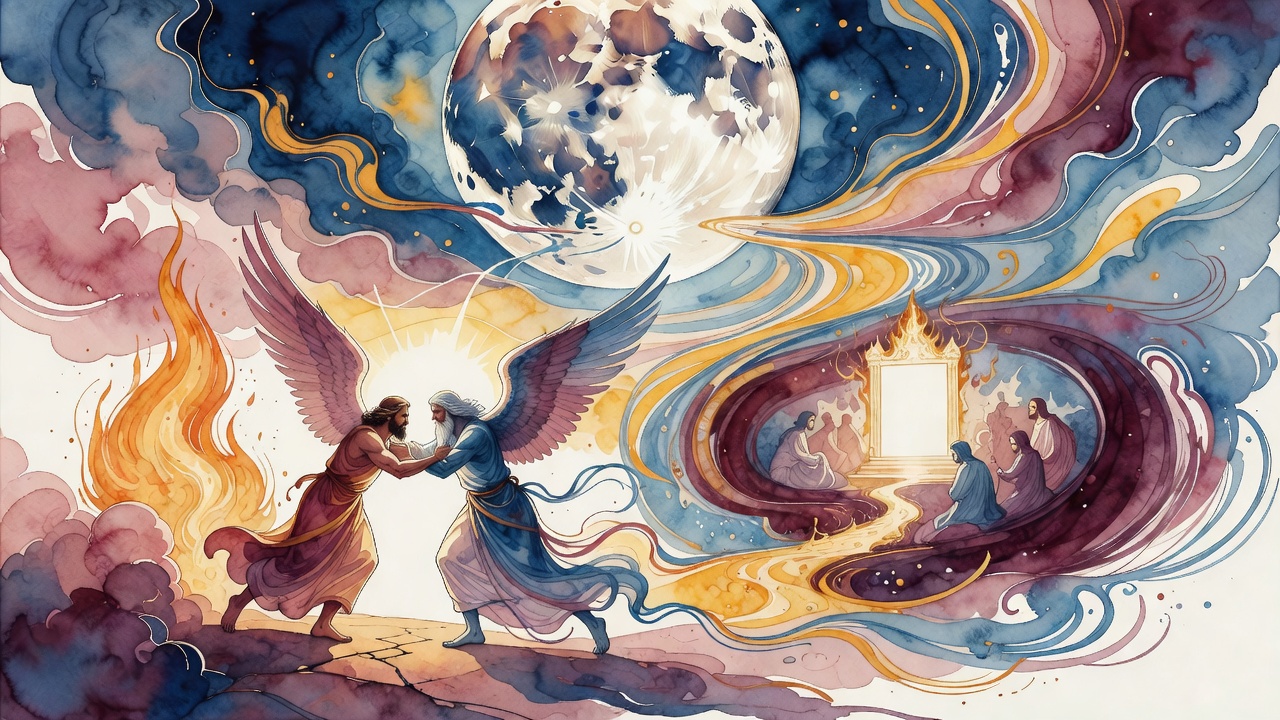
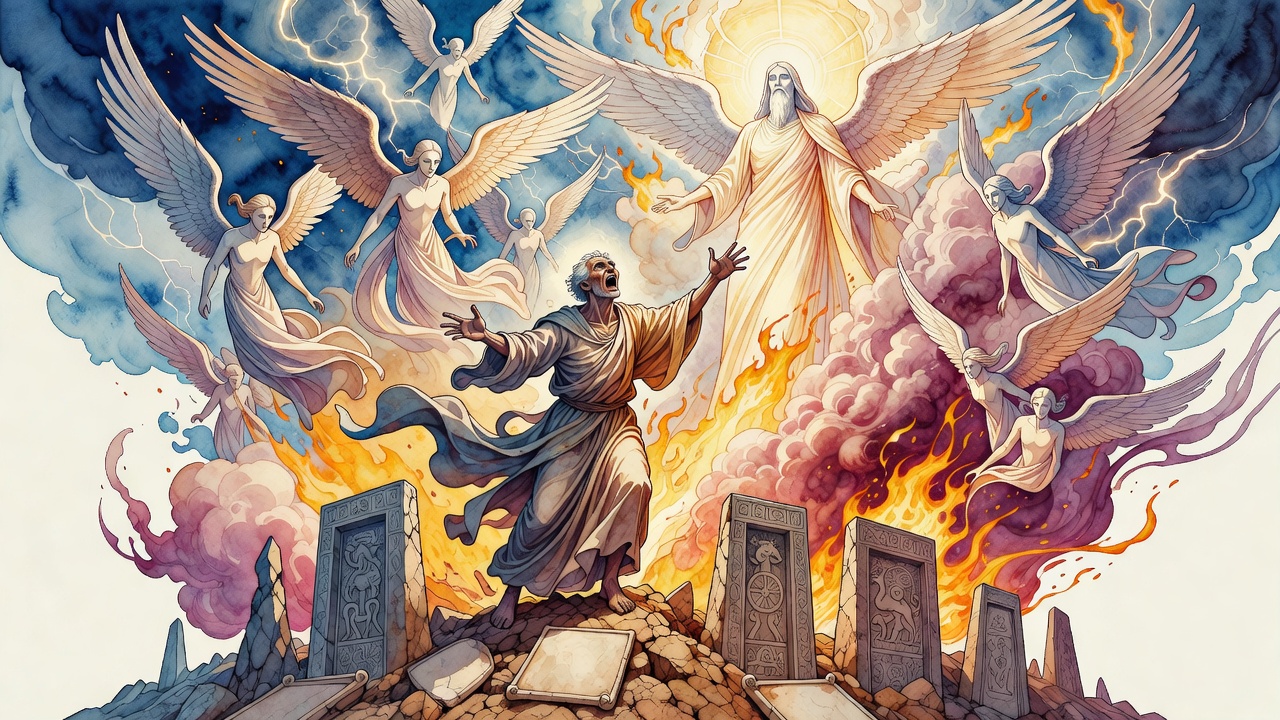
Then the vision took him, and the cave seemed to shake with it. The gates of Sheol (the underworld of the dead) swung open. The snares of the Pit spread wide across the ground like nets thrown by unseen hands. The earth shuddered. Deep in its footings the foundations of the wall cracked and groaned. And in the middle of that ruin stood a woman, and she was in labor.

"She who is pregnant with a man is afflicted in her pangs," he sang, and the words came slow, torn out of him. She writhed at the very lip of death. Waves of destruction beat against her like the sea against a breaking hull. Mazzikim crowded close to the birth, drawn to the blood and the screaming, waiting to swallow whatever came out of her. The whole created order convulsed around one woman's body straining to give something up. This was no gentle deliverance. Redemption, in the world the Teacher saw, did not arrive soft. It clawed its way in through agony.

The Wonderful Counselor Torn Out of the Storm

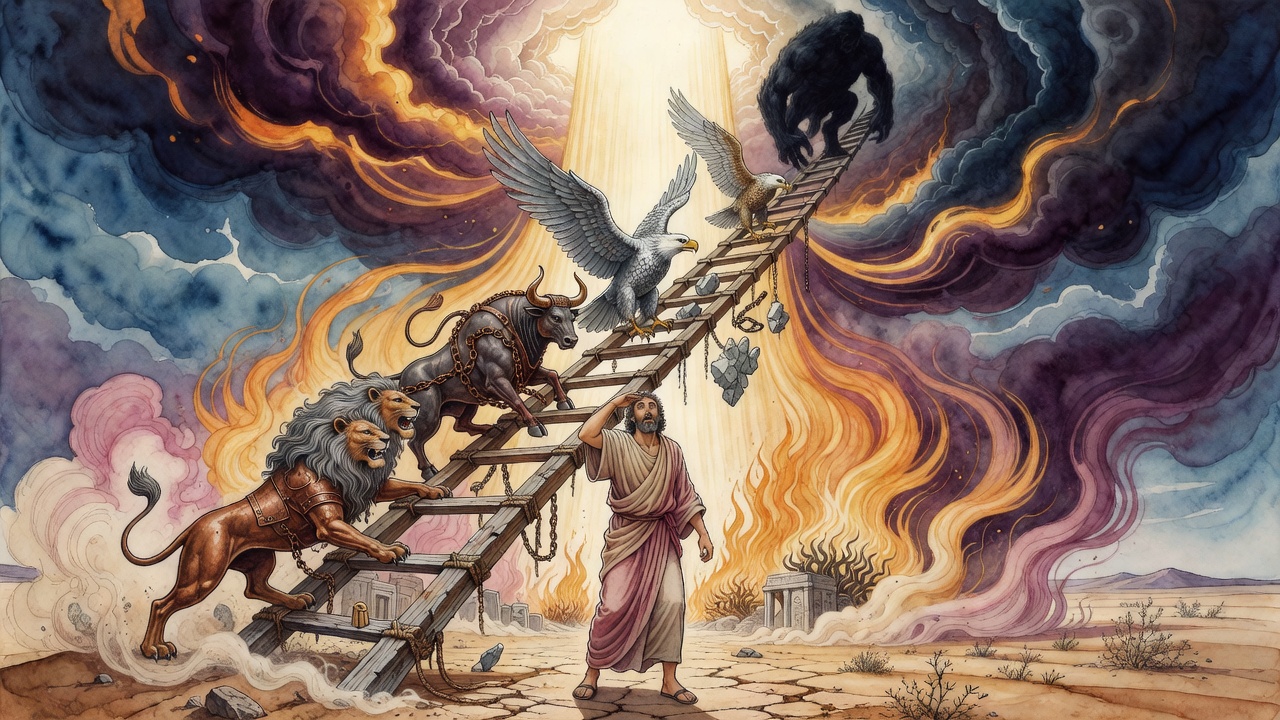
And the child came. The Teacher named him the way the old prophet had named him. A Wonderful Counselor, Pele Yoetz, a child of power delivered at the gates of death while the earth broke apart. Whether the laboring woman was the community itself, groaning the age of redemption out of its own suffering, or a mother of heaven bearing a deliverer into the storm, the Teacher did not stop to explain. He only saw the shape wrenched free of the pangs, alive, wonderful, born into catastrophe and not undone by it. The gates of Sheol (the underworld of the dead) had opened to devour. Instead they gave up a child.

From Mud to the Assembly of the Holy Ones

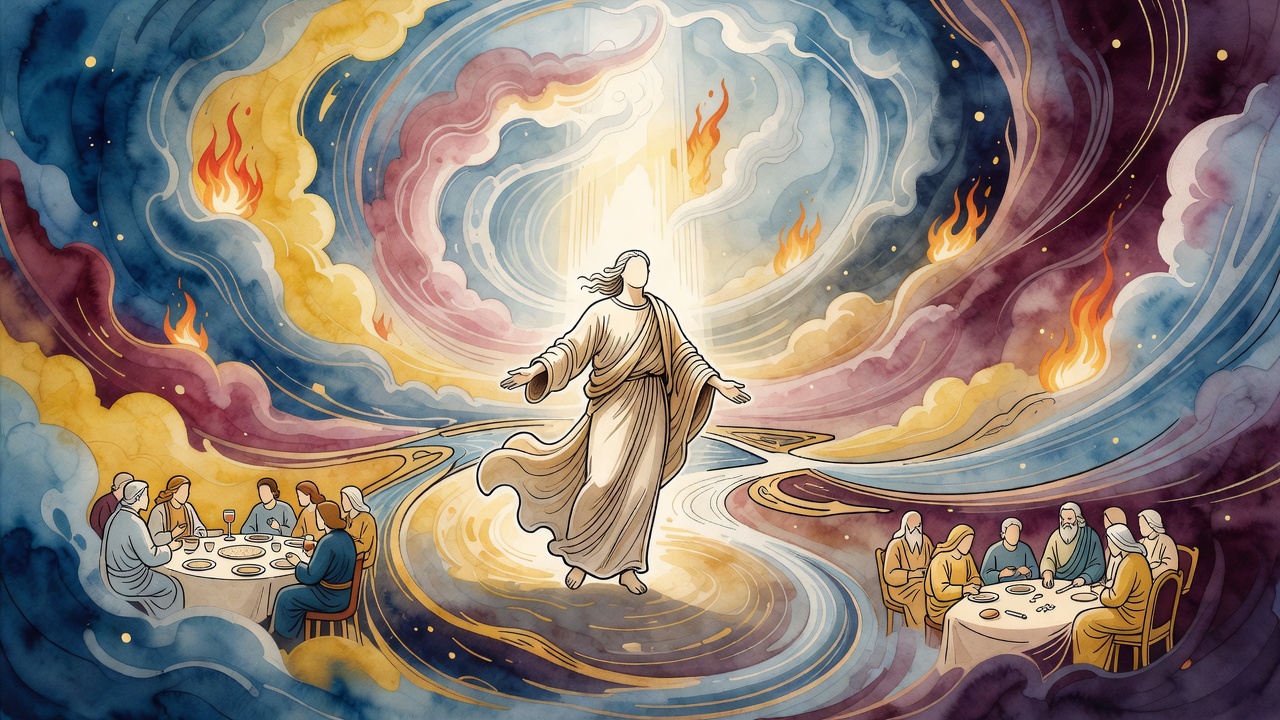
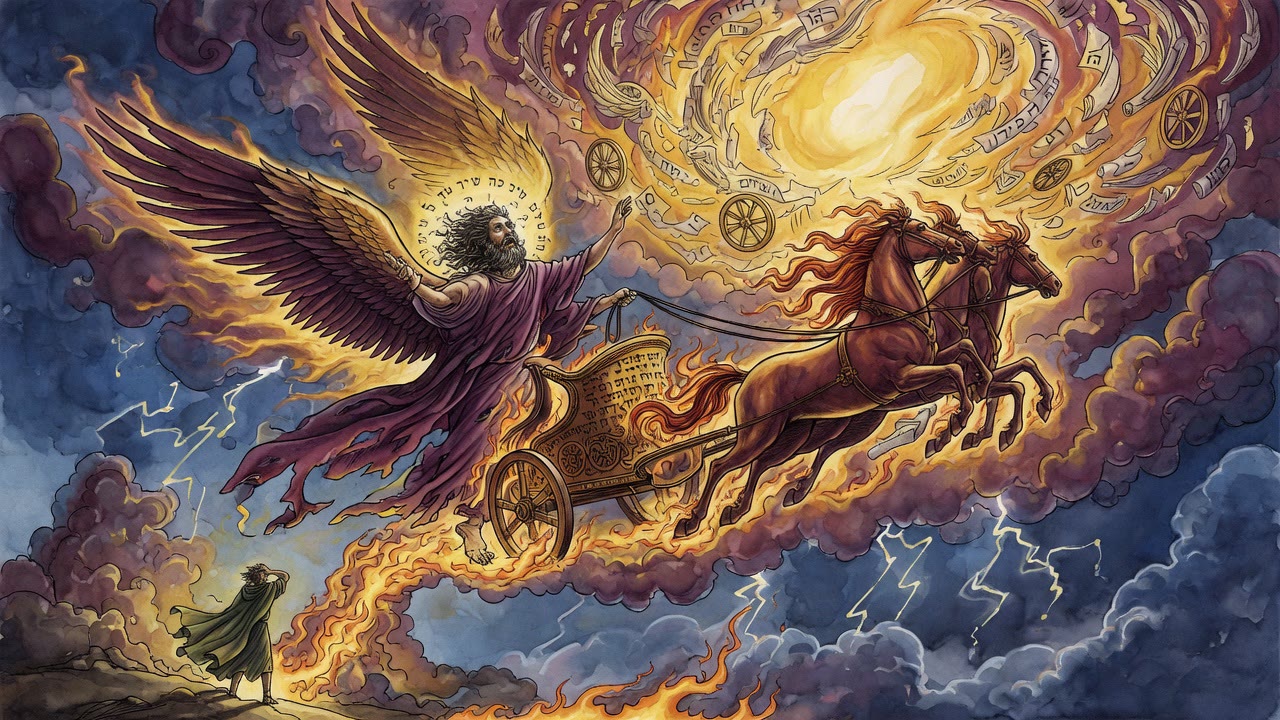
When the storm passed, the Teacher was still crouched in the cave, still clay, still hunted. But the vision had turned on him too, and now he sang the strangest claim of all. "You have purified a perverse spirit of great transgression," he wrote, "to stand in the station with the host of the holy ones, and to enter into community with the congregation of the sons of heaven." He, the creature of mud, had been raised to an eternal height. Not after death. Not in some far age past the horizon. Now, this night, in this cave, he stood among the angels.

He had added nothing to it, and he knew that too. "Who is like You among the gods, O Lord? And what truth is comparable to Yours?" Moses had sung those words at the edge of the split sea. The Teacher sang them at the edge of a different split, the boundary torn open between the human and the divine, dust admitted to stand with the sons of heaven. The lamp guttered. Beyond the cave the Angel of Darkness still held his dominion over the salt plain and the men hunting across it. But the Teacher had already walked out of that dominion. He walked, in the vision, in everlasting light, clay that would not stay clay, a worm lifted into the assembly of the holy ones while the enemies at his back never knew what he had become.


← All myths
From the tradition

Sources

3 sources

The texts behind this telling. Some cards carry a translation of the source; others are our own retelling of it, and each card says which. Every card links out to the original.

1QH 11:1-18Thanksgiving Hymns (1QH)

Retold in our words. Read the original at the link below.Original JewishMythology.com adaptation from ancient manuscript references and scholarly summaries · Original Adaptation

One of the most mysterious poems in the Thanksgiving Hymns describes a woman in labor during a cosmic storm. And what she gives birth to may be the Messiah.

The hymn (column 11) opens with images of apocalyptic distress. "The gates of Sheol open. All the snares of the Pit spread wide." The earth shudders. The foundations of the wall crack. The poet describes a woman writhing in agony, "She who is pregnant with a man is afflicted in her pangs". And the child she bears is called a "Wonderful Counselor" (Pele Yoetz, פלא יועץ), echoing the messianic language of (Isaiah 9:5).

Scholars have debated for decades what this birth represents. Is the woman the community itself, giving birth to the messianic age through its suffering? Is she a cosmic figure, a heavenly mother laboring to bring forth redemption? Or is this a literal messianic prophecy, the birth of a divine warrior who will shatter the forces of darkness?

The text offers no easy answers. What it does make clear is that the birth happens in the midst of terrible suffering. The woman labors "at the gates of death." Waves of destruction crash against the walls. Demons and chaos threaten to swallow everything. And yet, from this agony, something extraordinary emerges, a child of power, a figure of wonder, born not in comfort but in cosmic catastrophe. The message is unmistakable: in the theology of the Dead Sea community, redemption does not arrive gently. It tears its way into the world through pain.

Full source
1QH 12:5-13:4Thanksgiving Hymns (1QH)

Retold in our words. Read the original at the link below.Original JewishMythology.com adaptation from ancient manuscript references and scholarly summaries · Original Adaptation

The Thanksgiving Hymns (Hodayot, הודיות) are a collection of intensely personal poems found in Cave 1 near Qumran, composed sometime in the 2nd or 1st century BCE. Several of them appear to be written in the first person by a figure scholars call the Teacher of Righteousness (Moreh HaTzedek, מורה הצדק), the enigmatic founder or leader of the Dead Sea community.

These are not comfortable psalms. The Teacher describes himself as a man under siege. Enemies surround him. Former allies have betrayed him. He has been driven from his community and hunted by a figure the scrolls call "the Liar" or "the Scoffer." And yet, in the midst of persecution, he claims something extraordinary: God has opened within him a "fountain of knowledge," granting him access to cosmic mysteries that no other human possesses.

"You have placed me as a banner for the righteous elect," one hymn declares, "and as an interpreter of knowledge in wonderful mysteries." The Teacher claims to understand the hidden plan of creation, the predetermined course of history, and the structure of the heavenly realm. He is not just a scholar or a prophet, he is the authorized interpreter of all divine mysteries.

The hymns also contain passages of devastating humility. "What is flesh that it should understand these things? What is a creature of dust that it should be granted such insight?" The tension is deliberate. The Teacher knows he is nothing, dust, clay, a worm. And yet God chose him, specifically him, to be the vessel for eternal truth. That paradox sits at the heart of the Hodayot: infinite knowledge entrusted to fragile, mortal flesh.

Full source
1QH 18:1-28Thanksgiving Hymns (1QH)

Retold in our words. Read the original at the link below.Original JewishMythology.com adaptation from ancient manuscript references and scholarly summaries · Original Adaptation

Near the end of the Thanksgiving Hymns collection comes a poem that captures the theology of the Qumran community in its purest form. The speaker, whether the Teacher of Righteousness or another member, describes himself as nothing: dust, clay, a creature of mud shaped for the worm. And yet, impossibly, this creature of dust has been "raised up to an eternal height" and now stands "in the assembly of the holy ones."

"You have purified a perverse spirit of great transgression," the hymn declares, "to stand in the station with the host of the holy ones, and to enter into community with the congregation of the sons of heaven." The claim is staggering. A mortal human being, composed of flesh and weakness, has been granted a place among the angels. Not after death. Not in some future age. Now.

The hymn describes this transformation as entirely God's work. The speaker contributed nothing. "Who is like You among the gods, O Lord? And what truth is comparable to Yours?" The language echoes the Song of the Sea in (Exodus 15:11), but the context is radically different. Moses sang after the splitting of the sea. This speaker sings after the splitting of the boundary between human and divine, a miracle the hymn presents as no less dramatic.

The poem ends with an image of eternal light. The purified soul walks in "everlasting light," free from darkness, free from the dominion of the Angel of Darkness described in the Community Rule. The journey from clay to light, from dust to angels, from transgression to holiness, that is the entire spiritual arc of the Dead Sea community compressed into a single hymn. Redemption is not something they waited for. They believed they were already living it.

Full source