Rabbi Meir's Scroll Had Death Where the Torah Had Very Good
Students found one letter changed in Rabbi Meir's scroll. Very good had become good is death. The rabbis argued the limits of creation were its real structure.
Table of Contents
 Click for full size
A letter changed in a second-century classroom
The rumor had been circulating long enough that by the time Bereshit Rabbah recorded it, it came with two witnesses. Rabbi Shmuel bar Nachman reported that he heard it from Rabbi Shimon ben Elazar in Rabbi Meir's name, as if the chain of transmission was itself evidence of how carefully the claim had been handled.
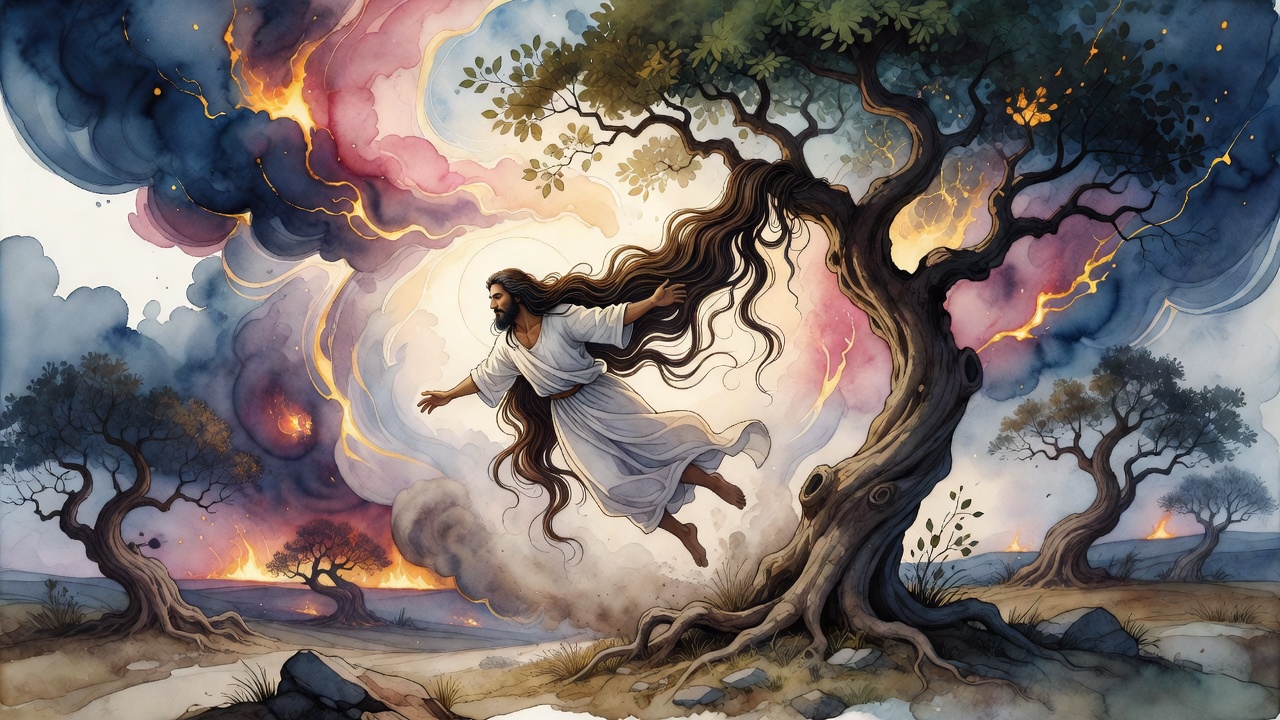
In Rabbi Meir's personal Torah scroll, in the line that closes the sixth day of creation, the word me'od had been changed to mavet. One letter. Tov me'od, very good, had become tov mavet, good is death.
Genesis 1:31. God looked at everything he had made and it was very good. The evening and the morning were the sixth day. The rabbis could recite the line in their sleep. And here was their teacher, in his private scroll, making the text say something the text did not say.
The defense that lasted through several rabbis
The classroom erupted. Not with scandal, exactly, but with the need to explain how this could possibly be right.
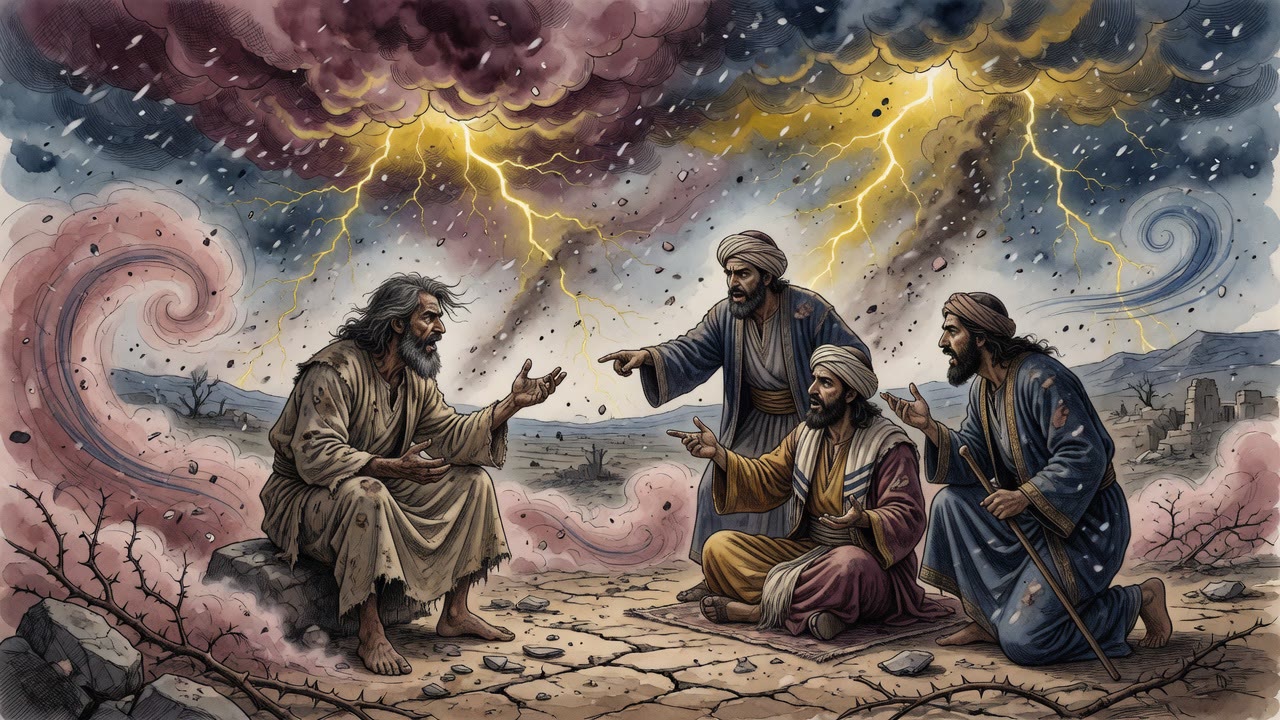
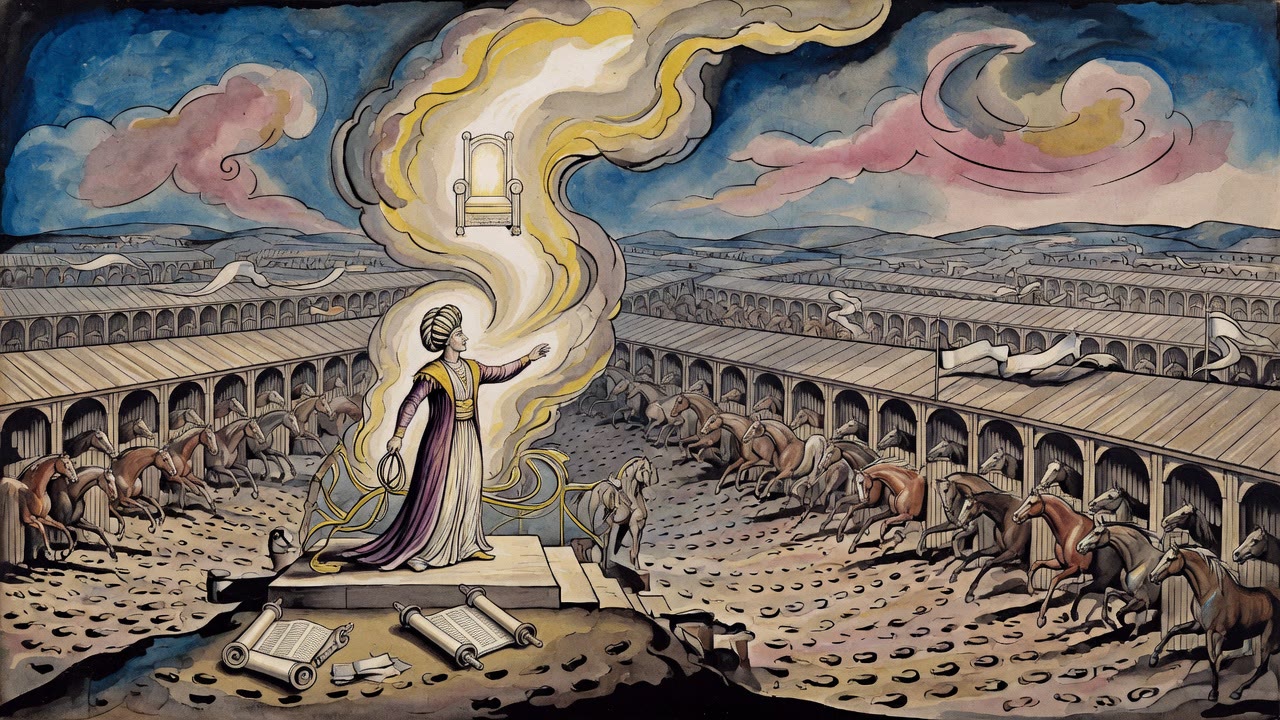
Rabbi Chama bar Chanina said Adam was originally meant to live forever, but God foresaw certain kings who would later claim to be gods, Nebuchadnezzar of Babylon, Hiram of Tyre, and decided that immortality, given to a creature with free will, would eventually produce humans who believed their own eternal longevity proved them divine. Death was the limit that kept human self-inflation inside bounds. Take death away and the creature made in the image of God would eventually insist it was God.
A second defense ran through the body's daily economy. Without death, a person would never understand that anything mattered. The man who will live forever does not need to finish a task today. The woman who cannot die has no reason to pass her knowledge to her children. Every urgency, every inheritance, every act of teaching, depends on the fact that the teacher is mortal and the student will be too. Death was not the interruption of human meaning. It was the engine of it.
Everything has an origin above or below
A separate line of inquiry, adjacent to the question of death, asked where the things of the world came from. The rabbis did not mean this metaphysically. They meant it physically. Look at any created thing and you can ask: did it come down from above, or did it emerge from below?
The answer, laid out carefully in Bereshit Rabbah, was a taxonomy. Rain, dew, and manna descended. Springs and vegetation ascended. The human body was raised from earth but animated by breath from above. The Torah itself came down from heaven but took root in human minds that operated from the earth.
Nothing was purely one thing or the other. The world ran on the tension between the two origins, and that tension was, in the rabbis' reading, another kind of limit. A thing that came only from above would have no purchase in the material world. A thing that came only from below would have no access to the divine. Every creature, every phenomenon, every act of creation existed at the seam between the two, and the seam was where the meaning lived.
One angel, one mission, one message at a time
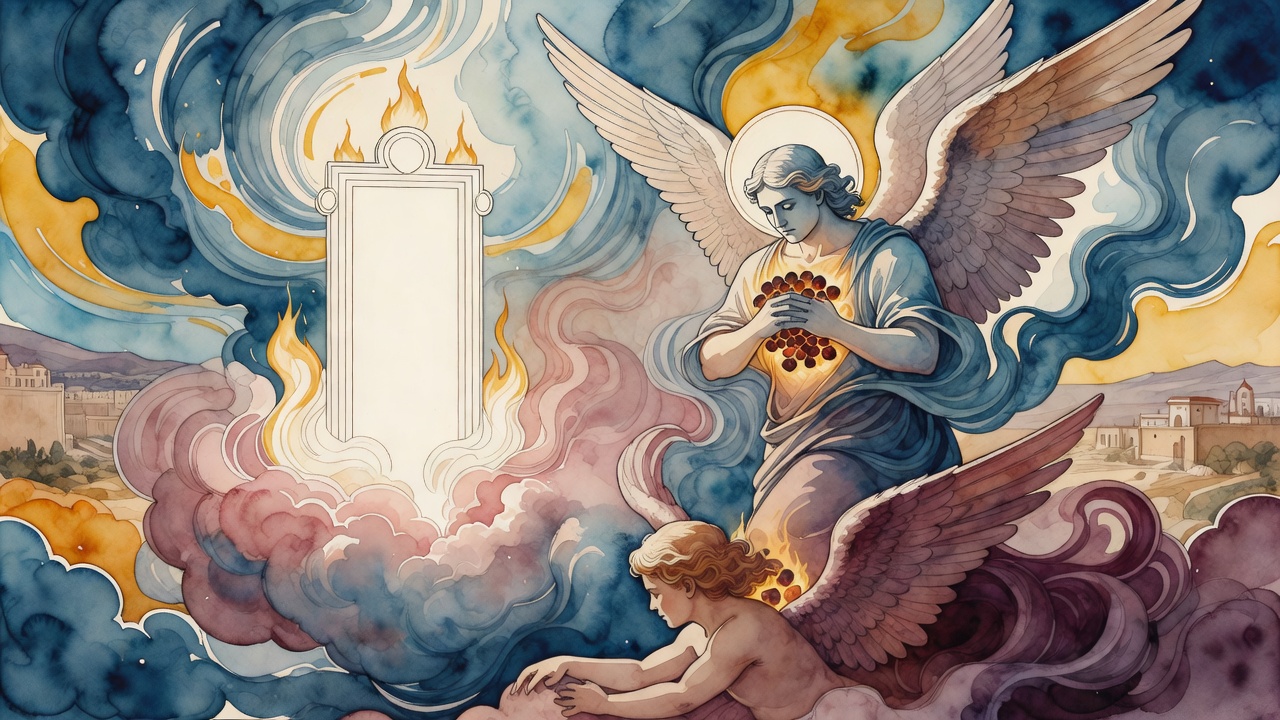
Angels had a limitation the rabbis found structurally significant. Each angel could carry only one divine mission at a time. Not two. Not a combined assignment. One errand, and then you returned, and then you might be sent again.
This came up in the story of Abraham at Mamre, where three angels appeared but each had a separate task. One to announce Isaac's birth. One to rescue Lot. One to destroy Sodom. Why three? Because a single angel cannot carry a plurality of missions. The nature of an angelic being required that it be, in the moment of its task, entirely that task. A messenger who was simultaneously trying to do two things would be neither.
The rabbis did not read this as a limitation on God's power. They read it as a feature of the created order that revealed something about divine communication. When God sends a message, he sends it whole. An angel entirely devoted to one errand is an errand that can be entirely received. The limit guaranteed clarity. The limit was what made the mission work.
Death as a structural necessity. The dual origin of all created things. Angels confined to one assignment at a time. Bereshit Rabbah held these as illustrations of the same principle: that the constraints built into creation were not concessions to imperfection. They were the architecture of a world that could actually function.
← All myths