The Hand That Grew the World and Flipped Sodom
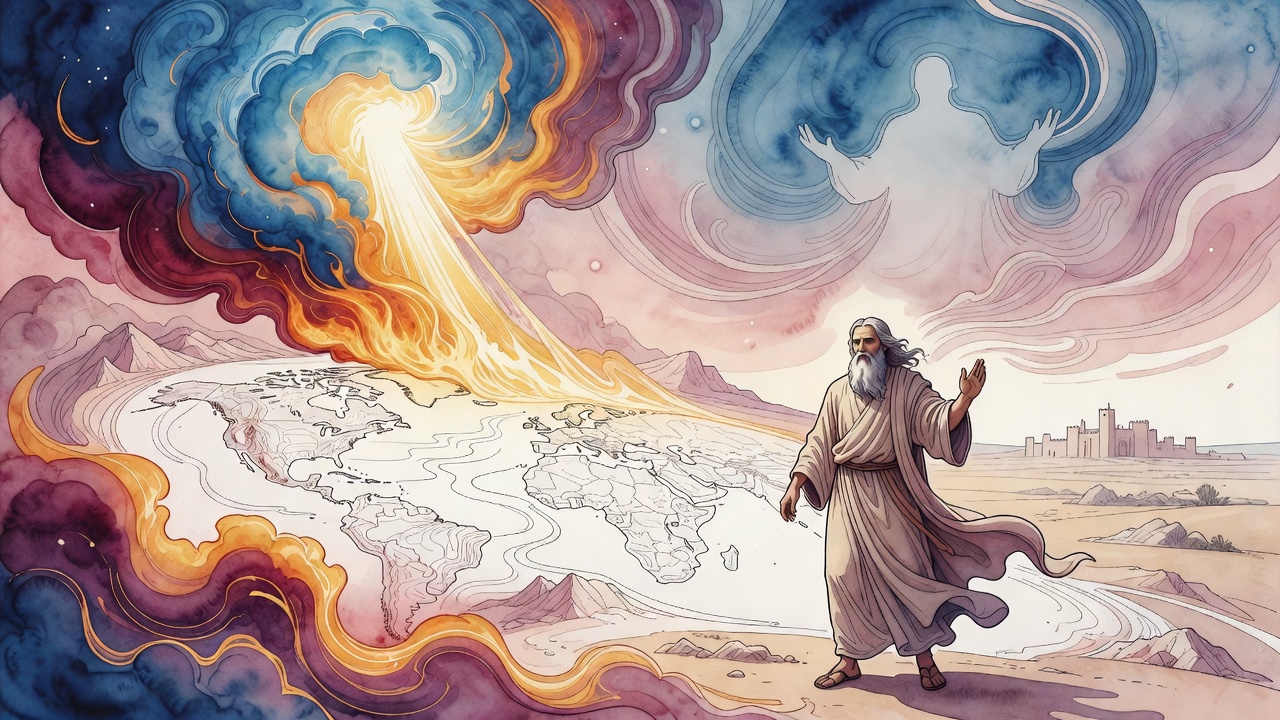
The same divine hand that tucked healing herbs into the dirt and set a star over every blade of grass reached down once and flipped five cities off their rock.
Table of Contents
 Click for full size
A Star Above Every Blade of Grass
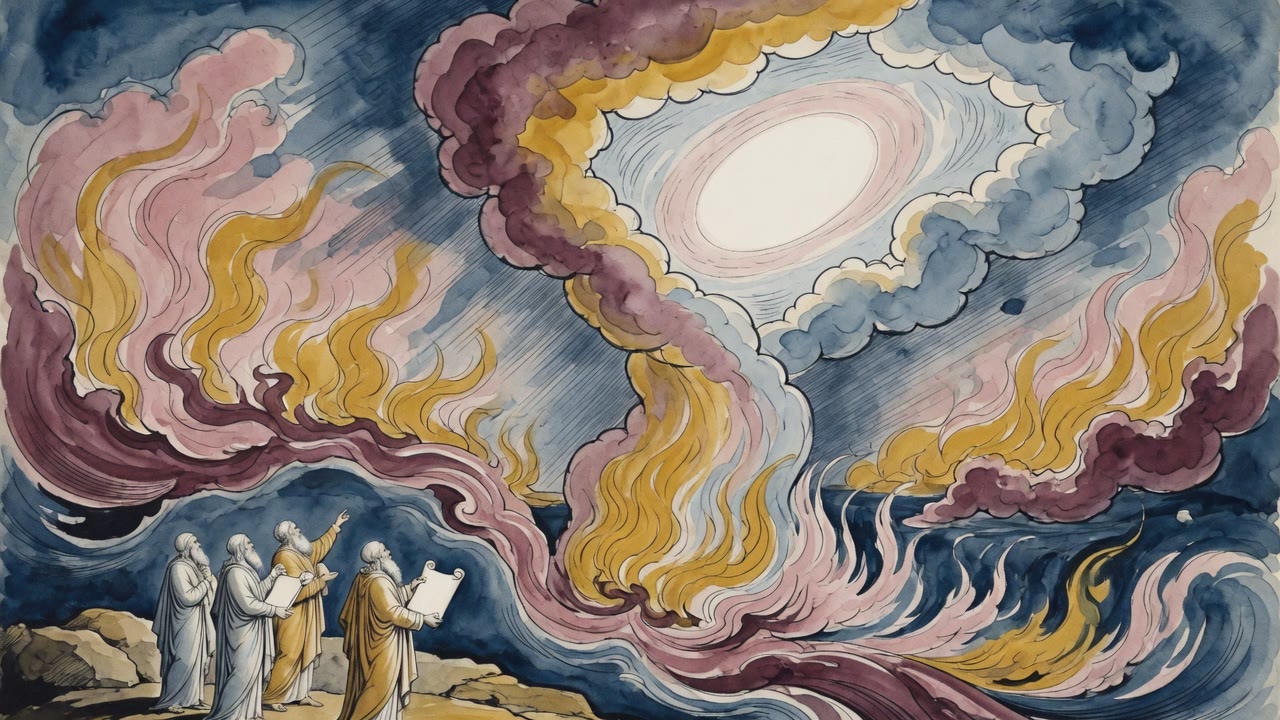
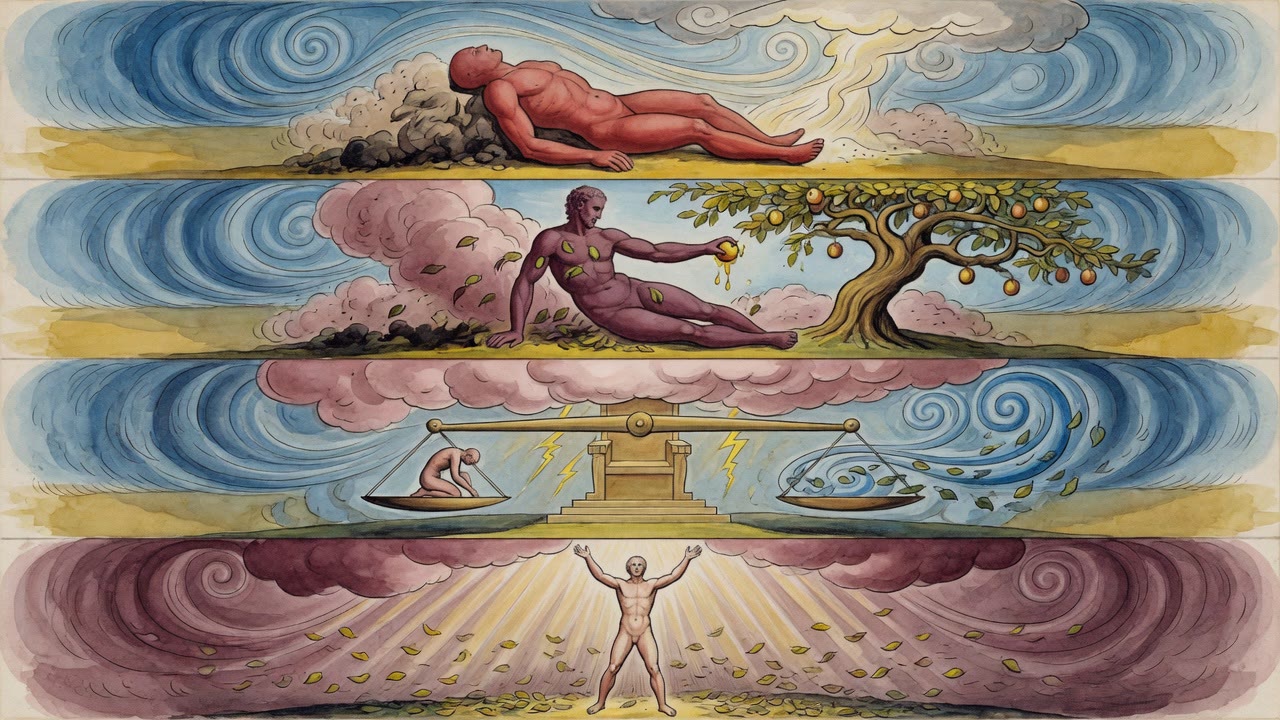
Nothing in creation grows unattended. Every plant that pushes through the soil has a star assigned to it in the heavens, leaning over it, whispering the single word that makes it rise. That is not poetry. That is a teaching the sages drew out of a single line in Job, and it changed how the sky looked.
The rabbis of Bereshit Rabbah, the great fifth-century Palestinian commentary on Genesis, read the opening of creation not as the switching-on of a machine but as the beginning of an arrangement of care. God made the world and then staffed it. He seeded the ground with medicine and posted celestial officers above every growing thing. The same intelligence that designed the ecosystem also maintains it, day by day, from the top of the sky down to the root system in the dark earth.
The Pharmacy Buried in the Dirt
Ben Sira, the wisdom writer who compiled his teachings around 180 BCE, gave the rabbis a proof text they pressed hard. God created medicines from the earth, he wrote, and a wise man does not despise them. The healer at the bedside and the apothecary with his mortar are not working against the divine order. They are inside it. God hid the cure in the soil and left the work of finding it to human hands.
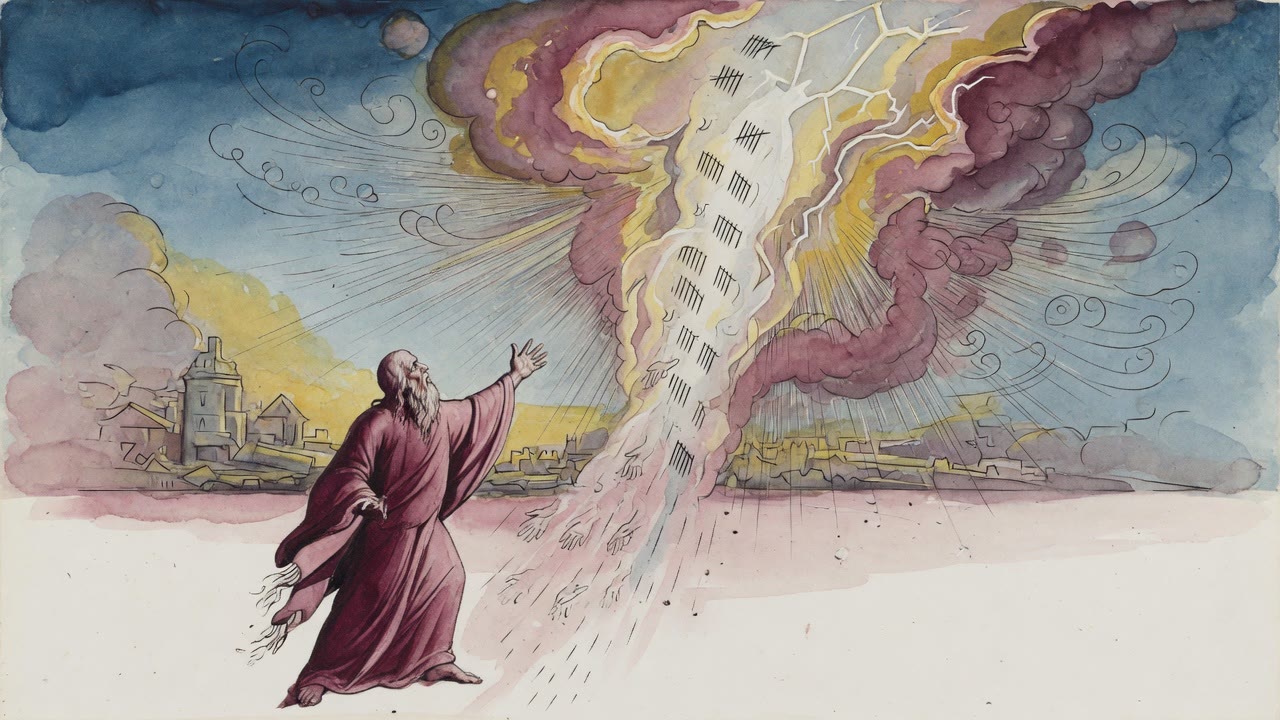
Rabbi Simon, one of the amoraic voices preserved in Bereshit Rabbah, pushed the idea further in a direction that feels almost cosmological. He read the Hebrew word for dominion in Job's question about whether anyone can establish heaven's authority on earth, and he heard in that root not power but supervision. An officer. A foreman. Each plant in the field has not just a star but a manager in the sky, responsible for its welfare. The neglected corner, the scorched patch, the seedling that fails: God notices. There is an accountant in the heavens who tracks what came up and what did not.
The Roots of Everything
Below the surface, the accounting goes stranger. The same tradition that describes stars supervising growth also insists that the roots of creation reach down into something the rational mind hesitates to name. The world is not sitting on bedrock. The world is sitting on a foundation that was prepared before the world existed, and the roots of the trees that grow on its surface are tied to the roots of something that existed before trees were a concept.
The rabbis were trying to describe a world that is not self-supporting. Creation does not hold itself up. It is held. Every growing thing hangs from above and rests on what came before it, and the network that connects sky to root to deep foundation is not mechanical. It is personal. There is an intelligence behind each link in the chain.
The Same Hand at Sodom
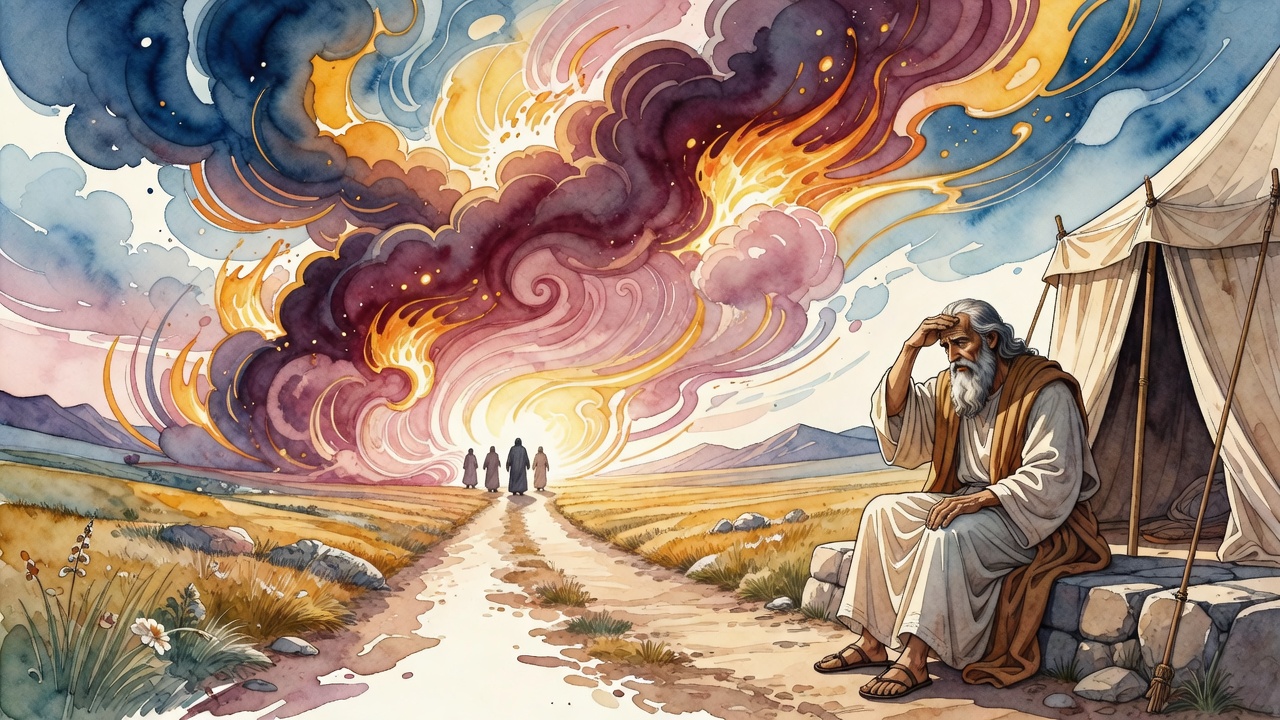
The same God who manages the growth of every blade of grass, who hid medicine in every plant, who staffed the heavens with supervisors for the tiniest living things, turned that same hand on Sodom.
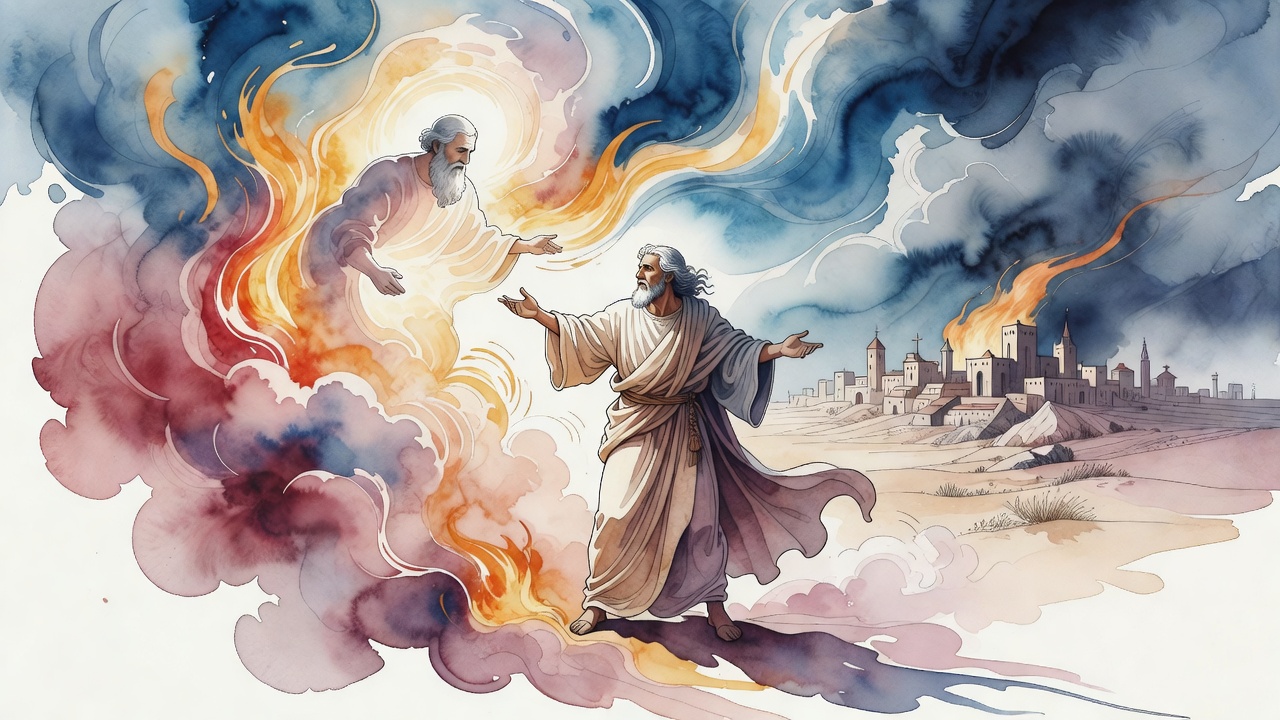
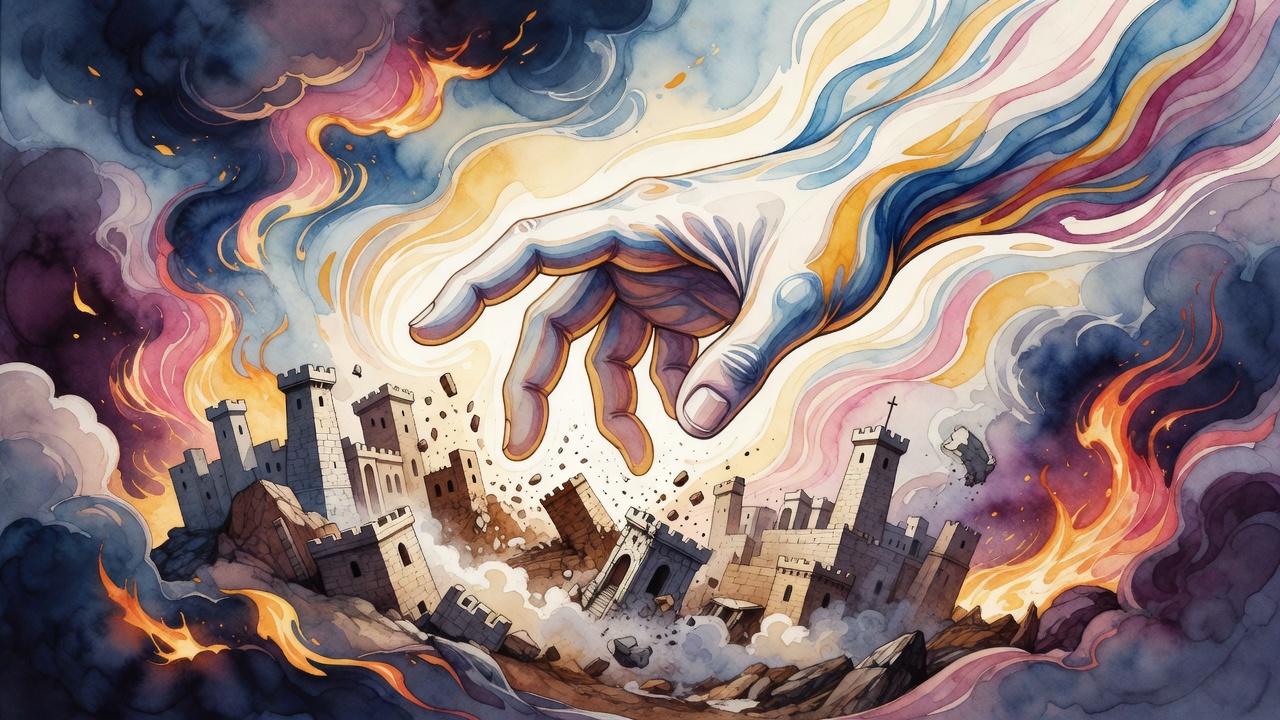
The Torah says God overturned the cities of the plain. That is a physical word in Hebrew, not a metaphor for destruction. The sages took it literally. God did not burn Sodom from above. He reached under the cities and flipped them. He turned them upside down, so that what had been the sky was now pressed against the earth and what had been the foundations now faced heaven. Five cities, inverted, their populations flung into the air and returned to the soil in a posture of reversal.
The sages saw no contradiction between the God who nurtures grass and the God who flips cities. They were the same action. Maintenance and destruction both express the principle that the world is not neutral. The same care that places a star over every seedling is the care that refuses to leave Sodom as it is. A builder does not ignore what he has built. He does not leave it to rot from the inside. When the cities of the plain had grown so corrupt that they were actively destroying the moral fabric God had woven into the world, the hand that had built the fabric came back to unmake what had torn it.
← All myths