The Peddler Whose Heart Closed Like a Cage
He unrolled his cloth in a third town that week, smiling the smile he kept for women who liked bright stones. At dusk he rolled it up, stones unsold.
Table of Contents
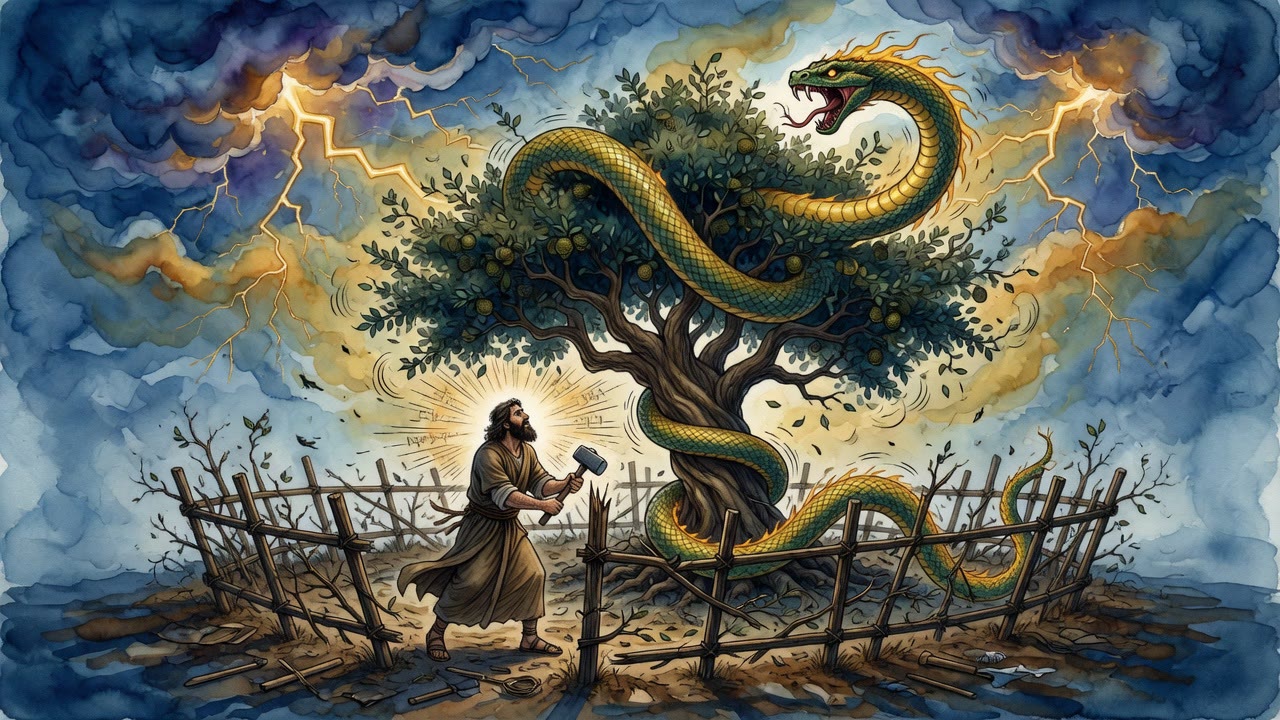
He unrolled his cloth in a third town that week and smiled the smile he used for women who liked bright stones. The jealous husband was not in the doorway yet. The spark was already in the coal.
 Click for full size
The Road That Loosens Boundaries
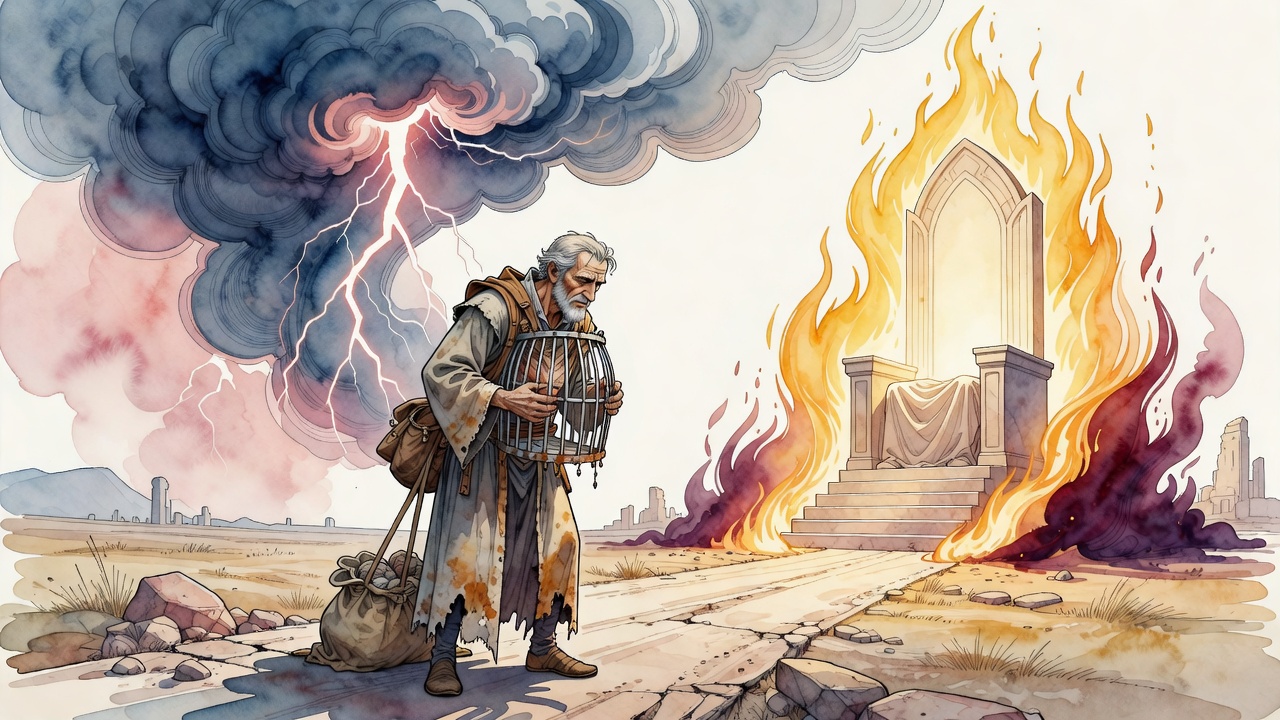
Ben Sira watched merchants move from gate to gate with wares meant to catch the eye. Familiarity with strangers can turn into a habit, and habit into licentiousness in the old, broad sense, a loosening of every edge. "Many have been the wounded peddlers, who accustom themselves to licentiousness." The wound is not only a husband's fist. It is the slow erosion that begins as charm and ends as a house full of deceit, a cage packed like the birds in Jeremiah's image.
Pride finishes the trap. "As a bird seized in a cage, so is the heart of haughtiness, and like a wolf ambushing his prey." The heart that once carried goods now waits for prey. The road did not force that change in a single night. Accustoming did the work, small permissions stacked until the man no longer recognized the first one.
The Ear That Carries the Tale
Another kind of road runs through speech. "You shall not carry a false report," says the Torah, and the sages refused to let the listener off. The plain ear hears only a ban on the gossip who invents and spreads. The rabbis turned the verse toward the audience too. A rumor needs a mouth and a willing ear. Take away the ear and the report dies in the air.
The receiver is not a bystander. By accepting the report he becomes its carrier, and the law holds him as surely as it holds the first speaker. The peddler who sells stones and the neighbor who sells names use the same muscle. Both trade on access. Both need someone to lean in.
Two Pans on the Altar of the Heart
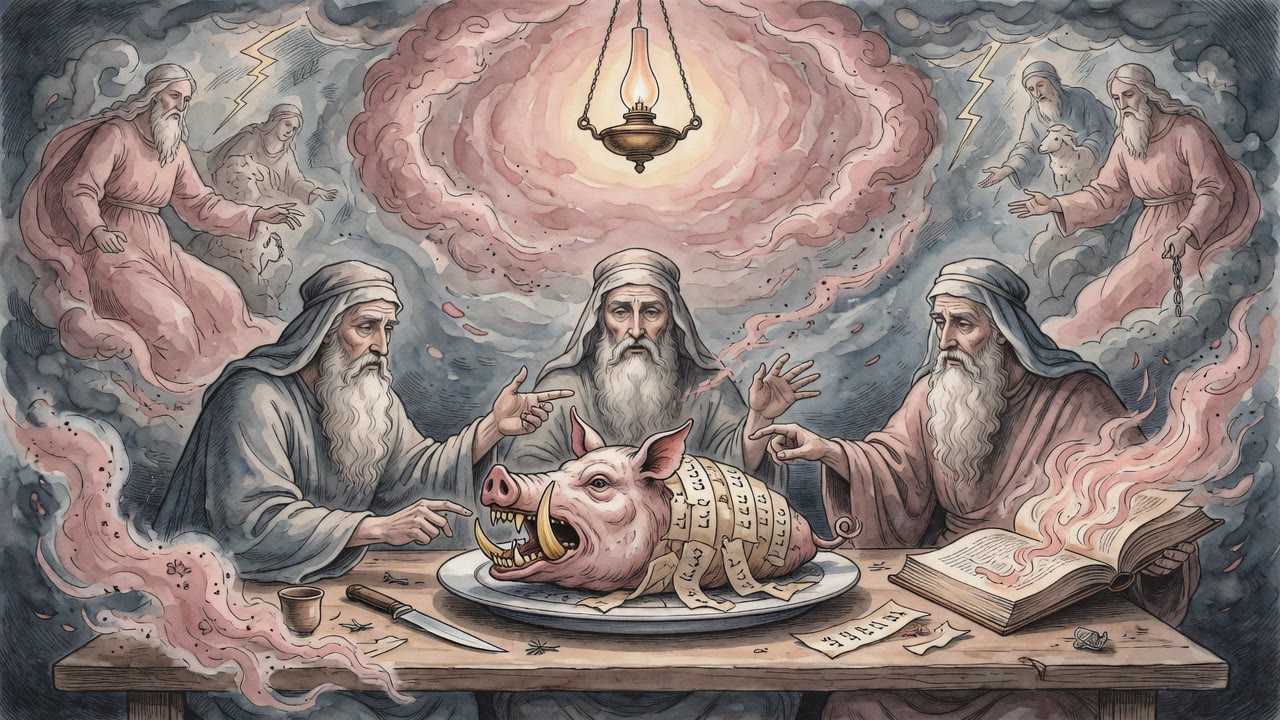
The midrash set two pans beside each other and made them states of the soul. The deep pan is hollow and boiling. It belongs to the person whose heart churns with fear of sin, who studies Torah and still worries that wrongdoing has passed through his hands. The shallow pan is flat and steady. It belongs to the one moved by love of the Omnipresent, who brings an offering because love drove him, not panic.
To that second person the Holy One says, blessed are you, may words of Torah stay stored in your mouth forever. The oil that stands for Torah and good deeds still has to be poured, mixed, placed, and guarded from leaven. Devotion is not a feeling floating above procedure. The soul may tremble or love. The offering still has an order.
How the Cage Opens
The peddler can keep collecting sparks until the house is a cage. He can also refuse the next familiar doorway, close the ear that wants the next false report, and choose which pan his heart will be. Fear of sin boils and still protects. Love of God steadies and still demands the same careful work. Neither path needs a speech about the self. Both need a hand that stops reaching.
At dusk he rolled the cloth and left the stones unsold. In the inn someone started a story about a woman two courtyards over. He stood up before the punch line and went out to the yard, where the air did not lean in.
He could still list the first small permission. A compliment held one breath too long. A return visit when the husband was known to be in the fields. Ben Sira's word "accustom" is the whole plot. No demon forced the door. Practice did.
The false report that ruined a third family that season traveled the same way. It began as concern in a doorway. The listener nodded, asked for one more detail, and by nightfall had become a carrier. The sages' reading of the verse puts a fence around curiosity. Not every story that arrives at your ear is yours to keep warm.
In the kitchen of a man who feared sin the deep pan rattled whenever he reviewed his day. Did a wrong coin pass? Did a harsh word leave his mouth? The boiling was uncomfortable and useful. In another house the shallow pan sat steady because love of God, not panic, brought the man to his duties. Both still measured oil. Both still guarded against leaven. The midrash will not let feeling replace craft.
When the peddler left the inn yard, he passed a cage of birds for sale and finally understood Jeremiah's image in his bones. A heart can be stocked with little deceptions until nothing wild and honest remains. Opening the cage is not a mood. It is a series of refusals: this doorway, this ear, this spark on the coal.
← All myths