The Princess Vanished When the King Cursed Her
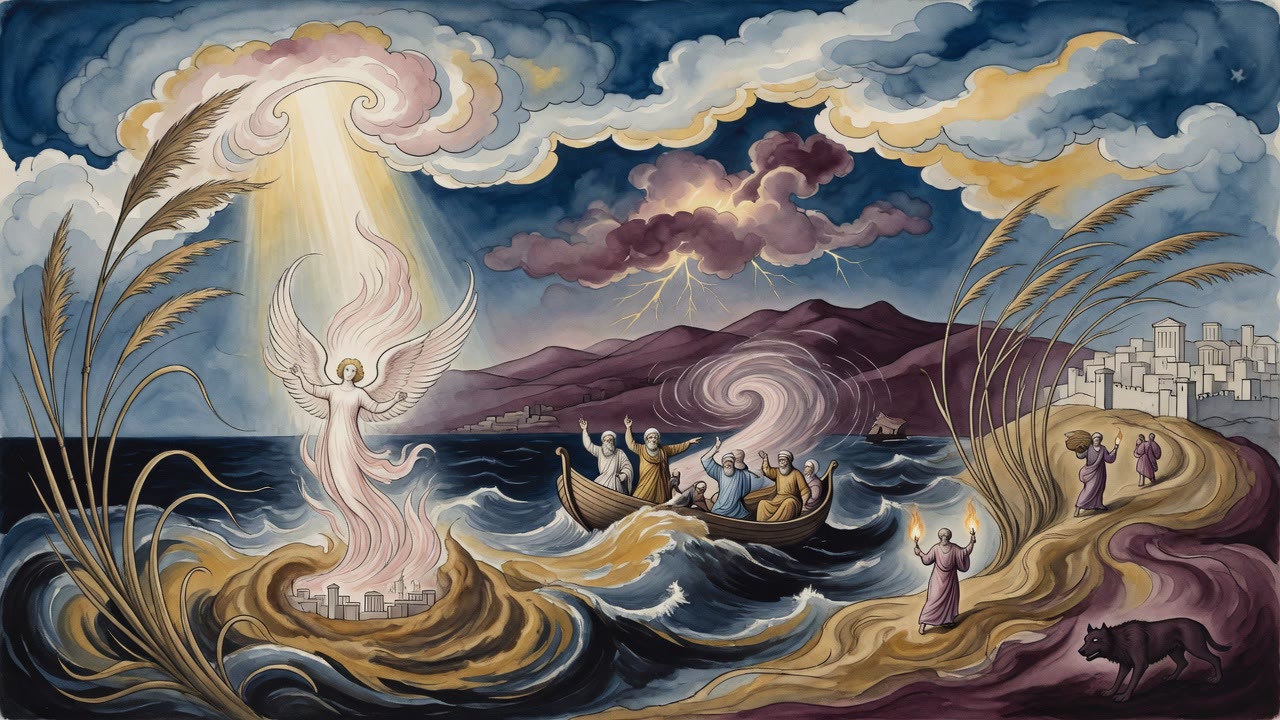
The viceroy asked the king for a horse and money and rode out. He found her behind a veil, then drank from a red spring and slept seventy years.
Table of Contents
 Click for full size
The Word That Emptied the Room
The king had six sons and one daughter, and the daughter was the pulse of the palace. He cherished her, played with her, kept her close when counselors talked of borders and grain. One day anger ran faster than love, and terrible words left his mouth before wisdom could catch them: "Let the Not-Good take you away." The sentence hung in the air like smoke. That night she went to her room with the ordinary steps of a child who still trusts morning. By morning the bed was empty and the palace had a hole in it shaped like a girl.
He was devastated in the way only a man who has broken his own treasure can be. His viceroy, the most trusted minister, did not offer empty comfort. He asked for a horse, a servant, and money, and rode into the wilderness to find what a sentence had stolen.
Years on Empty Roads
He searched deserts that bleached the eyes and forests that ate sound and roads that led nowhere except to more road. Years thinned him. At last a side path brought him to a castle ringed with soldiers in perfect formation, a geometry of threat. Terror walked with him through the gate, yet no one stopped him, as if the place had been waiting for this particular fear. Halls grew more beautiful room by room until beauty itself became a kind of pressure. He found the princess sitting behind a veil.
She told him the price of freedom without softening it. Choose a place. Sit there a full year, yearning with your whole strength. On the last day, fast completely and do not sleep. He agreed because love agrees before it understands. He sat. Seasons turned around a still body. On the final hours he saw a tree of impossible fruit, ate, and fell into a sleep of years. Her servants shook him and shouted. He mumbled and sank again. When he woke she said through a servant: you were so close. Try again.
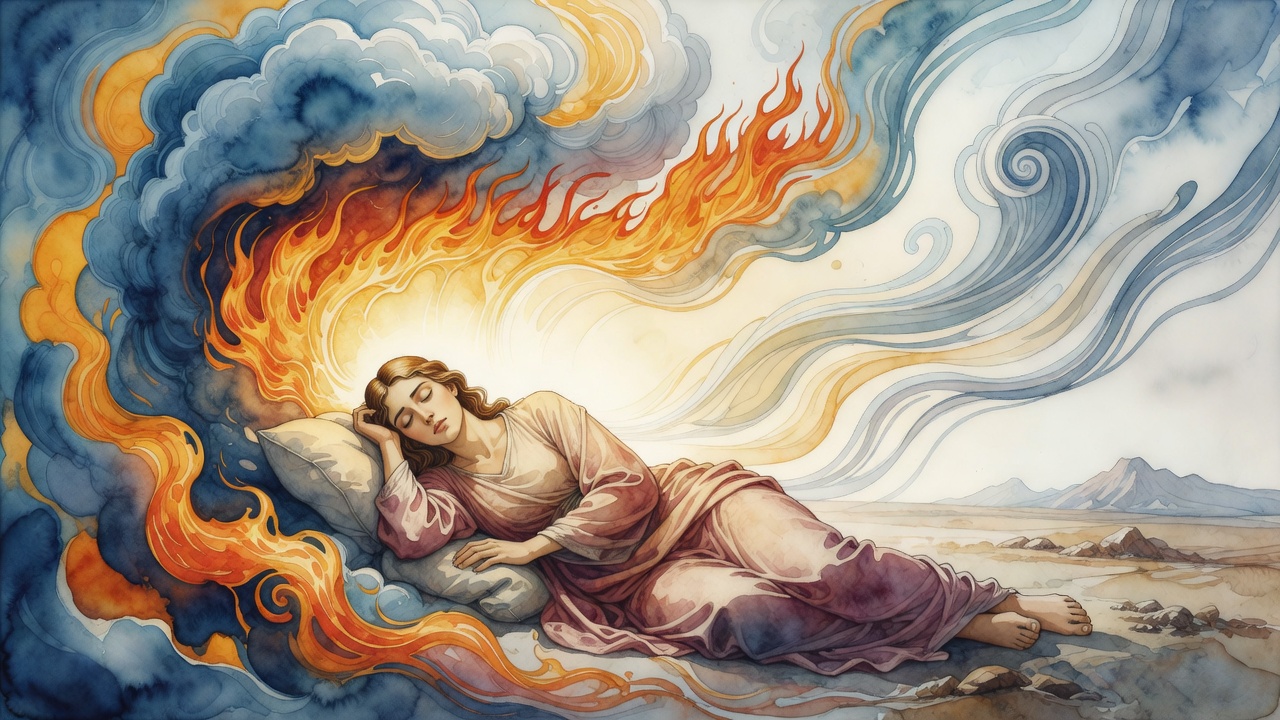
Another year of sitting, another year of hunger for a face. On the last day a spring glowed red and smelled of wine. He had been told not to eat. Surely a sip of water was different, a loophole the body invents when the will is tired. He drank. He slept seventy years. Armies marched past his closed eyes. Civilizations rose and fell like tides. When he woke, she had moved to a golden mountain near a castle of pearls. Come find me there, the message said. The tale, first of Rabbi Nachman of Breslov's Sippurei Maasiyot, never receives an ending from his mouth. The search remains open on purpose.
A Sigh in the Study House
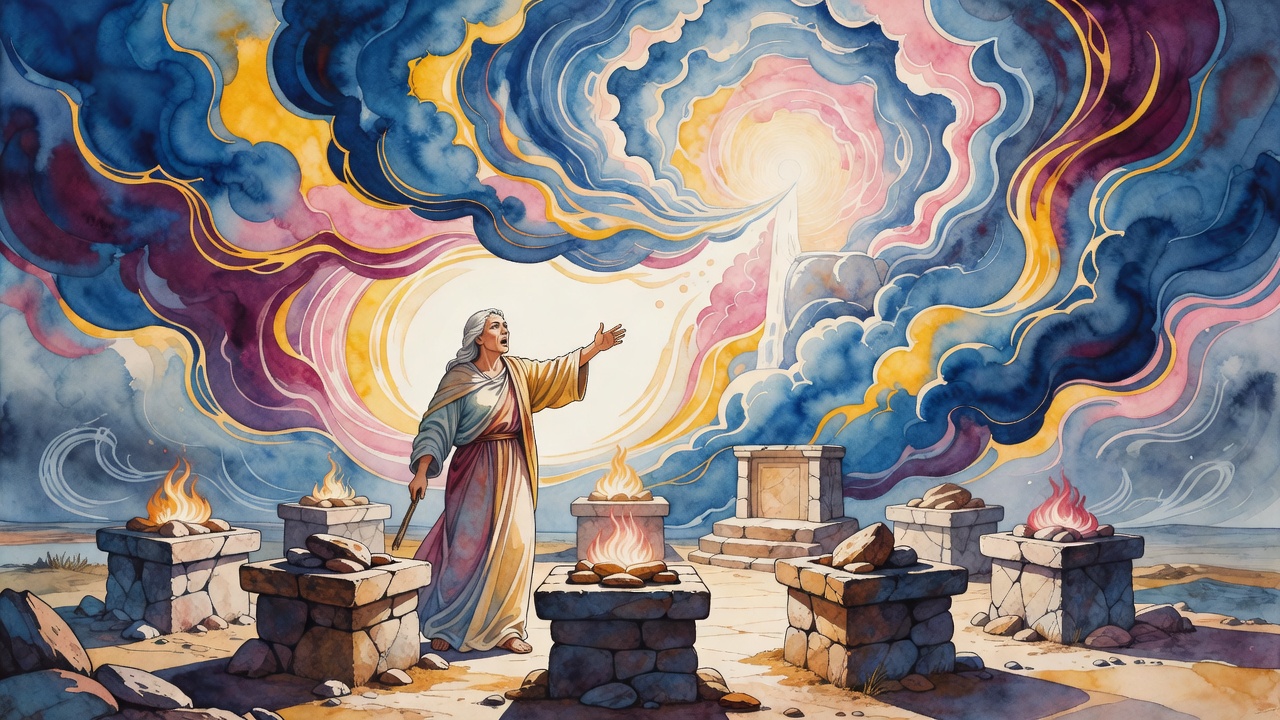
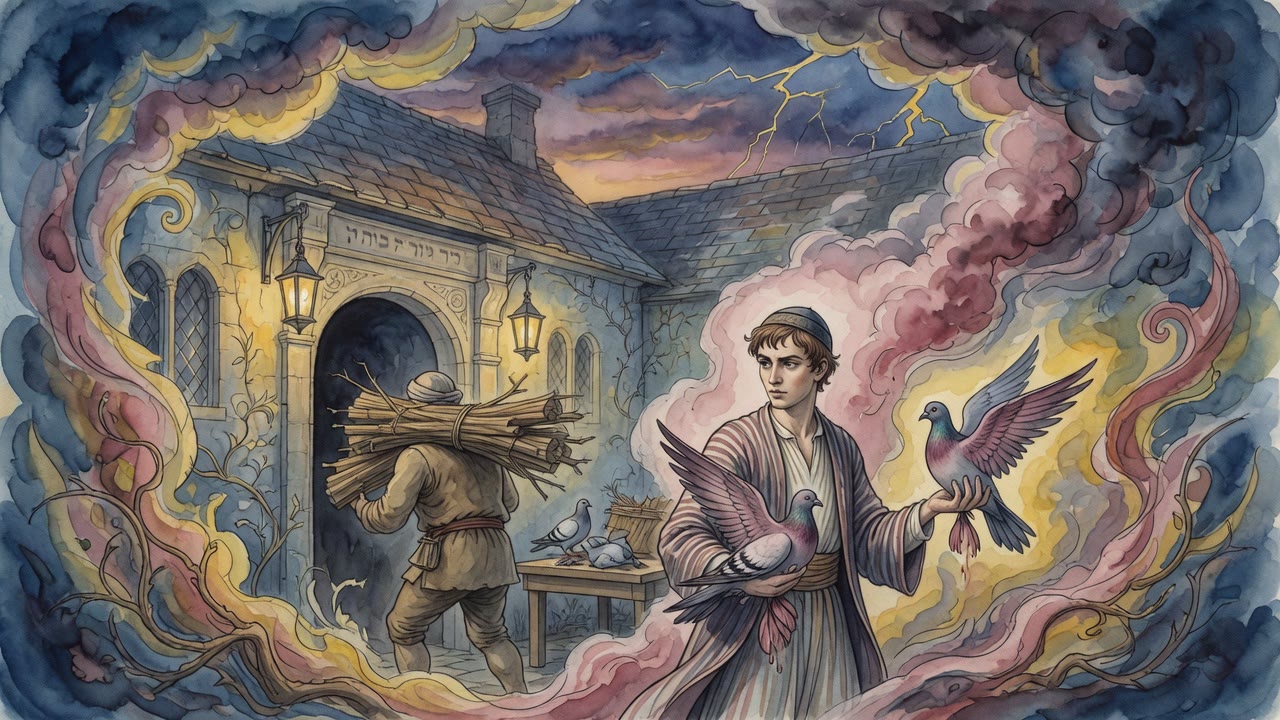
In another century the Baal Shem Tov wanted a Zohar, and Rabbi Gershon pulled it from his hands with mockery, as if longing for the book were a joke. Later, in the study house, the Baal Shem Tov prayed the Shema (Hear O Israel) and let out a deep sigh that was not performance. Rabbi Moshe asked what had happened. The sigh was from the heart, he said, and he pointed to the mezuzah (a small scroll of Torah verses) on the doorpost. They checked the parchment. It was invalid, a doorway wearing a lie. Only then did Rabbi Moshe give him the Zohar and bless him that Gershon would not cross his path again. The sigh had read what the doorway was hiding when eyes had grown lazy.
Angels in the Court of the Year
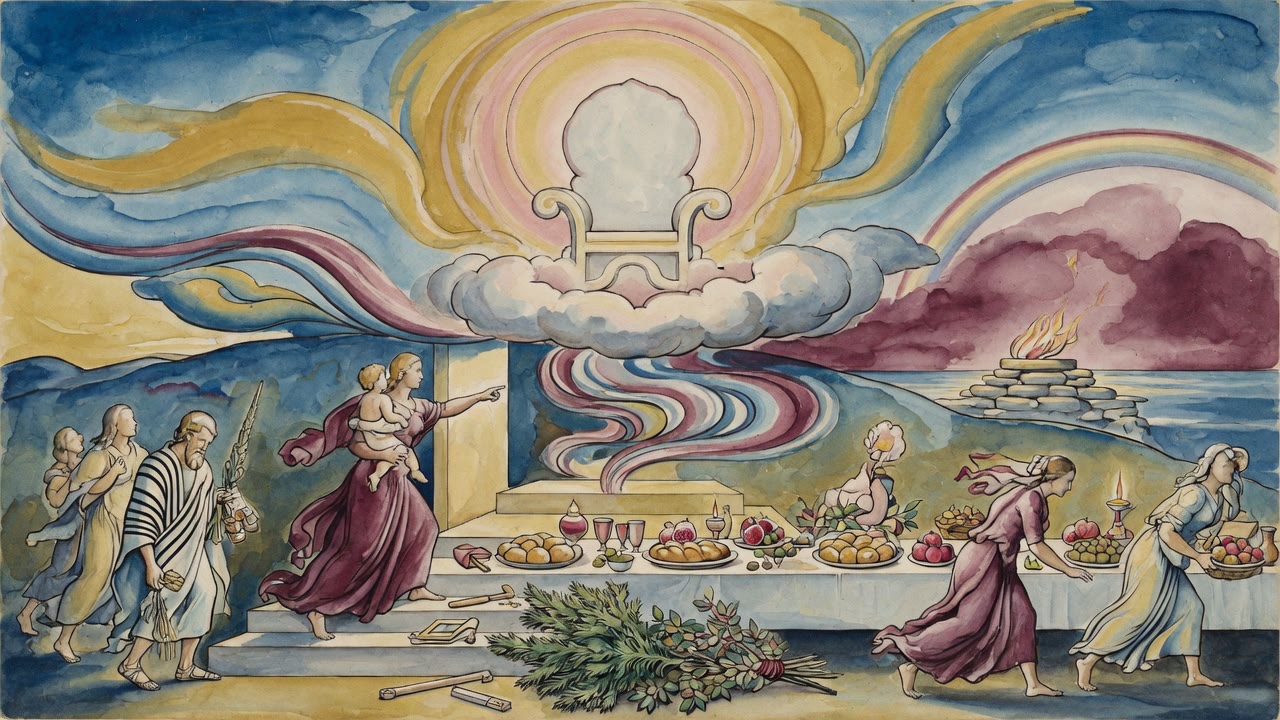
Sefer HaKanah paints Binah, Understanding, as a judge rendering true judgments as the year turns toward Rosh Hashanah. Even the force that brings accusation is not a rebel power outside God but a function inside the Holy One's court, a litigator who still serves the King. Between Rosh Hashanah and Yom Kippur the liturgy names the King of Judgment, and the mouth that prays asks that mercy not be locked out of the verdict. Judgment and compassion are not two empires at war. They are two hands of one sovereignty, and the human task is to stand where both can reach.
The viceroy's long sit is a kind of High Holy Day stretched across years: attention without sleep, hunger without a stolen sip, yearning that fails at the last sweet distraction. The invalid mezuzah (a doorpost scroll) is a small door-judgment: what looks fixed on the post may be empty of true writing until a heart sighs and forces a check. Both scenes say the hidden will not stay hidden when the year, or the soul, finally pays attention.
Exile of the Daughter
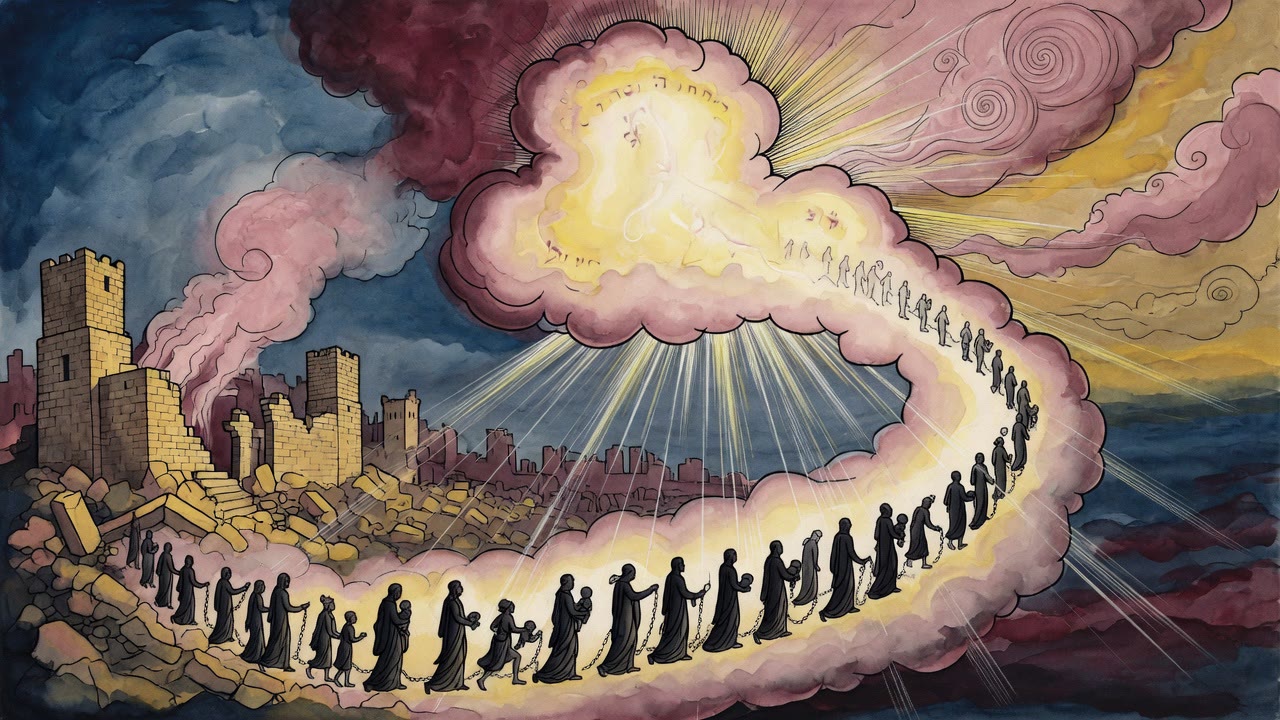
Readers of Nachman have long heard the princess as the Shechinah (the Divine Presence) in exile and the viceroy as the soul that almost arrives and then eats. The king's curse is the rupture that sends Presence into castles of shells and pearls. The searcher's failures are ordinary enough to hurt: fruit, water, the need to finish the fast one hour early. Almost is the most Jewish distance in the story, the inch between redemption and another seventy years of sleep.
Set beside the Baal Shem Tov's sigh and the angels of the year's court, the tale stops being only a fairy road for long nights. It becomes a map of how hidden flaws and loud judgments shape the hunt for what was lost by a word spoken in anger. Kabbalah in these sources does not float above doors and calendars. It points at a mezuzah that must be opened, a season when Binah judges, and a man who cannot stay awake one more night for the sake of a veiled face. The Not-Good took the daughter when the king spoke. The search for her is still the work of every viceroy who refuses to call the empty bed final.
← All myths