Tamirah Drowned Cyrus's Head in Blood and Heliodorus Fell at the Temple
Cyrus camped in a narrow valley and slept like a man who had already won. That night the queen whose son he had killed left two hundred thousand Persians dead.
Table of Contents
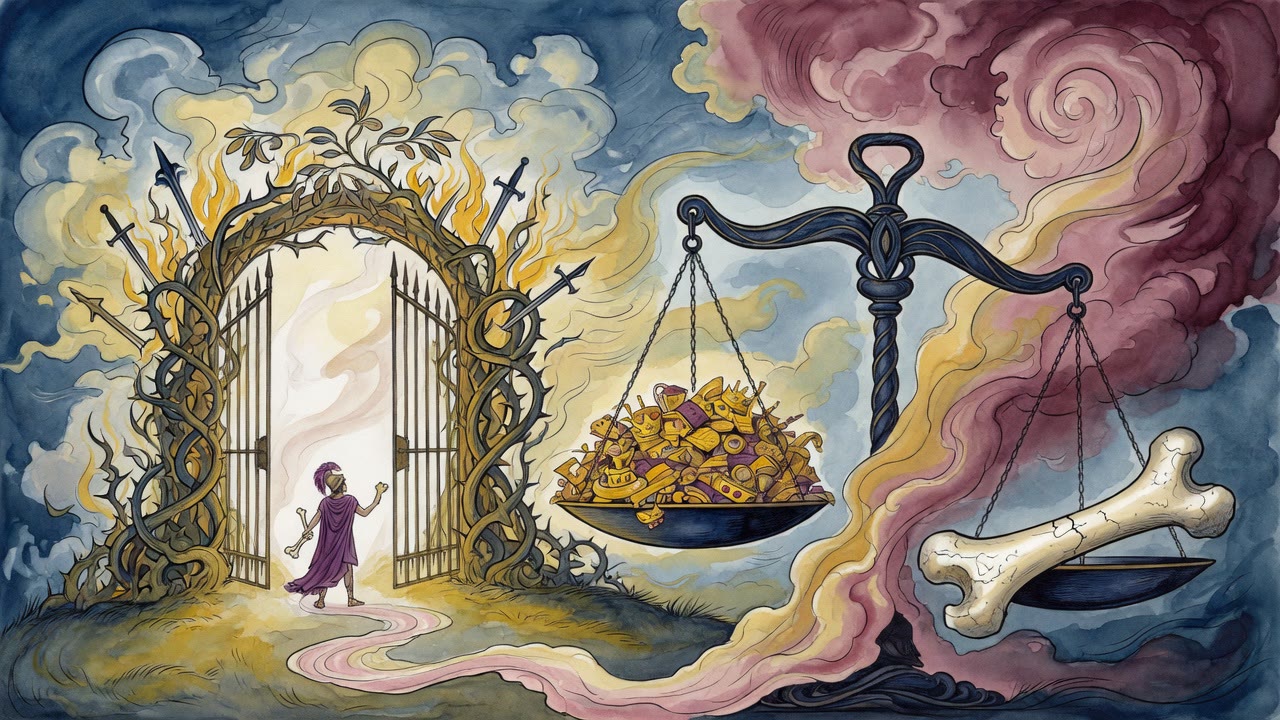
Cyrus took the world because heaven cleared the road. Before his armies the gates of iron swung open on their own. The doors of brass cracked and fell. The prophet Isaiah had promised it generations before, and now it came true in dust and fire, kingdom after kingdom folding the moment the Persian banners crested the hills.
 Click for full size
He swallowed India. He swallowed Ethiopia and Arabia. He pushed west until the land ran out at Sefarad and north until the mountains were nothing but snow and silence, peaks no army could cross. No king who ever lived had drawn a map this wide. And the man who drew it began to believe the open gates were his own doing.
The Mother Who Lost Her Son in the Land of the Shittim
The land of the Shittim should have been one more line on the map. Cyrus broke its king in open battle and scattered the warriors. The survivors ran for their fortresses, and at the front of that flight rode their queen, Tamirah, with her son beside her.
Cyrus did what he had always done. He pretended to fall back. The Shittites believed the retreat, came out from behind their walls to finish him, and the trap closed. Three hundred thousand of them died in a single turning of the battle. When the killing stopped and Tamirah counted, her son was among the bodies on the field.
The chronicle does not pretend this end was strange. Kings anointed by God have died in battle before. Saul fell on his own sword on Gilboa. The beloved Josiah took an arrow at Megiddo. Conquest is no shield. Even the man whose road heaven paved was walking toward the land where he would not walk out.
The Ambush Between the Two Mountains
Tamirah did not surrender, and she did not weep where anyone could see. She took to the high country, the mountains and the valleys, and she waited. A bereaved mother with nothing left to lose is a more dangerous weapon than any standing army, because she will spend herself entirely and count it cheap.
Cyrus, sure the war was won, sent his main host marching ahead and made his own camp in a narrow place between two mountains, two hundred thousand soldiers and a small guard around the king. He slept like a man who had already won.
That night Tamirah came down like a lioness whose cubs have been torn from her. She did not skirmish at the edges. She destroyed the entire camp. Two hundred thousand Persians who had marched across the known world died between those two mountains, and the king who had broken the gates of iron died with them, in the dark, in a valley he had thought too small to matter.
Drink the Blood You Loved to Spill
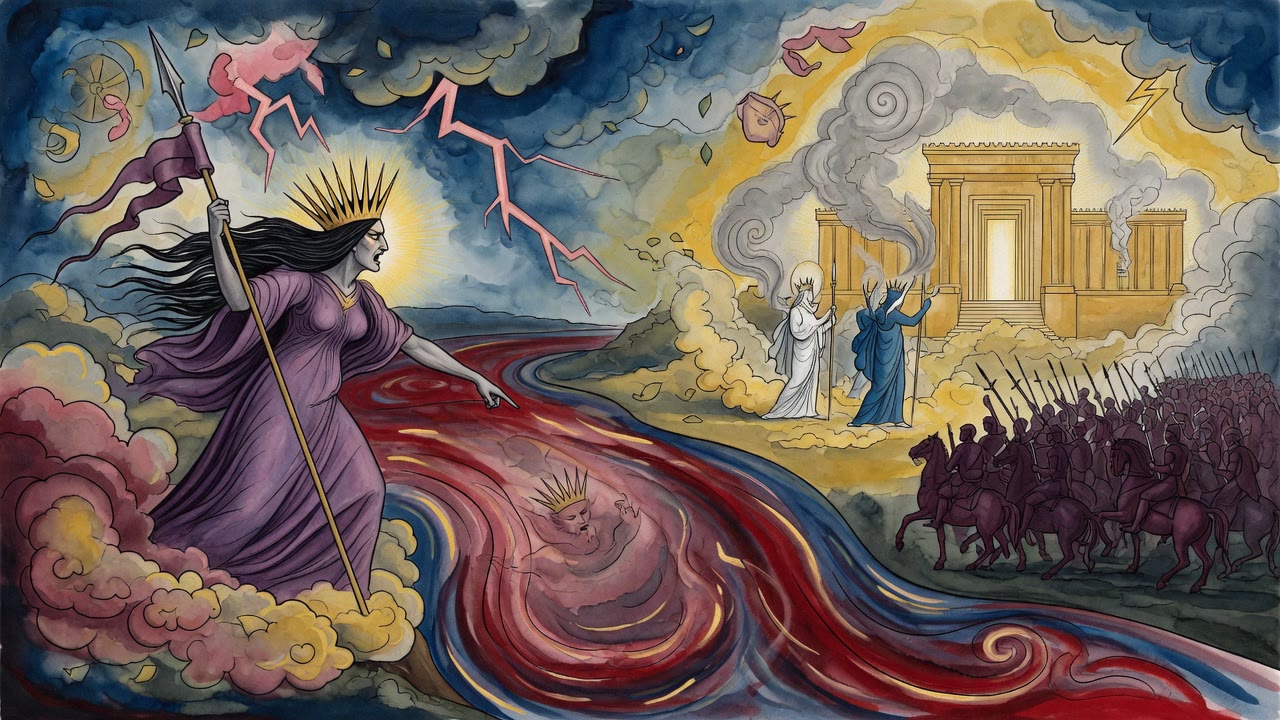
She was not finished when he stopped breathing. Tamirah walked the field until she found his body. She cut the head from the shoulders. She had a leather bottle filled to the neck with the blood of his own slain, and into that bottle she lowered the severed head of the man who had remade the map of the world.
Then she spoke to the dead king, the way the living sometimes speak to the dead when the words have been waiting too long to stay inside. "Drink and satisfy thyself with the blood which thou hast been so fond of shedding these thirty years."
His son Cambyses took the throne and took his revenge. He returned to the land of the Shittim and wiped it out, the queen, her remaining children, the whole line, so that grief could never again raise an army out of those mountains. Conquest from without had been answered from within the conquered land. The reprieve did not last long. The very next thing the chronicle remembers is a betrayal that came not from a hunted queen but from one of Israel's own.
The Benjaminite Who Went to a Foreign King
His name was Simeon, of the tribe of Benjamin, and the chronicle gives him no softening at all. Very wicked. Very rebellious. He carried a secret out of Jerusalem and laid it at the feet of Seleucus, king of Macedonia, like a man selling his own house with the family still inside it.
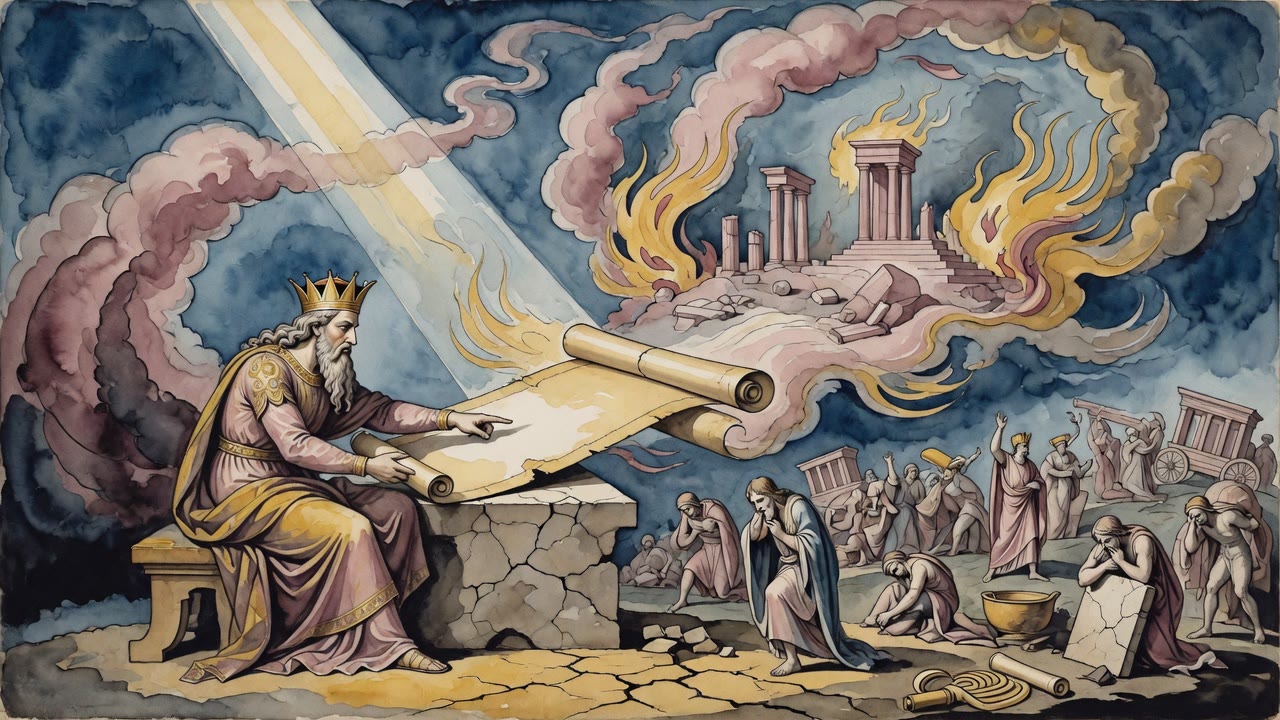
He told the king about the Temple treasury. Gold past counting. Precious stones. Wealth heaped behind the sanctuary walls that, Simeon said, would sit far better in a royal vault than in a priests' storehouse. Seleucus heard treasure and sent his army's captain, Heliodorus, to Jerusalem to take it.
At the gate the high priest Honiah met him and tried to explain what the money was. Not idle gold. Deposits left in trust by widows and orphans, sacred funds that no hand was permitted to touch. Heliodorus pushed past the priest and walked into the Temple to seize it anyway.
The Rider in Golden Armor
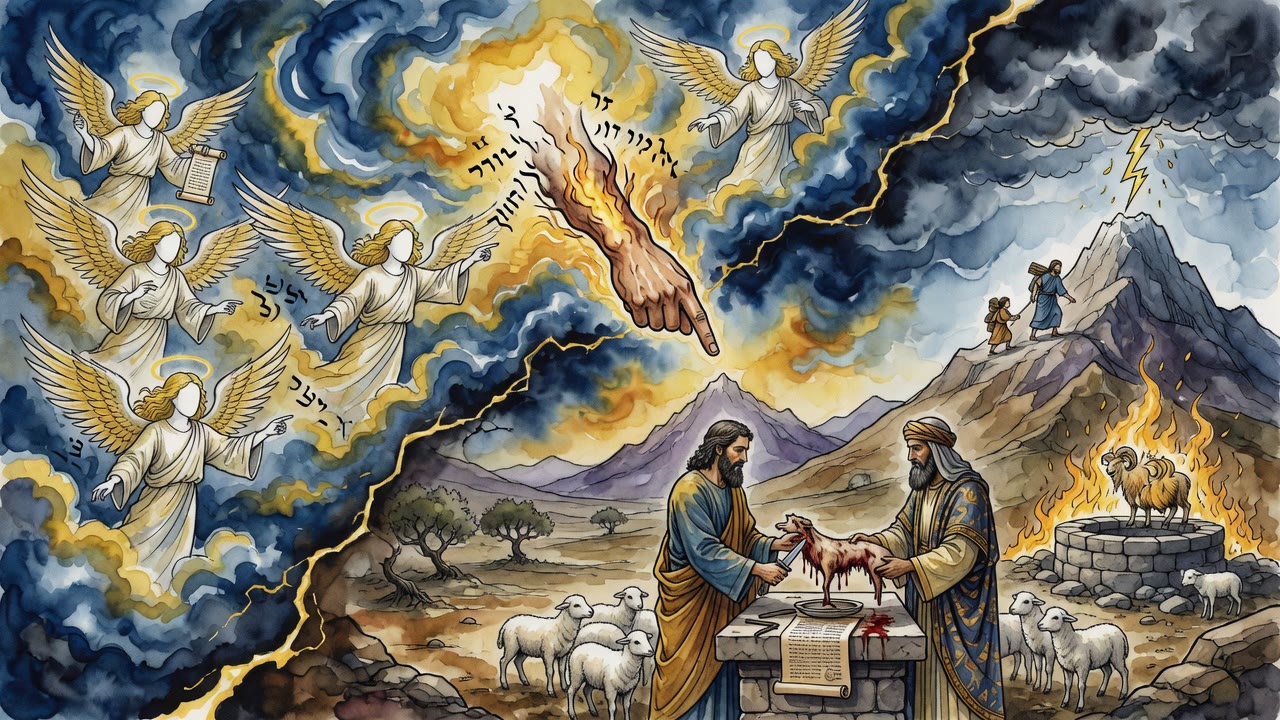
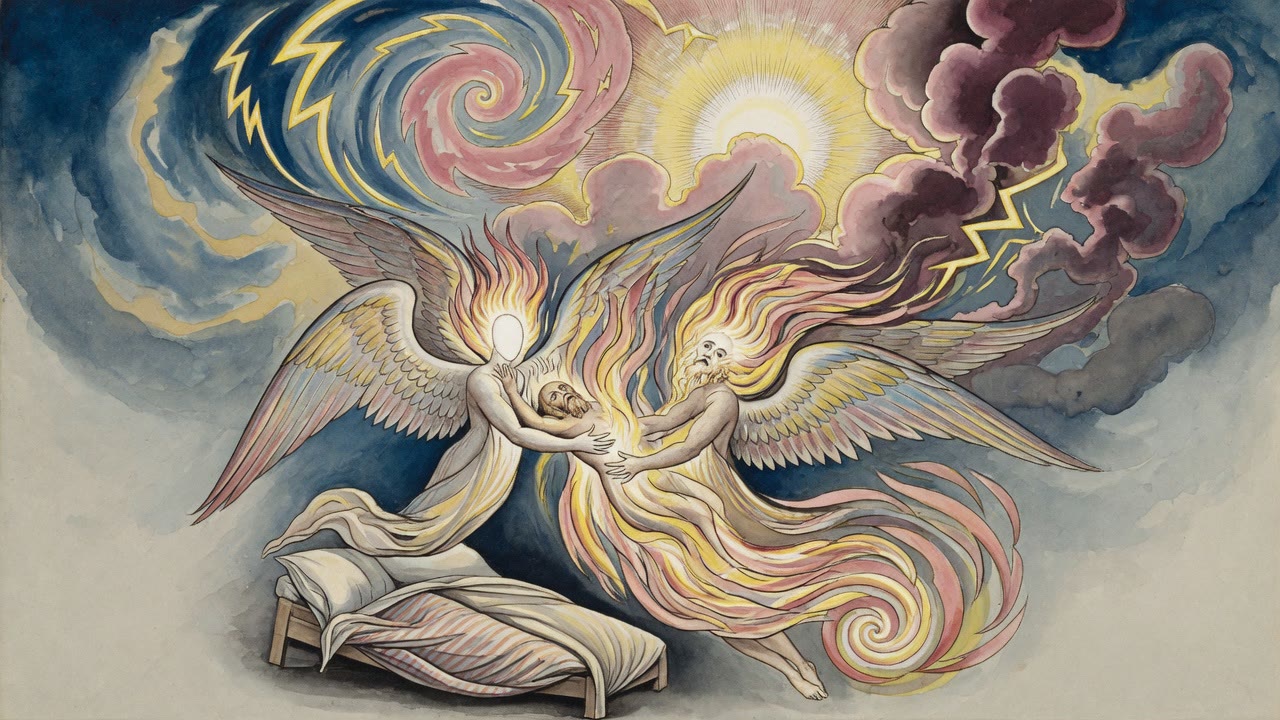
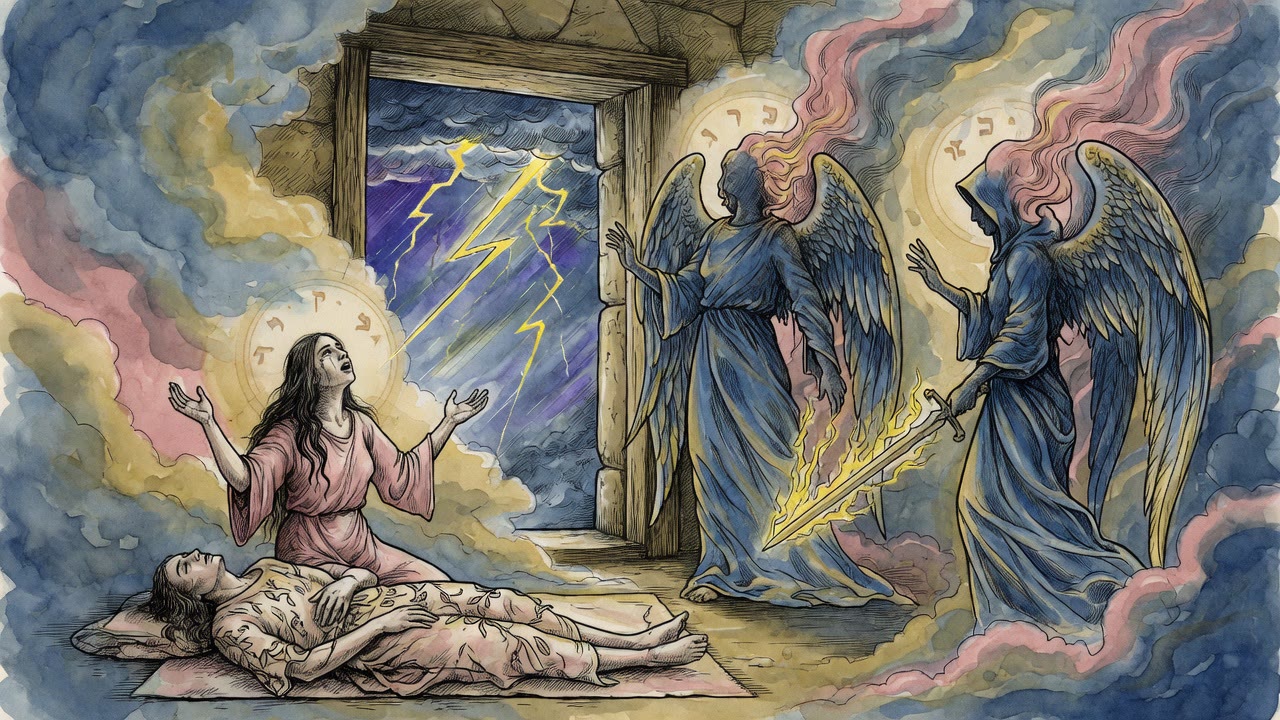
His hand never closed on the treasure. A great horse appeared in the sanctuary, and on its back a rider armored in gold, and the horse reared and struck Heliodorus down with its front hooves. Then two young men of impossible beauty stepped out of nowhere and beat him from both sides, blow after blow, until the captain of the army lay on the floor of the Temple unable to speak or to move.
His own soldiers carried him out on a stretcher, a broken thing where a conqueror had walked in. And then the high priest he had shoved aside knelt and prayed for the life of the man who had come to rob him. The two shining young men returned and bent over the wreck of Heliodorus. "Thank the priest Honiah, for it is on his account that God has spared your life."
Back in Macedonia, Seleucus asked his captain about Jerusalem. The answer was not the one a king sends an army to hear. "If you have any enemies who seek your life, send them to Jerusalem and let them enter the Temple, where they will surely be killed, for the great God reigns in that place." From that day Seleucus sent no more armies south. Every year until he died he sent gifts to the Temple instead. The traitor had marched an empire at the sanctuary, and the sanctuary turned the empire into a tribute-payer, while the man who beheaded the king of the world rotted in a bottle of the blood he had loved.
← All myths