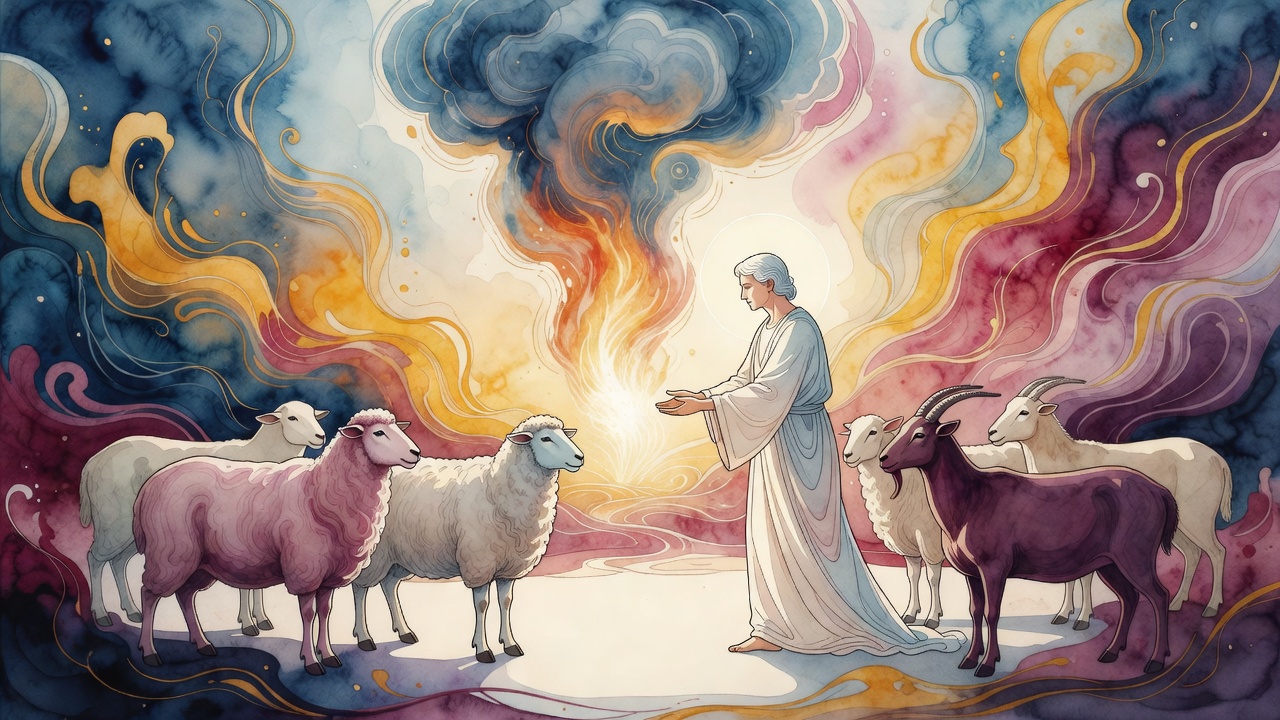
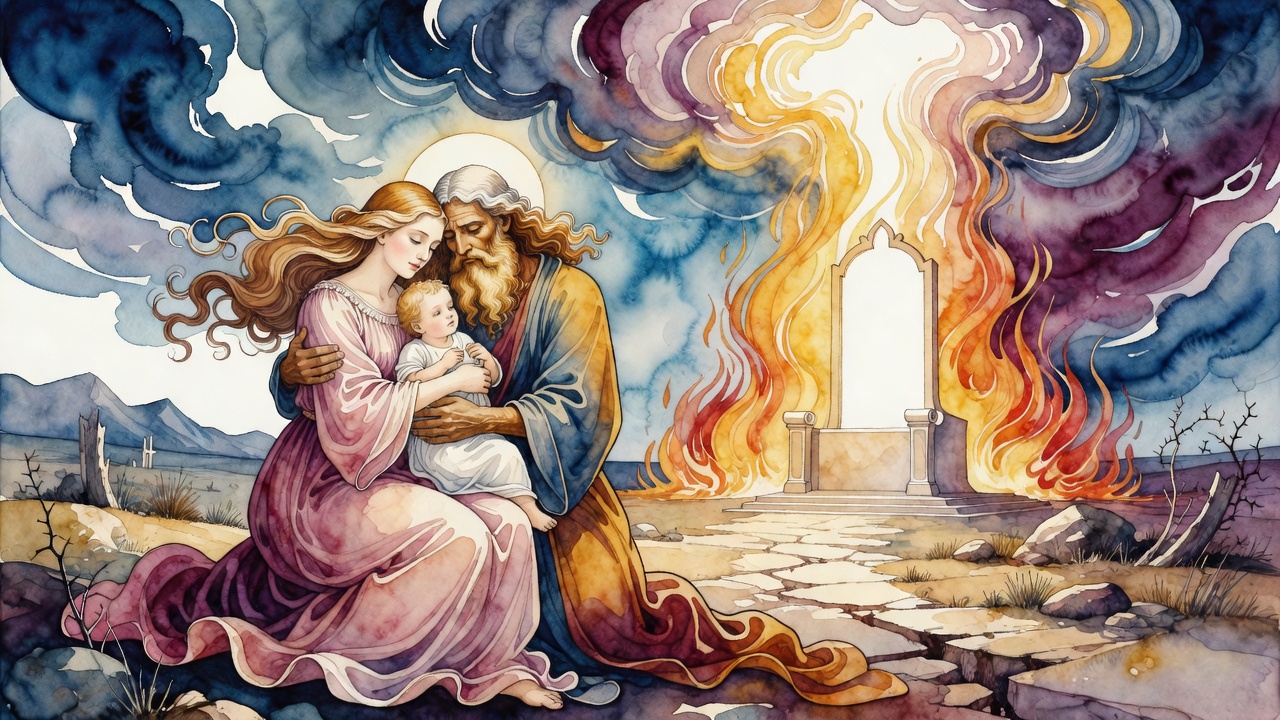
The Shekhinah Rides Between Cain and Abel
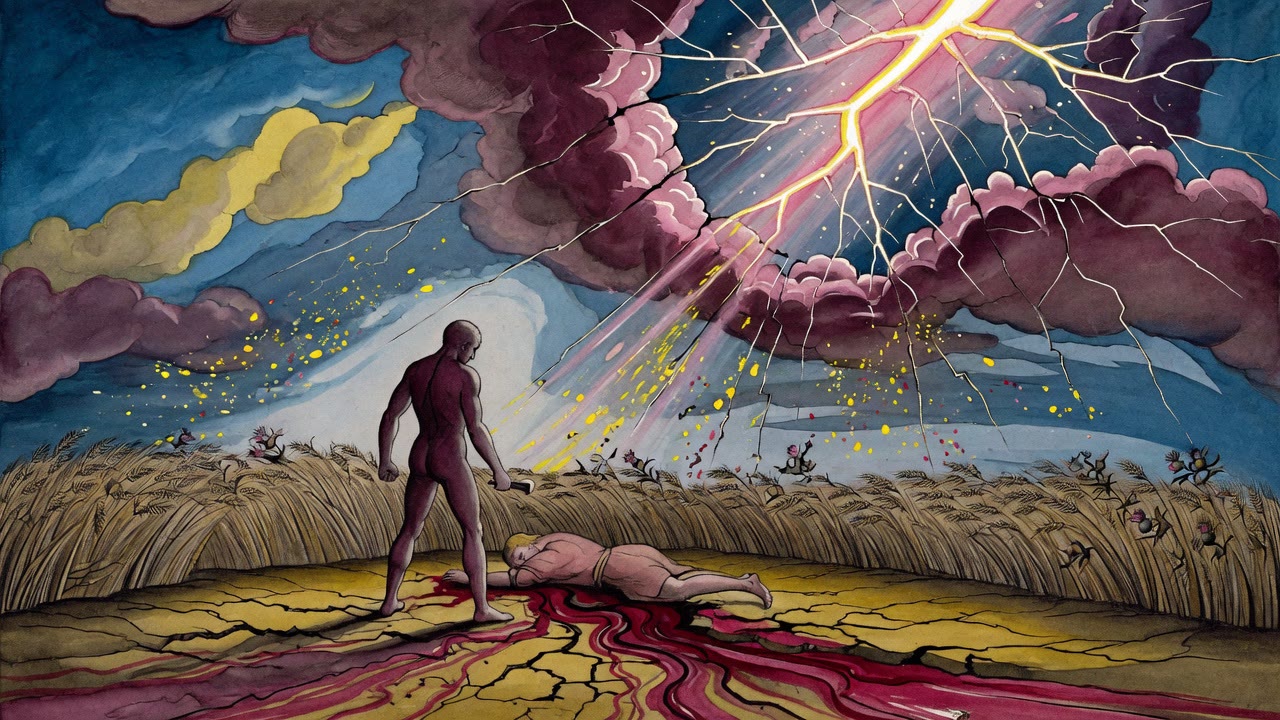
When Cain killed Abel, two letters fell out of a divine Name. Every mitzvah, every commandment, since has been putting them back.
Table of Contents
 Click for full size
The Question God Did Not Need to Ask
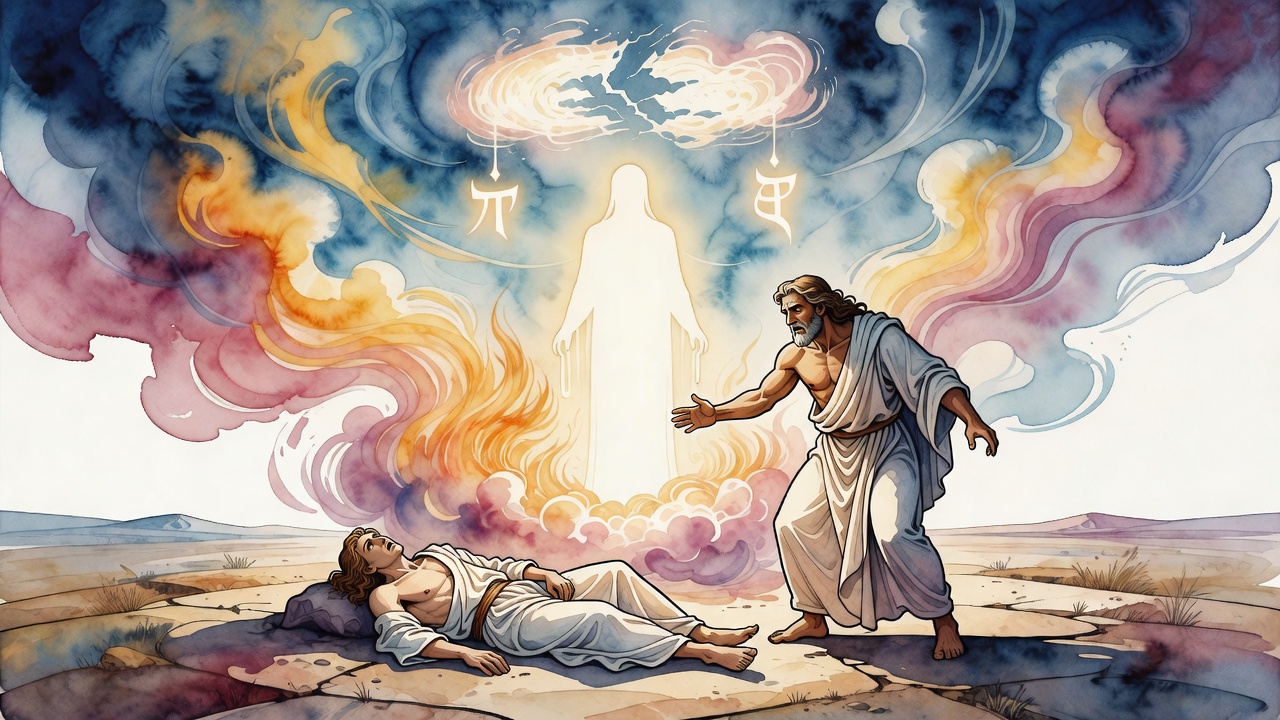
God already knew. When the question came, Where is Abel your brother?, no divine ignorance was involved. The kabbalists who compiled the Tikkunei Zohar in late thirteenth-century Castile were not interested in the obvious explanation that God was giving Cain a chance to confess. They were interested in the word itself, in the specific two letters God chose to use for that question, because those two letters were missing from somewhere important.
Ey (אֵי), the Hebrew word for where. Aleph and yod. The mystics looked at the divine name Adonai, spelled aleph-dalet-nun-yod, and stripped those same two letters from it. What remained was DN, the Hebrew root for judgment. The Name had been stripped of its aleph and its yod. What was left was pure verdict, without mercy, without thought, without the design that aleph (the first Hebrew letter) encodes or the divine creativity that yod carries. Abel's death had done that. Not metaphorically. In the actual structure of the Name.
What Abel Actually Broke
The aleph, in this kabbalistic grammar, stands for the hidden Designer at the source of all things, the primal aleph of Anochi, the God who says I am. The yod, the smallest letter, stands for thought. But the mystics refused to let thought stay simple. There is the thought of the upper realm, the creative intelligence that precedes speech. And there is the thought of the lower realm, the Shekhinah herself, who is the lower yod in a different divine name, the divine feminine presence that rides between the worlds.
When Abel died, both kinds of thought went missing from the Name. The upper design and the lower presence were severed from each other. Murder did not just kill a person. It broke the grammar of the divine.
Between Two Brothers, a Throne
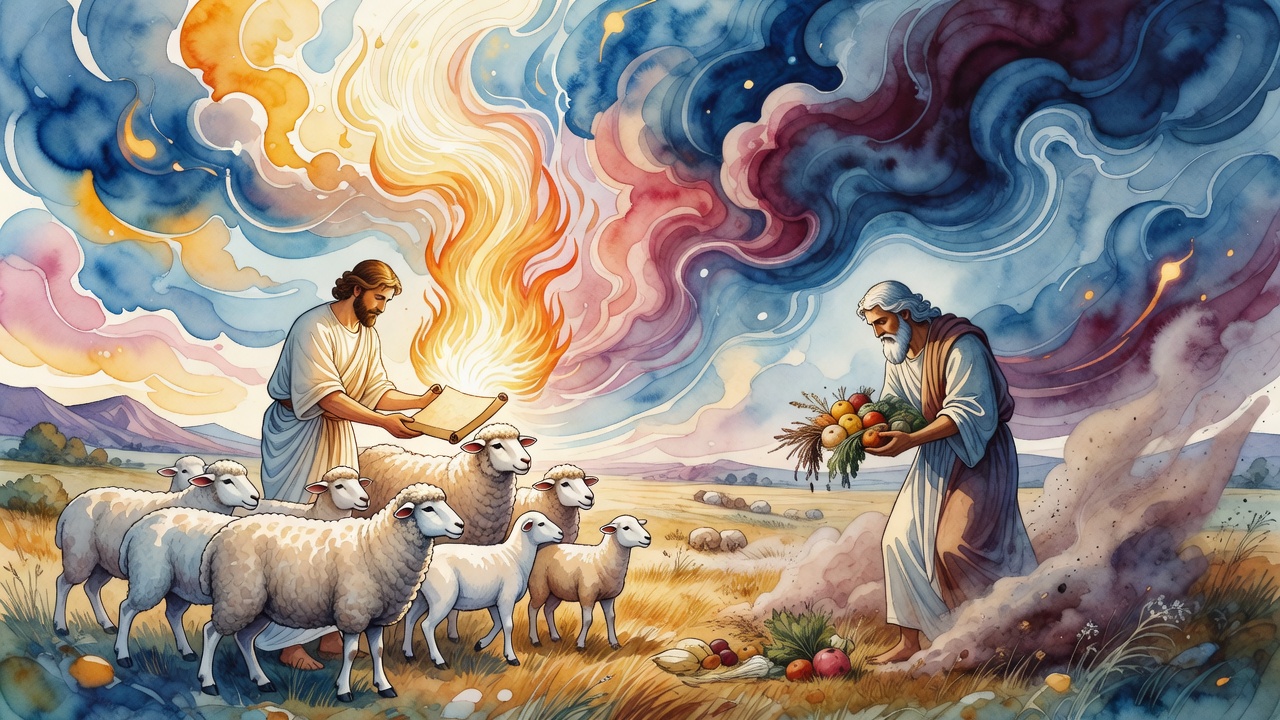
The Tikkunei Zohar reads the scene before the killing with as much attention as the killing itself. Cain brought an offering. Abel brought an offering. The text says God looked on Abel's offering with favor and not on Cain's. The kabbalists asked where the Shekhinah (the Divine Presence) was at that moment. Their answer: riding between the two brothers, present to both, partial to neither yet, waiting to see what the offerings would reveal about the men making them.
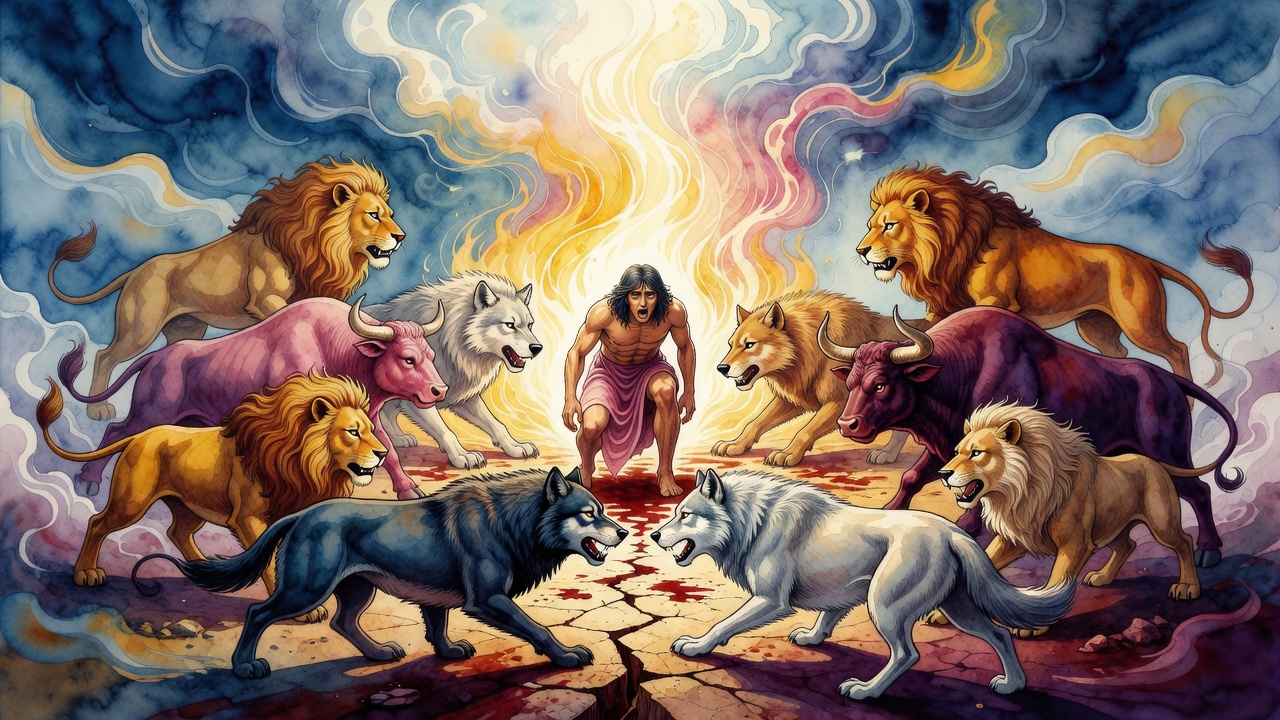
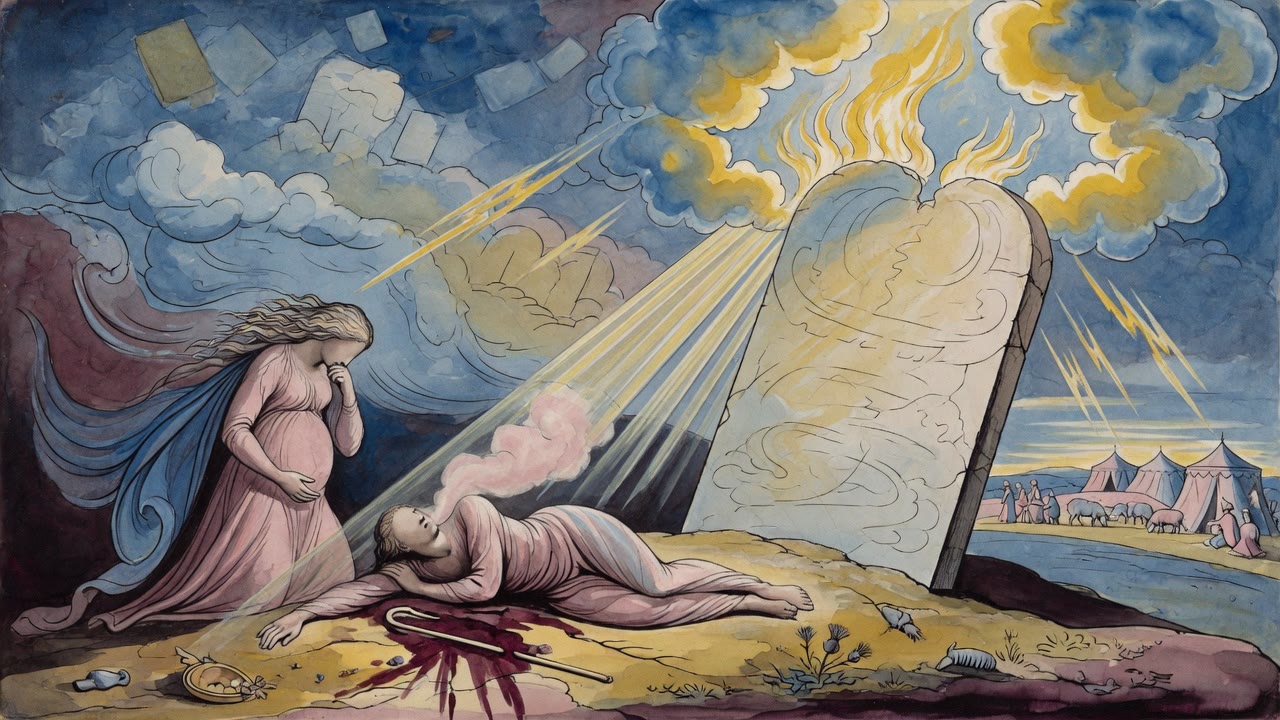
What she saw in Abel was a person who gave without calculation. What she saw in Cain was a person who gave to win. And then Cain killed his brother and the Shekhinah had to carry the loss of both of them, the one who died and the one who became unreachable in a different way. She was still riding between them, in the kabbalistic reading, except that one side of the seat had gone empty and the Name had lost two of its letters and God had to stand there asking a question whose answer had broken everything.
The Stitch That Holds
Every mitzvah, the Tikkunei Zohar says, is a stitch that returns one letter to the Name. This is not metaphor deployed as encouragement. It is the literal mechanism the book describes. A person who performs a commandment with full attention is not accumulating merit. They are performing a repair, tikkun, putting back what was removed when the first act of human violence tore the grammar of God apart.
The Shekhinah waits for enough stitches to close the wound. She has been waiting since the field where Abel fell. The kabbalists who wrote this in Castile in the 1280s and 1290s, watching their own communities fracture under pressure from outside and from within, understood that the stitching was not going to finish in their lifetimes. But they also understood that the work was not optional. Every prayer, every act of restraint, every moment of genuine charity was one aleph or one yod moving back toward the Name that had been missing them for longer than any of them could count.
← All myths