The Silent Waters Praised God Until People Could Speak
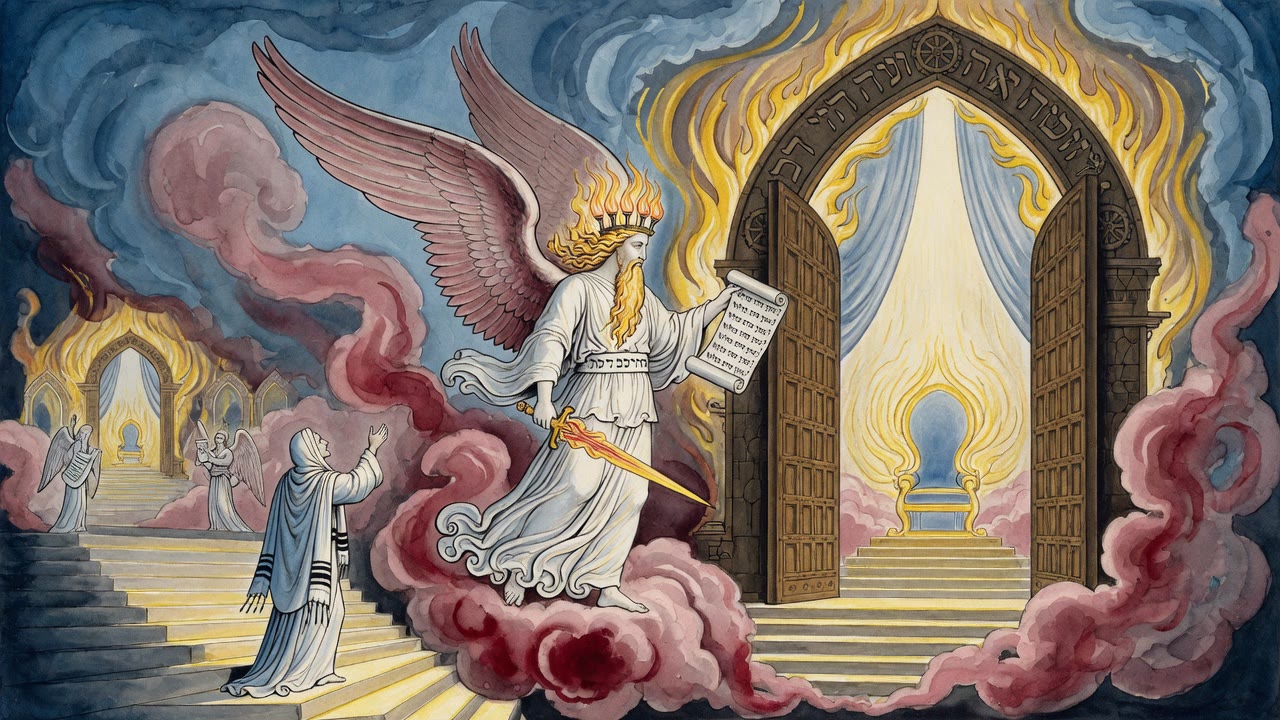
A king moved mute tenants into his new palace. They greeted him at dawn with fingers and a kerchief. He wanted voices instead.
Table of Contents
A king built a palace and settled mute people in it.
 Click for full size
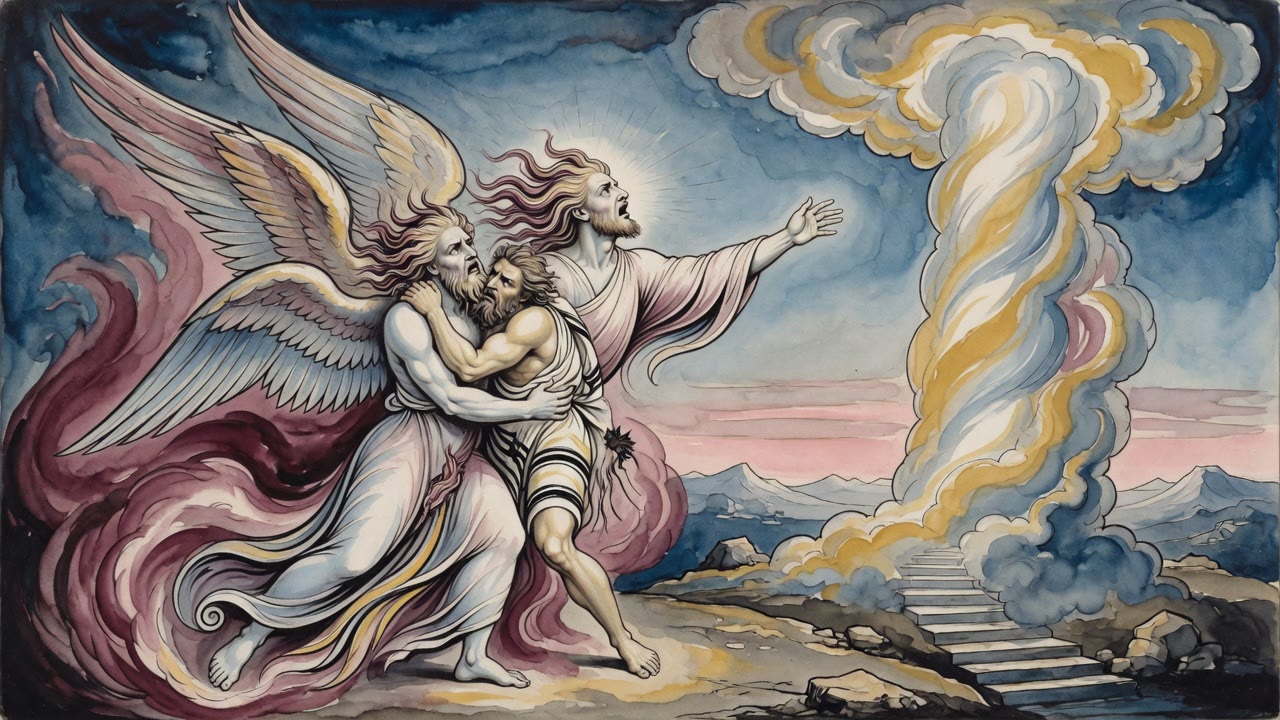
They greeted him anyway. Every morning they woke before he did and stood along the corridor where he would walk. When he came through they asked after his health with their hands. Fingers moving. A kerchief lifted, turned, lowered. Whole sentences of good wishes going by without a sound in them.
The king stopped. He stood in the corridor and counted the lifted cloths. If these people, who have no voices at all, are up at first light greeting me like this, what would it be like to have tenants with mouths?
He opened the doors and sent the silent ones out of the house. He brought talkers in.
The Talkers Seized the Palace
They got up the next morning and took the building.
"This house is not the king's," they said. "This house is ours."
He had waited a long time to hear a sentence out of that corridor, and that was the sentence. He gave one order and did not argue it. Put the palace back the way it was.
The mute tenants had never claimed a wall. The ones with mouths claimed every room before breakfast.
The Water Said the Lord Is Mighty
Before anyone anywhere had a throat, the only praise going up in the world came off the water.
From the voice of many waters, from the mighty breakers of the sea (Psalm 93:4). And what were they saying down there, all that time, with no one to hear it? The Lord is mighty on high.
They had nothing to say it with. No lungs, no palate, no tongue to shape a syllable. They said it with weight and collision, with an entire ocean throwing itself at a shoreline on a schedule and dragging back and doing it again. The noise went up as worship because nothing else in creation was making any. The sea praised Him with that, and nothing else in the world had been given anything better.
If these, God said, that cannot talk and cannot speak, praise Me like this, then once I make a man, how much more.
The Measuring Cord Over the Sea
On the third day the command went out. Let the waters be gathered to one place, and let the dry land appear (Genesis 1:9).
God stretched a measuring cord, a kav (קו), over the water the way a builder chalks a wall before he lays a course. The same kind of line later stretched over Jerusalem. Every drop received an edge it was not going to cross. At His rebuke they fled. At the sound of His thunder they rushed away (Psalm 104:7).
Then He told the water to wait. Hold where I have put you. Stay ready for what I intend to do with you later.
Nobody told the sea what that was. It sat inside its line, keeping the edge, saying the one thing it knew.
The Old Tenants Came Back
The generation of Enosh rose and rebelled. The generation of the Flood rose and rebelled. The generation of the Dispersion rose and rebelled, and the palace filled up with people explaining whose house it was.
"Put these out," God said, "and bring back the ones who lived here before them."
What do they think, He said. That I need lions for this? Regiments of soldiers? I made the world with speech. I can take them out of it with speech. They were made out of soil. And what carries soil away? Water.
Rain fell on the earth forty days and forty nights (Genesis 7:12). Water climbed the fields. It entered the houses. It covered the roofs and the arguments and the mouths that had claimed the palace. The line the cord had drawn on the third day came up and kept coming. The old tenants moved back into every room. The sound on the water went on saying the only sentence it had ever known.
The talkers had seized the house. They got the sea instead, and the sea did not answer them. It had been waiting since the third day, kerchief already lifted, for the order that would send it down the corridor again.
← All myths