The Temple's Golden Trees Withered When Menashe Bowed
Solomon planted golden trees inside the Temple that bore real fruit. One king's idol made the whole forest die in a single afternoon.
Table of Contents
 Click for full size
The Forest Inside the House
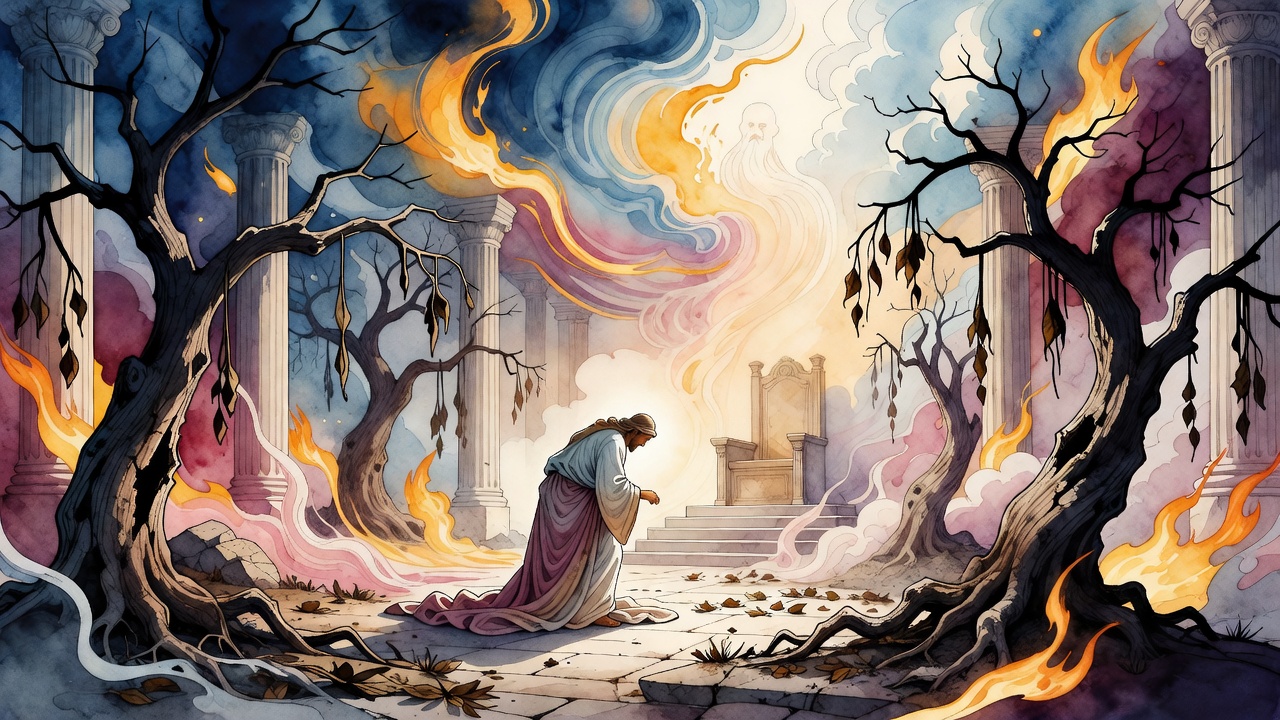
Solomon built a forest inside the Temple. Not carved wood or gilded reliefs on the walls, though there were those too, but actual trees with roots in the floor of the sanctuary, branches spreading toward the ceiling, leaves that moved when a breeze came in from the courtyard. And the trees were gold. Real gold in the grain of the wood, gold in the veins of the leaves, gold glinting from the bark. And they bore fruit.
When the orchards and vineyards of the Land of Israel were in season, the gold trees inside the Temple bore fruit alongside them. The blossoms came. The small green knots of early fruit appeared. The fruit swelled and colored and ripened until it hung heavy on gold branches in the most sacred room in the world. Then, when the harvest season ended outside, the fruit inside dried and fell and the gold branches were bare again until the next spring.
That was the Temple the tradition imagined. Not a museum of religious objects. A living house, keyed to the rhythms of the land outside its walls, beating in time with the agricultural year.
Seven Kinds of Gold
The rabbis catalogued the gold used in the construction with the same precision they brought to everything. There were seven distinct varieties. Pure gold so refined that Solomon threw a thousand talents into a furnace a thousand times over until a single refined talent remained. Chased gold called sagur, so rare that every goldsmith in the country would close their shop whenever a piece came to market because nothing they could produce was worth showing beside it. Refined gold so perfectly purified that artisans fed it to ostriches and recovered it from the bodies of the birds, which somehow stripped impurities the furnace could not reach.
The rabbis knew these metals did not exist in any catalogue a merchant could consult. They were naming a purity beyond what human craft can achieve, a set of materials that could only have been brought into the world by the same hands that spoke light into existence on the first morning. The Temple was built from things that were impossible to make but possible to receive.
The Afternoon the Forest Died
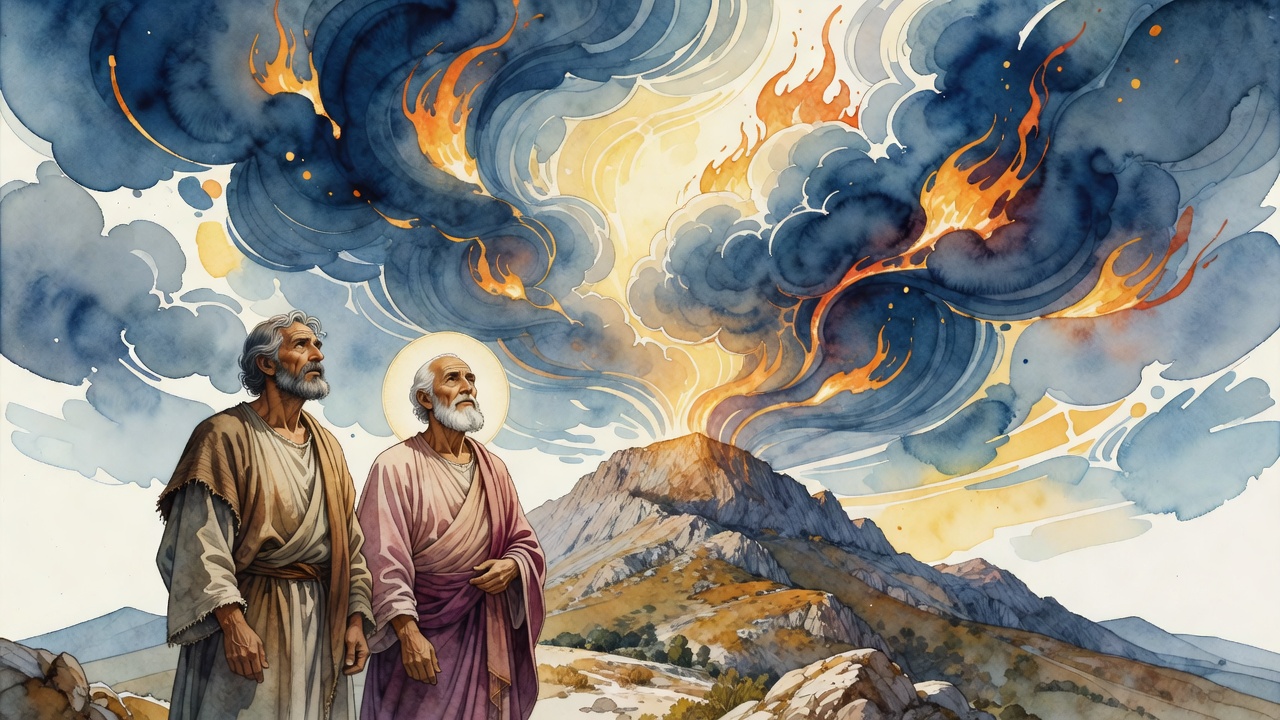
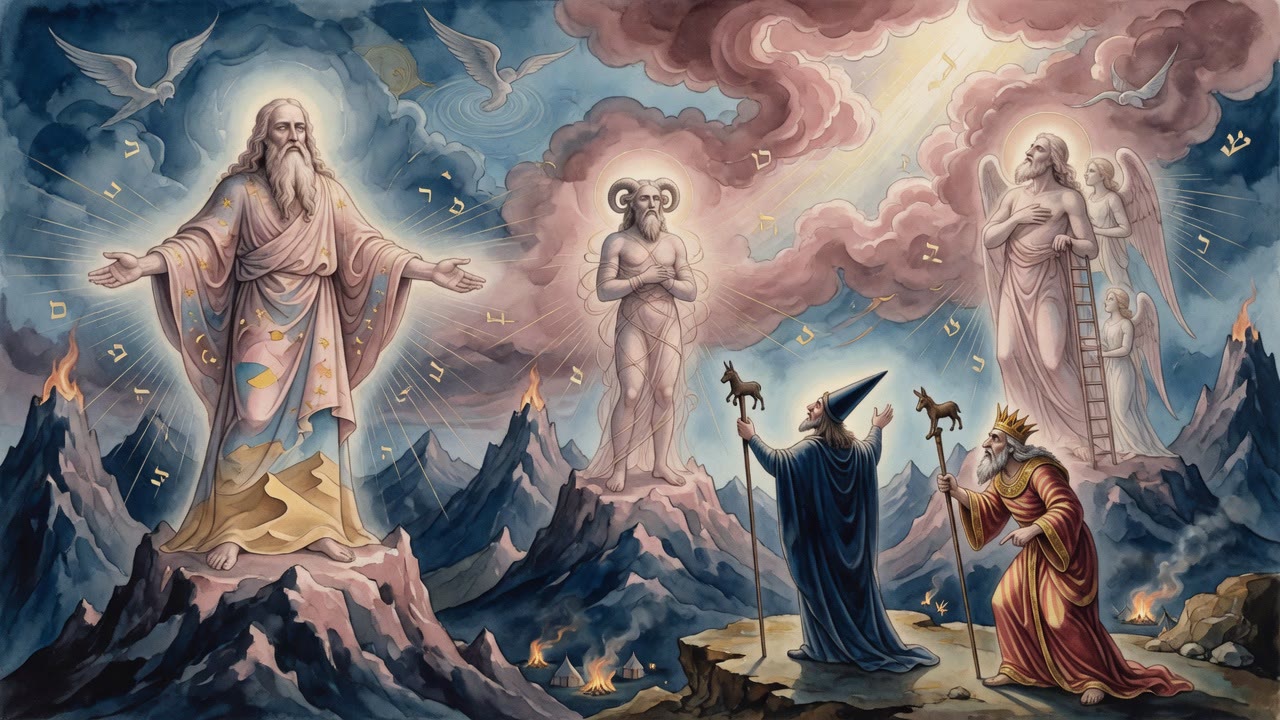
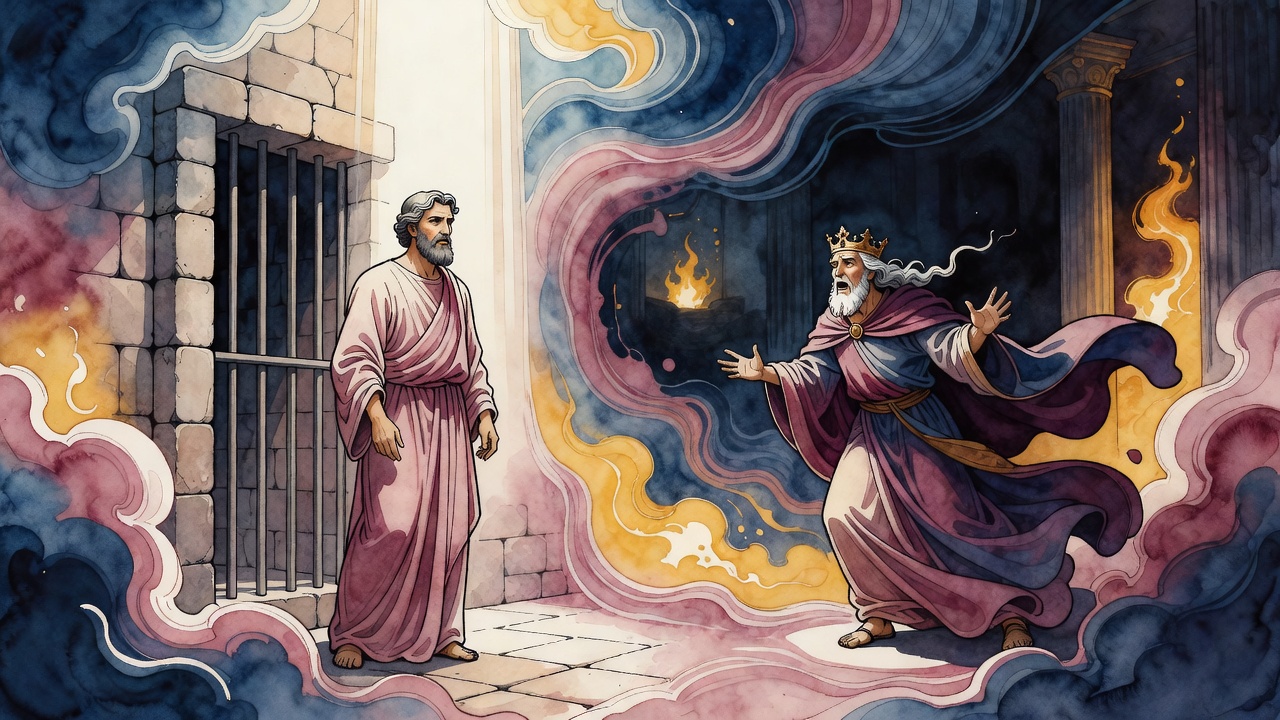
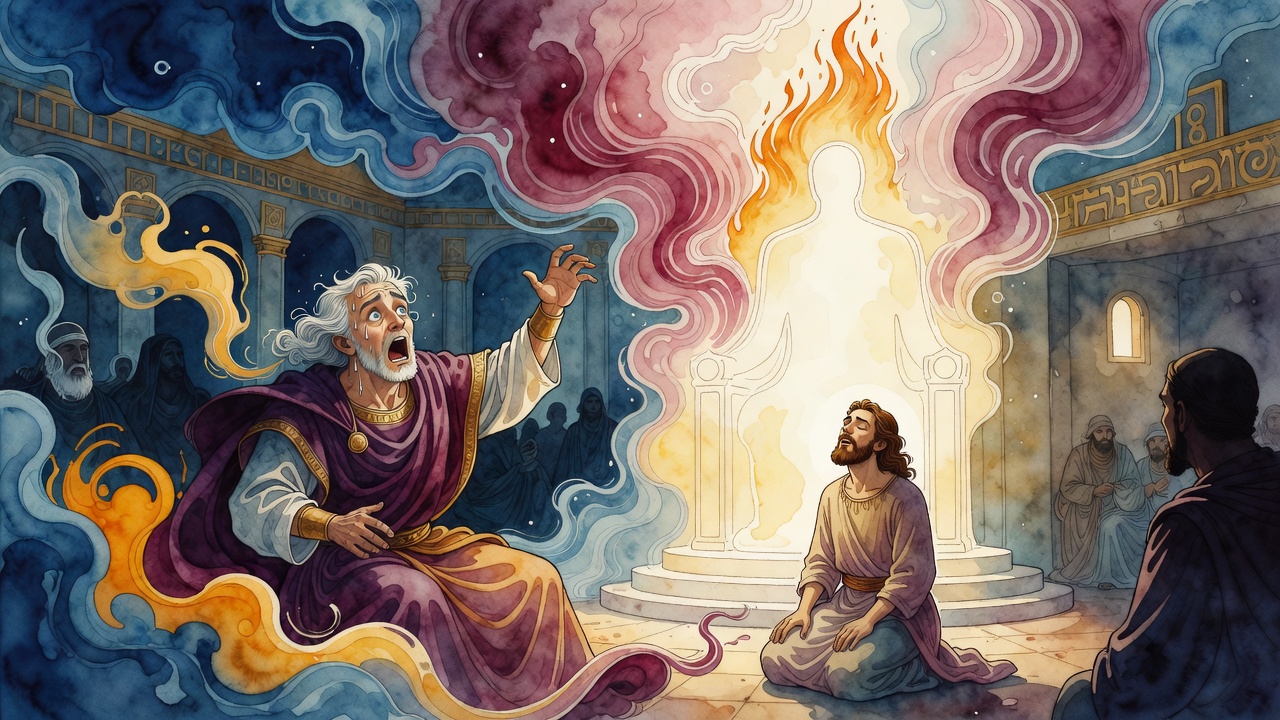
King Menashe brought an idol into the Temple. The tradition was specific: he placed it in the inner sanctum, in the Holy of Holies, the most sacred space in the building. He bowed before it inside the house that was meant to hold only one Presence.
The gold trees died in that afternoon. Not slowly. Not over a season. The leaves went first, dropping from the branches without being touched, the way leaves fall when the root connection severs at once rather than gradually. The fruit dropped green and hard. The branches went dry. The whole forest that had been breathing in time with the orchards of Israel stood dead inside the sanctuary before anyone outside the walls knew what Menashe had done inside them.
The world outside did not change immediately. The vineyards of Israel still bore fruit that season. The crops still grew. Only inside the Temple, in the room where the gold trees had kept perfect time with the living land, did the death register at once. What Menashe bowed toward in the inner room was exactly proportional to what it cost him in the room where he bowed.
What Garmu Knew
There was a family of priests, the house of Garmu, who held the secret of baking the showbread, the loaves placed on the golden table in the Temple every week. They refused to teach their method to anyone outside the family. The rabbis criticized them for this: knowledge of sacred service should not be hoarded.
But then the tradition recorded what happened when the rabbis tried to replace them with Alexandrian bakers. The replacement bread went stale in a way the original bread never had. The original showbread had stayed fresh, warm, as aromatic on the day of its removal as on the day it was placed. The Alexandrian bakers made better-looking bread that tasted like nothing and dried out like common loaves. The house of Garmu was called back.
The gold trees that died when Menashe bowed and the showbread that went wrong when Garmu was replaced were the same argument in two versions: the Temple was not a building that could be operated by substitutes. The people who kept it running were woven into it. When the sacred relationship was replaced by idolatry or by competent strangers, the building registered the substitution in the only language it had: the gold went dead, the bread went dry.
← All myths