Two Sages Met the Angel of Death and Only One Walked Away
Ben Sabar earned two hundred more years by helping an orphan marry. A younger sage was taken mid-study, desired above, and mourned for three days.
Table of Contents
 Click for full size
The Sage Who Helped an Orphan Home
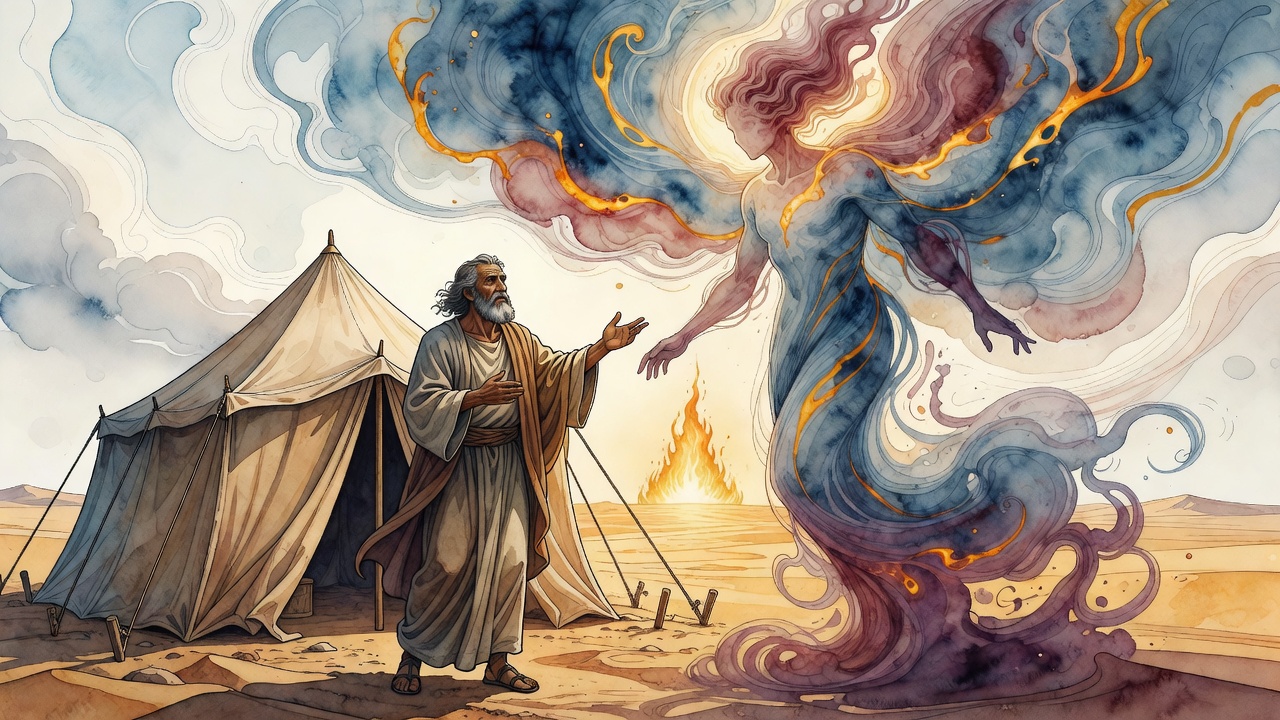
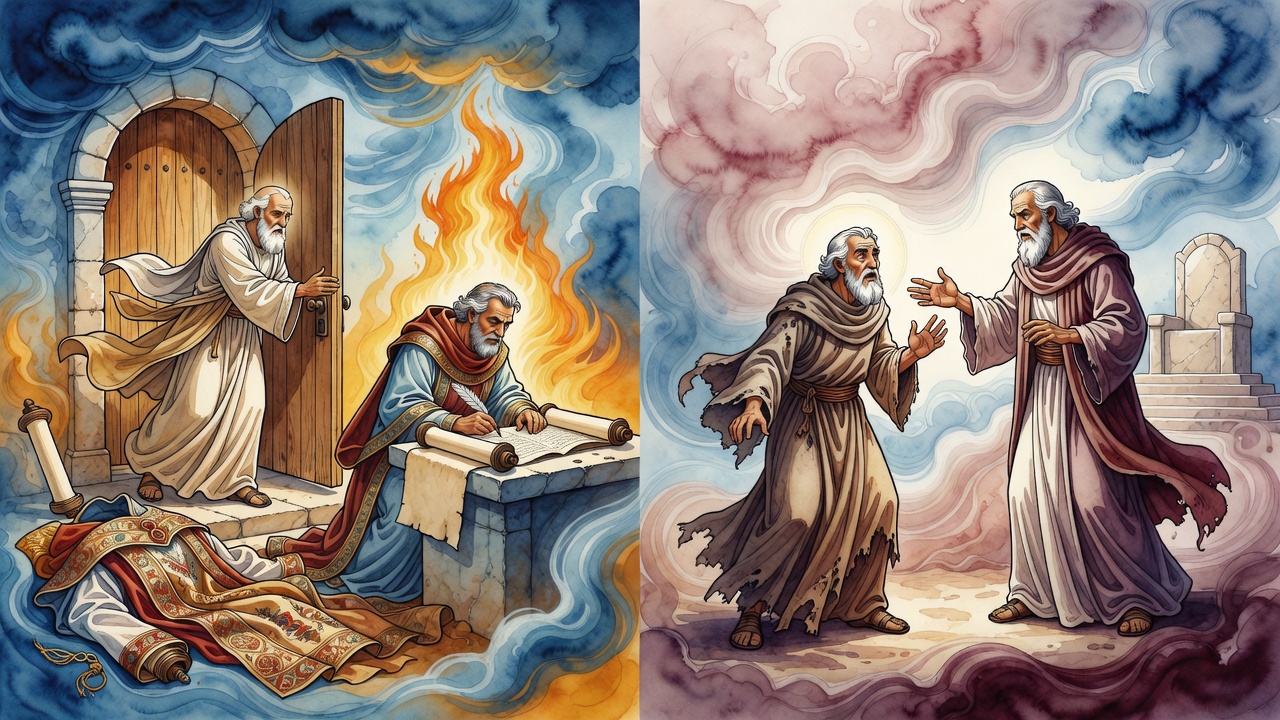
Ben Sabar was walking home from a wedding he had arranged for an orphan girl who had nothing, no family, no dowry, no one to act on her behalf. He had given what was needed and made the match, and now the work was done and he was on the road.
The Angel of Death was waiting for him on that road. His time had arrived. The angel said so.
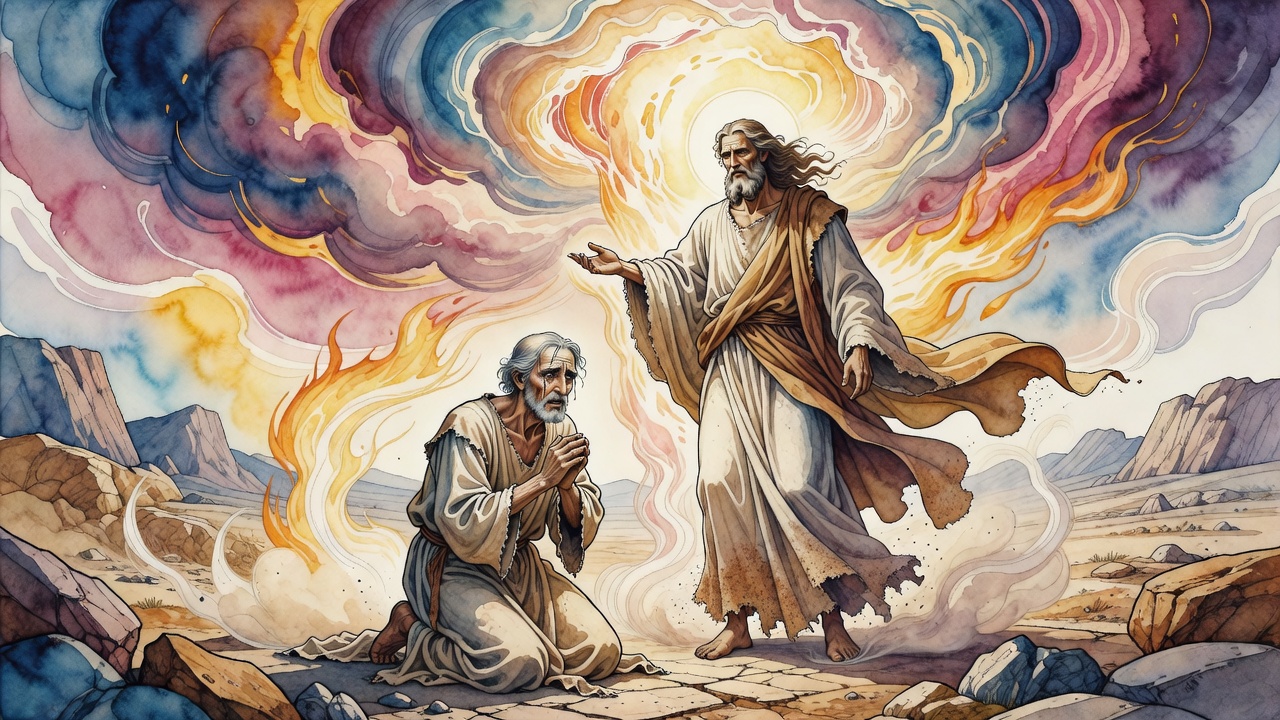
Ben Sabar did not argue with the angel. He went instead to Rabbi Shaffan ben Laish, the great sage of his community, and threw himself at the sage's feet. Something happened in that meeting. The Exemplum does not say what. It says only that Rabbi Shaffan examined the matter and declared that Ben Sabar's act of chesed, the helping of an orphan to marry, a kindness for which heaven keeps no ledger because no repayment is possible, had earned him more time. The Angel of Death could not take him.
The exemption lasted two hundred years.
What Two Hundred Years of Borrowed Life Means
The medieval storytellers who preserved this account in Moses Gaster's 1924 anthology of Jewish folktales were not recording a fantasy. They were recording a principle. In the tradition of these stories, a single act of selfless kindness performed at the right moment can intercept a divine decree.
The orphan had no parents to arrange her wedding. Ben Sabar had no obligation to help her. That gap between obligation and action, the space where a person does more than required, is the exact space where these tales locate divine response. What made the Angel's appointment invalid was not legal argument but the size of what Ben Sabar had done on the day he was supposed to die.
The Sage Who Was Desired Above
The other story in Gaster's collection sits only a few pages away, and it ends differently. Rabbi b. Nahman had been accused of keeping people from their work for two months, detaining them in a village for study. The charge drove him away from the community. But flight could not help him.
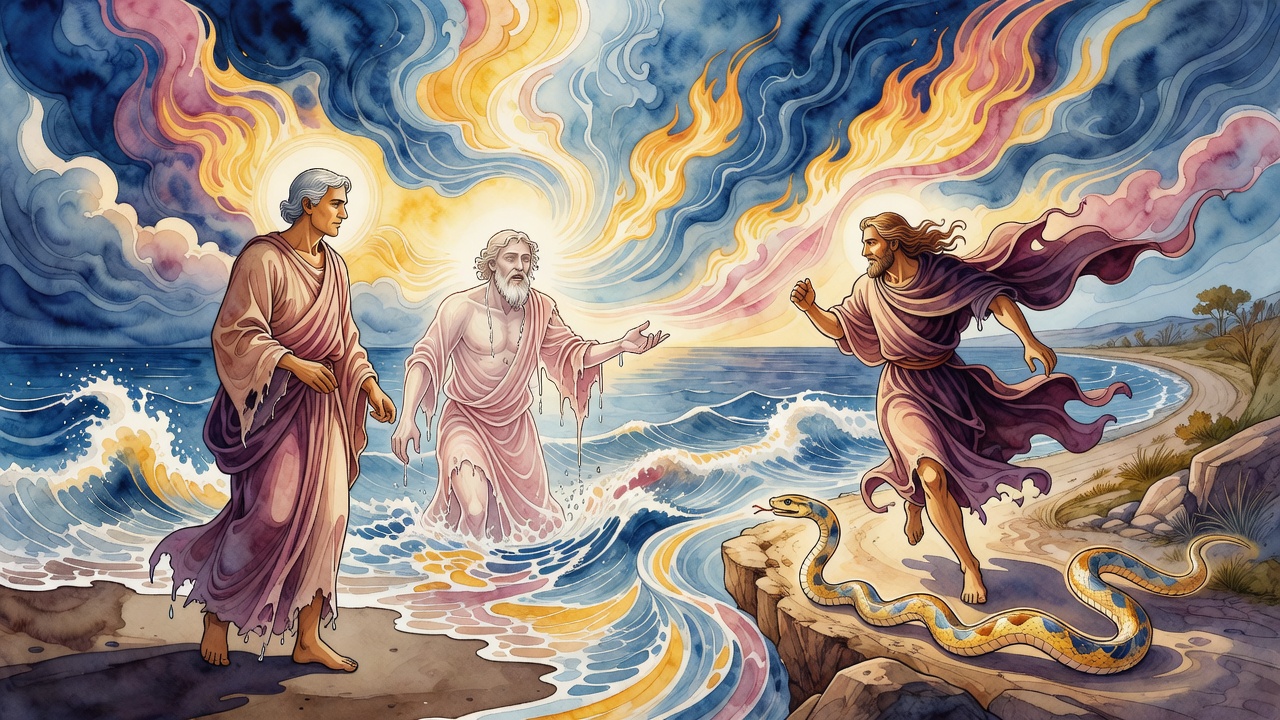
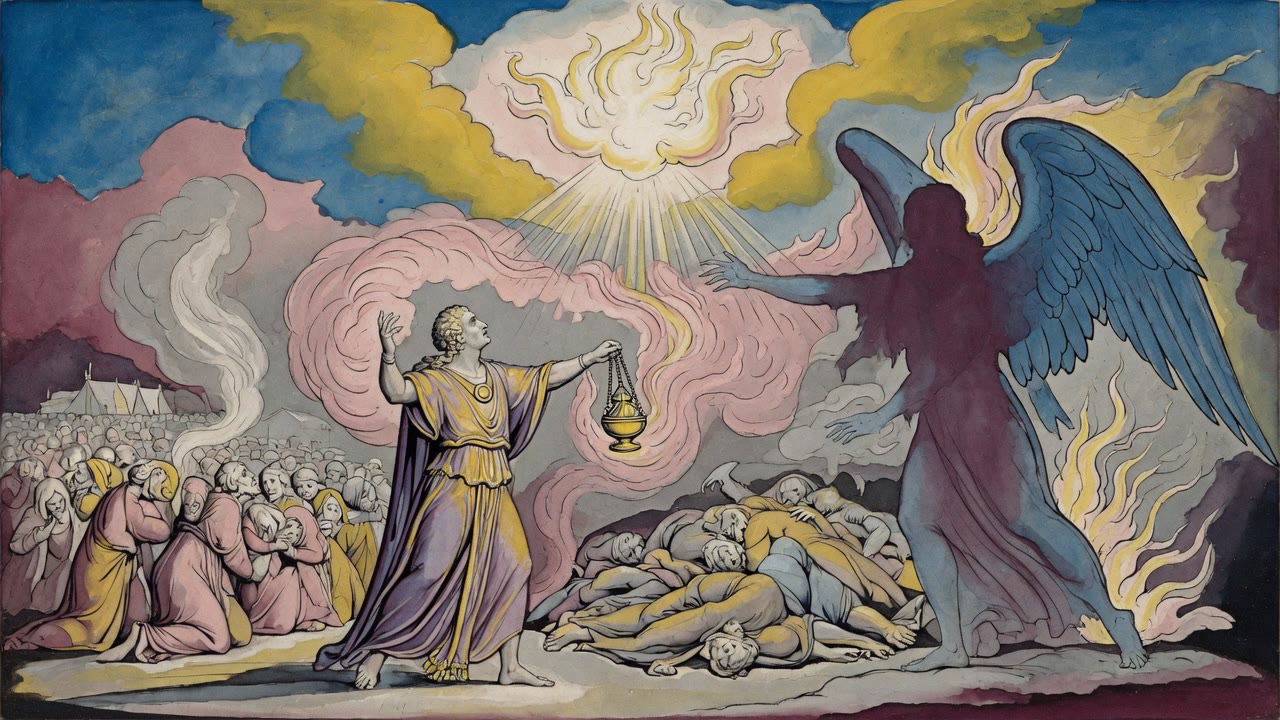
The Angel of Death caught him while he had paused to study, in the very act that had defined his life. He was taken mid-text, mid-thought, mid-sentence. The Exemplum says he was desired above. This was not punishment. This was the heavenly court wanting him back before he had time to arrange his own exemption.
His disciples found the body because birds circled the place and cast shadows over it. Creation disclosed what he had not announced. The natural world bent to mark his resting place, and his students mourned him for three days in the field before carrying him home for burial.
Why Both Stories Sit Together
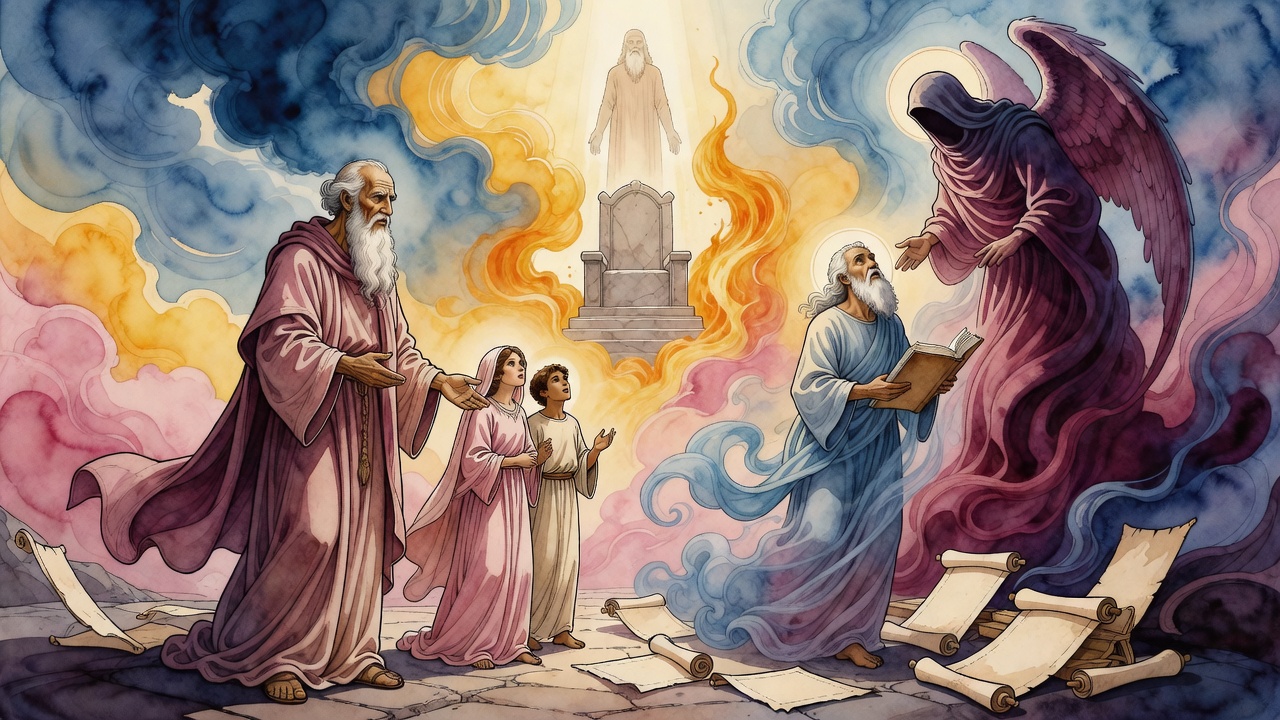
Moses Gaster placed these two tales in sequence deliberately, and the Exempla of the Rabbis, his 1924 compilation drawing on manuscripts spanning nearly a thousand years of Jewish storytelling, preserves many such adjacent pairs. The proximity itself carries the weight. Taken one at a time, each story gives a partial answer about death and righteousness. Set side by side, they refuse to flatten the question.
Ben Sabar's kindness bought him two centuries. Rabbi b. Nahman's learning brought him early to the place where learning originates. Neither ending is a verdict on the other. The collection holds both without harmonizing them, because the Angel of Death in these tales does not operate on a logic that any single story can exhaust.
← All myths