The Census Number That Should Not Have Matched
The census and the Tabernacle silver matched. The rabbis found a hidden calendar, a Levite spared from death, and Bilam's oldest secret inside the number.
Table of Contents
 Click for full size
A number that refused to stay coincidental
Six hundred three thousand, five hundred and fifty. That was the count Moses took of Israel's fighting men on the first of Iyar in the second year out of Egypt. The number sat in Numbers 1:46 as plain arithmetic. The rabbis sat with it longer and found something underneath.
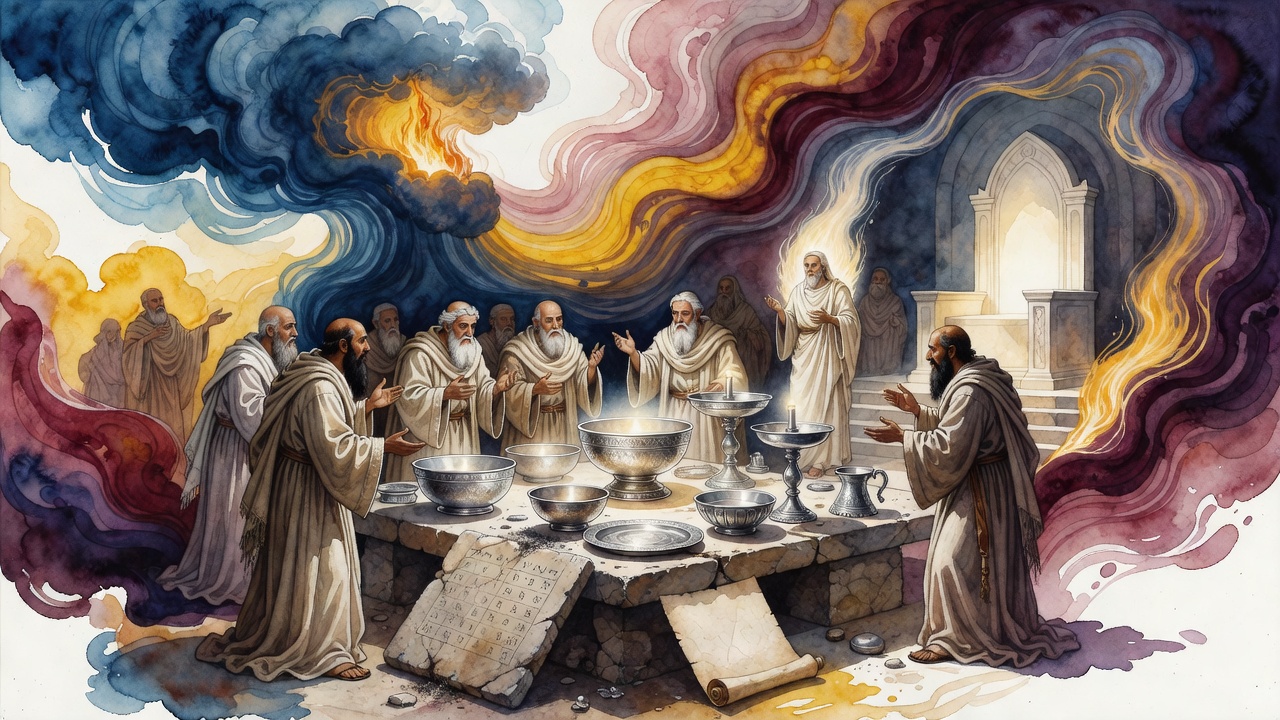
That same figure, or nearly the same, appeared once before. When the silver was melted down for the Tabernacle's foundation sockets, each man had contributed a half-shekel, and Exodus 38 records the total donors as six hundred three thousand, five hundred and fifty. The collection and the census landed on the same number. Two different events, a year apart, and the total was identical.
The rabbis did the math again. It did not make sense if you counted the years the obvious way.
The calendar hidden inside a surplus
The problem was mechanical. If a young man turned twenty between the day of the silver collection and the day of the Iyar census, he would have been too young to donate silver but old enough to be counted in the military census. The census should have been larger than the silver collection. It was not. Both numbers were the same.
Bamidbar Rabbah's answer was liturgical, and it bent the calendar. The rabbis proposed that Israel counted manhood from Tishrei, the autumn month, rather than Nisan, the spring month of the Exodus. Under that reckoning, the young men who turned twenty between the half-shekel collection and the Iyar census had already been counted from the previous Tishrei. The surplus did not exist. The numbers matched because the calendar worked differently than anyone had assumed.
Inside a single census number, the rabbis found proof that Israel measured its generations from the creation of the world, not from its liberation from Egypt.
The Levite who escaped the death decree
The Levites were not counted in the main census. Their count came separately, by household, assigned to carry the Tabernacle instead of to fight. But within the Levite count, one figure captured the rabbis' attention.
Moses was a Levite. In the midrash's reading, Moses counted everyone around him, organized all the other tribes, and verified every lineage. But when it came to the Levite count that included his own family, something unusual happened. The text suggests he handed that count off, or that it ran differently. The rabbis read this as a deliberate exclusion that was, in fact, a mercy.
The Levites had been spared from the plague that struck those who worshipped the Golden Calf, not because they were blameless, but because they had stood with Moses at the moment of crisis and carried out the consequences. Their exemption from the fighting census was not a demotion. It was a different assignment. The Levites carried holiness across the wilderness instead of carrying weapons. Moses, the rabbis noted, belonged to the tribe that lived inside the same paradox: chosen not because they were better, but because they had chosen, at the hardest moment, to be present.
Bilam before the beginning
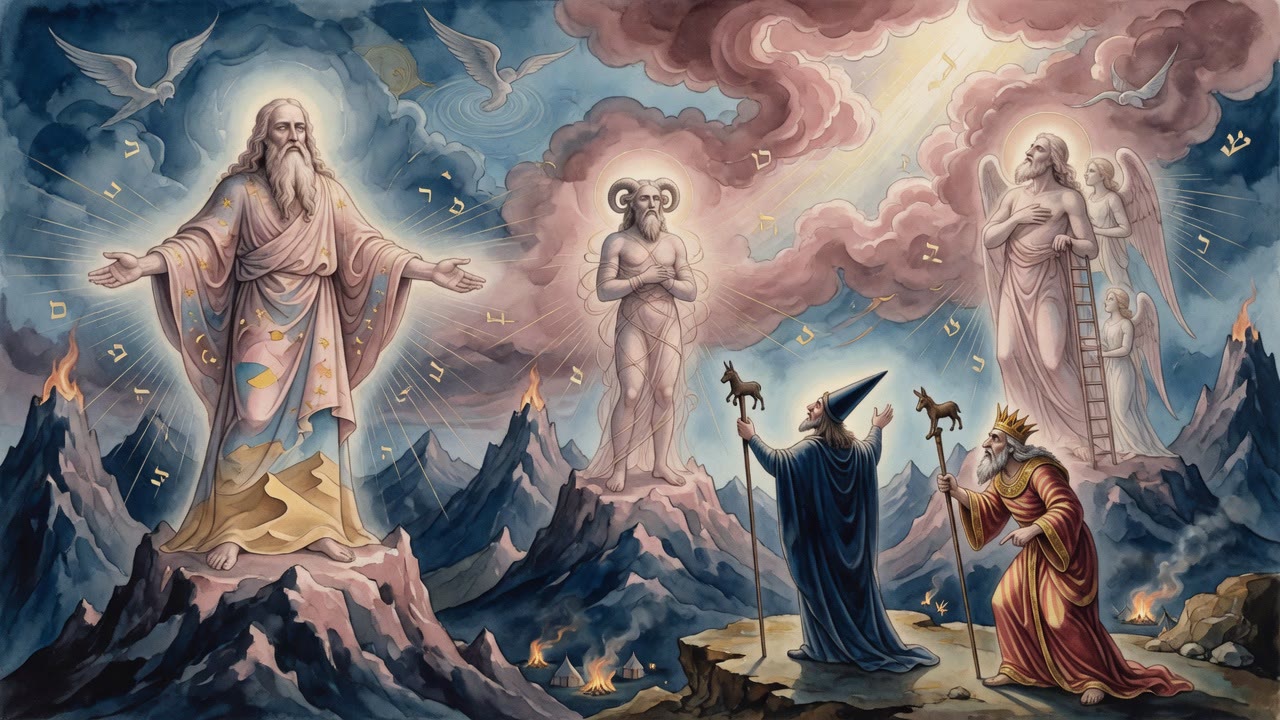
The third thread the rabbis pulled on ran much further back. Balak had hired Bilam to curse Israel, and the midrash looked at who Bilam was before the story of Numbers began. One tradition placed Bilam among the advisors present at the dawn of creation, or at least present in the divine council in a manner that made his later career a kind of long fall from insider knowledge to hired malice.
A man who had stood in those early councils and had heard the design of the world being laid out, who knew what Israel was and what role it occupied in the structure of history, and who had agreed to try to curse it anyway. That was Bilam. His failure at the ridge above the camp was not just a single setback. It was the final verdict on a career that had begun with proximity to the divine and had ended with rented speech aimed at the people he had always known were protected.
The census number, the Levite's mercy, and Bilam's old knowledge all folded together in the rabbis' reading. The wilderness camp was not an improvised mass of refugees. It was a structure carrying the logic of creation, counting itself in the right calendar, protected by powers it had done nothing to earn and everything to resist.
← All myths