They Found a Man Gathering Wood on the Sabbath
A nameless wood-gatherer was seized in the desert. Rabbi Akiva named Tzelafchad. Another sage called that slander of the dead.
Table of Contents
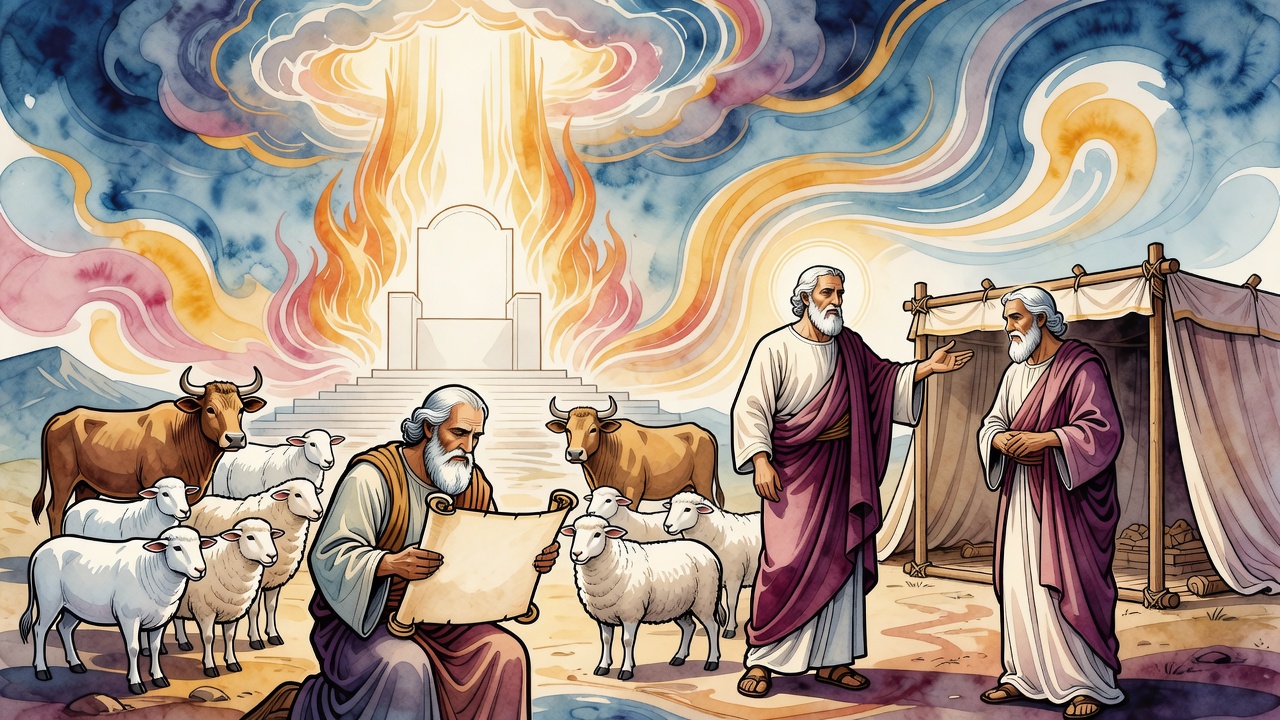
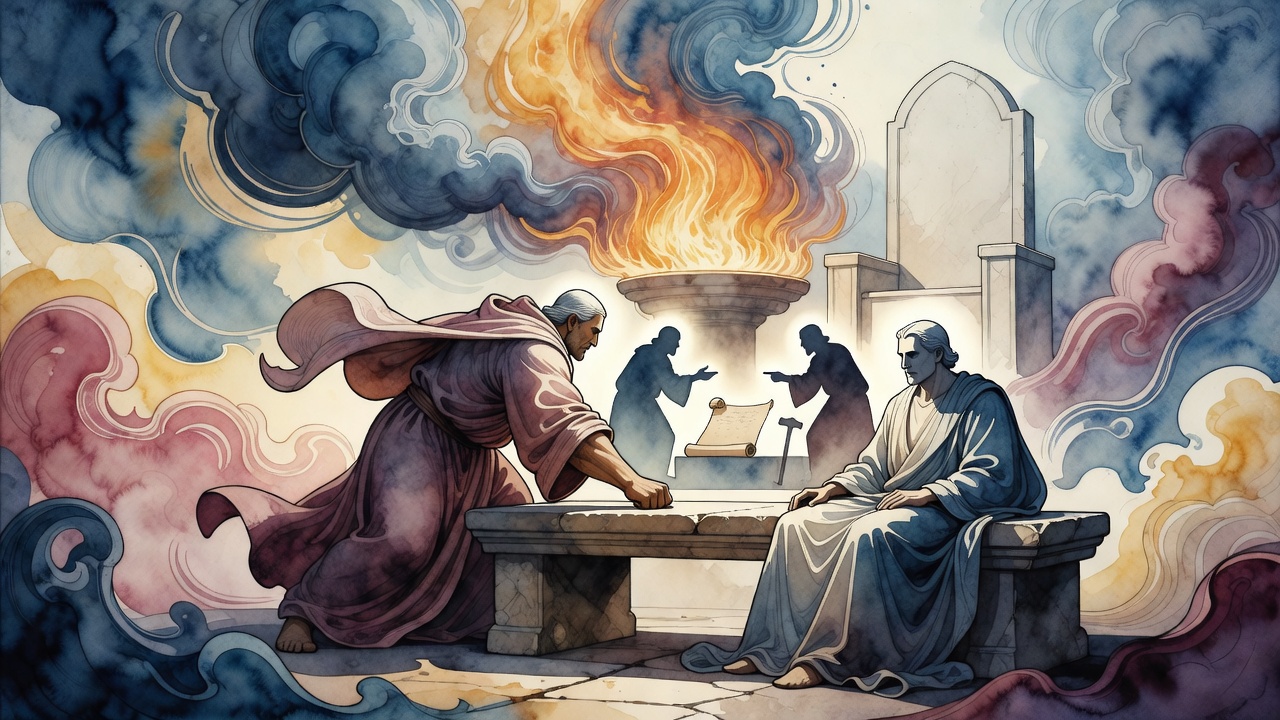
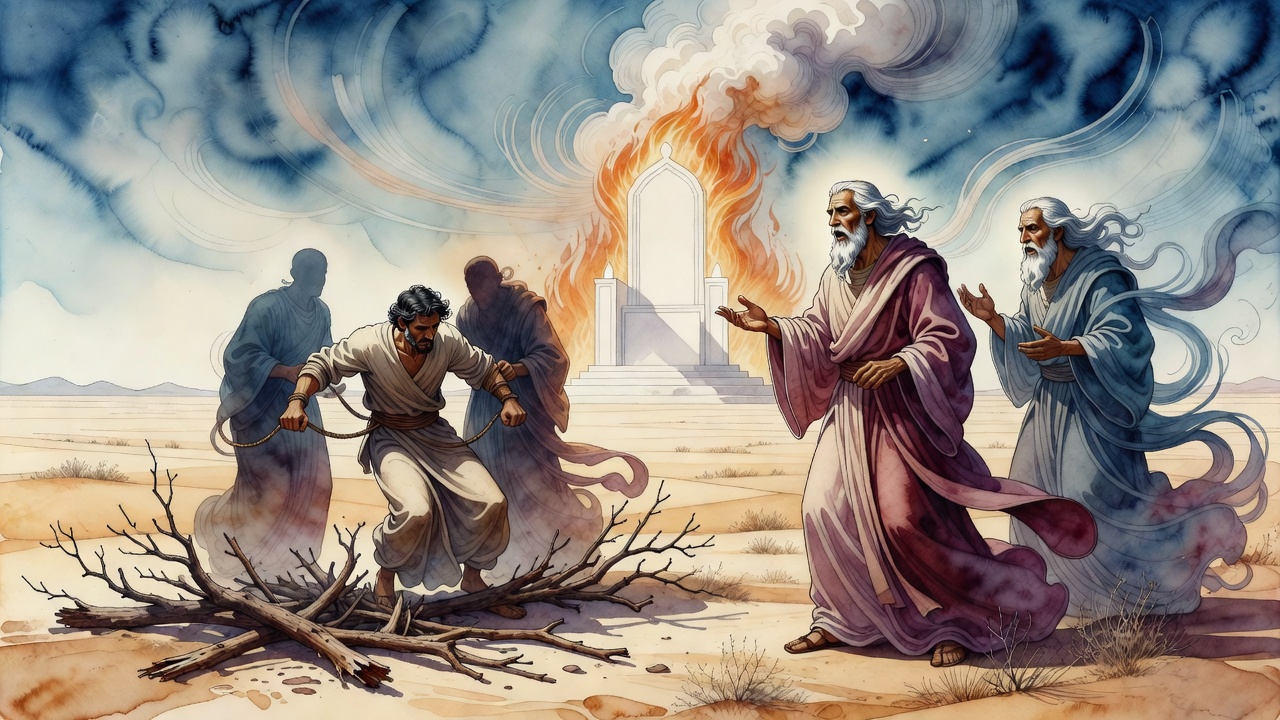
In the desert they found a man mekoshesh wood on the Sabbath day. Gathering. Pulling. The verse keeps him almost nameless, as if the crime should be seen before the face. They seized him and brought him near. The camp held its breath around a pile of sticks that should not have been touched.
 Click for full size
Is Mekoshesh his name, or only his verb? The Torah answers by repeating the act. Those who found him found him gathering. The hands convict. The identity waits in the sages' quarrel.
Akiva Names Him
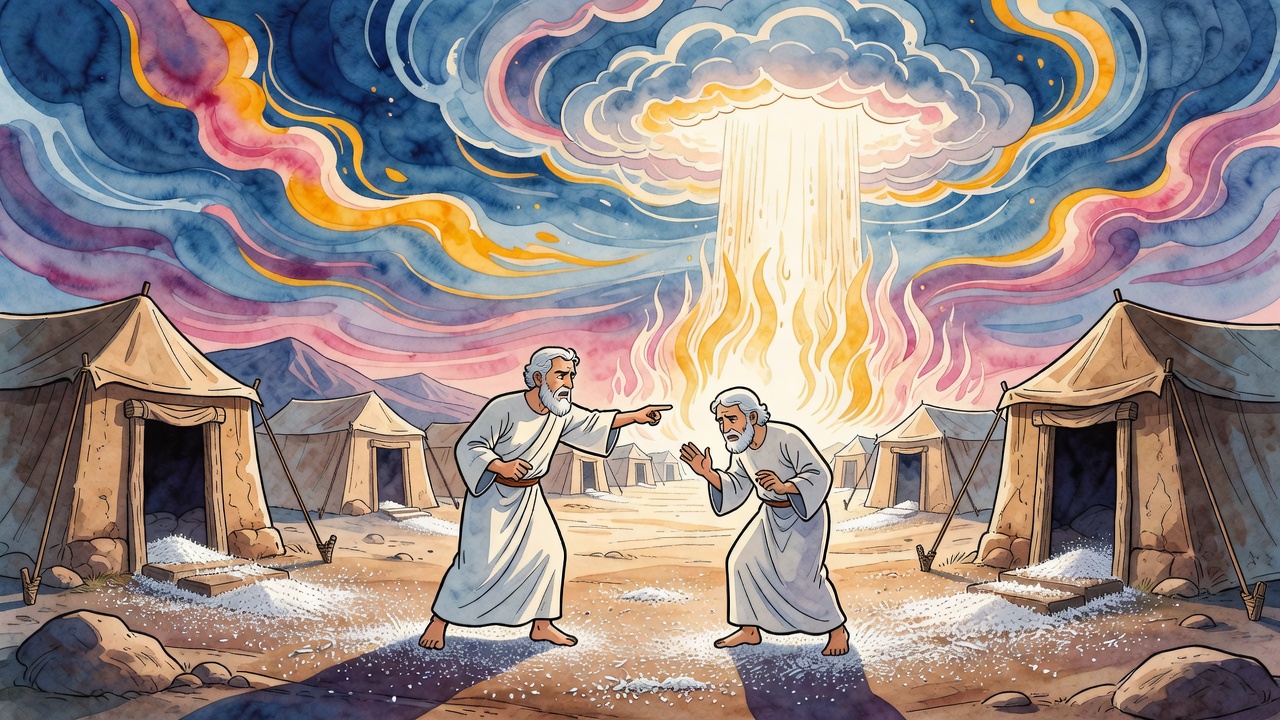
Rabbi Akiva drew a gezerah from desert to desert. Elsewhere Tzelafchad dies in the wilderness (Numbers 27:3). Here a man sins in the wilderness. Same wordscape. Same fate-shadow. Akiva said the gatherer was Tzelafchad. The daughters who later stood before Moses would then be daughters of a Sabbath desecrator as well as of a man without sons.
Rabbi Yehudah ben Beteira rose like a wall. If you reveal what the Holy One concealed, you will answer for it. If you pin a capital shame on a tzaddik, you slander the dead. Better to leave the wood-gatherer among "the bold ones" who once pushed up the hill against the command (Numbers 14:44) than to etch Tzelafchad's name onto sticks.
The quarrel is not pedantry. It is the terror of misnaming the accused when the accused can no longer speak. Justice that loves clever links can still murder a reputation. Akiva's courage met Beteira's caution over a corpse of wood.
The World Built on Ordinances
"These are the ordinances." A king upholds the land with justice. That king is the Holy One, who created with the name Elohim, the name of din, before mercy's name took the stage in later verses. The world stands on judgment's beams. A man of crooked terumot, twisted takings, can destroy what justice built.
Sabbath in the desert is not a spa day. It is an ordinance that says even freed slaves do not own every hour. Wood for warmth and cooking still waits for the sixth day. The gatherer who could not wait attacked the beam. Whether or not his name was Tzelafchad, his hands tested whether Sinai's clock still ran outside of Egypt's reach.
Moses would later need ordinances for inheritance when Tzelafchad's daughters stood forward. Law multiplies to meet lives. The wood pile was an earlier multiplication. What do we do when the clock is broken in public and the Name has not yet filled in the identity line?
Idle Horses and Old Roads
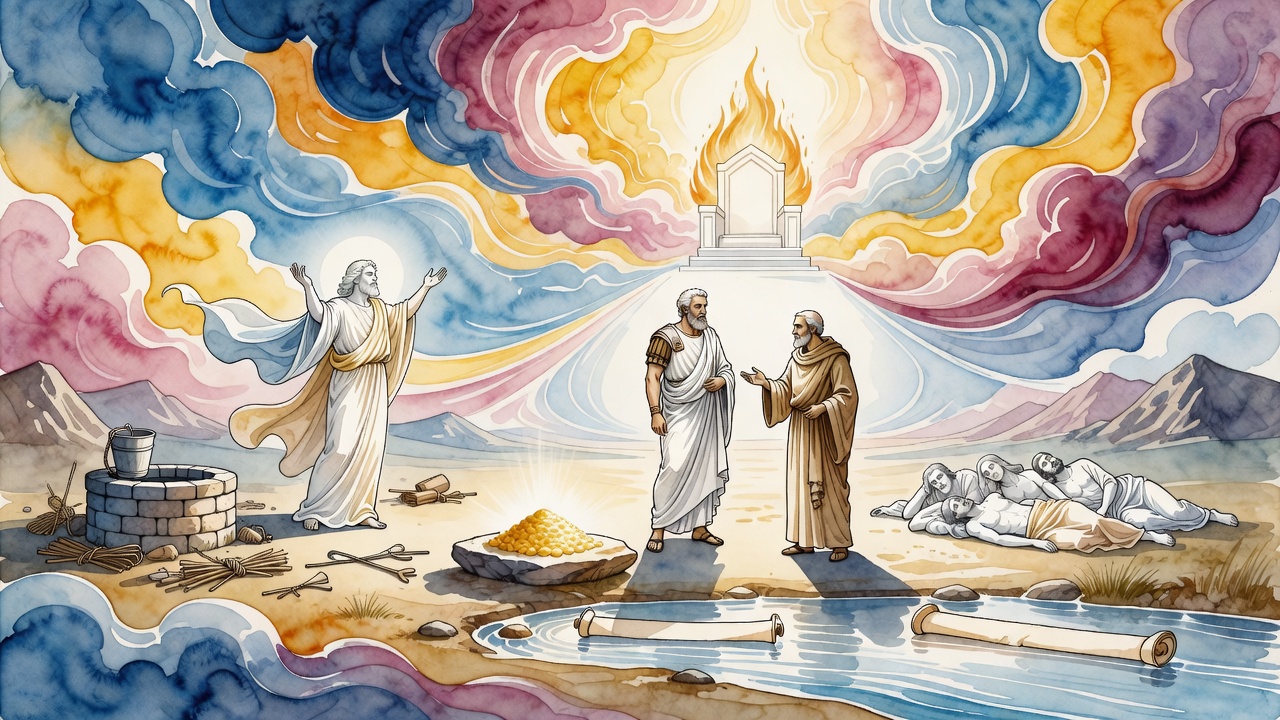
A king must not multiply idle horses, the Sifrei warns, even one horse for show. The covenant hinged on not returning to Egypt for stables and status. If Egypt's road is forbidden for horses, how much more for lesser markets of vanity. Desire dresses itself as logistics. One extra mount. One extra armful of Sabbath wood. Small surpluses that reopen closed gates.
The wood-gatherer and the horse-multiplying king share a grammar. Both reach for more than the day allows. Both treat a boundary as a suggestion. In the desert the boundary was time. In the monarchy the boundary would be memory of the exodus. Break either and the old empire grins.
What the Sticks Still Ask
They held the man. They waited for the word from the Lord. The name remained disputed in the study hall long after the sentence fell in the narrative. That delay is itself a teaching. Act first is clear. Identity is holy enough to fight over.
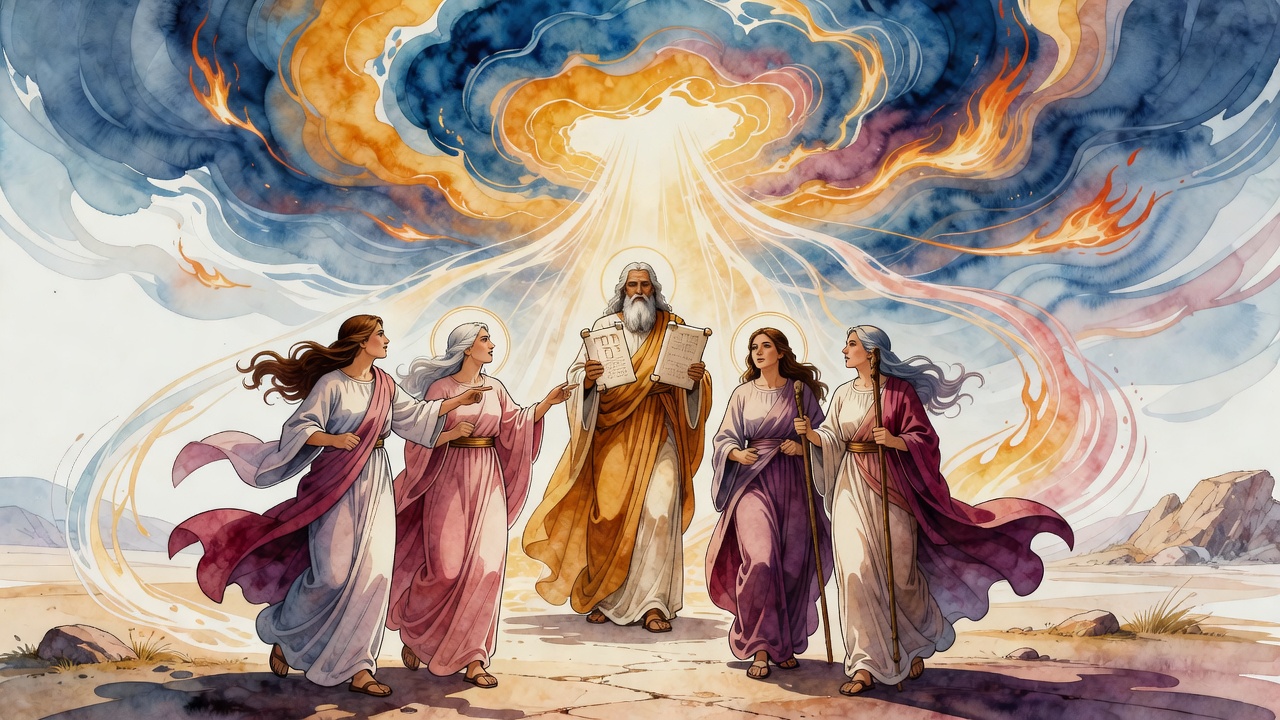
Tzelafchad's daughters would someday force a new ordinance about land. Perhaps their father was the wood-gatherer. Perhaps he was not. The Torah's silence forces the sages to show their work in public, accusation and defense both on the table. A people learning justice must practice on the hardest cases, including the case where the defendant is only a verb and a pile of forbidden fuel.
At evening the desert cooled. The sticks lay where they had been dropped. Somewhere a mother of daughters either wept for a named man or for a stranger. The ordinance held either way. The Sabbath did not owe anyone a biography before it could be desecrated.
The witnesses were not spies looking for scandal. They stumbled on a sound that did not belong to Sabbath air, the scrape of wood, the busy guilt of hands. They brought him near because the desert has no private crimes when the whole camp is a sanctuary in motion.
Akiva's mind loved bridges between verses. Beteira's mind loved the dignity of the dead. Both served Torah. The wood-gatherer, whoever he was, became their classroom. Idle horses and Sabbath sticks and ordinances from creation's justice all teach one edge. Desire says just this once. Law says the day is not yours to restock.
If the man was Tzelafchad, his daughters later turned shame into legislation for land. If he was not, their courage still rose from a house that knew the desert kills without careful law. Either path leaves sticks on the ground as a warning that small fuel can burn a large name.
Moses would ask what should be done, and Heaven would answer with a sentence that made the whole camp see. Public law for a public scrap of wood. Later ages would argue names in study halls far from that dust, still protecting the dead from easy bridges and still protecting the Sabbath from easy hands.
← All myths